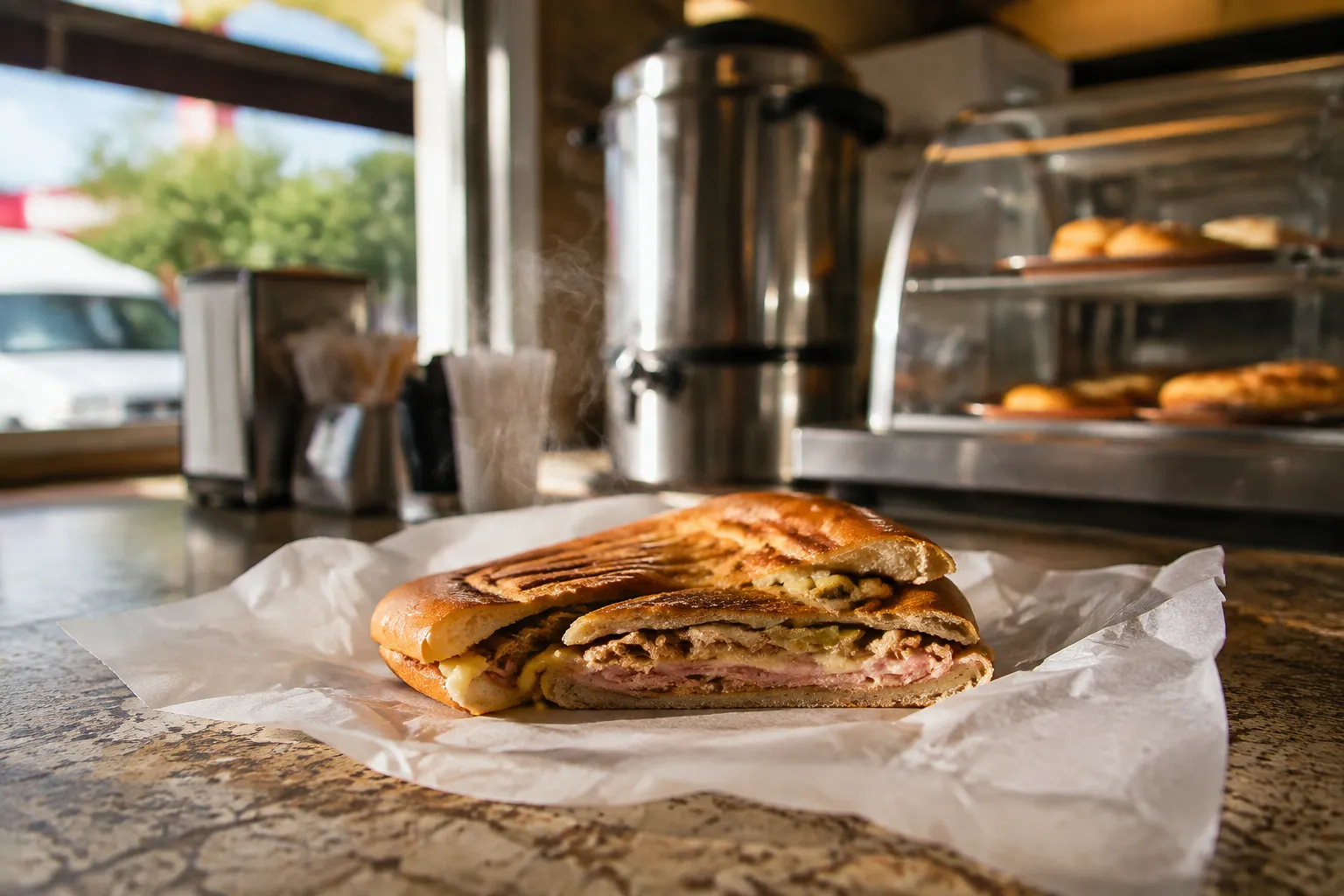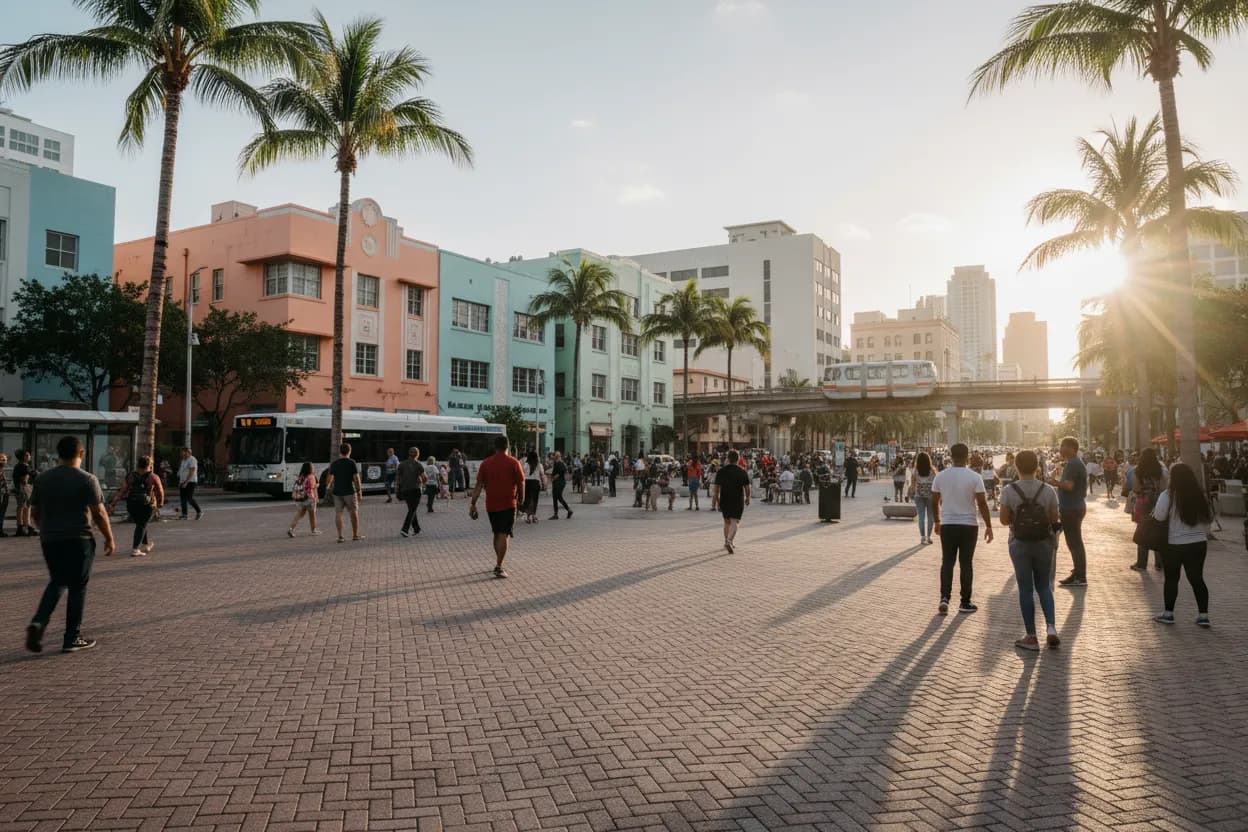
The locked plan here is simple: treat dijonai carrington as a timely dinner conversation hook, not as a promise that anyone famous is in Miami, endorsing a restaurant, or available to the public. Miami is built for food wandering, but the smartest night out starts with verification. The official Greater Miami and Miami Beach visitor site frames the area’s restaurant appeal around bold Latin and Caribbean flavors, celebrity-chef dining, and food festivals; it also reminds visitors that neighborhoods across Greater Miami are distinct destinations. That means a good dinner route should choose an area first, then a room, then a fallback. Build the night around public venues, current hours, transit status, and the group’s tolerance for noise, lines, and last-minute pivots.
Want a Miami dinner route that checks access before hype? Text Karpo with your neighborhood, party size, mobility needs, and latest arrival time before you commit.

Use the trend as a dinner conversation hook
A search spike can make a group chat move faster, but it should not control the night. If someone brings up dijonai carrington while you are planning dinner, keep it as a topic, not a claim. Do not assume a local appearance, private event, athlete endorsement, or guaranteed celebrity-adjacent table unless a venue’s official public channel says so clearly.
The useful move is to convert the buzz into structure. Pick a public dining area, set a realistic arrival window, and agree on a backup before anyone orders a rideshare or walks to a transit station. Miami rewards flexible diners because a full room, a delayed train, a changed kitchen hour, or a private booking can turn a casual plan into a long sidewalk debate.
Start with a two-stop framework: a primary restaurant or food hall area, then a second public option nearby. Keep the backup close enough that the group can move without re-planning the whole evening. That is especially important in Miami, where neighborhood character matters and crossing town can consume the patience you meant to spend on dinner.
Choose the room before choosing the menu
Before choosing a dish, choose the room type. A seated restaurant works best when the group wants a defined table, a slower pace, and fewer decisions once seated. A market or hall works better when people want different cuisines, shorter commitments, or an easier exit if the crowd is too dense. The official visitor material points to Miami’s bold Latin and Caribbean flavors, celebrity-chef restaurants, and food festivals, but it does not remove the need to verify each venue’s current details.
For a verification-first night, make a three-part check: official venue page, official social channel if the venue uses one, and map distance from the next stop. Look for public access information, current hours, reservation instructions, dress or entry notes if posted, and whether the venue appears to be operating that day. If a detail is missing, treat it as unknown rather than filling the gap with a rumor.
The room should also match the conversation. If your group wants to talk about sports, culture, and the day’s searches, avoid a space so loud that the only option is shouting. If the point is energy, a busier dining district may be the right choice, but schedule the first stop earlier and keep the backup even closer.
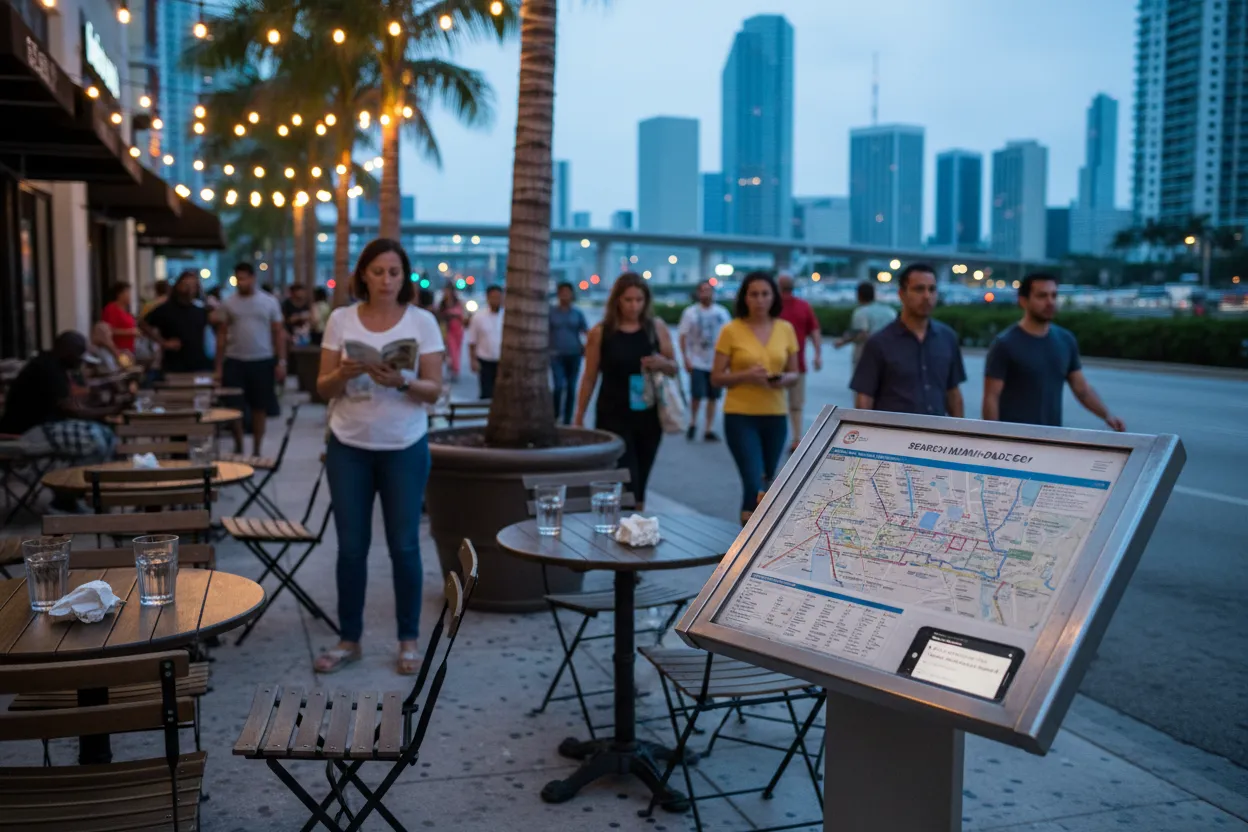
Match the market or hall to the group
A market-style stop is the safest choice for mixed preferences because it reduces the pressure on one kitchen to satisfy everyone. It is also useful when a group includes people arriving at different times. The first arrivals can scout seating, confirm which vendors are open, and decide whether the crowd is comfortable before the rest of the party gets there.
Do not treat a hall as automatically easier, though. Vendor hours can differ from building hours, and a busy public space may be harder for a large party than a restaurant with reservations. If your plan depends on a specific vendor, verify that vendor directly through its official page before leaving. If the goal is simply to eat well in one public place, leave the cuisine decision flexible.
For a Miami route, the market-or-hall decision should come after the neighborhood decision. Greater Miami’s neighborhoods are described by the official visitor site as unique destinations shaped by diverse cultures, landscapes, and people. That is a planning advantage: choose a neighborhood mood first, then let the group’s appetite decide whether you need one kitchen or several.
Keep the first stop easy to reach
The first stop should be the easiest point on the route, not the most ambitious. Miami-Dade’s Department of Transportation and Public Works lists Metrobus, Metrorail, Metromover, MetroConnect microtransit service, BRT Metro Express, and Special Transportation Service as part of the county’s mass transit system. Use the official trip planner, rider alerts, service updates, and transit tracker before you decide that a route is simple.
If your plan involves Downtown or areas served by Metromover, verify current service messages before departure. The transportation page notes ongoing Metromover upgrade work and posts rider alerts. It also carries a dated notice that on Saturday, August 15, Metromover service is set to begin operating at 2 p.m. while upgrade work continues. Because this article is dated Monday, August 10, 2026, anyone planning for that Saturday should recheck the official page close to travel time.
Build the timing backward. Set the eating window, then the arrival target, then the transit departure. Leave a buffer for a missed train, a bus delay, an elevator or escalator outage, or a room that is full when you arrive. Miami-Dade’s transportation site specifically points riders to elevator and escalator status, rider alerts, real-time tracking, and route planning, so use those tools before the group starts moving.
Save a nearby option for long waits
A backup is not a sign that the first choice is weak. It is how you avoid letting one host stand or one unexpected line control the night. The backup should be public, nearby, and different enough to solve the problem. If the primary is a seated restaurant with a wait, the backup can be a hall or counter-service area. If the primary is a crowded hall, the backup can be a calmer sit-down room.
Keep the backup within an easy transfer or short ride, and verify it before announcing it to the group. Do not rely on old screenshots, third-party hours, or someone’s memory from last season. Public-facing official pages are the only safe basis for current hours, access notes, and booking instructions. If the backup cannot be verified, it is only an idea, not a plan.
Crowd risk rises when a topic is hot, a game is nearby, a festival is active, or the weather pushes everyone indoors. The official visitor site notes Miami’s year-round events and food festivals, which is a reminder to check the public calendar and venue communications before assuming a normal night. When in doubt, make the first reservation or arrival earlier, then let the backup serve dessert, drinks, or a full reset.
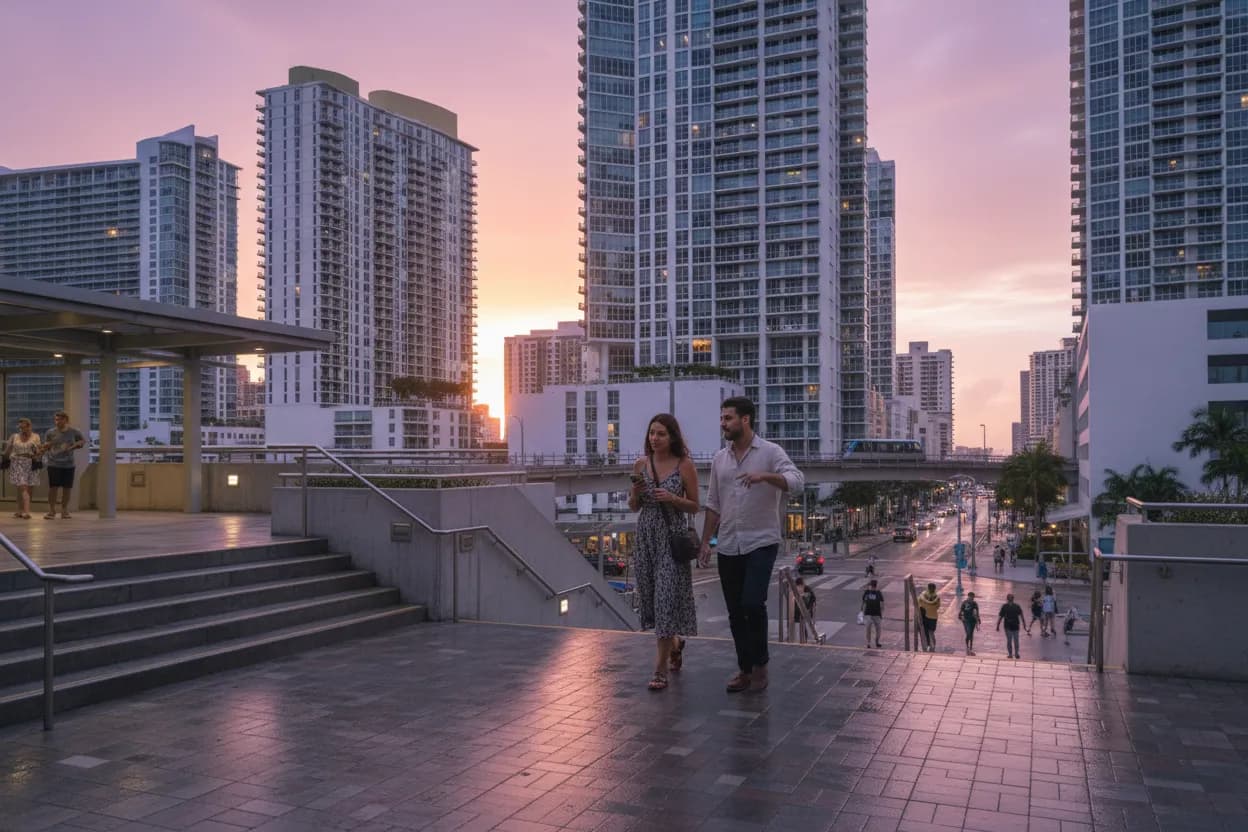
Verify vendor hours before leaving
The last check happens at the door of your home, hotel, or office. Open the venue’s official page, confirm the address, confirm hours, and look for any same-day note about private events, closures, entry changes, or limited service. If the plan uses transit, open Miami-Dade’s trip-planning and alert tools again. A route that looked fine at lunch can look different after a service update.
For mixed-mobility groups, do not leave accessibility to chance. Miami-Dade’s transportation page directs riders to elevator and escalator status and describes accessible transit services. If someone in the group needs step-free routing or other accommodations, check those official resources before choosing a station-heavy plan. The same standard applies to restaurants: use official venue information and call or message through official channels when access details are unclear.
The cleanest Miami dinner route is not the one with the most hype. It is the one where the group knows the first stop, the second stop, the travel method, the latest acceptable wait, and the moment when you pivot. That leaves room for the fun part: eating through a city known for Latin and Caribbean flavor without pretending a search phrase guarantees anything happening in the room.
Tags: #MiamiRestaurants #MiamiDining #MiamiFood #MiamiDinner #GreaterMiami #MiamiBeach #MiamiDadeTransit #PublicTransit #RestaurantPlanning #FoodHall #DinnerRoute #AskKarpo #BeforeYouGo #Karpo
Sources consulted: miamiandbeaches.com · miamidade.gov · miamidade.gov
All trademarks are the property of their respective owners.
Ask Karpo first
Ask Karpo first before you chase a crowded dinner rumor. Send the neighborhood, time, group size, transit preference, and whether you need a quieter room or accessible route. Karpo can help turn the buzz into a verified public plan with a nearby backup.