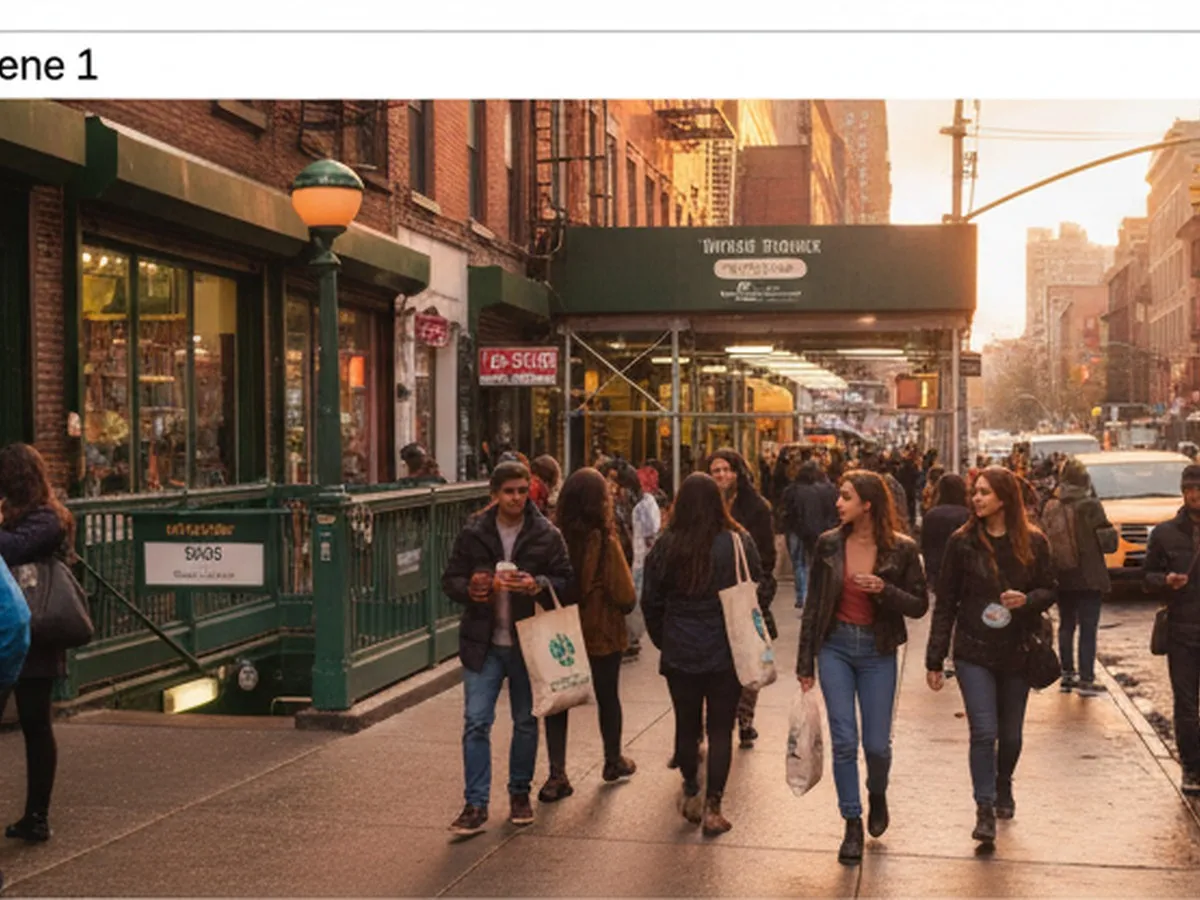
If you moved from Utah or the Mountain West, you might be missing Deseret Industries—those big, organized thrift stores with low prices and a huge mix of clothes, furniture, and odd finds. New York City doesn’t have Deseret Industries locations, but it does offer an entire ecosystem of thrift and vintage shops where you can recreate the same thrill of the hunt, often with better style and much more local character. This guide focuses on transit-first routes so you can spend a weekend thrifting across NYC without a car, hitting multiple shops in one neighborhood and knowing where to go next if a spot is crowded, picked over, or unexpectedly closed.
Planning your next NYC thrift crawl? Save or share this guide before you head out, then pull it up on your phone as you ride the subway. Use the transit-first routes to hop between shops efficiently, compare neighborhoods, and build your own Deseret Industries–style bargain circuit—NYC edition.

Why There’s No Deseret Industries in NYC—And What To Do Instead
Deseret Industries is a nonprofit thrift store network run by The Church of Jesus Christ of Latter-day Saints, with locations concentrated in Utah, Idaho, California, and a few other Western states. There are currently no Deseret Industries stores in New York City, and their official location finder only lists branches in those western regions. If you’re searching for “Deseret Industries NYC,” you’re really looking for a comparable experience: reliable low prices, large inventory, and the chance to discover unique pieces.
In NYC, that role is covered by a mix of nonprofit chains and independent shops—Goodwill, Salvation Army, Housing Works, and locally owned thrifts in Brooklyn, Queens, and the Bronx. These stores don’t replicate Deseret Industries exactly, but many offer similar or better selection of clothing, books, housewares, and sometimes furniture, plus resale-focused chains like Buffalo Exchange or Crossroads Trading for more curated, on-trend finds. Because policies, hours, and inventory change, you should always confirm details on each store’s official site before you go.
The biggest practical difference from a Deseret Industries trip is transportation. In Utah, you might drive between suburban warehouse locations; in NYC, you’ll be riding the subway and walking neighborhood clusters. The rest of this guide builds routes around MTA lines so you can hit several shops in one area—think a Saturday crawl through Williamsburg vintage, or an afternoon of good old-fashioned thrift on the Upper East Side—without needing a car.
Thrifting on the F Train: Brooklyn’s Vintage Corridor
If you’re craving Deseret Industries–level variety but with more edge, head to Brooklyn via the F train, which cuts across some of the best vintage-friendly neighborhoods in the borough. Many riders use the F to reach Carroll Gardens, Park Slope, and Kensington; for thrift and vintage, your main focus will be the stretch through Boerum Hill, Cobble Hill, and Park Slope, where small independent shops cluster within walking distance of subway stops. These areas are especially friendly to 20–40-year-olds looking for workwear, vintage denim, and affordable apartment decor.
Start by taking the F to Bergen Street or Carroll Street in Brooklyn. From either stop, you can walk along Smith Street and Court Street, where you’ll find a mix of boutiques and secondhand shops—often smaller than a Deseret Industries, but with more curated racks and local brands. Prices here tend to run higher than true “thrift” but lower than high-end vintage; it’s ideal when you want pieces that have already been filtered for quality. If one shop feels too pricey, keep walking—these commercial corridors have enough variety that you can adjust on the fly.
For a more budget-focused route, ride the F further to 4 Av–9 St or transfer to the R at Atlantic Av–Barclays Center and head into Park Slope. Around 5th and 7th Avenues, you’ll find neighborhood thrift and vintage shops tucked between cafes and bookstores, which makes this a good half-day loop: thrift, grab coffee, thrift again. To approximate a Deseret Industries furniture section, check each shop’s social media or official website first; many Brooklyn stores post when they get larger items or stop accepting furniture due to space limitations.
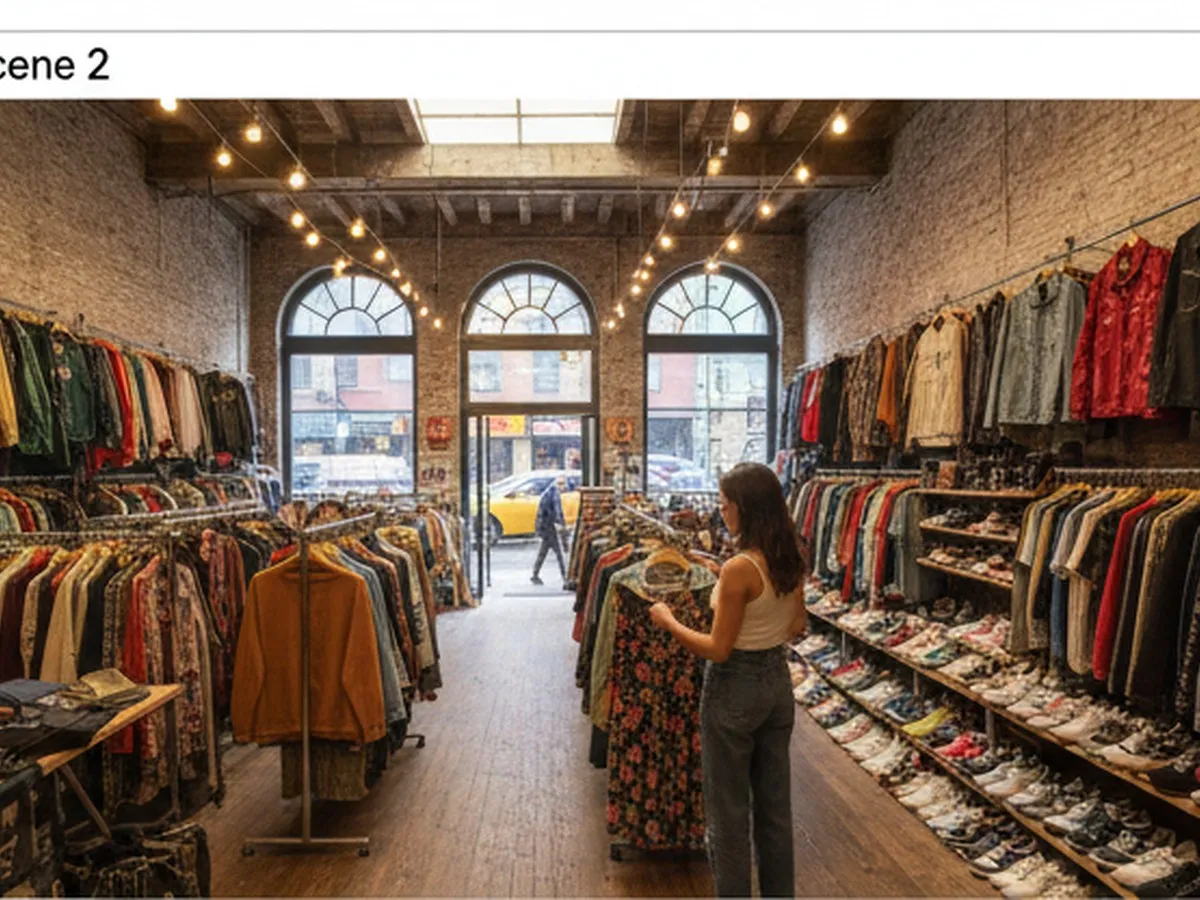
Upper East Side Basics: Goodwill and More on the 4/5/6
If your main goal is cheap basics—work clothes, everyday jeans, kitchenware, and books—the Upper East Side offers a straightforward alternative to Deseret Industries, linked by the 4/5/6 Lexington Avenue subway lines. These lines run from Brooklyn through Manhattan and up into the Bronx, giving you a quick corridor to multiple thrift locations if you’re willing to walk a bit between them. Inventory in this area often skews toward office-friendly fashion and better-condition home goods, thanks to local demographics.
A common route is to take the 6 train uptown and get off around 86 Street in Manhattan. From there, you can walk east or west to hit national nonprofit chains like Goodwill or Salvation Army, which typically offer broad selections closer to the all-purpose feel of Deseret Industries. Because each individual branch sets its own hours and donation policies, you should check those on the official Goodwill NYNJ and Salvation Army websites before heading out, especially if you’re planning a large donation drop or looking for something specific like furniture.
To extend your route, continue north on the 4/5/6 to reach additional thrift options or transfer to the Q at 86 Street for a quick hop to other Manhattan and Brooklyn neighborhoods. This makes it easy to build a full-day loop: morning thrifting in the Upper East Side, then a Q train ride to Brooklyn for more experimental vintage. If a particular store is unexpectedly crowded or feels picked over, use the subway to pivot—there’s usually another thrift or consignment shop within a few stops, even if it’s not advertised as prominently as a Deseret Industries location would be.
Queens Runs on the 7 Train: Affordable, Eclectic Finds
For truly eclectic, budget-friendly thrifting, the 7 train in Queens is one of your best tools. This elevated line runs from Hudson Yards in Manhattan through Long Island City, Sunnyside, Woodside, Jackson Heights, and Flushing, passing through some of NYC’s most diverse neighborhoods. That diversity shows up in the thrift inventory: you can find everything from basic American casualwear to formalwear and traditional clothing from different cultures, along with quirky home goods.
A practical route for a weekend afternoon is to ride the 7 to 46 St–Bliss St or Jackson Hts–Roosevelt Av. From these hubs, you can walk through commercial corridors where independent thrift shops share space with grocers, dollar stores, and local restaurants. Prices often undercut similar Manhattan shops, making Queens a strong alternative if you’re chasing Deseret Industries–style low costs. Because many of these stores are small businesses, they may not have robust websites—search their names on mapping apps, then double-check hours on any official social profiles you can find before you go.
If you’re planning a multi-stop haul, stay on the 7 toward Flushing–Main St. The area around Main Street is dense with retail and food, so you can combine thrifting with a meal break and still stick to one subway line. The trade-off compared to Deseret Industries is that you’ll need to be comfortable exploring and stepping into unfamiliar storefronts; you won’t have a single big-box anchor, but you’ll often uncover more interesting, culturally varied pieces along this route.
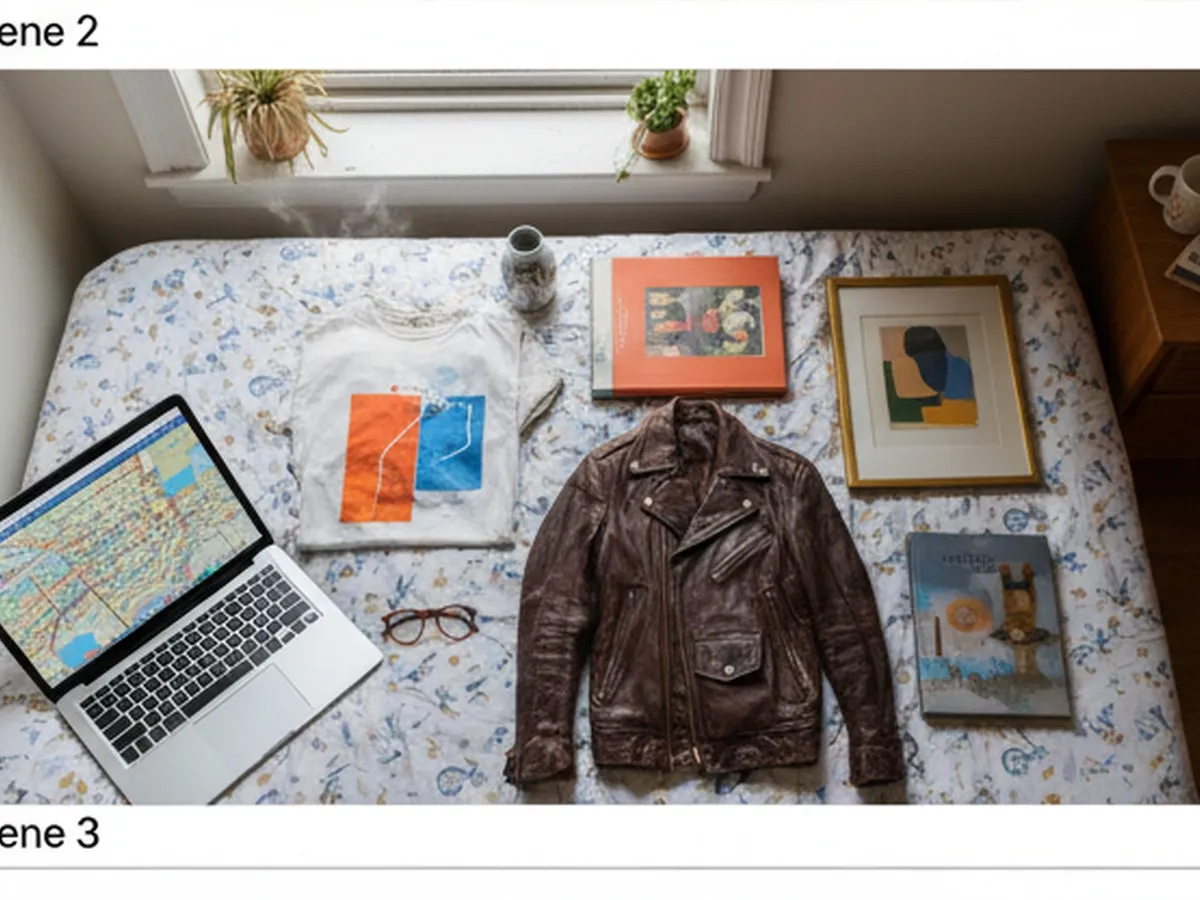
Bronx Bargains by Subway: Stretching Your Budget Further
The Bronx offers some of the city’s best chances to stretch a tight budget, especially if you’re willing to ride the 4, B, or D trains north out of Manhattan. While the borough doesn’t host Deseret Industries, it does have branches of major nonprofit thrift chains plus independent stores that cater to local families. Inventory can include kids’ clothes, workwear, winter gear, and household basics—ideal if you’re outfitting an apartment or building a seasonal wardrobe.
A simple route is to take the 4 train to Fordham Rd or ride the B/D to the same area. The Fordham corridor is a major shopping district, with big-box retail mixed in with discount and thrift options. Because stores change quickly in high-traffic neighborhoods, you should verify any specific shop’s name, address, and hours via its official website or listing before making the trip. Many Bronx thrifts emphasize low prices over curated style, which is closer to the spirit of Deseret Industries even if the organization is different.
If you prefer to stay closer to Manhattan, consider riding the 1 train up to Riverdale or Kingsbridge areas in the northwest Bronx. These neighborhood strips often have smaller, community-oriented thrift stores where donations come directly from local residents. Inventory is more hit-or-miss than a large Deseret Industries, but you can find quality winter coats, boots, and everyday basics at a fraction of new retail prices if you’re patient. As always, check official information before heading out and be prepared with a backup plan—another nearby shop, or a different subway line—if one store is closed or no longer operating.
Curated Vintage Circuits in Manhattan and Brooklyn
If you love the unique, vintage side of Deseret Industries finds—think old military jackets, 70s dresses, or 90s streetwear—but want them pre-curated, your focus in NYC should be vintage and consignment corridors in Manhattan and Brooklyn. These shops are more expensive than nonprofit thrifts but offer higher likelihood of standout pieces, especially for night-out looks, officewear with personality, or special occasion outfits.
A classic vintage circuit starts in Lower Manhattan. Take the F, J/Z, or M trains to Delancey St–Essex St or the B/D/F/M to Broadway–Lafayette. From there, walk through the Lower East Side and East Village, where clusters of vintage shops line streets like Orchard, Ludlow, and East 9th. Compared to Deseret Industries, you’ll see fewer basics and more curated racks by decade or aesthetic. Many of these shops maintain active websites and Instagram accounts with new arrivals, so checking those official channels before you go can help you target the ones that match your style and budget.
For a Brooklyn vintage loop, ride the L train to Bedford Av or G train to Metropolitan Av to access Williamsburg and Greenpoint. These neighborhoods are dense with vintage and resale boutiques, often sitting shoulder-to-shoulder on main streets. Here, you can easily walk from one shop to the next, comparing prices and condition like you would roll carts down aisles in a Deseret Industries warehouse. Because curated vintage often comes with stricter return policies, read any posted terms carefully in-store or check each shop’s official website for details about returns, consignment, and trade-ins before buying higher-ticket items.
How to Plan a Transit-First NYC Thrift Day
To recreate a Deseret Industries–style thrift day in NYC, you’ll need a transit strategy more than a single destination. Start by picking one subway line—say the F, 7, or 4/5/6—and mapping 3–5 thrift or vintage shops along or near that line using official store sites and navigation apps. Group them by neighborhood so you can walk between at least two or three in the same area; this reduces backtracking and keeps your day feeling like a smooth crawl rather than a scattershot hunt.
Next, build in timing and backup plans. Most NYC thrift and vintage shops open late morning or early afternoon and may close earlier than big-box chain stores, especially on Sundays, so check hours on each store’s official page before you leave. Aim to start around late morning in your first neighborhood, break for lunch nearby, then hop back on the subway for a second cluster. If a shop is unexpectedly closed or overcrowded, use your map to pivot to another stop along the same line; because inventory changes quickly, there’s no guarantee any one store will deliver, but a set of four or five options will almost always yield finds.
Finally, remember that NYC’s thrift ecosystem is more fragmented but more surprising than Deseret Industries. You won’t get a single massive warehouse with predictably low prices, but you will get a wider mix of aesthetics, price points, and cultural influences. Always double-check official websites or social channels for real-time updates on hours, special sales, or temporary closures, especially around holidays or neighborhood events. That extra five minutes of planning makes the difference between wandering and landing the kind of odd, memorable pieces that make NYC thrift shopping worth the subway ride.
Ask Karpo first
Before you head out, ask Karpo to build your route: tell me your starting subway station, rough budget, and whether you’re chasing basics, statement vintage, or home goods. I’ll suggest a line-based loop—like an F train vintage circuit or a 7 train Queens bargain crawl—plus a couple of backup shops so you can thrift like a Deseret Industries pro, NYC-style. Karpo is here to keep your hunt efficient, improv-friendly, and very local.
sources':[{
Tags: #hiddengemsoddfinds #nyclifestyle #thriftshopping #vintagefinds #budgetstyle #brooklyn #manhattan #queens #bronx #NYC #KarpoFinds #AskKarpo
Sources consulted: Deseret Industries official location finder · Goodwill NYNJ locations · The Salvation Army thrift store locator · MTA official subway map
All trademarks are the property of their respective owners.
Ask Karpo first
Text Karpo what kind of vibe you’re in the mood for—budget basics, designer steals, or full-on vintage cosplay—and where you’re starting from. I’ll stack a custom route with subway directions, backup shops if something’s unexpectedly closed, and a quick comparison of prices and return policies so you can spend more time hunting and less time planning.


