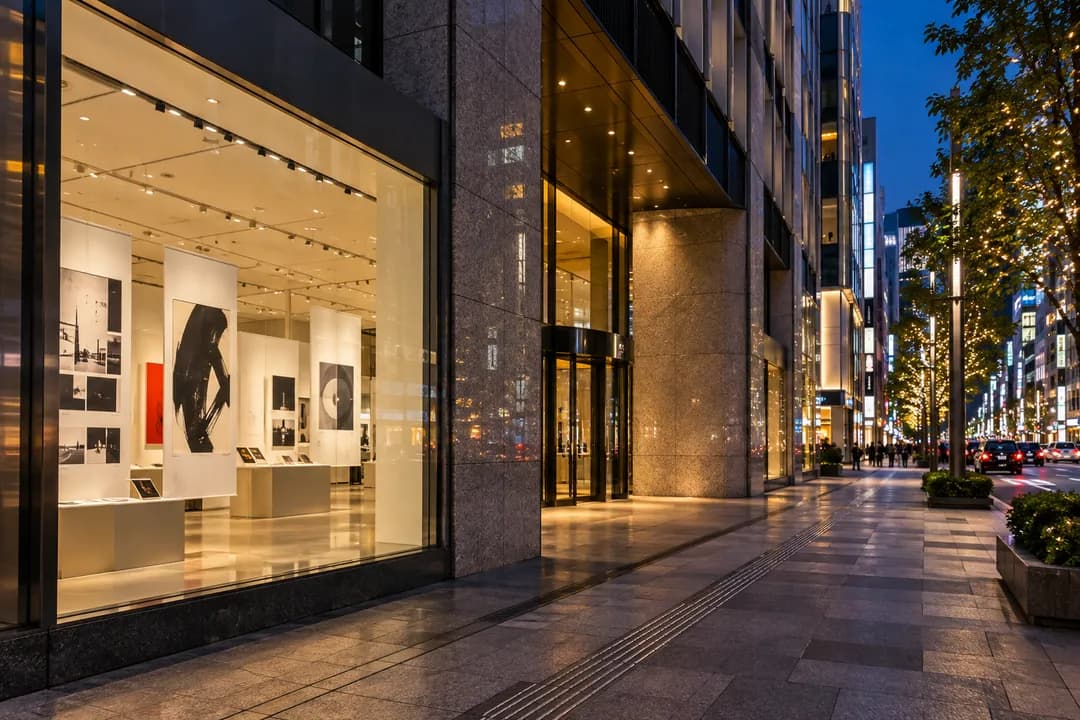
 Art Gallery Near Me: Ginza Graphic Gallery in Tokyo
Free Things to Do

Cherry Blossom Peak at the Tidal Basin: The 72-Hour Window
Peak bloom lasts 72 hours. At 5:30am, the Tidal Basin is yours alone—then the crowds arrive.
The mathematics of ephemera
The Tidal Basin's Yoshino cherry trees operate on a biological clock that cares nothing for your travel plans. Peak bloom—defined as seventy percent of blossoms open—typically lasts only a few days, and the truly photogenic window is narrower still: a brief span when the trees achieve full saturation before petals begin their descent. The National Park Service issues predictions weeks out, revises as temperatures climb, but weather ultimately decides. You learn to watch the forecast yourself, looking for that string of mild days that triggers the final push. One unseasonal warm spell and the entire event compresses into a long weekend.
The basin fills by mid-morning. By 9am, you're navigating a shoulder-to-shoulder procession around the loop. Tour groups stake positions at the Roosevelt Memorial. Photographers block the best sight lines. Someone's always proposing at the Japanese Lantern. But around sunrise, in that blue hour before the crowds arrive, the place belongs to the early risers and the informed.
The Jefferson reflection

The classic shot—Jefferson Memorial framed by cherry branches with a glassy Tidal Basin reflection—requires three conditions: dawn light, no wind, and your presence on the northwest bank. Most visitors shoot from the Kutz Bridge or the east bank, which gives you the memorial straight-on but loses the blossom canopy. The northwest position puts you under dense Yoshino clusters with the memorial at a slight angle across still water.
Arrive early, well before the basin fills. The best positions require stepping onto the grass in low light—bring a flashlight. The light turns from blue to pink in the half-hour after sunrise, depending on cloud cover. You want some clouds. Clear skies give you harsh light and washed-out blossoms. A thin overcast diffuses the sunrise into that soft, directionless glow that makes the petals luminous.
When the petals fall
One rain ends the show. Not a drizzle—a real rain, the kind that lasts hours and brings wind. The blossoms, already fragile at peak, release en masse. The basin's walkway becomes a pink carpet within hours, then turns brown by the next morning as maintenance crews blow and rake. Peak bloom can last several days until a storm strips most of the petals overnight. The Park Service doesn't extend the festival. The vendors pack up. The basin empties.
Which is why locals know to watch the weather obsessively once peak is called. You see a rain system a few days out, you rearrange your schedule. You take the morning off. You skip the meeting. The cherries won't wait, and neither should you. The trees will bloom again next year, but next year's peak might fall on a week you're traveling, or sick, or simply unable to get there at dawn. This year's brief window is the only one that matters.
The Martin Luther King Jr. Memorial alternative

When the Tidal Basin becomes impassable—and it will, by mid-morning on peak weekend—the MLK Memorial offers a secondary viewing station that most visitors miss. The memorial sits slightly inland from the basin's southwest edge, surrounded by cherry trees that bloom on the same schedule. The stone plaza and reflecting pool create their own composition, and the sight lines toward the basin remain clear.
The advantage: tour buses can't easily access this section. School groups cluster at the main Tidal Basin loop. The MLK Memorial requires a deliberate detour, which filters out casual visitors. You'll share the space with serious photographers and locals who've learned this pattern. The trees here are younger but have matured enough to create full canopy coverage. Position yourself on the north side of the memorial, facing the basin, in the morning hours when the light rakes across the water.
The Hains Point secret
Hains Point, the southern tip of East Potomac Park, holds cherry trees that bloom simultaneously with the Tidal Basin but attract a fraction of the attention. The peninsula's loop road runs through what amounts to a linear cherry grove with Potomac River views on both sides. No monuments, no memorials, no crowds. Just trees, water, and the occasional cyclist.
Park at the Hains Point lot at the peninsula's southern tip. The sculpture "The Awakening"—a giant emerging from the earth—provides a landmark, though it's the trees you're here for. Walk north along the seawall. The western side, facing the Washington Channel, catches morning light. The eastern side, facing the Potomac proper, offers wider water views and better wind protection. During peak bloom, you can walk long stretches without seeing another person, which is impossible at the Tidal Basin. The Park Service maintains these trees but doesn't promote them. They exist in a kind of official neglect that works in your favor.
The brief-window protocol
Once the Park Service calls peak bloom, you have a decision window. Early in the peak period, the blossoms are still opening, the pink not yet saturated. At full peak, you get maximum color and perfect conditions. Later, you'll notice the first fallen petals, the first browning edges. After several days, you're photographing memory.
The informed approach: arrive around sunrise on a peak day. Shoot the Jefferson reflection in the early light. Walk to the MLK Memorial for the secondary angle. Exit before the crowds achieve critical mass. Return to your hotel, rest, then scout Hains Point in late afternoon when the light softens again. This gives you the iconic shot, the alternative view, and the secret location in a single peak day. You'll have covered the basin's full range while most visitors are still waiting for parking.
Practical notes
The Tidal Basin sits between the National Mall and East Potomac Park, accessible via Ohio Drive SW. Metro: Smithsonian station (Orange/Silver/Blue lines), then a walk south. Parking is severely limited during peak bloom—arrive very early if driving. Street parking along Ohio Drive SW is unrestricted but competitive. Consider parking at L'Enfant Plaza garage and walking.
The National Cherry Blossom Festival runs in spring. Peak bloom is weather-dependent and typically occurs late March to early April, depending on the year. Check nps.gov for current forecasts and bloom status. Entry to all areas is free. Arrive well before sunrise for the best positioning and fewest crowds.
Bring layers. Dawn temperatures run cooler than afternoon highs. The basin is exposed with no wind protection. Bathrooms are located at the paddle boat house and the MLK Memorial. Food vendors appear during the festival but don't operate early—bring coffee.
Tags: #CherryBlossoms #TidalBasin #WashingtonDC #DCTravel #NationalMall #JeffersonMemorial #PeakBloom #CherryBlossomFestival #DCPhotography #HiddenDC #WashingtonMonuments #SpringInDC #DCInsider #TravelTiming #NationalParkService
All trademarks are the property of their respective owners.
Ask Karpo for more information.
Keep reading
- Art Gallery Near Me: Ginza Graphic Gallery in Tokyo
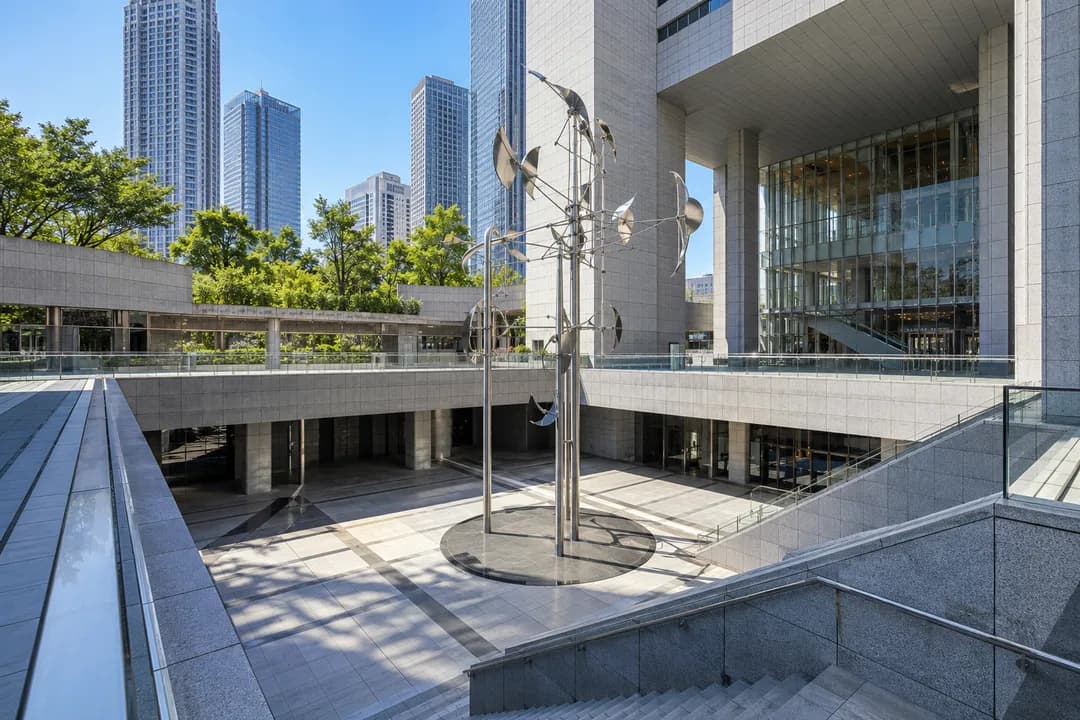 Art Gallery Near Me: Tokyo Opera City Art Gallery
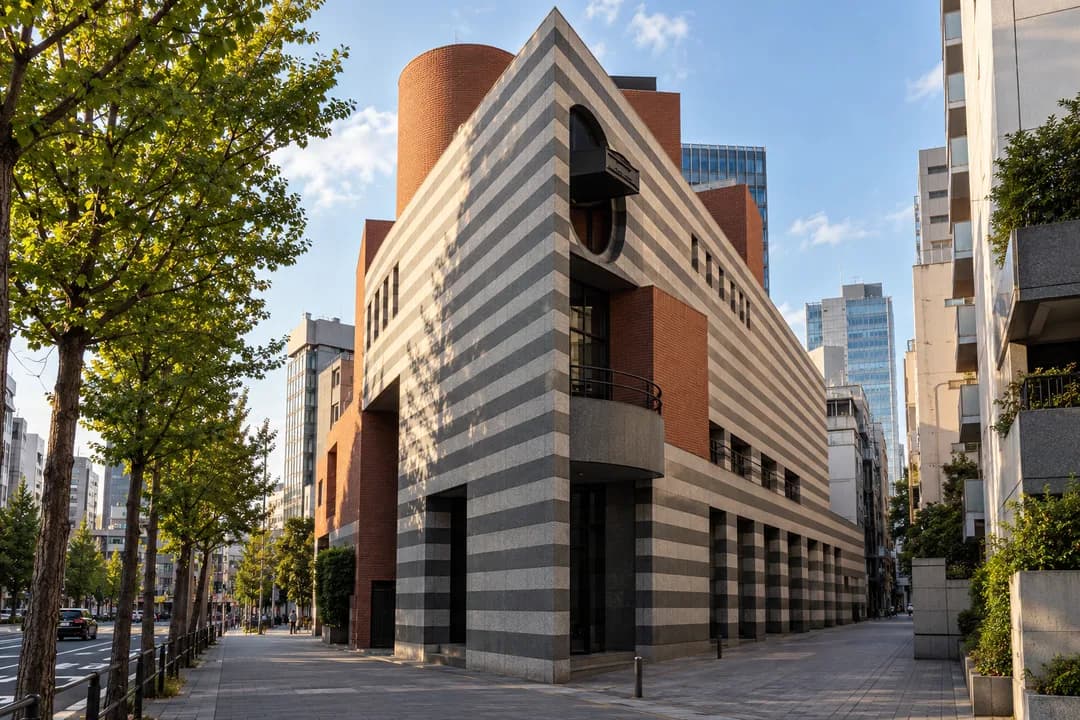 Art Gallery Near Me: Watari Museum of Contemporary Art