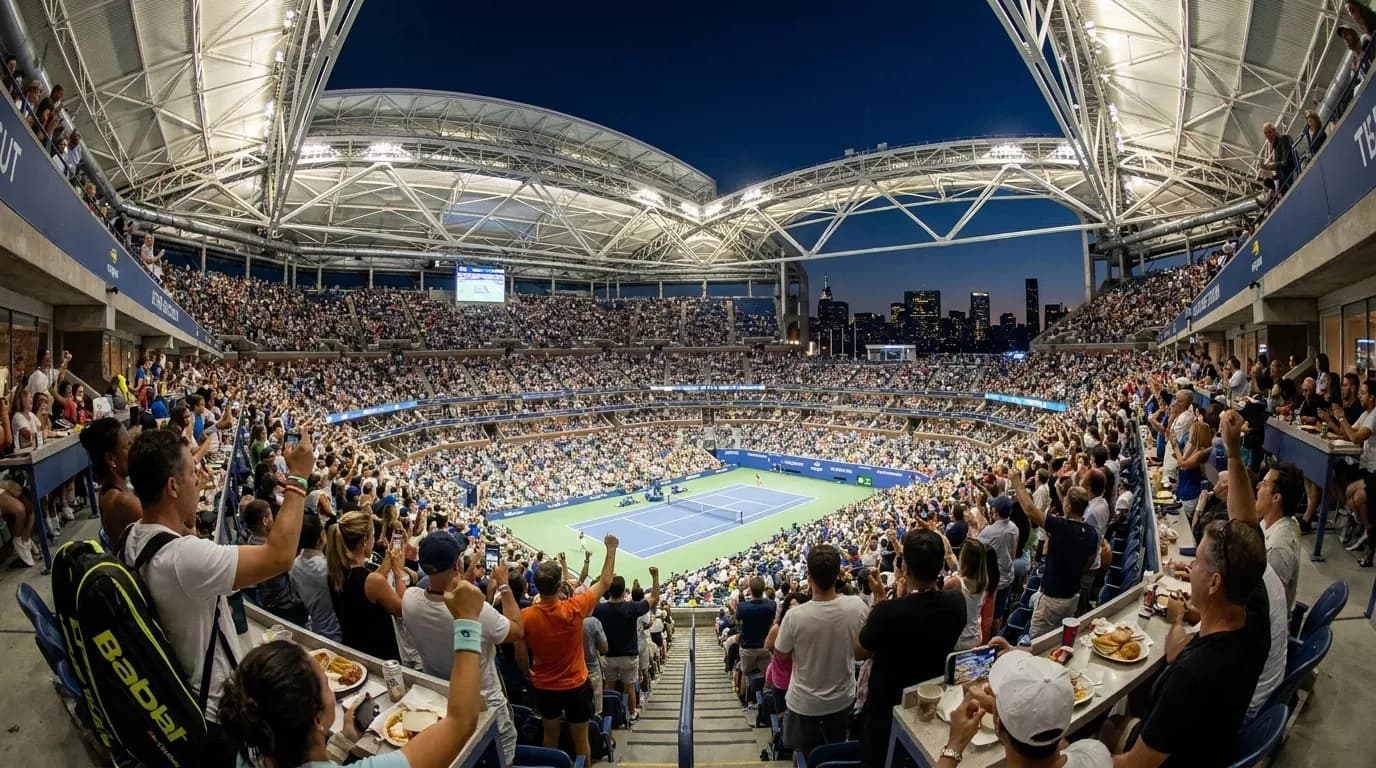
If you are trying to spot a possible US Open surprise before the bracket starts speaking for itself, begin with a modest question: who is playing well enough, recently enough, against the right kinds of opponents, to make a draw uncomfortable? The official 2026 US Open calendar runs August 23 through September 13, with singles main-draw play beginning August 30, but player fields, schedules, gate times, transport details, venue rules, weather, local hours, inventory, and service availability can all change. That matters because an analytics-informed pick is still only a pick, not a promise. Use public numbers to narrow your watch list, then recheck the official US Open schedule, A-to-Z visitor information, transportation directions, and prohibited-items guidance close to your travel or viewing day. The best fan approach is practical: identify signals, respect the draw, and keep plans flexible.
Text Karpo to turn a surprise run into a data-informed watchlist without overhyping it.

Why Surprise Runs Leave Clues Before They Happen
A deep run feels sudden when a seed falls or a lesser-known player reaches the second week, but the ingredients often show up earlier in public performance data. The trick is not to treat one metric like a crystal ball. Tennis results are noisy: a player can look ordinary for a month, then benefit from a favorable matchup, a windy day, a tired opponent, or a draw section that opens. Another player can post attractive numbers and still land near a major champion in the first week.
For fans, the useful question is not “Who is guaranteed to break through?” It is “Whose recent profile gives them more paths than the market or casual conversation may notice?” At the US Open, that means pairing recent hard-court results with serve and return indicators, physical durability clues, and the shape of the draw once it is available. The most interesting candidates are usually not perfect. They may have one clear weapon, one improving weakness, and enough match toughness to make higher-ranked opponents work.
Public Signals Worth Watching
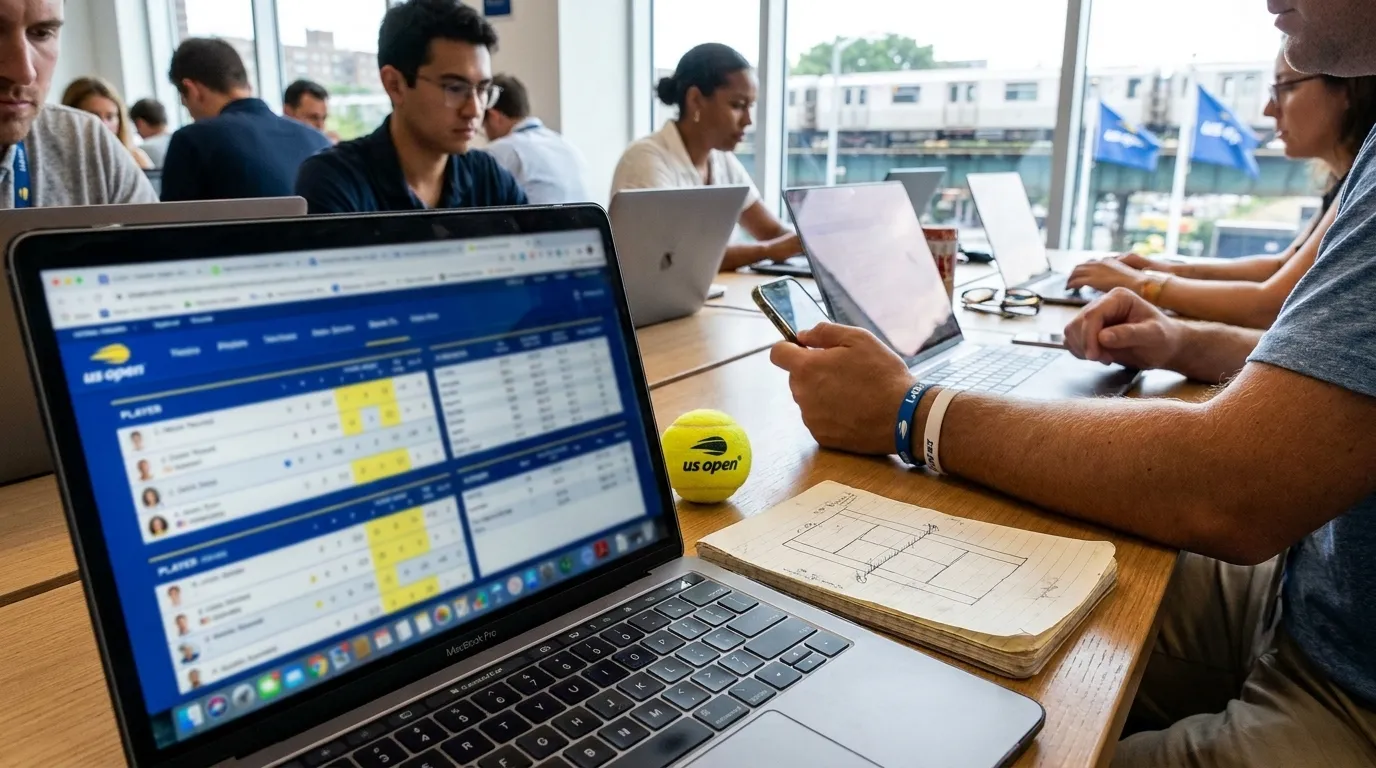
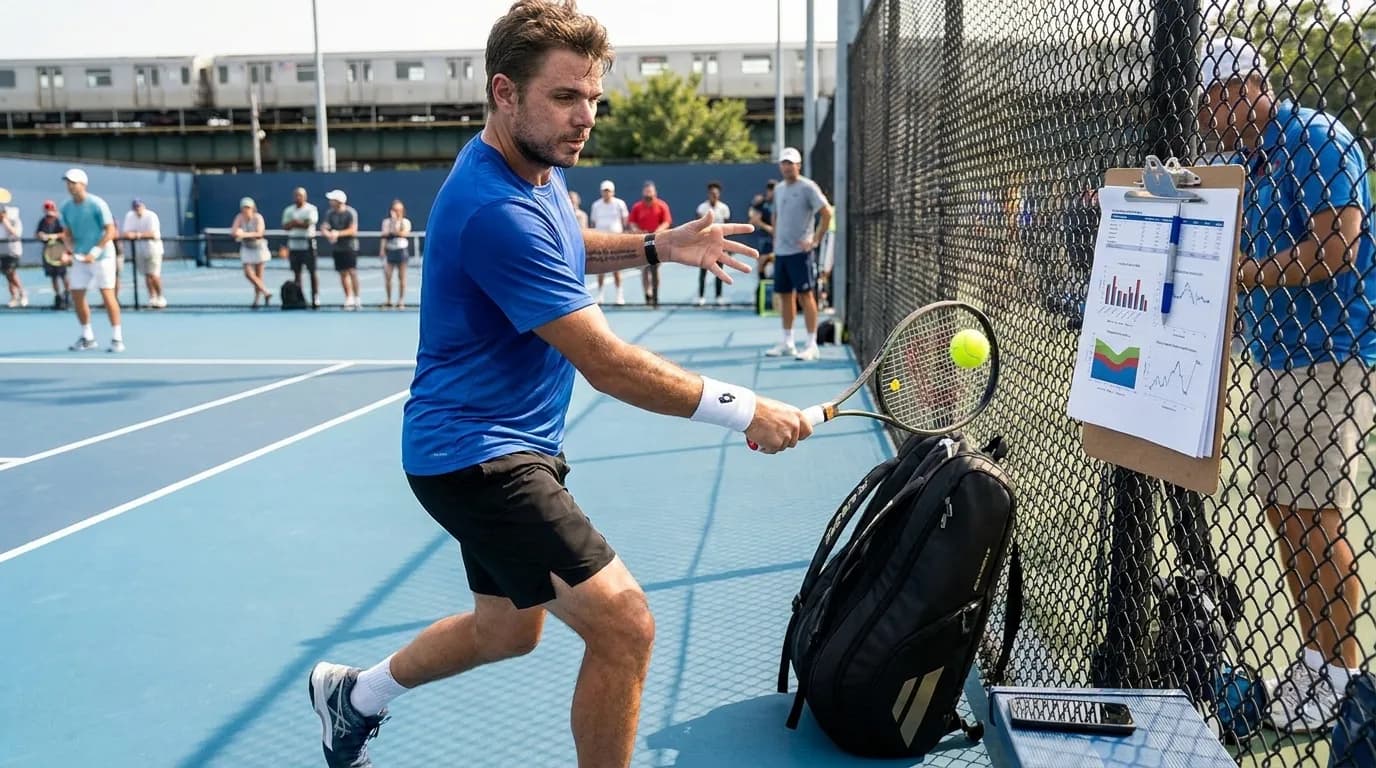
Public analytics can be simple and still useful. You do not need private tracking data to form a sharper view. Many fan-facing stat pages, match logs, and tournament results can show whether a player is serving efficiently, returning with enough pressure, or winning enough close sets to survive early danger. Treat each signal as a clue, not a verdict, and compare it with opponent quality.
- Recent hold-and-break balance: A player who is holding serve steadily and creating break chances has more ways to win than someone relying only on tiebreaks.
- Second-serve performance: Surprise runs often require surviving return pressure. Watch whether a player protects second-serve points against strong returners, not just against overmatched opponents.
- Return games won or break-point pressure: A dangerous underdog does not have to dominate every return game, but they need enough pressure to turn a set quickly.
- Quality of recent losses: A close defeat to an elite player can be more encouraging than a routine win over a struggling opponent.
- Deciding-set record with context: Strong three-set or five-set survival can hint at composure, but it may also mean the player is spending too much energy.
- Unforced-error control under pressure: Box-score summaries and match reports can reveal whether a player’s aggression is measured or merely streaky.
The most important habit is to look for agreement between signals. A player with a big serve, improving return numbers, and recent wins over top-50 opponents is a different kind of candidate from a player who simply had one hot serving week. Likewise, a player coming off a title may be promising, but the path matters: short matches, walkovers, and opponent withdrawals should be interpreted carefully.
Draw Context Can Rewrite the Model
Before the draw is released, performance signals can help you build a watch list. After the draw is released, context becomes the story. A potential deep-run candidate may need to avoid specific matchup problems: a left-handed server who pulls them wide, a heavy topspin player who attacks their backhand, a returner who neutralizes their first serve, or a patient defender who turns quick points into long exchanges.
This is where cautious language matters. A player’s statistical profile may suggest upside, but a difficult opening round can erase that value. Conversely, a solid but unspectacular player can become interesting if nearby seeds arrive with limited match play, if the section contains several volatile opponents, or if the early matchups suit their strengths. Fans should revisit predictions after every round rather than defending a pre-tournament pick as if new information does not count.
Surface comfort also needs context. Hard-court form is relevant, but it is not identical across every event, climate, ball, opponent, or stadium environment. Public data can tell you who has been winning on hard courts; it cannot fully tell you how a player will respond to a particular day’s conditions, crowd rhythm, or scheduling cadence. That uncertainty is not a flaw in analysis. It is part of the sport.
Fitness, Scheduling, and the Hidden Cost of Long Matches
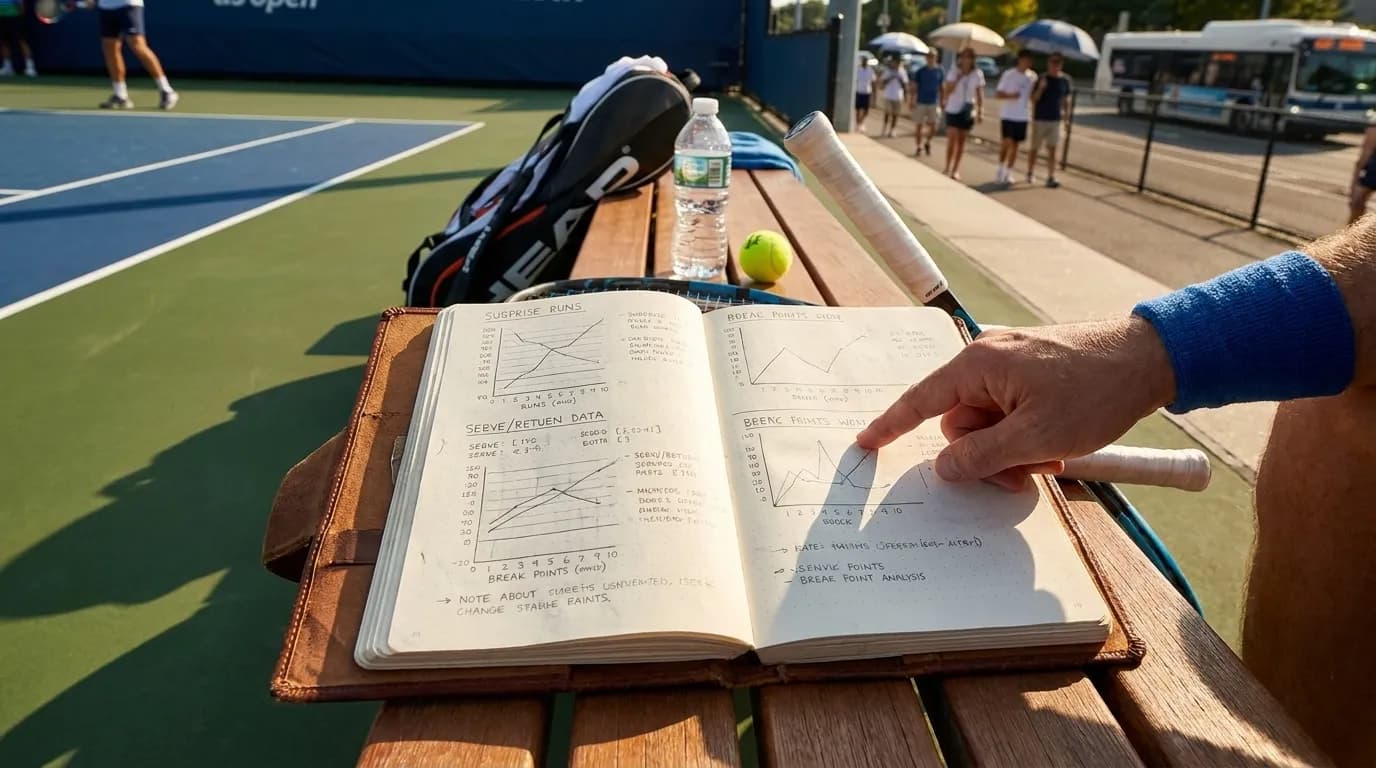
Deep runs require more than a clean tactical profile. They also require recovery. Fans can watch public clues without pretending to know private medical details. Recent retirements, unusually short turnarounds, repeated long matches, and visible movement limitations in previous events are all reasons for caution. So are sudden changes in serving speed or reluctance to chase balls that a player normally reaches. Those are observations, not diagnoses.
The US Open calendar gives the event window, but daily order of play, court assignments, and match timing are operational details that should be checked through official channels close to the day. From an analytics view, scheduling can affect confidence. A player who survives multiple draining matches may still be playing well, yet their next opponent could benefit from more efficient wins. A young player on a first major run may also face new emotional load: bigger courts, longer media attention, and the unfamiliar routine of staying alive deep into the second week.
This is why “momentum” should be translated into specifics. Is the player winning quickly? Serving with repeatable patterns? Returning well late in matches? Saving break points with controlled aggression rather than panic? Those details are more useful than saying a player is simply hot.
Using Devices and Apps Without Overreaching
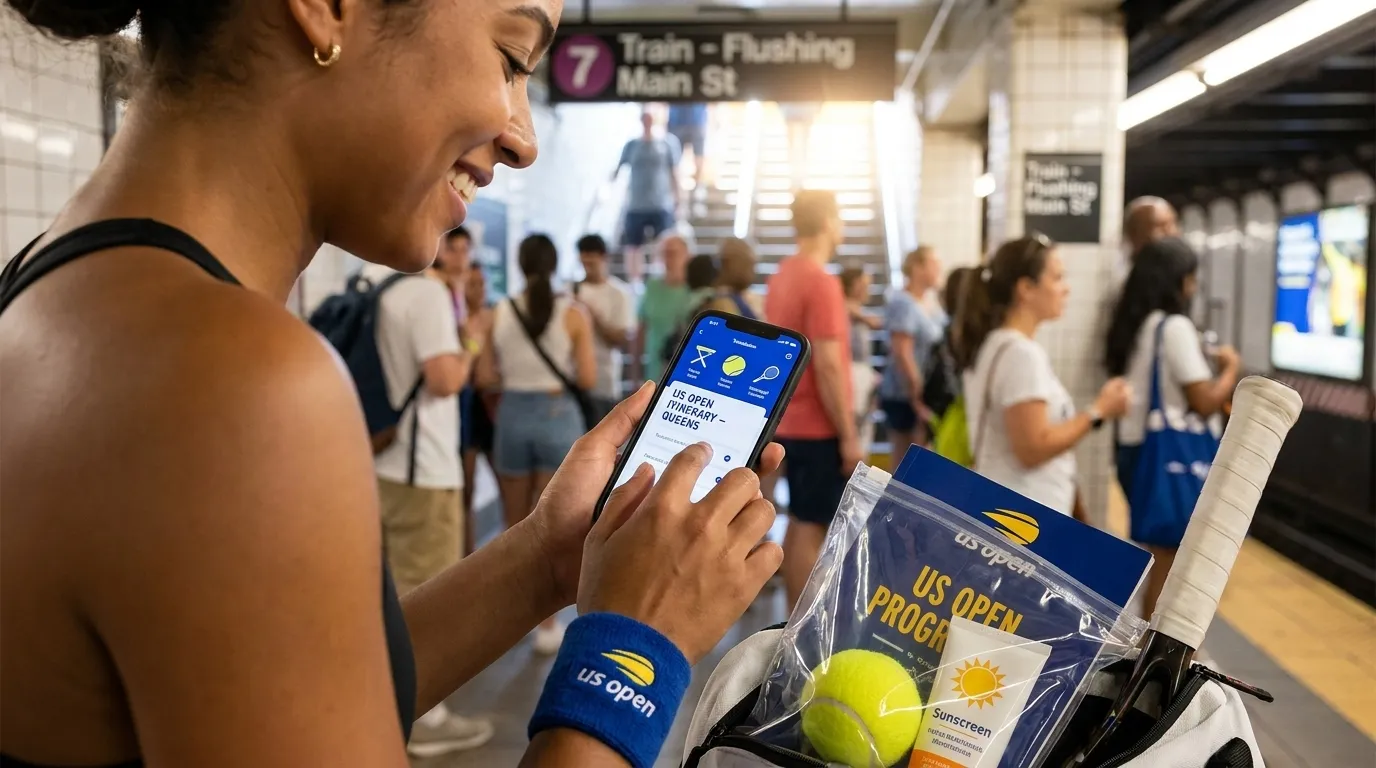
Phones, watches, tablets, and earbuds can make a fan’s US Open day easier, especially for checking scores, saving tickets where supported, navigating transit, coordinating with friends, and monitoring weather. Still, device features and software availability vary by model, carrier, operating system, region, and app version. Samsung features, in particular, can differ by device and software, so it is better to test the functions you plan to use before you leave rather than assuming every phone supports the same shortcuts.
Analytics-minded fans should also think about privacy and battery life. If you use score apps, location services, transit tools, or shared calendars, review permissions and download only what you actually need. Bring a realistic battery plan that complies with the current venue rules, because heavy camera use, weak connectivity, heat, and constant refreshing can drain devices quickly. Connectivity inside and around a large event can be uneven, so save essential information offline where possible and avoid blocking aisles, entrances, or sightlines while checking your screen.
Venue etiquette is part of good planning. Follow posted instructions and staff guidance, silence devices during play, and be careful with photography or video if it could disturb players or nearby fans. Before packing, recheck the official prohibited-items page rather than relying on memory from a previous year.
Travel, Food, and Neighborhood Flexibility
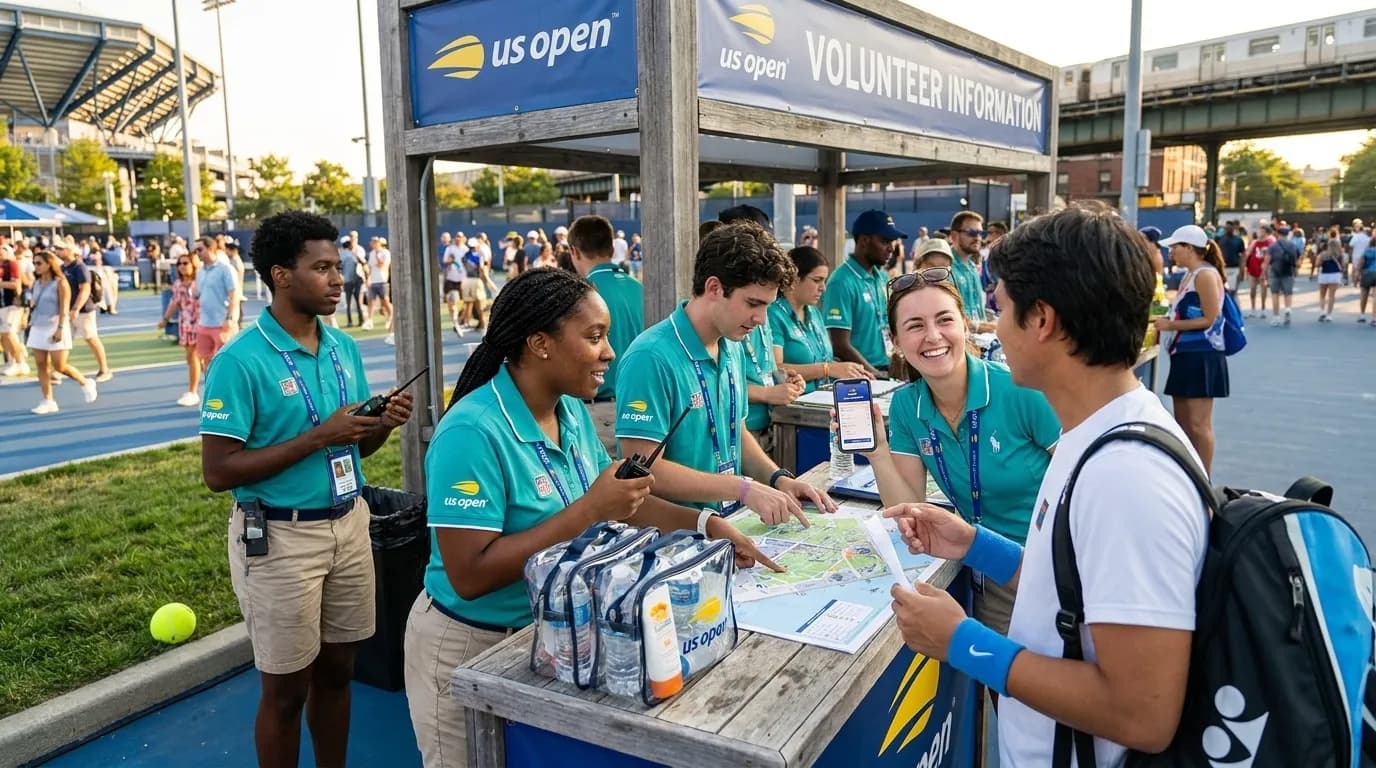
If your deep-run watch list turns into an in-person trip, keep the travel layer practical. The official transportation directions should be your starting point for getting to the venue, and they are worth rechecking close to the event because service conditions and local advisories can change. If you are flying, build backup time into your plan where you can. That is practical risk management, not a statement about airline legal rights, refunds, or compensation, which depend on specific rules and circumstances.
Food planning deserves the same flexibility. On-site options, nearby restaurants, inventories, and hours can change, and a long match can shift when you are free to eat. If you are interested in dumplings or other neighborhood food around Queens, keep the plan neighborhood-led rather than anchored to one assumed stop. Check current hours, menus, and transit timing before committing, and have a simple backup if a place is full, closed, or inconvenient after a late finish.
The same caution applies to merchandise, services, lockers, gates, and weather preparation. A fan day works better when the important choices are verified late and the nonessential choices remain flexible. That mindset mirrors good tennis analysis: useful preparation, no false certainty.
Practical Notes
- Build a pre-draw watch list using recent hard-court form, serve protection, return pressure, and quality of opponents.
- After the draw appears, downgrade or upgrade candidates based on matchup fit, likely early-round difficulty, and possible fatigue.
- Check the official US Open event schedule for the current calendar and daily details before making plans.
- Use the official A-to-Z guide, transportation directions, and prohibited-items page close to your visit, not just weeks ahead.
- Test any phone, watch, or app features you plan to rely on; availability varies, including across Samsung models and software versions.
- Carry a flexible travel and food plan, with extra time where possible and backups that do not depend on one restaurant, route, or service.
- Keep predictions humble. A deep run is hinted at by overlapping signals, but it is decided by matches, health, conditions, and the draw.
Tags: #USOpen2026 #Tennis #NewYork #Queens #FlushingMeadows #KarpoFinds #Karpo #TennisAnalytics #USOpenDeepRuns #DataClues
Sources consulted: usopen.org — Official reference · usopen.org — Official reference · usopen.org — Official reference · usopen.org — Official reference
All trademarks are the property of their respective owners.
Ask Karpo first
Ask Karpo which serve, return, fitness, and draw clues matter most when evaluating US Open outsiders.