 Kings Theatre in Flatbush: A Restored 1929 Movie Palace
Hidden Gems & Odd Finds
Danube Woolly Mammoth Bones: NYC Ice Age Museum Finds
Recent Danube discoveries spark curiosity about Ice Age fossils—here's how to explore mammoth history at NYC museums without expecting the European finds on display.
News of danube woolly mammoth bones discovered in European riverbeds has reignited public fascination with Ice Age megafauna, sending curious New Yorkers searching for local ways to connect with paleontology. While those specific Danube finds remain overseas in research facilities, the search trend offers a perfect excuse to explore what NYC actually does offer: world-class natural history collections, paleontology research institutions, and educational resources that contextualize mammoth extinction and Ice Age ecosystems. This guide helps solo visitors and low-key date companions plan a weekend museum afternoon focused on Ice Age discoveries, with realistic expectations about what you'll see, what requires advance verification, and how to structure a satisfying visit when the headline-grabbing fossils aren't physically here. The goal is intellectual curiosity met with practical planning—understanding which museums hold relevant specimens, how to confirm current exhibitions before committing to transit, and what backup options exist when specific displays rotate or close unexpectedly.
Text Karpo your starting neighborhood, museum time window, and whether you want fossils, quieter galleries, or a nearby coffee stop for a current NYC museum route with one backup.
Why European Fossil News Sends You to American Museum Websites
The disconnect between trending fossil discoveries and local museum availability is a common source of visitor frustration. When Danube excavation teams announce new woolly mammoth bone finds, search volume spikes globally, but the physical specimens remain with the research institutions conducting the digs—typically universities and national museums in Austria, Germany, or surrounding nations. What NYC museums offer instead is comparative context: North American mammoth species, Ice Age climate data, extinction theories, and the scientific methods paleontologists use to interpret finds like those making headlines. The American Museum of Natural History maintains paleontology research divisions and permanent halls that address these topics, though specific exhibition content changes over time and requires verification through their official website or visitor services before you travel.
This matters for planning because your satisfaction depends on adjusting expectations from "I'll see the Danube bones" to "I'll understand what those bones tell us about Ice Age ecosystems and how they compare to mammoths that lived in North America." The intellectual payoff is substantial if you approach the visit as contextual learning rather than expecting a direct display of trending news items. Check the museum's current exhibition listings and permanent hall descriptions online, and if paleontology content isn't clearly featured, consider calling visitor services to ask specifically about Ice Age mammal displays before purchasing tickets. This verification step takes ten minutes but prevents a wasted afternoon if halls are closed for renovation or content has rotated.
Transit Logistics and the Pre-Visit Verification Checklist
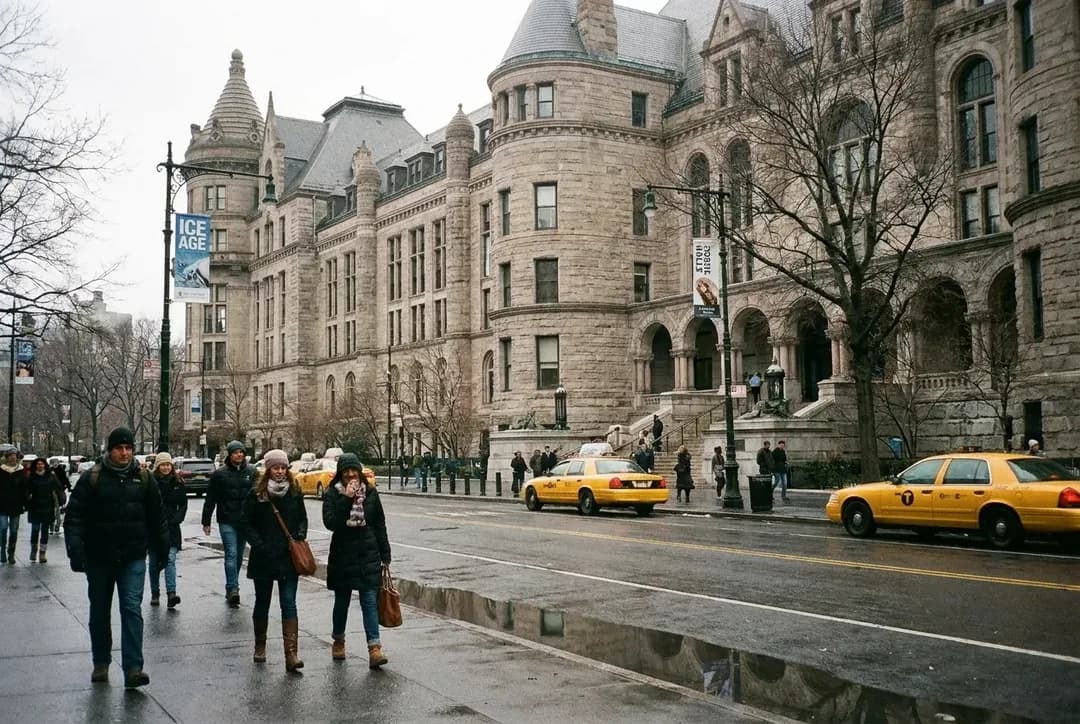
The MTA system connects most museum destinations, but weekend service changes are frequent enough to warrant checking planned work announcements before finalizing your route. The MTA website provides service alerts and planned changes—particularly relevant for summer and weekend travel when maintenance work affects major lines. If your target museum sits near stations served by lines undergoing work, build extra travel time into your schedule or identify alternate subway routes. Elevator and escalator status matters if you're carrying bags or prefer accessible routes, and this information is available through MTA's real-time status tools. The practical reality is that a museum visit requiring two transfers on a weekend with service diversions can add thirty minutes each way compared to weekday travel.
Before leaving home, complete a three-point verification: confirm the museum's current hours and any advance ticket requirements through their official website, check MTA service status for your planned route, and identify one backup museum or related destination in case your first choice has unexpected closures or disappointing Ice Age content. This backup might be a natural history library, a university paleontology department with public hours, or a different museum with geological exhibits. The verification habit separates satisfying solo outings from frustrating wild goose chases, especially when you're chasing a trending topic that may not have direct local representation.
What Ice Age Exhibits Actually Contain (And What They Don't)
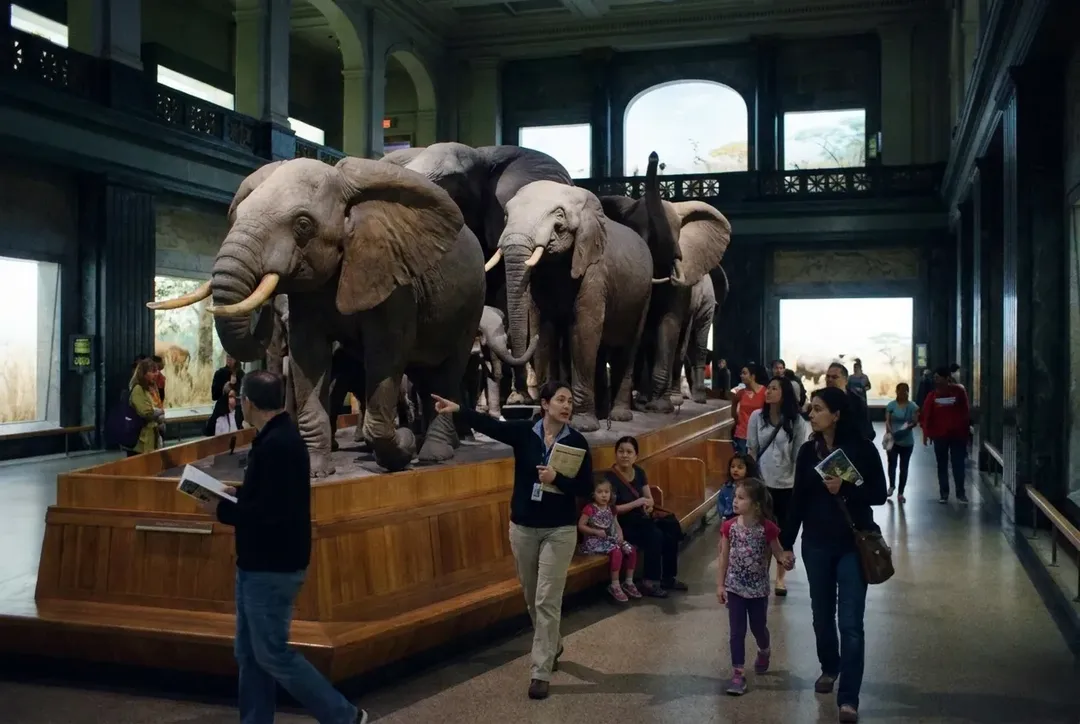
Permanent paleontology halls typically feature a mix of fossil casts, original specimens, interpretive graphics, and ecosystem dioramas rather than room after room of complete skeletons. A realistic Ice Age mammal section might include a mammoth molar, mastodon bones, saber-toothed cat skulls, and comparative displays showing size relationships between extinct and modern species. The educational value lies in understanding extinction patterns, climate change impacts, and human interaction with megafauna—not in seeing every bone from every species. Many visitors overestimate the visual drama of fossil displays and underestimate the intellectual satisfaction of well-curated interpretive content that explains why certain species survived the Pleistocene-Holocene transition while mammoths did not.
The absence of the specific Danube woolly mammoth bones doesn't diminish the experience if you engage with what is present: comparative anatomy, extinction debates, and the scientific process of interpreting fragmentary remains. Museums with strong paleontology programs often feature research stories—how scientists determine age, diet, and cause of death from bone chemistry and wear patterns. These methodological explanations help you understand what researchers are learning from the Danube finds even without seeing them firsthand. If the museum offers docent tours or audio guides covering Ice Age content, these interpretive layers often provide more lasting value than self-guided wandering, especially for solo visitors who benefit from structured narrative.
The Solo Visitor's Pacing Strategy and Engagement Options
Museum fatigue sets in faster than most visitors anticipate, particularly in large natural history institutions where permanent halls span multiple floors. A focused two-hour visit targeting Ice Age and paleontology content typically yields better retention and satisfaction than a four-hour marathon attempting comprehensive coverage. Identify your priority halls before entering, visit those first while energy and attention are highest, then decide whether to explore additional areas or conclude the visit. Solo visitors have the advantage of flexible pacing—you can spend twenty minutes reading every label in a mammoth display without negotiating companion preferences, or move quickly through less interesting sections without guilt.
Engagement options beyond passive viewing include sketching specimens in a notebook, photographing label text for later research (where permitted), or using the museum's app or website to access deeper content about specific objects. Some visitors find that setting a personal research question—"How did mammoth extinction timing differ between continents?" or "What evidence links human hunting to megafauna decline?"—creates a more focused and memorable visit than general browsing. For low-key dates, this approach works if both parties enjoy intellectual exploration without forced conversation; museums provide natural discussion prompts while allowing comfortable silence during individual observation.
When the Headline Discovery Isn't Here: Reframing Success
The gap between trending news and local availability requires a mental reframe from consumption ("I want to see the thing everyone's talking about") to education ("I want to understand the context that makes that thing significant"). The Danube woolly mammoth bones matter scientifically because they add data points to our understanding of mammoth population distribution, diet in specific regions, and extinction timing—all topics NYC museums can illuminate through their existing collections and interpretive content. Your visit succeeds when you leave with a clearer understanding of Ice Age ecosystems, extinction mechanisms, and paleontological methods, even if you haven't seen the specific specimens that triggered your initial search.
This reframing also opens backup possibilities: if museum paleontology content disappoints, pivot to related geological exhibits covering glaciation and climate, or visit museum libraries and research reading rooms where scientific papers about recent discoveries (including Danube finds) may be accessible. University libraries with public access hours sometimes maintain paleontology collections or host visiting researcher talks that provide current scientific perspectives. The curious, intellectually restless visitor finds satisfaction not in checking off a specific artifact but in following the thread of inquiry wherever local resources lead—a more resilient approach when trending topics outpace physical exhibition schedules.
Tags: #NYCmuseums #paleontology #IceAgeexhibits #woollymammoths #naturalhistory #solomuseumvisits #weekendactivities #educationaltourism #fossilexhibits #museumplanning
Sources consulted: Source 1: amnh.org · Source 2: amnh.org · Source 3: amnh.org · Source 4: new.mta.info
All trademarks are the property of their respective owners.
Ask Karpo first
Ask Karpo to turn this NYC idea into a current plan for your date, budget, companion, transit preference, and energy level. Karpo can narrow the route and flag what to verify before you go.
Ask Karpo for more information.
Keep reading
- Kings Theatre in Flatbush: A Restored 1929 Movie Palace
 Chambers Street Wines: Manhattan's Natural Wine Pioneer
 Mediterranean Food Near Me in NoMad: Ilili's Crispy Brussels Sprouts