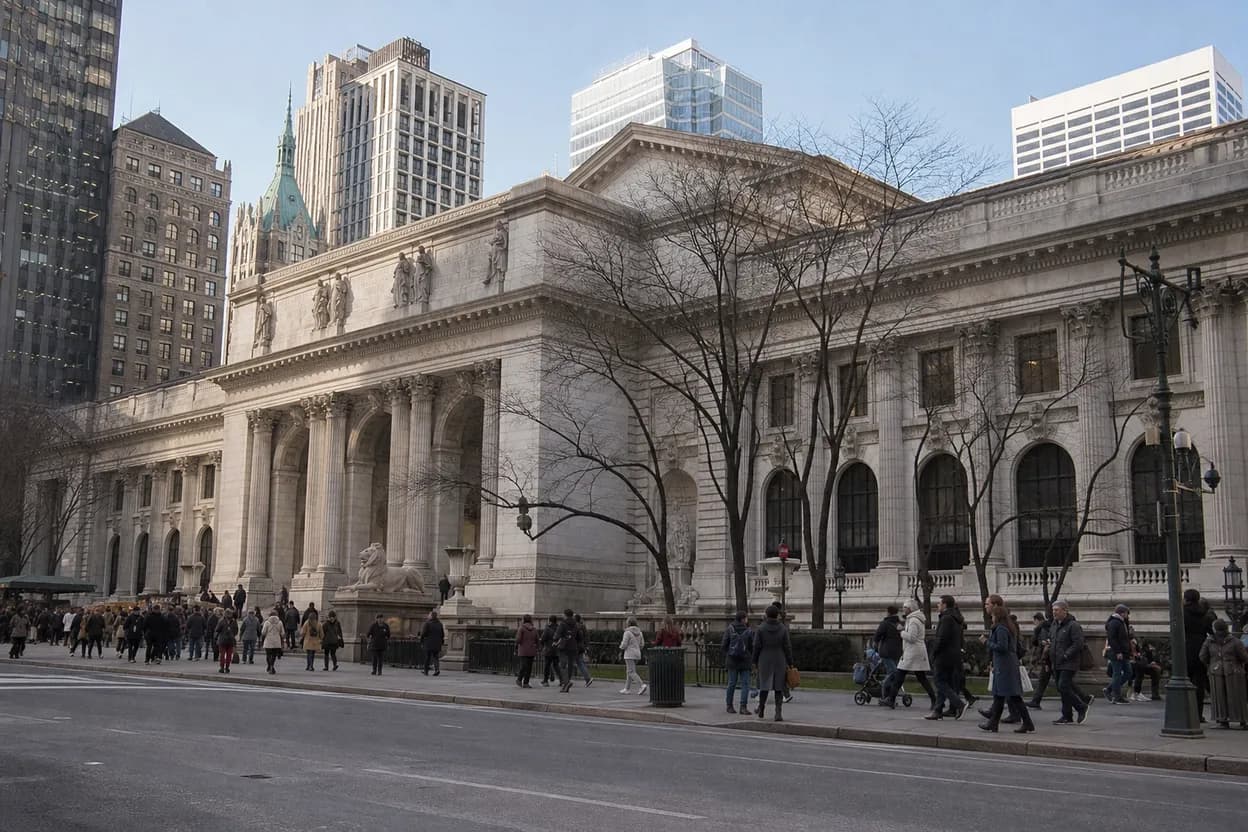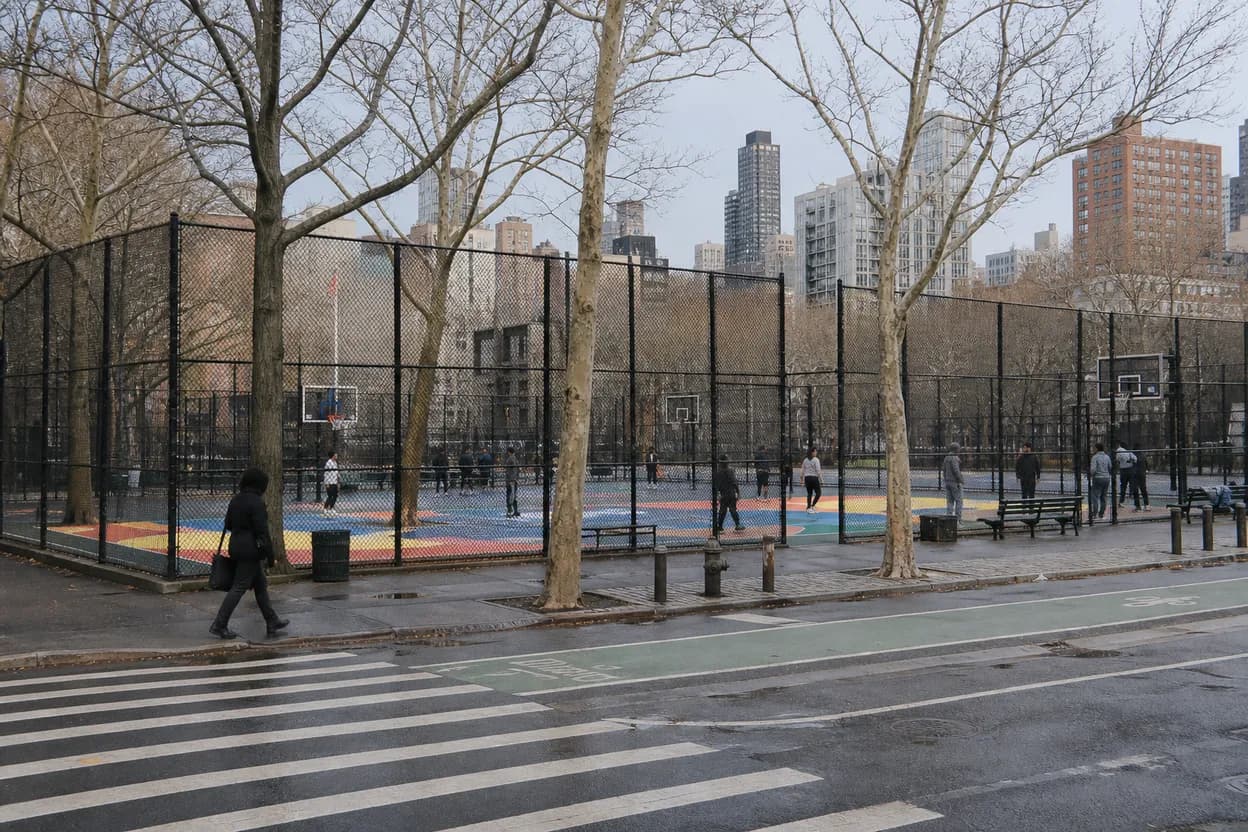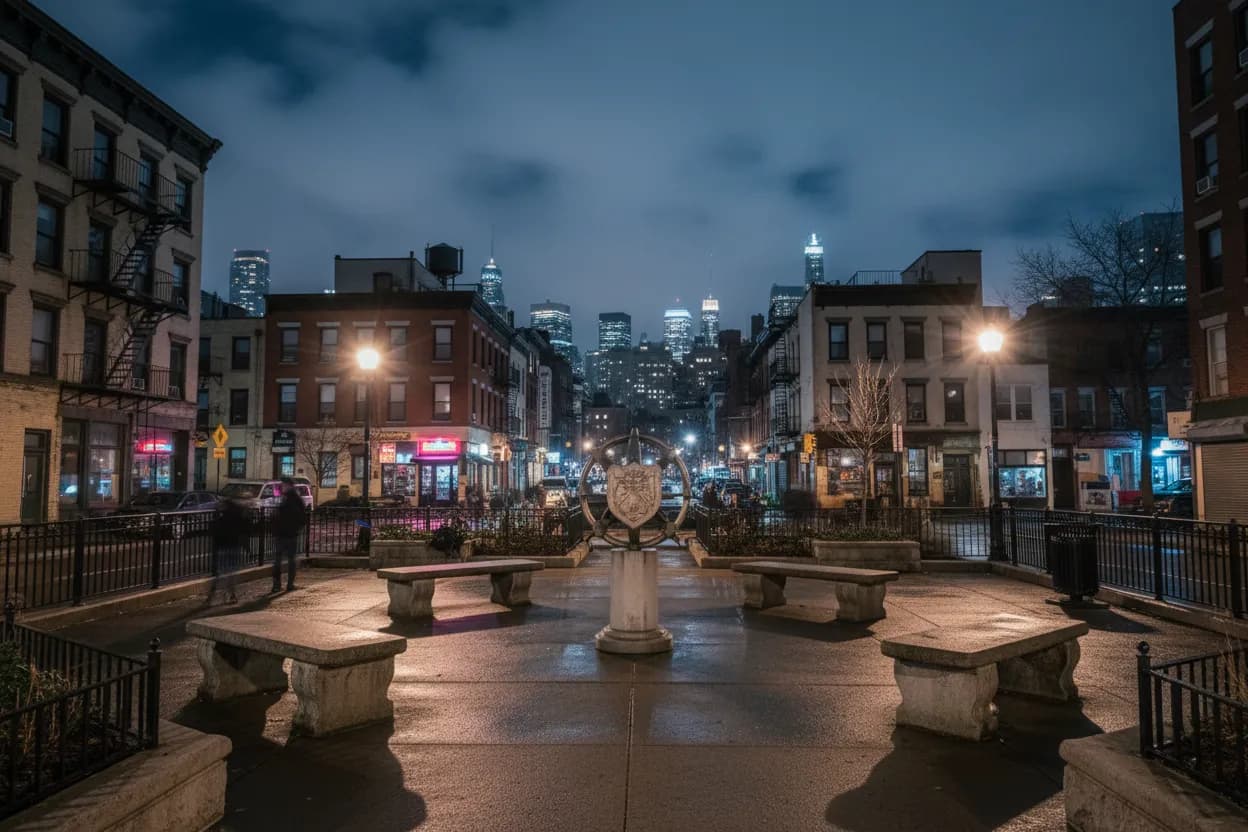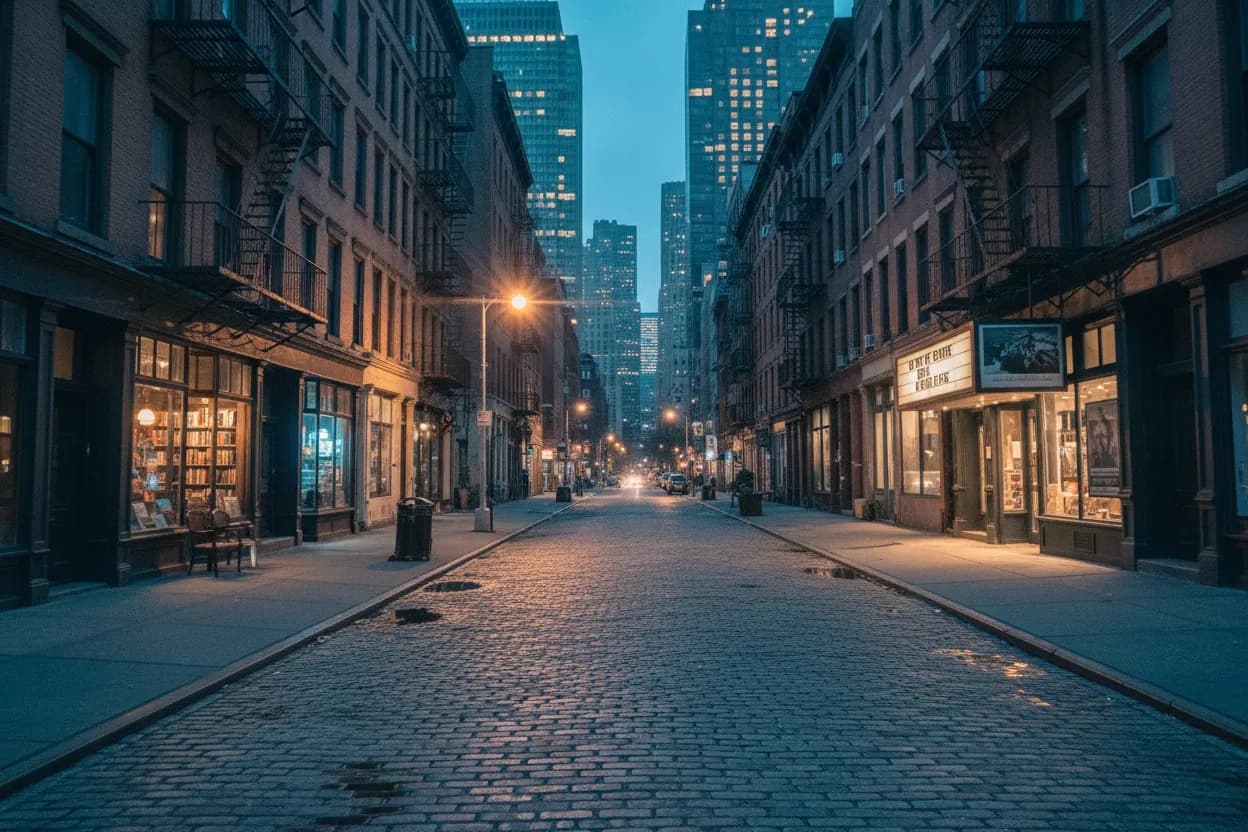
The phrase “dalton and sako” is a useful reminder of how fast a search can point people toward New York without proving anything on the ground. Treat it as a prompt, not a promise. NYC is full of public culture, small archives, budget-friendly activities, museums, galleries, walking tours, TV tapings, neighborhood food corridors, and borough-specific histories, but the smart move is to verify before you move. This route keeps the curiosity and removes the speculation: no claimed appearance, no affiliation, no private access, no guaranteed event. Start with official city tourism pages, choose one odd-find destination with a public-facing purpose, check the venue’s own entry details, then pair it with a calmer second stop in the same general part of the city.
Want a tighter hidden-gem plan before you spend a subway fare or lose an afternoon? Text Karpo with your borough, time window, mobility needs, and whether you prefer archives, food, art, or quiet streets.

Use the headline to open a more curious detour
A headline such as “dalton and sako: A Quieter NYC Culture Route” should not send readers chasing an unverified sighting. Use it as a doorway into a better city habit: search, pause, verify, then go somewhere public and worthwhile. NYC Tourism describes the city as a place with constant energy and an endless supply of sights, attractions, and activities, but that does not mean every buzz phrase maps to a real local happening.
Your first step is to decide what kind of odd find you actually want. NYC Tourism’s public categories include museums and galleries, tours and attractions, events and festivals, shopping, sports, nightlife, budget activities, and maps and guides. For this route, stay on the quieter side: a small museum, a public archive-style institution, a neighborhood cultural center, a walking-tour stop, or a budget culture activity.
Time the outing like a skeptic. Avoid building the day around one fragile assumption. Pick a primary stop, a nearby second option, and a food or rest break that can absorb delays. If an official page has changed since you last looked, the plan should still work.
Choose a place with a real point of view
The best hidden gems are not merely obscure; they have a reason to exist. NYC Tourism points readers toward borough culture across Manhattan, Brooklyn, Queens, the Bronx, and Staten Island, and it frames each borough as more than a backdrop. Manhattan carries Broadway, Central Park, and a highly visited skyline. Brooklyn has nightlife and boundary-pushing cuisine. Queens offers global food and beach reach. The Bronx is tied to hip-hop history, baseball history, and Little Italy. Staten Island combines historic attractions, beach views, and global dining options by ferry.
For an executable city route, choose one borough first instead of trying to conquer three. If you are starting near Times Square, NYC Tourism’s “From Times Square To The World” framing is useful because it highlights subway-accessible stories from Times Square to every borough. That does not mean every stop is effortless; it means you should check transit conditions before leaving and keep your route compact once you arrive.
A strong first stop might be a museum or gallery, a cultural institution, a landmark-focused walking route, or a public-facing archive. The point is to choose something with stated public access and a documented mission, not a rumor attached to dalton and sako.
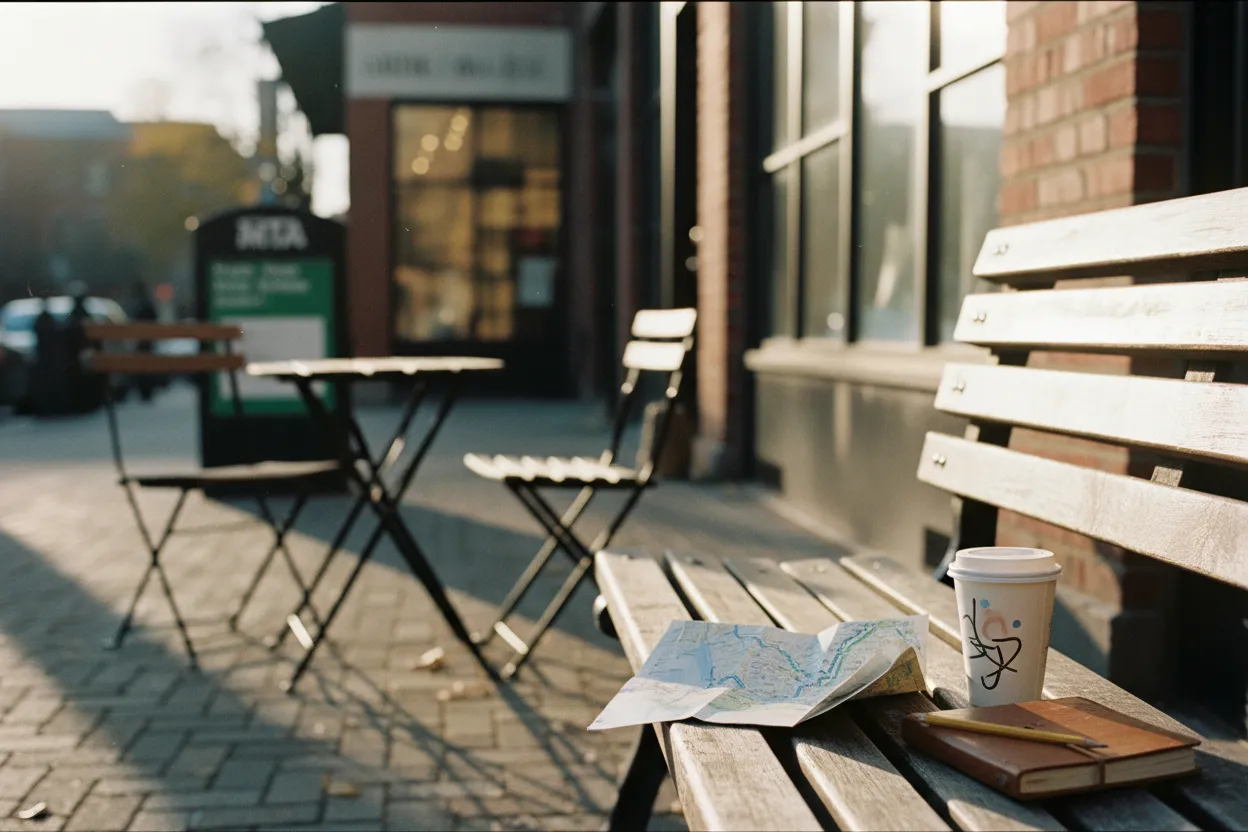
Look for materials archives or hands-on details
Odd-find culture often lives in the details: photographs, neighborhood records, oral histories, community spaces, unusual collections, old storefronts, and institutions that preserve stories before they become mainstream. NYC Tourism highlights “A Look Inside The Lesbian Herstory Archives,” describing a 50-year-old Brooklyn institution working to preserve lesbian history. That is the kind of public cultural clue worth following, provided you verify current access directly before going.
You can also build around arts institutions and cultural centers. NYC Tourism’s Harlem itinerary points to 10 arts institutions and cultural centers in Uptown Manhattan’s historic neighborhood, while its Prospect Heights and Crown Heights coverage connects Prospect Park, Brooklyn Botanic Garden, and museums into a culture-filled borough route. Use those official city guides as orientation, then check each venue’s own page for today’s entry process.
If you want something more interactive, NYC Tourism also notes walking tours across the city and TV show tapings, with its TV taping guide described as a way to find free tickets. Do not assume same-day seats, recording schedules, or admission rules. Treat anything ticketed as provisional until the official ticket or venue page confirms it.
Pair the odd stop with a calmer second option
A good NYC hidden-gem route has a pressure valve. After your primary odd stop, choose a second option that is easier to abandon or shorten: a nearby museum district walk, a public landmark exterior, a bookstore or shop corridor, a budget activity, or a neighborhood meal. NYC Tourism’s budget page emphasizes attractions, events, and activities in the city for little to no expense, which is exactly the category to scan when you need flexibility.
For timing, think in blocks rather than promises. Give the first stop enough room for entry checks, bag policies, photography rules, and unexpected lines. Then leave a middle block for walking, transit, or food. NYC Tourism’s current citywide dining promotion, NYC Restaurant Week Summer 2026, runs from July 20 to August 16 and includes two-course lunches and three-course dinners across all five boroughs starting at $30, but participating restaurants and availability should be verified before you plan around it.
Crowd risk rises around famous areas, major theater corridors, high-profile museums, and anything promoted as limited. Quieter does not always mean empty. If your first choice is crowded, closed, or too complicated, switch to the backup without treating the day as failed. In NYC, a verified second choice beats an overhyped first one.
Respect access photography and privacy rules
Verification is not only about whether a place is open. It is about how to behave once you arrive. Small archives, cultural centers, community institutions, live tapings, galleries, and neighborhood businesses may have rules about photography, bags, appointments, food, filming, or quiet areas. The official extracts do not provide those policies, so the responsible move is simple: check the venue’s own page and follow posted instructions on site.
Do not ask staff to confirm rumors, private visits, celebrity connections, or anything implied by a search trend. If your interest began with dalton and sako, keep that as your private search path, not a demand placed on a public institution. New York culture spaces are not props; many are working repositories, classrooms, performance sites, or neighborhood anchors.
Privacy also applies on sidewalks and transit. Photograph architecture, signs, exhibitions where allowed, and public-facing details. Avoid turning strangers, staff, or community members into content without consent. The quieter the place, the more your etiquette matters.
Verify current entry details
Before you leave, run a five-minute check. Open the official NYC Tourism listing or guide that led you there, then open the destination’s own website or official social channel if available. Confirm address, hours, entry method, reservation needs, ticket rules, accessibility notes, photography limits, and whether the place has any same-day closure notice. If transit service affects your route, check the official transit source you rely on before departure.
Build the city plan like this: choose one borough; choose one primary public culture stop; choose one nearby backup; check access; check transit; set a latest-arrival time; and decide in advance when to pivot. If you are using Times Square as a launch point, keep in mind NYC Tourism’s framing of subway-accessible stories from Times Square to every borough, then verify the actual route on the day you travel.
The hidden-gems category rewards patience. NYC has enough museums, galleries, budget activities, walking tours, cultural institutions, food neighborhoods, and borough histories that you do not need to force a shaky claim. Let the timely phrase open the door, but let official information decide where you actually go.
Tags: #AskKarpo #BeforeYouGo #NYCHiddenGems #OddFindsNYC #NYCCulture #QuietNYC #PublicAccess #NYCMuseums #NYCGalleries #BrooklynCulture #QueensNYC #ManhattanNYC #BronxCulture #StatenIslandNYC
Sources consulted: nyctourism.com · new.mta.info · nycgovparks.org
All trademarks are the property of their respective owners.
Ask Karpo first
Ask Karpo first if a buzz phrase has you tempted to rush across town. Send the borough, time available, budget comfort, access needs, and your preferred mood. Karpo can help turn the search into a verified public route with a realistic backup.