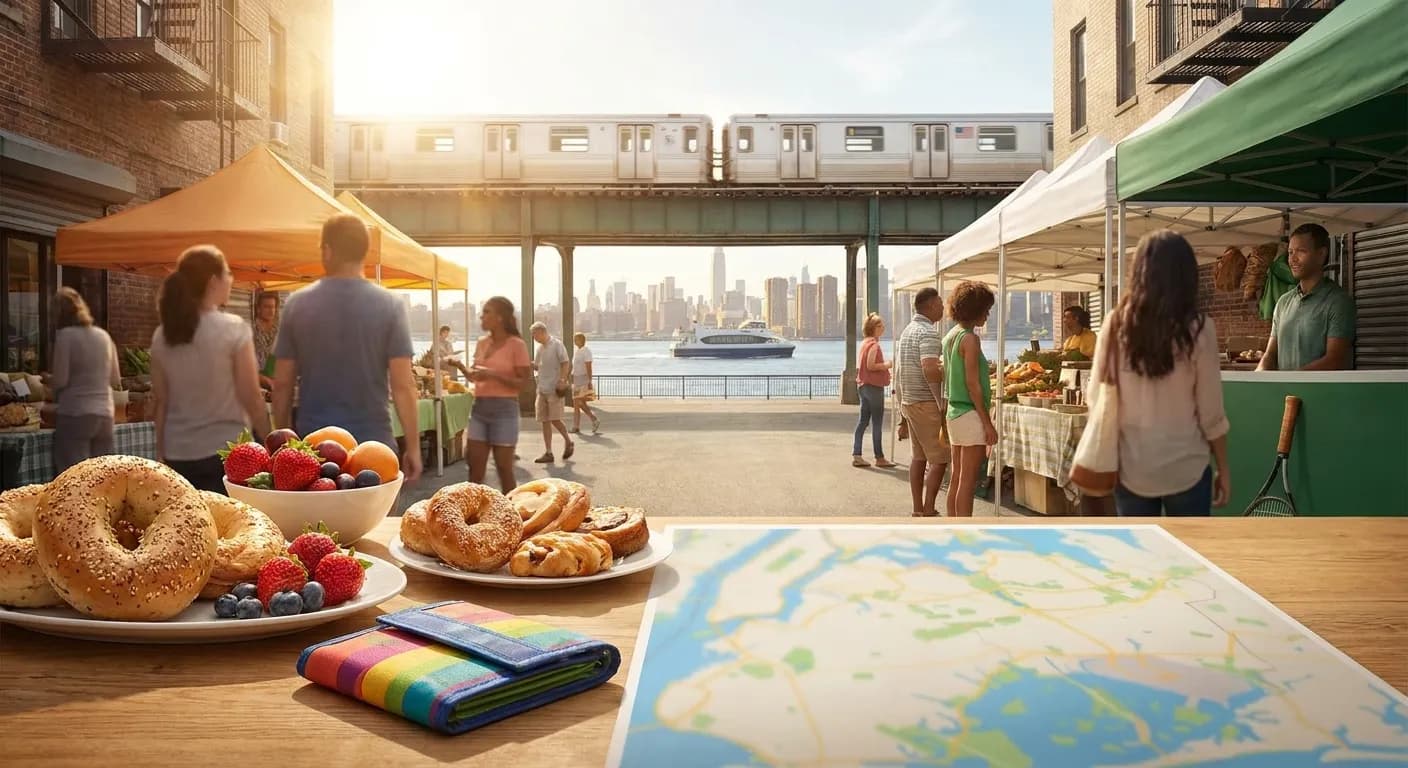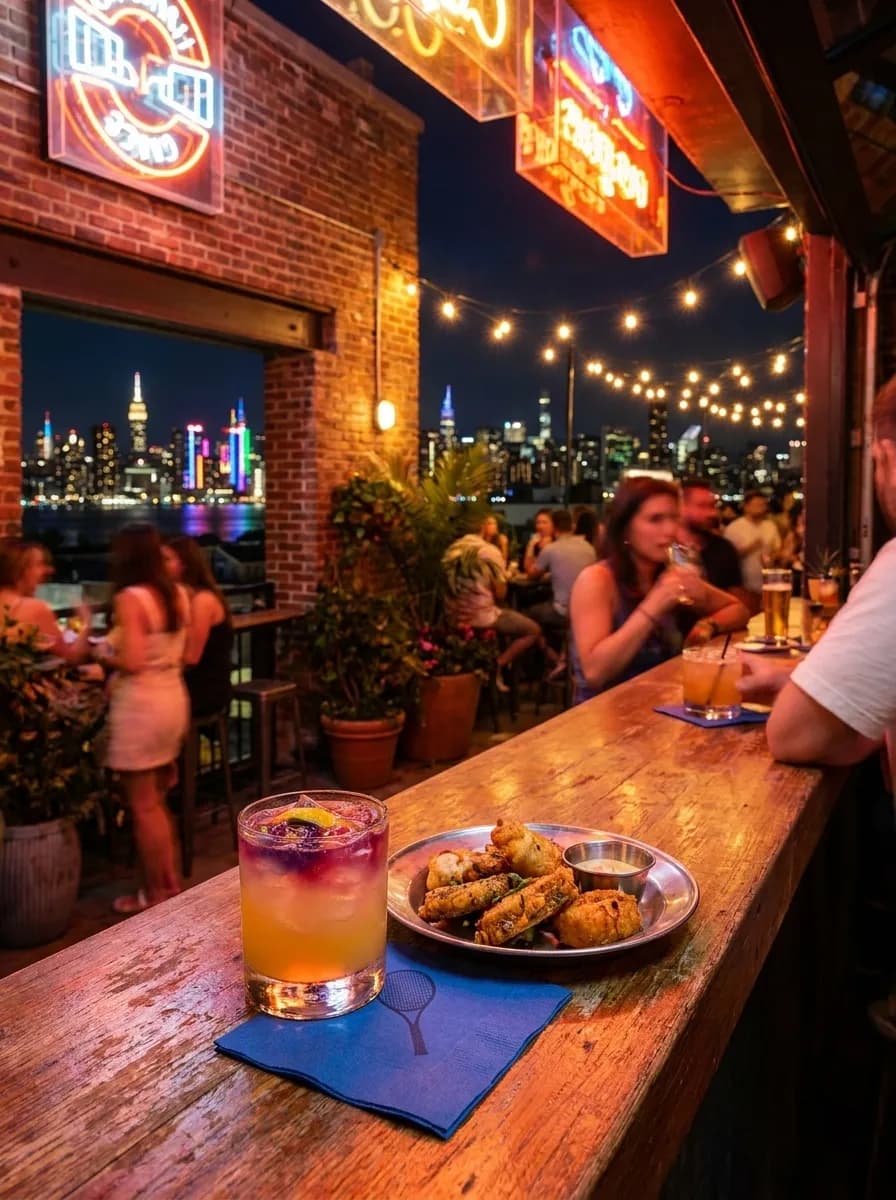
When evening sessions at the 2026 US Open stretch past 11 p.m.—and they often do during the tournament's second week—you'll spill out of the Billie Jean King National Tennis Center into a Flushing Meadows night that's still humming with possibility. If you've spent the last few hours watching baseline rallies under the lights, you might be craving a different rhythm: something mellower, more introspective, maybe a little dreamy. That's where d4vd's bedroom pop aesthetic becomes a useful lens for planning your post-match music crawl through Queens. The artist's lo-fi, reverb-soaked sound—think late-night drives, layered vocals, and beats that feel like they were mixed in a small room—maps surprisingly well onto the borough's network of indie venues and late-hour cafés where local musicians and DJs keep the vibe alive long after the tennis crowds disperse.
Text Karpo with your US Open session time and Queens starting point, and we’ll turn this music crawl idea into a practical local plan.

Why Queens Works for a Post-Tennis Music Crawl
The US Open sits in the geographic heart of Queens, which means you're already positioned near some of New York City's most eclectic music neighborhoods. Unlike Manhattan, where late-night venues cluster in predictable pockets, Queens spreads its music scene across multiple corridors: the 7 train line threading through Jackson Heights and Woodside, the Astoria strip along 30th Avenue, the Long Island City waterfront where warehouse spaces host DJ nights, and the Flushing blocks where karaoke lounges and live-band bars cater to multilingual crowds. The borough's layout rewards curiosity rather than rigid itineraries, and that flexibility is especially valuable when you're working backward from an unpredictable tennis finish time. A five-set thriller might end near midnight; a straight-sets match could wrap earlier. Either way, you'll want options that don't require a long subway trek or a fixed reservation.
Mapping the d4vd Aesthetic to Queens Venues
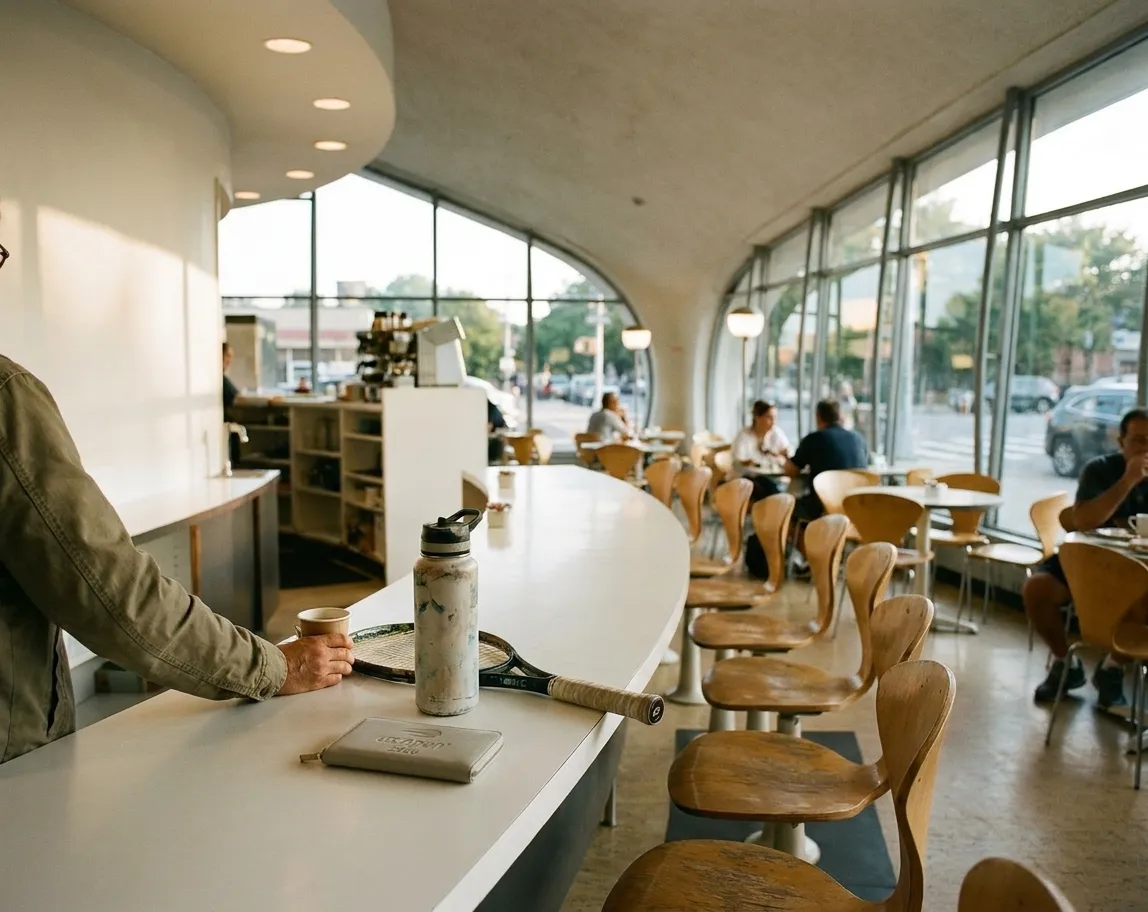
Using d4vd's sound as a planning filter doesn't mean you're looking for tribute acts or specific playlists. Instead, think about the qualities that define bedroom pop: intimate spaces, DIY production values, genre-blurring setlists, and a certain late-night introspection. In Queens, that translates to smaller venues where the stage is close enough to see the pedal board, and cafés where local artists test new material in front of a small crowd. Astoria has historically supported this kind of scene, with storefronts that toggle between coffee service by day and live music by night. Long Island City's converted industrial spaces often book electronic and experimental acts that share d4vd's love of layered textures. Even Flushing, better known for its food scene, has pockets where live music happens in unexpected contexts—upstairs lounges, basement clubs, and community centers that rent out performance space. Verify current schedules, hours, and access before you go.
Timing Your Crawl Around US Open Sessions
The official US Open schedule lists evening sessions, but actual finish times depend on match length, weather delays, and how many matches are programmed that night. If you're planning a music crawl, assume you'll leave the tennis center late in the evening, possibly near midnight. That window shapes your venue choices. Some Queens music spots run traditional bar hours and stop booking live acts earlier in the evening; others are just getting started. Venues that host listening sessions might wrap up early on weeknights but stay open later on Fridays and Saturdays. DJ nights at warehouse venues often don't hit their stride until after midnight. Check the day of the week, cross-reference with the US Open's published session schedule on usopen.org, and build in buffer time for subway transfers or ride-share pickups from the tennis center.
Transit Logistics: 7 Train and Beyond
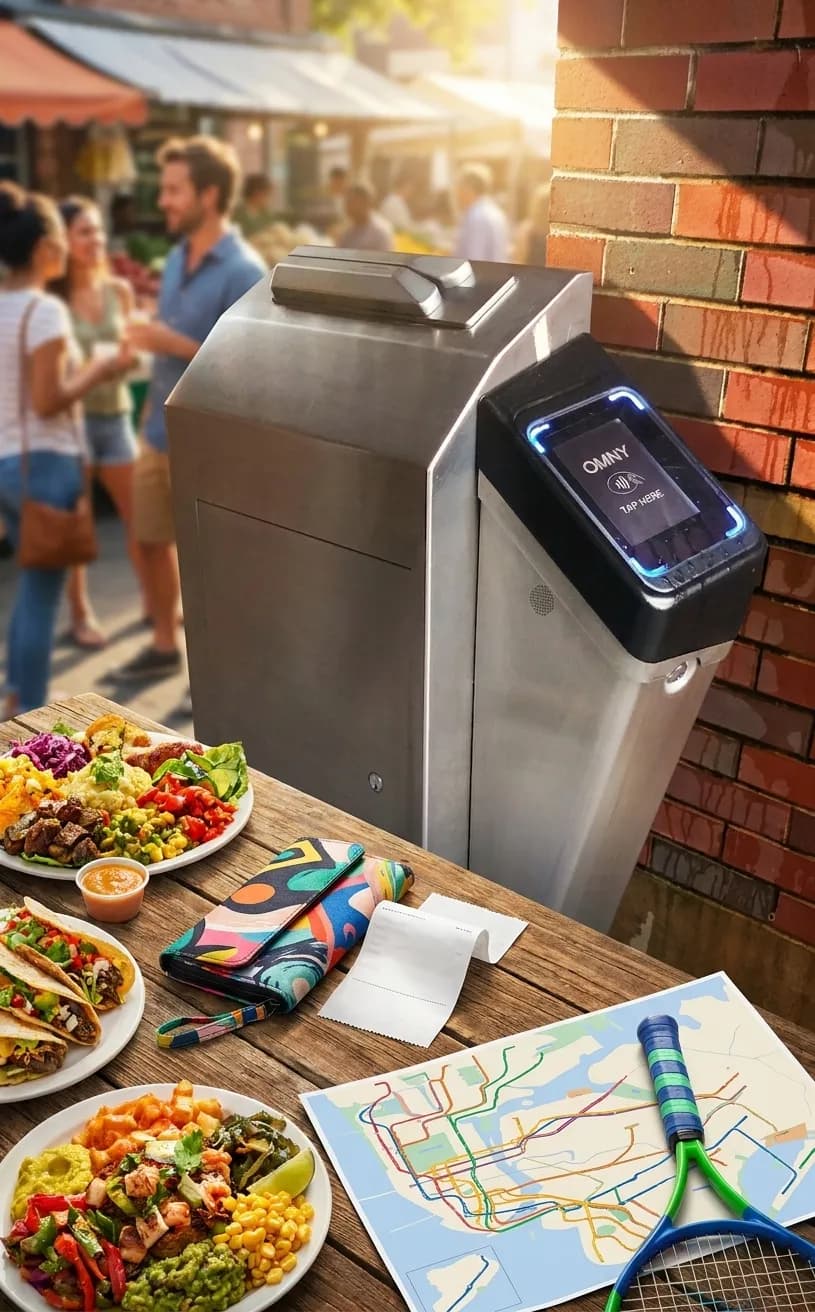
The 7 train is the most direct public transit link from the US Open, with the Mets–Willets Point station a short walk from the tennis center. That line runs northwest through Corona, Woodside, and Jackson Heights before crossing into Long Island City and eventually Manhattan. If your music crawl targets Astoria, you'll transfer to the N or W at Queensboro Plaza. For Flushing destinations east of the tennis center, the Long Island Rail Road's Port Washington Branch stops at Flushing Main Street, though service frequency drops late in the evening. The MTA's official service status page is essential reading on the day of your visit, especially during late-night hours when planned work and weekend schedules can reroute trains. Ride-share is a practical fallback if you're moving between neighborhoods that don't share a direct subway line, but expect higher fares immediately after popular matches.
What to Carry and What to Leave Behind
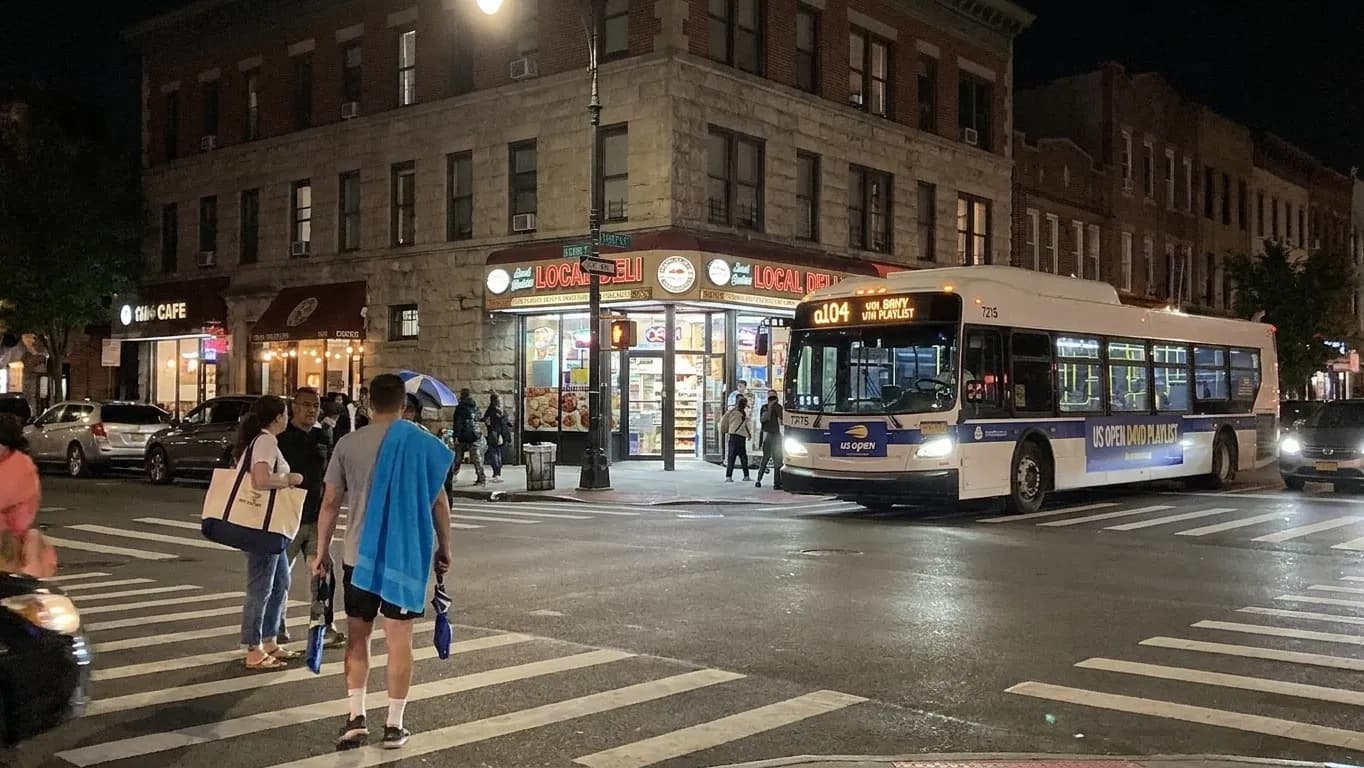
The US Open's prohibited-items list is strict: no large bags, no outside food or drink, no professional cameras. That's fine for a tennis session, but it complicates a music crawl if you're carrying tennis souvenirs, extra layers, or a water bottle. Most Queens music venues are casual about bag checks, but smaller spaces have limited coat-check capacity, and you don't want to be the person holding a large tote bag in a crowded basement show. Consider planning a quick stop at your hotel or a friend's place between the match and the first music venue if you're carrying bulky items. Comfortable shoes are non-negotiable—you've already spent hours on your feet at the tennis, and a crawl adds more walking and standing.
Practical Notes for a Queens Music Crawl
- Recheck venue hours and event calendars the day of your visit; many Queens music spots post weekly schedules on social media rather than maintaining static websites.
- Bring cash for cover charges, drink minimums, and purchases; not every small venue accepts cards, and ATMs can be sparse in residential blocks.
- If you're visiting multiple neighborhoods, prioritize one or two anchor stops rather than trying to hit several venues in a few hours; transit time adds up, especially late at night.
- Confirm MTA service status before you leave the tennis center; weekend and late-night schedules can differ significantly from weekday patterns.
- Ask venue staff for recommendations on other nearby spots; Queens music communities are tightly networked, and bartenders often know who's playing where.
- Be prepared for genre surprises; a venue that books indie rock one night might host a salsa band or a DJ set the next, and that eclecticism is part of the borough's appeal.
Building Your Own Crawl Template
The best music crawls are flexible frameworks, not rigid itineraries. Start by identifying one anchor venue or neighborhood that aligns with your taste—maybe a record shop in Astoria that hosts late-night listening sessions, or a Long Island City warehouse known for electronic acts. Use that as your first stop, then let the night unfold based on energy levels, crowd vibe, and spontaneous recommendations. Keep the US Open's official transportation directions handy so you know your fallback route to Manhattan or your hotel, and set a mental cutoff time for the last subway train or a reasonable ride-share fare. The d4vd lens is useful here because it encourages a certain open-ended curiosity: you're not chasing a specific setlist or a famous headliner, just a mood that complements the adrenaline and focus of a long tennis session with something more introspective and exploratory.
This crawl framework works best when you verify venue schedules, transit status, and neighborhood access on the day of your visit. Queens music culture thrives on spontaneity and word-of-mouth, so treat this guide as a starting point rather than a fixed plan. The borough's late-night energy shifts week to week, and the most memorable stops are often the ones you discover through a bartender's recommendation or a poster taped to a lamppost. Use the d4vd aesthetic as a filter for mood and intimacy, but stay open to the genre-blurring, multilingual, deeply local sounds that make Queens nightlife distinct from anywhere else in New York City.
Tags: #USOpen2026 #Queens #FlushingMeadows #KarpoFinds #Karpo #d4vd #NewYorkLocal #TennisTravel
Sources consulted: usopen.org — Official event schedule · usopen.org — Official visitor A-Z guide · usopen.org — Official transportation directions · usopen.org — Official prohibited-items guide · NYC Tourism — Queens · MTA — Official service status
All trademarks are the property of their respective owners.