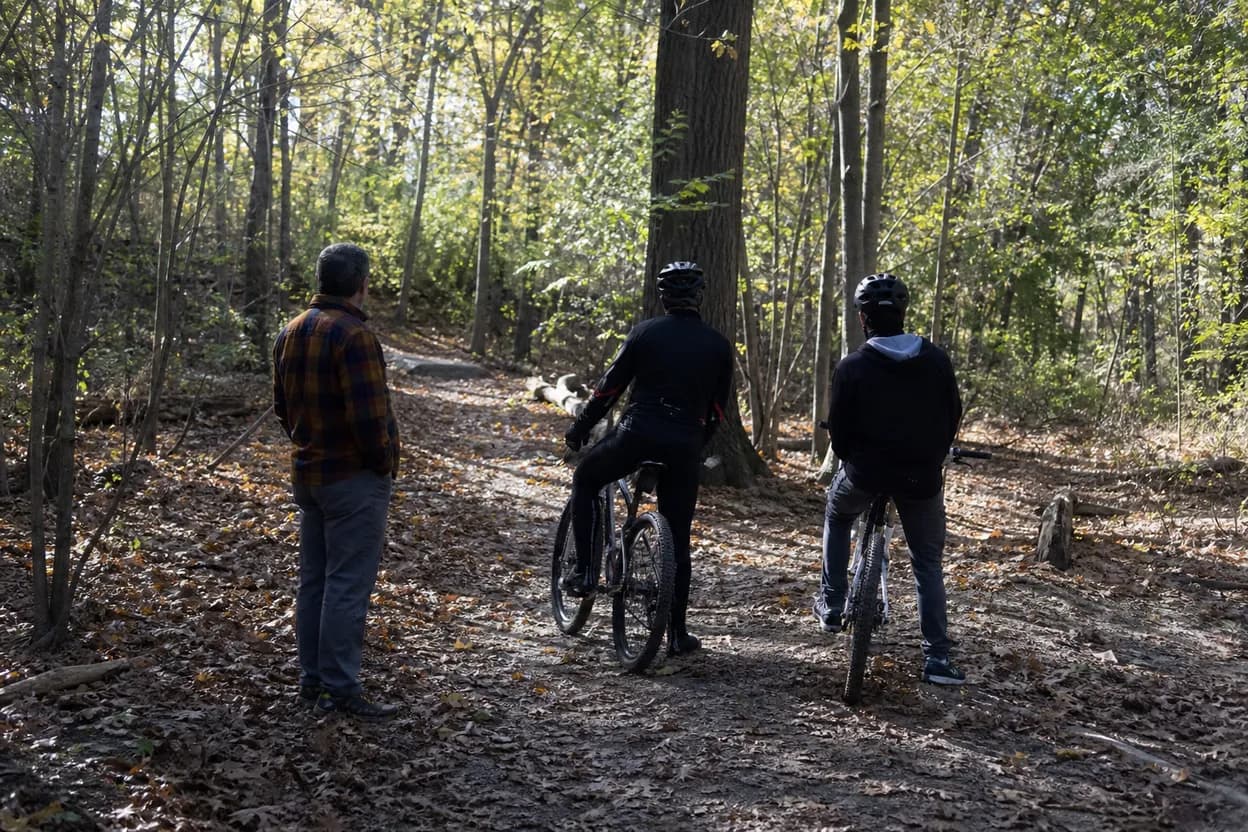
Cunningham Park is one of the rare New York City places where a bike-curious rider can try legal, signed dirt riding without leaving the five boroughs. That does not make it a casual paved-path outing. The mountain bike trails sit in the park’s northern woods in Fresh Meadows and Oakland Gardens, with two trail areas connected across the Clearview Expressway, while the Long Island Motor Parkway and Brooklyn-Queens Greenway give less technical backup options nearby. For a first-timer, the right version is a dry weekend morning, a basic mountain bike in working order, and one experienced companion who is willing to stop often.
Want a second read before you commit to the ride? Text Karpo with your bike setup, weather window, and comfort level, and ask whether Cunningham is a first loop or a postpone day.
Start With A Dry-Trail Decision
Your go/no-go call should happen before you leave home, not at the trailhead. Dirt singletrack changes quickly after rain, and riding soft trails can damage the surface while making roots, turns, and short climbs harder for a new rider. The most conservative first attempt is a morning after at least one rain-free day, with no active park alert or local trail-conditions warning. If you cannot verify conditions, choose the paved Motor Parkway instead.
Do not treat July heat as a minor detail. Cunningham has wooded shade, but a cautious first ride still needs water, a working phone, and a plan to stop before fatigue changes your handling. If the previous night brought storms, if puddles are visible at the entrance, or if your companion says the tires are leaving marks, that is a backup-path day. A postponed ride is better than learning bike control on slick turns.
Where The Ride Actually Fits
The official park context matters because Cunningham is not a private bike park with rentals, lifts, staff coaching, or controlled entry. NYC Parks identifies mountain biking as a facility at Cunningham Park, and public trail descriptions place the dirt routes in the northern areas of the park. The broader park is large, mixed-use, and crossed by major roads, so first-timers should arrive with a mapped meeting point rather than assuming every bike path leads to singletrack.
The strongest fit is a rider who already pedals comfortably, can brake without skidding, and can stand on the pedals over uneven ground. It is not the best first bicycle outing, date-night experiment, or place to test a borrowed bike with mystery brakes. The social version works when one person knows dirt riding and agrees to set the pace. The goal is not mileage; it is one controlled loop, then a clear exit.
Getting There Without Overcommitting
Fresh Meadows has no subway station at the trail edge, so transit usually means a subway-to-bus transfer or a longer bike approach. MTA’s Queens bus network serves the neighborhood, and current route references list Union Turnpike, 188th Street, Horace Harding Expressway, Utopia Parkway, and Springfield Boulevard corridors near Cunningham Park. Because Queens bus service changed in 2025, riders should check the MTA trip planner on the morning of travel, especially for weekend headways and bike-carry logistics.
Driving can simplify the bike problem, but it does not remove the planning problem. Pick an entrance near the north-woods trail system, confirm legal parking signs in person, and avoid blocking residential streets or park service access. If a companion is coming separately, set a precise pin and a fallback time. The failure mode is not just getting lost; it is starting tired, late, or annoyed before the trail requires concentration.
Gear Friction Is Real
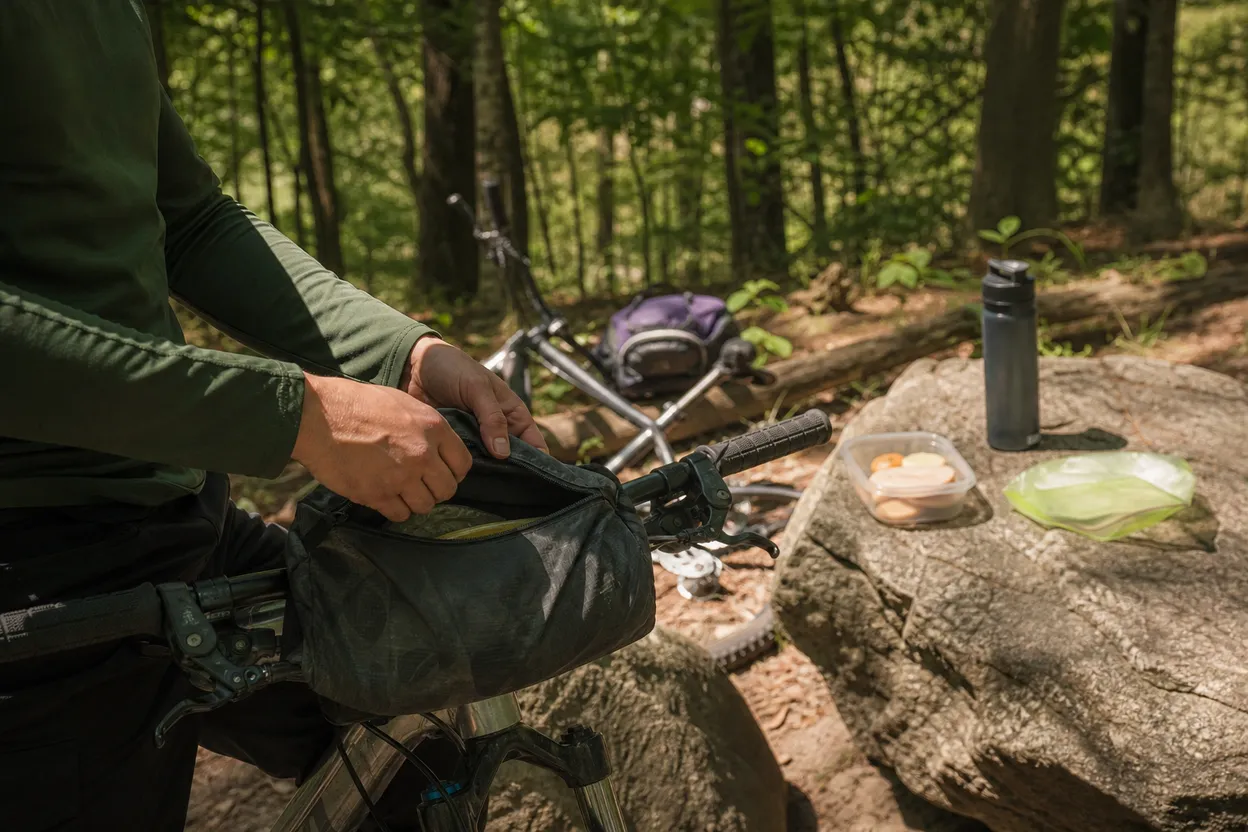
A basic mountain bike is enough only if it is actually trail-ready. Before this ride, confirm both brakes work firmly, tires hold air, wheels are secure, the chain shifts acceptably, and the saddle height lets you move your weight rather than sit rigidly through bumps. A helmet is non-negotiable for a sensible first attempt. Gloves, eye protection, and a small repair kit are not luxury items when roots, branches, and flats are plausible.
Borrowing can work, but borrowing at the last minute is where plans fail. The bike should fit well enough that you can stand over it, reach the brakes comfortably, and dismount without drama. A hybrid or city bike may be fine for the paved Motor Parkway, but it is the wrong tool for rooty dirt. If rental availability, pickup time, or return logistics are uncertain, make that uncertainty part of the decision guide.
Ride The First Loop Conservatively
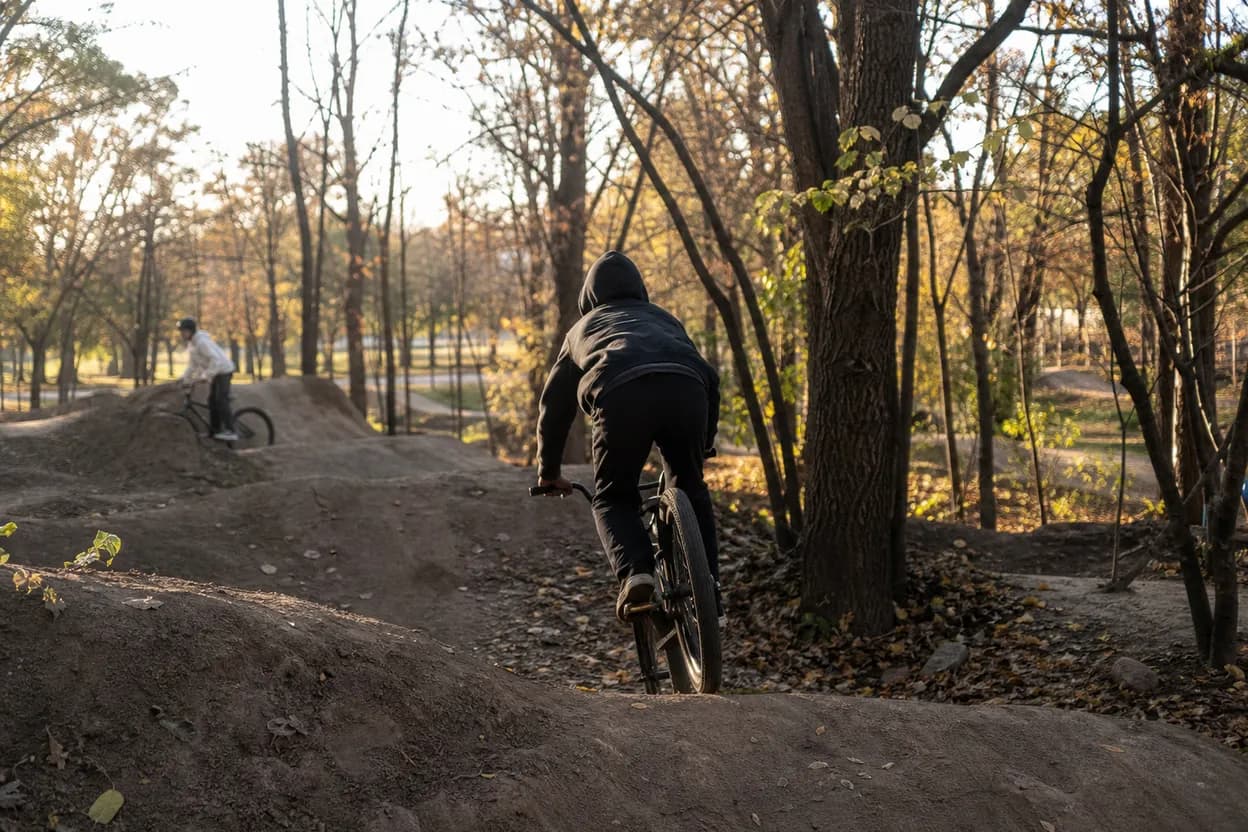
Use the first ten minutes as a skills check, not a warm-up to harder riding. Start with the easiest signed route or practice area you can confidently identify, keep your eyes ahead, and let the experienced rider lead slowly. Walk anything that looks confusing. There is no penalty for dismounting before a turn, root web, narrow bridge, or short drop. The useful test is whether you can repeat simple sections smoothly without panic braking.
Pacing should feel almost too slow at first. New riders often spend more energy gripping the bars than pedaling, and that fatigue shows up as late braking, target fixation, and poor corner choices. Agree on stop points before you roll, and use them. If either rider starts saying “just one more section” after mistakes appear, end the dirt portion and switch to a paved spin. Good first rides finish with margin.
Accessibility And Backup Logic
The mountain bike trails are not an accessibility substitute for paved park paths. Expect narrow dirt, uneven surfaces, roots, changing grade, and other riders who may appear quickly around bends. Anyone using a mobility device, riding with a child trailer, or seeking a low-stress scenic route should choose the Long Island Motor Parkway or connected greenway segments instead. That backup still gives a Queens park ride without pretending singletrack is universally comfortable.
Backup planning also protects the group dynamic. Decide in advance that the ride can become a photo stop, a paved-path cruise, or a nearby coffee-and-transit reset without anyone having to argue at the trailhead. If the trail is wet, crowded, poorly marked at your entry point, or beyond the weaker rider’s comfort, the correct move is to downgrade immediately. A first dirt ride should build judgment, not prove toughness.
Final Check Before You Roll
On July 16, 2026, the facts worth rechecking are the ones most likely to change: NYC Parks alerts for Cunningham Park, trail-condition posts from the local mountain bike community, MTA bus routing and weekend frequency, weather from the previous twenty-four hours, and any posted signs at the trail entrance. Do not rely on an old blog map or a screenshot if official pages, signage, or current conditions point another way.
Your final checklist is simple: dry trail, working mountain bike, helmet, water, charged phone, precise meet point, experienced companion, and a backup route. Add one personal threshold, such as “I walk any feature I cannot read from the bike.” If that checklist feels fussy, Cunningham is probably doing its job. It is close enough to be useful, technical enough to demand respect, and best enjoyed when caution sets the pace.
Tags: #AskKarpo #BeforeYouGo #CunninghamPark #QueensNYC #FreshMeadows #NYCBiking #MountainBiking #BikeNYC #QueensParks #OutdoorNYC #WeekendMorning #TrailConditions #BeginnerRide #SportsSocial
All trademarks are the property of their respective owners.
Ask Karpo first
Tell Karpo your date, group size, budget, and starting neighborhood. We’ll check current access, timing, transit, and the cleanest plan for Cunningham Park mountain bike trails, Fresh Meadows, Queens before you head out.


