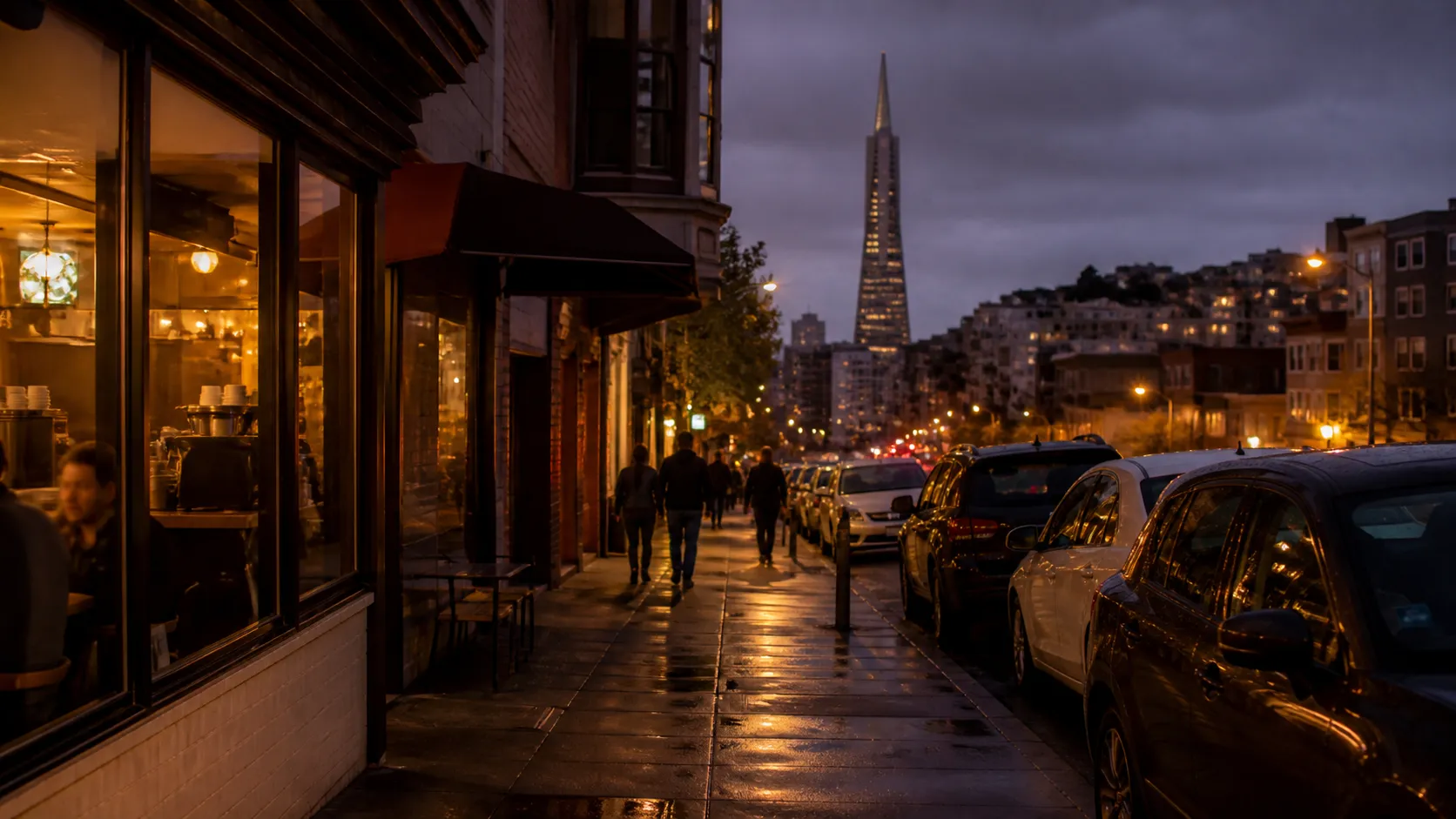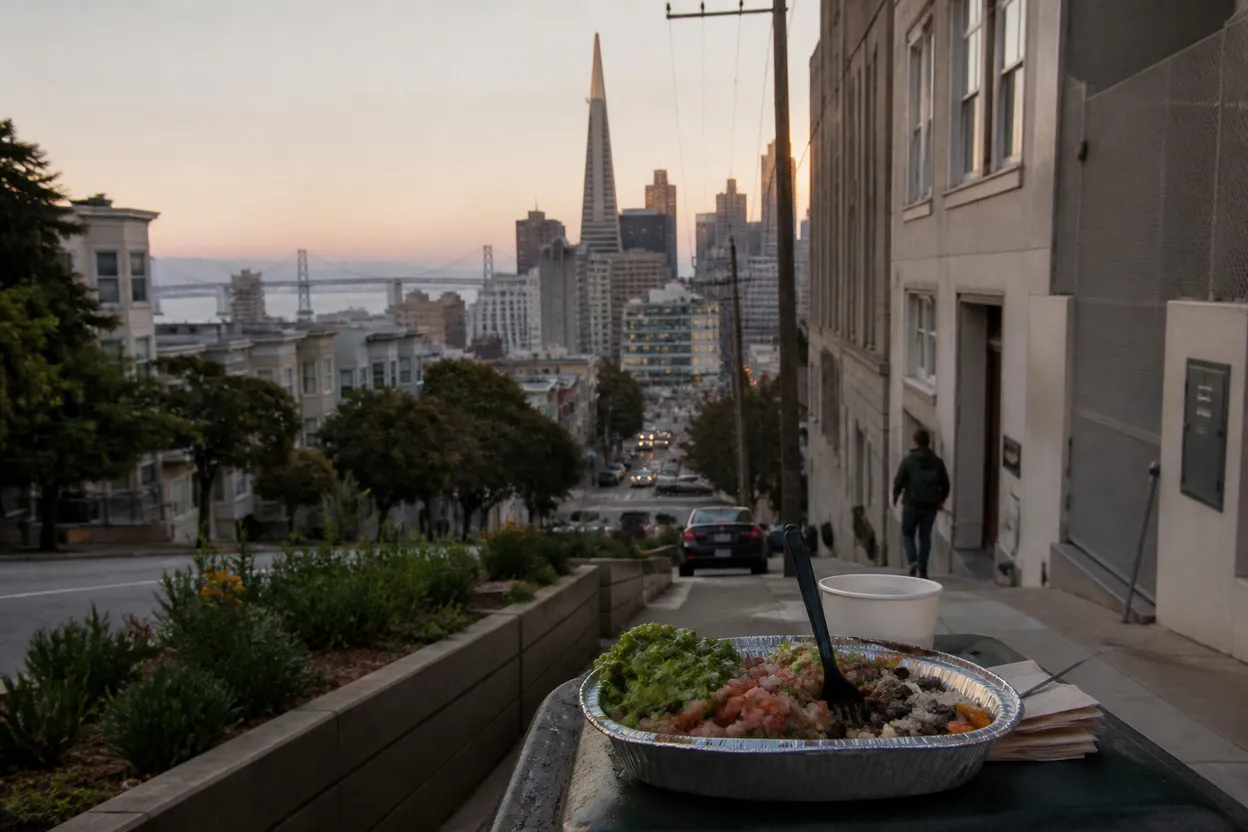
The phrase cruz azul vs philadelphia is a useful spark, not a confirmed San Francisco event. Treat it as a reason to organize a public sports-social plan that survives bad assumptions: no claimed local appearance, no promised watch party, no private access, and no guaranteed screening. On Friday, August 7, 2026, the smarter move is to decide what your group actually wants to do in the city, then verify every changing detail before anyone leaves home. San Francisco can support both active play and casual spectating, but timing matters because SFMTA is already flagging Outside Lands for Aug. 7-9, current alerts, travel updates, and route information. Build the plan around official checks, flexible transit, and a backup that does not depend on one venue.
Want a quick gut-check before you send the group chat? Text Karpo with your starting area, group size, and preferred vibe, and ask for a verification-first San Francisco sports-social plan.

Turn the sports interest into a social plan
Start by separating the search hook from the outing. People may be talking about cruz azul vs philadelphia, but that does not mean San Francisco has a sanctioned appearance, guaranteed public broadcast, or affiliated fan event. Your plan should say exactly what is known: the group is meeting in the city for a soccer-adjacent social night, and each venue, route, and access point must be checked directly before departure.
Set a simple timeline. First, choose the activity type by early afternoon. Second, check the chosen location’s own page or phone line for access and capacity expectations. Third, check SFMTA for route status close to departure, because the agency posts alerts and travel updates that can affect buses, trains, walking transfers, biking, and driving. If the group is split across neighborhoods, name one arrival window rather than one exact minute.
The tone of the invite matters. Avoid language like “official,” “confirmed,” or “guaranteed” unless the relevant official page says so. Better wording is: “We are meeting for a sports-social night inspired by the matchup interest; verify the final venue and transit before you go.” That keeps hype from turning into a logistical mess.
Choose participation or spectating first
Before picking a destination, decide whether the group wants to play, watch, or simply socialize around the theme. Participation means you need to verify public recreation access, field or court rules, equipment needs, and whether the site is open at the time you intend to use it. Because the official San Francisco Recreation and Parks page may contain changing details, check sfrecpark.org directly before relying on any field, court, restroom, or facility assumption.
Spectating has a different risk profile. A bar, restaurant, community space, or public plaza may be convenient, but you still need to confirm hours, seating approach, age restrictions if relevant, accessibility, and whether the match or sports programming you care about will actually be shown. Do not assume a venue has a specific broadcast, subscription, sound policy, or private room unless the venue confirms it.
If the group includes both players and watchers, build a two-part plan: active meet first, social stop second. That lets late arrivals join without derailing the whole night. It also gives you an easy exit if the first location is crowded, unavailable, or less beginner-friendly than expected.
Match the venue to the group energy
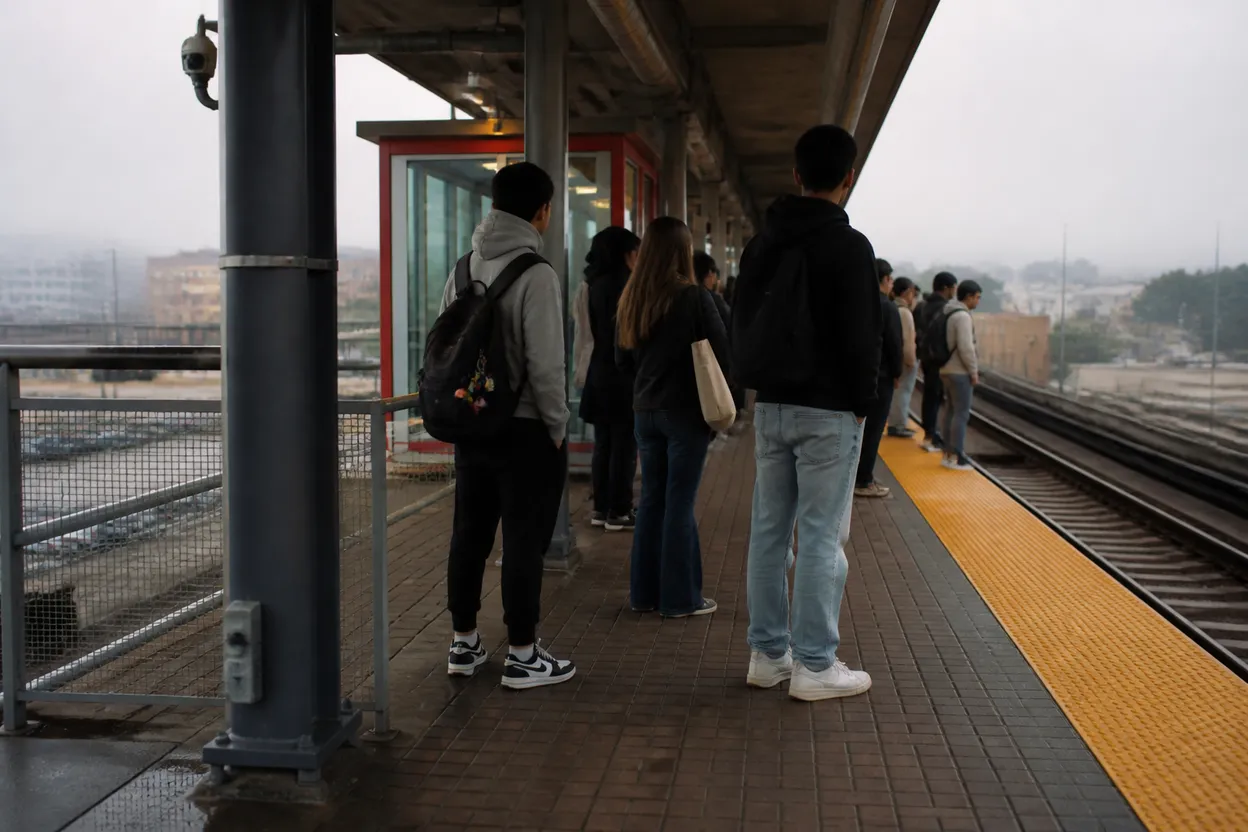
For a loud, social group, pick a public-facing destination that can handle people arriving in waves. For a quieter group, choose a place where conversation is possible and no one has to shout over a screen. San Francisco’s density rewards precision: a plan that says “meet near transit, verify seating, and reassess after 30 minutes” is stronger than a vague promise that everyone will somehow find each other.
Crowd risk is higher when major city activity overlaps with your outing. SFMTA highlights Outside Lands for Aug. 7-9, so Friday movement across the city can require extra patience, especially for groups depending on timed transfers or rides that cross busy corridors. The point is not to avoid the city; it is to avoid pretending a normal Friday plan will automatically work.
Use a venue test before committing: Can people arrive by Muni, bike, walk, taxi, or car if needed? Is there a backup within a reasonable distance? Can the group split without stranding anyone? SFMTA’s site presents trip planning options for Muni, walking, biking, driving and parking, taxi, and accessibility, so use those categories to compare choices rather than relying on habit.
Plan equipment seating and transit early
If you are playing, assign equipment before people scatter. One person brings the ball, another handles cones or simple markers if appropriate, and someone checks whether the chosen public site allows the activity at the intended time. Do not assume lights, restrooms, water, storage, or open space. Any of those details can change, and the responsible move is to verify them on the official facility source.
If you are watching, seating is the equivalent of equipment. Ask the venue what it can confirm publicly: hours, whether groups can sit together, whether reservations are possible if offered, and what happens if the room is full. Avoid promising seats to friends unless the venue itself has confirmed the arrangement.
Transit deserves the same early assignment. Have one person check SFMTA alerts, one check the trip planner, and one watch for travel updates. The SFMTA homepage currently surfaces route and stop information, visitor guidance for getting around by Muni, bike, foot, or car, and travel updates including Hayes Valley Shared Spaces on Fridays and Saturdays in August 2026, Chinatown construction from July 30-August 9, and 40-foot bus service substitutions updated July 6. Treat all of that as a reason to recheck, not as a static promise.
Keep beginners from feeling stranded
A good sports-social plan is not only for the most confident fan or the fastest player. Give beginners a role before they arrive: scorekeeper, photo taker, snack coordinator, route checker, or first-half observer. If the plan is spectating, make it clear that no one has to know every club storyline to participate. The social goal is shared time, not trivia pressure.
Also plan the exit. Name a regroup point that is public, easy to describe, and reachable without crossing several confusing intersections. If someone is uncomfortable with a crowded room or an active game, they should know where to wait and who will check in. This matters more on nights when citywide events and travel changes may stretch response times or make spontaneous pickups harder.
Accessibility should be verified, not assumed. SFMTA lists accessibility as a getting-around category and provides customer service and SF 311 contact pathways, but your chosen venue or recreation site still controls many on-site details. Ask directly about entrances, seating, restroom access, and any mobility constraints before the group commits.
Verify schedules before leaving
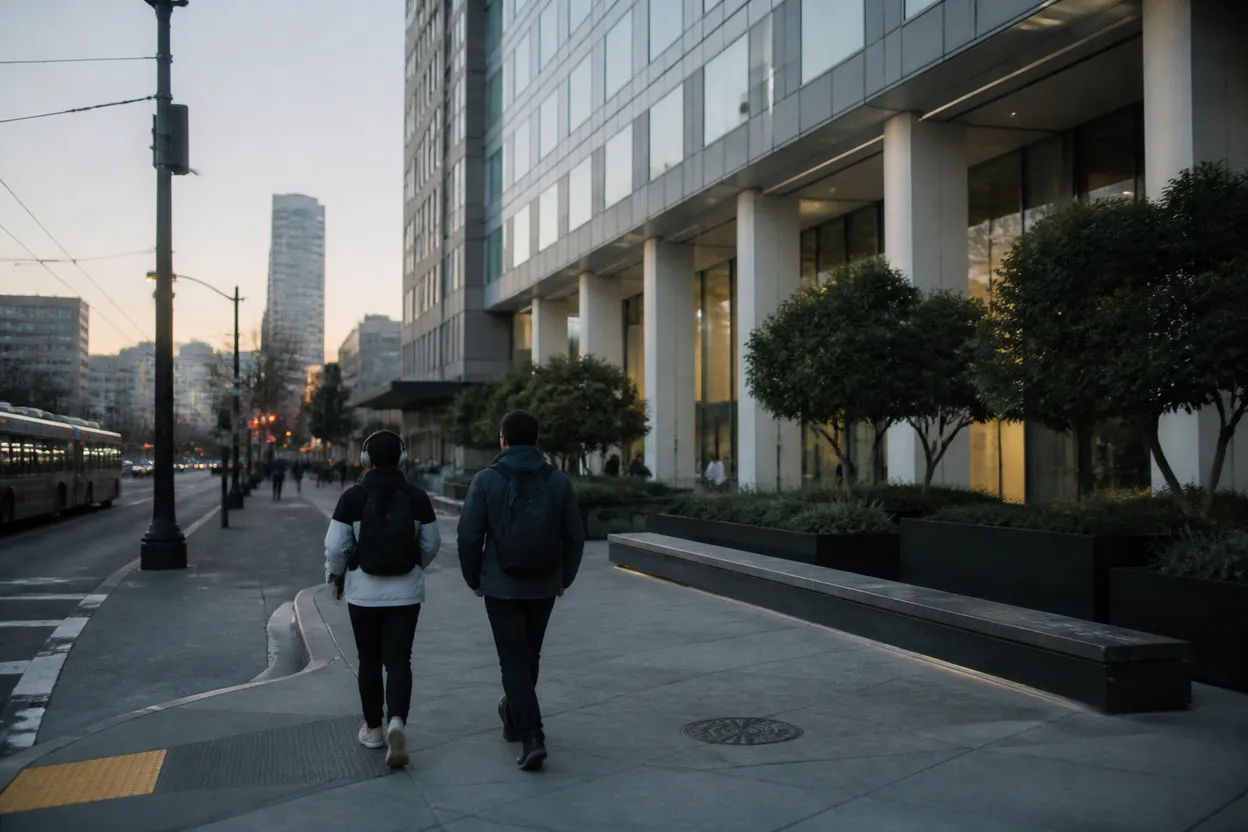
Make the final check one hour before departure and again as people head out. Look at SFMTA alerts for delays, use the trip planner for the actual start and end points, and check whether the venue or public site has changed hours, access, or availability. If anyone is coming from outside San Francisco, regional information may also matter; SFMTA points users to 511 Regional Info for broader travel context.
Build in a backup choice that does not depend on the same failure point. If the first plan is a crowded viewing spot, the backup might be a lower-key social stop after a short transit or walking move. If the first plan is active play, the backup might be a verified nearby public place to sit and talk rather than another field you have not checked. The backup should be named in the original invite.
The cleanest final message is short: “Meet at the verified location, check SFMTA before leaving, and use the backup if seating, access, or transit breaks down.” That tells friends you are serious without overpromising. It also keeps the cruz azul vs philadelphia interest in the right place: a timely reason to gather, not a substitute for confirmed local information.
Tags: #AskKarpo #BeforeYouGo #SanFrancisco #sports_social #SoccerSocial #SFMTA #Muni #TransitCheck #CrowdPlanning #PublicPlans #SFWeekend #WatchPartyPlanning #CityLogistics #VerifyFirst
Sources consulted: sftravel.com · sfmta.com · sfrecpark.org
All trademarks are the property of their respective owners.
Ask Karpo first
Ask Karpo first if your plan depends on one screen, one field, or one route. Send the meeting area, group size, mobility needs, and backup tolerance, and Karpo can help you pressure-test the outing before San Francisco’s changing conditions do it for you.