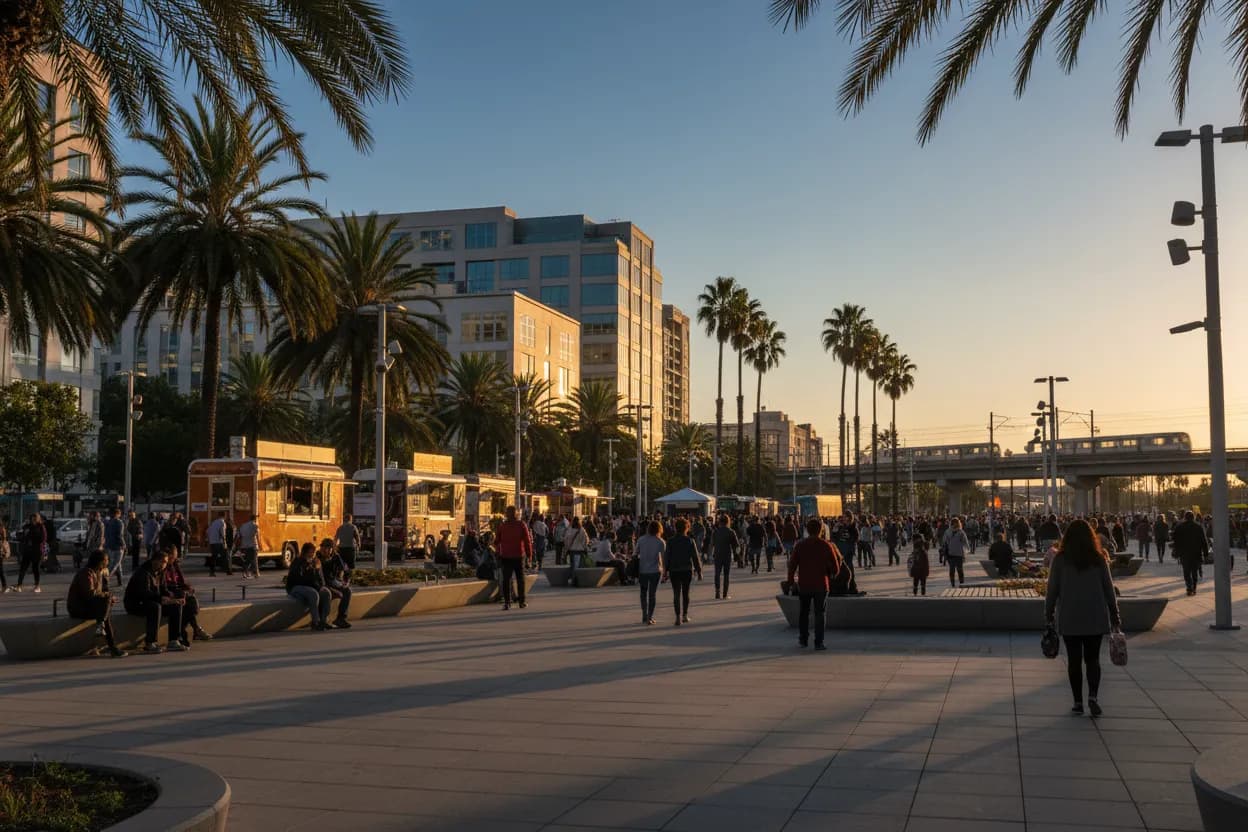
courtney clenney is the kind of search phrase that can pull people into a Los Angeles conversation fast, but a good city night should not depend on rumor, celebrity spotting, or a half-verified social post. Treat the phrase as a prompt, not a promise: pick a public restaurant area, check the official sources that actually affect your evening, and build a plan that survives traffic, long waits, and changed vendor hours. Los Angeles Tourism describes the city’s dining scene as unusually broad, from street food to Michelin-starred restaurants, with global cuisines across sleek dining rooms, casual patios, markets, halls, and neighborhood guides. That range is useful only if you narrow it before you leave.
Want a dinner plan checked against public sources before you cross town? Text Karpo with your neighborhood, group size, transit preference, and backup tolerance.

Use the trend as a dinner conversation hook
If courtney clenney is what started the group chat, keep it in that lane: a conversation hook, not a reason to chase a location. There is no public-service value in assuming a local appearance, an affiliation with a restaurant, or any private access. The useful move is to convert the attention into a specific, public plan: where to eat, how to get there, what to verify, and where to go if the first choice is crowded.
Los Angeles rewards that skepticism. The official tourism site frames the city’s dining scene as one of the most dynamic in the country, with street food, Michelin-starred restaurants, global cuisines, modern dining rooms, and casual oceanfront patios. That means the city can absorb a trend-driven night without turning it into a scavenger hunt. Decide whether your group wants a sit-down room, a casual patio, a market, or a hall, then let logistics beat speculation.
Choose the room before choosing the menu
Start with the room because Los Angeles meals often fail on expectations before they fail on food. A sleek dining room works for a smaller group that can commit to timing. A casual patio is easier for a flexible meet-up, especially if someone may arrive late. Street food or a market-style stop fits people who want options without making one kitchen carry every preference. Discover Los Angeles also surfaces restaurant guides for group dining, vegan brunch, tacos, KBBQ, pizza, family-friendly dining, romantic restaurants, and neighborhood food coverage, so use those official categories to narrow the style before you debate dishes.
Do not treat a list headline as a live guarantee. If a program, feature, or guide points you toward a place, click through to the official restaurant or venue page before leaving. Hours, menus, service formats, reservations, and access details can change. For a verification-first plan, your first decision is not “what is most hyped?” It is “which kind of dining environment gives this group the least chance of wasting the first hour?”
Match the market or hall to the group
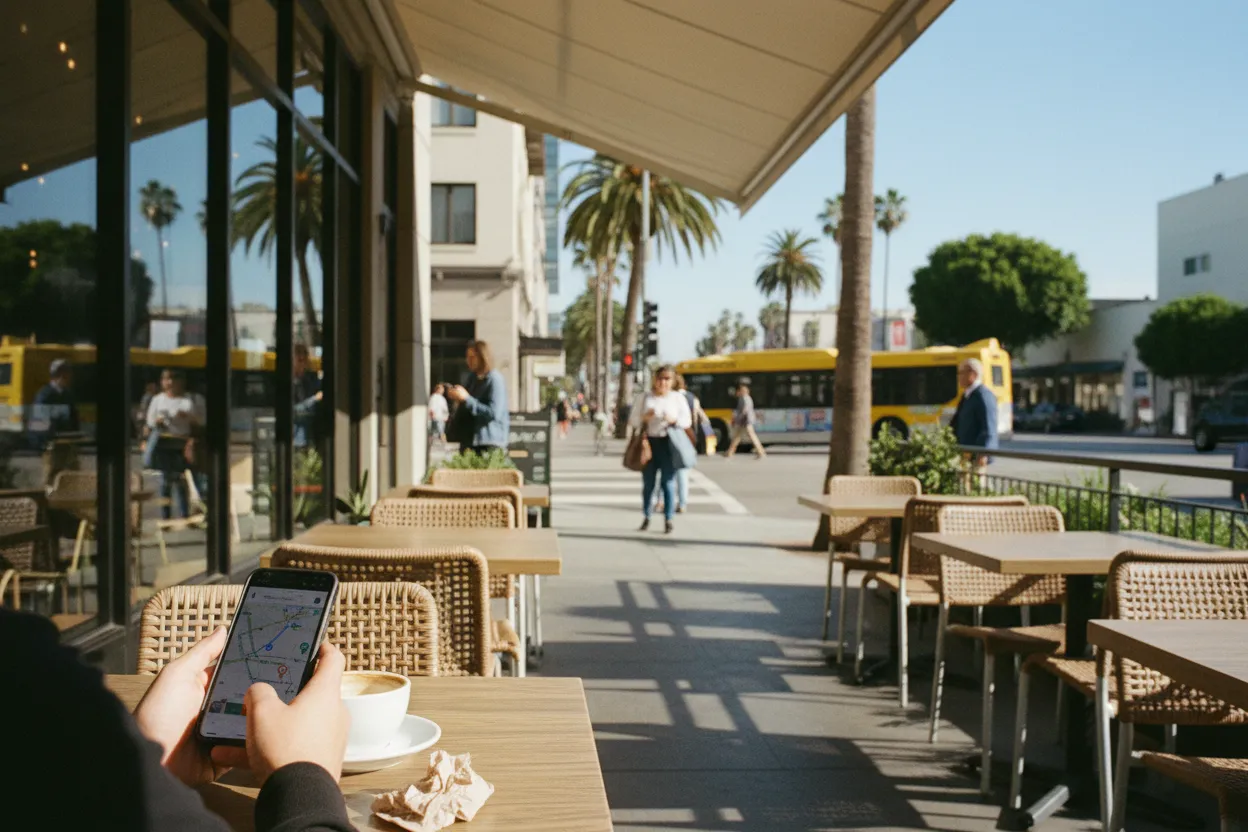
Markets and halls are strong Los Angeles tools when the group has mixed preferences. They reduce veto power: one person can look for coffee or dessert, another can choose something casual, and a third can keep the evening short. The official tourism dining page points readers toward a wide menu of global cuisines and highlights categories ranging from coffee and dessert in Koreatown to historic neighborhood eating guides. Use that breadth to choose an area where the backup options are close together, not scattered across town.
For groups, the risk is not only appetite; it is decision fatigue. Before departure, assign roles. One person checks the official dining or vendor page, one checks transit, and one watches for health or access notices. If the first choice is a hall or multi-vendor setting, verify vendor-specific hours rather than assuming the whole place operates as one schedule. A public market can be easy, but only if the vendor you want is actually open when you arrive.
Keep the first stop easy to reach
The first stop should be the easiest one to reach, especially on a weeknight. Metro’s official site offers arrivals, a trip planner, alerts, maps and schedules, and the official LA Metro app for real-time arrivals, step-by-step directions, and service alerts. Use those tools before committing to a cross-city dinner. Metro also says riders can pay fare by tapping a credit or debit card in plastic or digital form on buses or at train stations, but you should still check the official fare page if payment details matter to your group.
Transit should shape the dining radius. Metro notes new D Line Extension stations at La Brea, Fairfax, and La Cienega that connect Mid-Wilshire with Koreatown and Downtown LA. That does not mean every restaurant is automatically convenient, but it does give you a public-transit spine for comparing neighborhoods. If your group includes visitors, late arrivals, or anyone who dislikes complicated transfers, choose a first stop near a clear route and keep the backup within the same general corridor.
Save a nearby option for long waits
Los Angeles dining plans need a second door. The backup should not be a fantasy restaurant across town; it should be nearby, public, and acceptable to the whole group. Pick it before anyone is hungry. If the first restaurant has a long wait, changed hours, a private booking, or a menu that does not work for someone, you can move without restarting the entire decision tree.
Use official sources for the checks that actually protect the night. Los Angeles County Public Health Environmental Health provides food safety resources and inspection results, and its mission includes assessing environmental conditions, reducing exposure to health risks, and educating the public so communities can protect themselves. If a food-safety question comes up, look for the county’s inspection results rather than relying on screenshots or comments. For direct Environmental Health customer service, the official extract lists 1-888-700-9995, Monday through Friday, 8:00am to 5:00pm.
Crowd risk is harder to verify from a static page, so plan around it. A weekend guide, a restaurant week program, a neighborhood feature, or a viral conversation can all increase attention without giving you a reliable seat. If the first room matters, confirm reservations or access on the official page. If the company matters more than the room, choose an area where walking to the backup feels normal.
Verify vendor hours before leaving
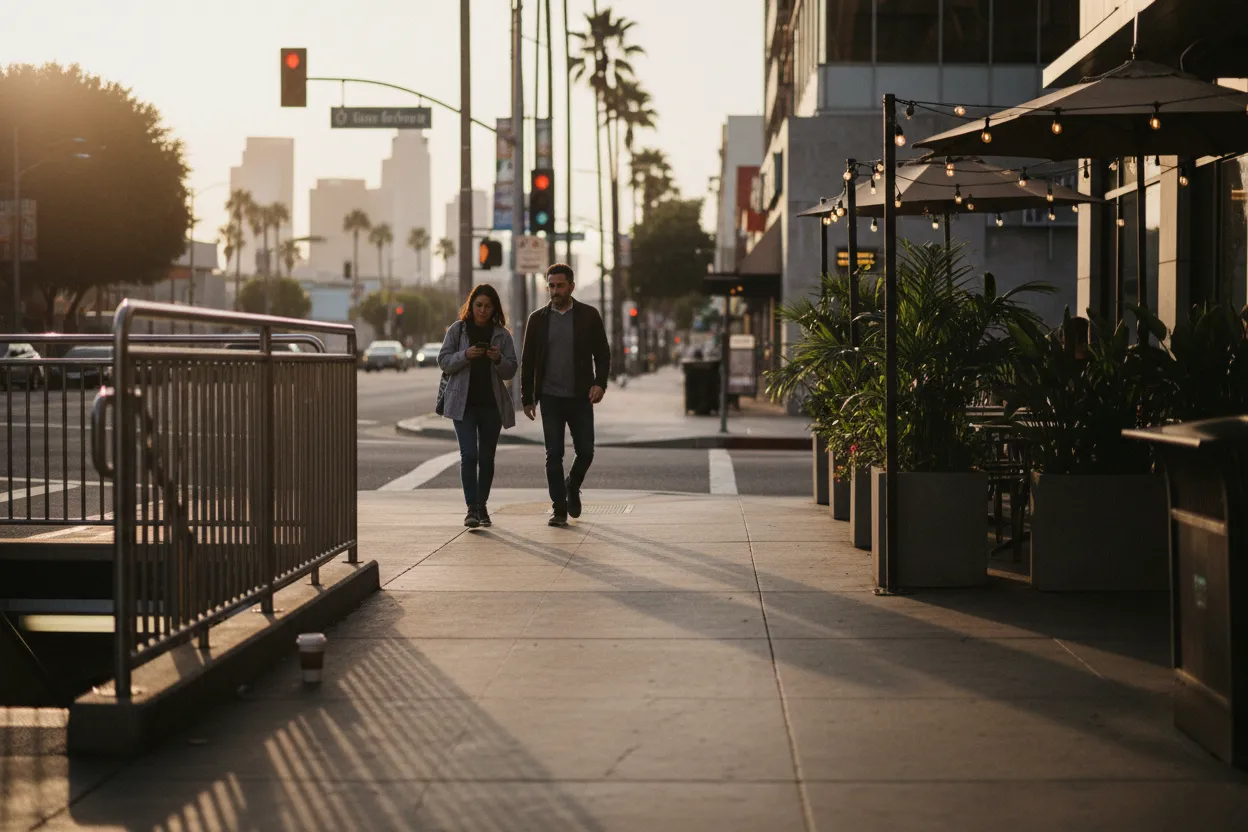
The final check happens right before departure, not the night before. Open the restaurant, market, or vendor’s official page and confirm hours, service format, reservation instructions, accessibility information, and any notice that affects entry. If the outing is tied to a dining program, verify that program on its official page as well. Discover Los Angeles notes that Dine LA Restaurant Week is a bi-annual 15-day dining event and directs readers to see the full list when the program begins at DineLA.com, so do not assume participation before checking the live program source.
Then check the route. Metro alerts, maps and schedules, real-time arrivals, and app directions are the tools to use when the timing matters. Build in enough flexibility that a missed train, late bus, or closed vendor does not ruin the evening. The best Los Angeles restaurant plan is not the most dramatic one; it is the one that gets your group fed, keeps expectations honest, and leaves room for a calm pivot.
Tags: #LosAngeles #LARestaurants #AskKarpo #BeforeYouGo #LADining #FoodSafety #LAMetro #KoreatownLA #DineLA #RestaurantPlanning #CityGuide #LocalLife #DinnerPlans #PublicSources
Sources consulted: discoverlosangeles.com · publichealth.lacounty.gov · metro.net
All trademarks are the property of their respective owners.
Ask Karpo first
Ask Karpo first if a Los Angeles dinner plan is built on chatter instead of checks. Send the neighborhood, timing, transit comfort, and first-choice restaurant, and Karpo can help you turn public sources into a cleaner route, a realistic arrival window, and a backup that is close enough to use.


