The Same Faces at the Same Hour
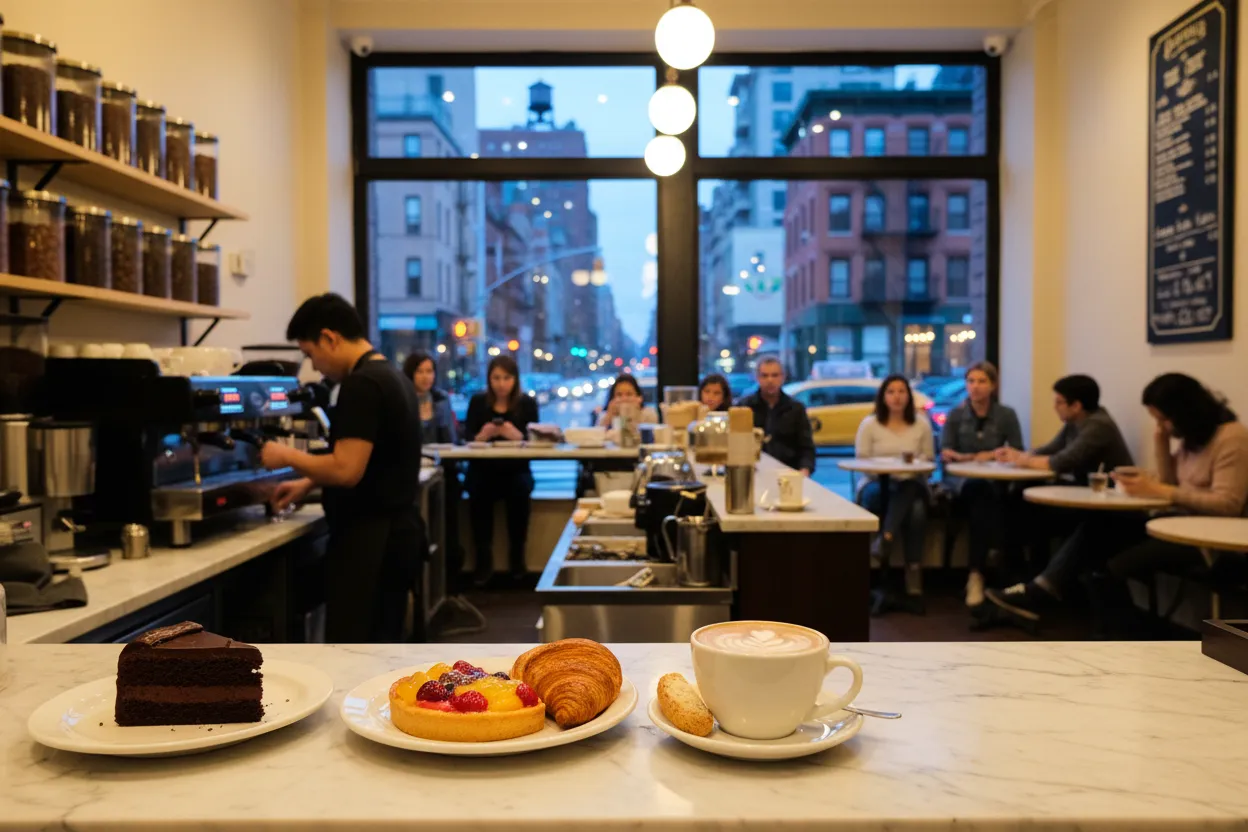
Morning light pours through the tall windows of a corner bakery-café in Cobble Hill, turning the marble tabletops into slabs of warm cream. The smell hits first—sourdough fermenting in the back, butter browning in sheet pans, coffee pulling through an ancient-looking machine behind the counter. By ten o'clock, the same regulars have claimed their tables, spreading newspapers or opening laptops with the ease of people who know exactly where they belong. Newcomers hover near the door, scanning for open seats, while the woman at the marble two-top by the window doesn't look up from her book.
A Room That Runs on Rhythm
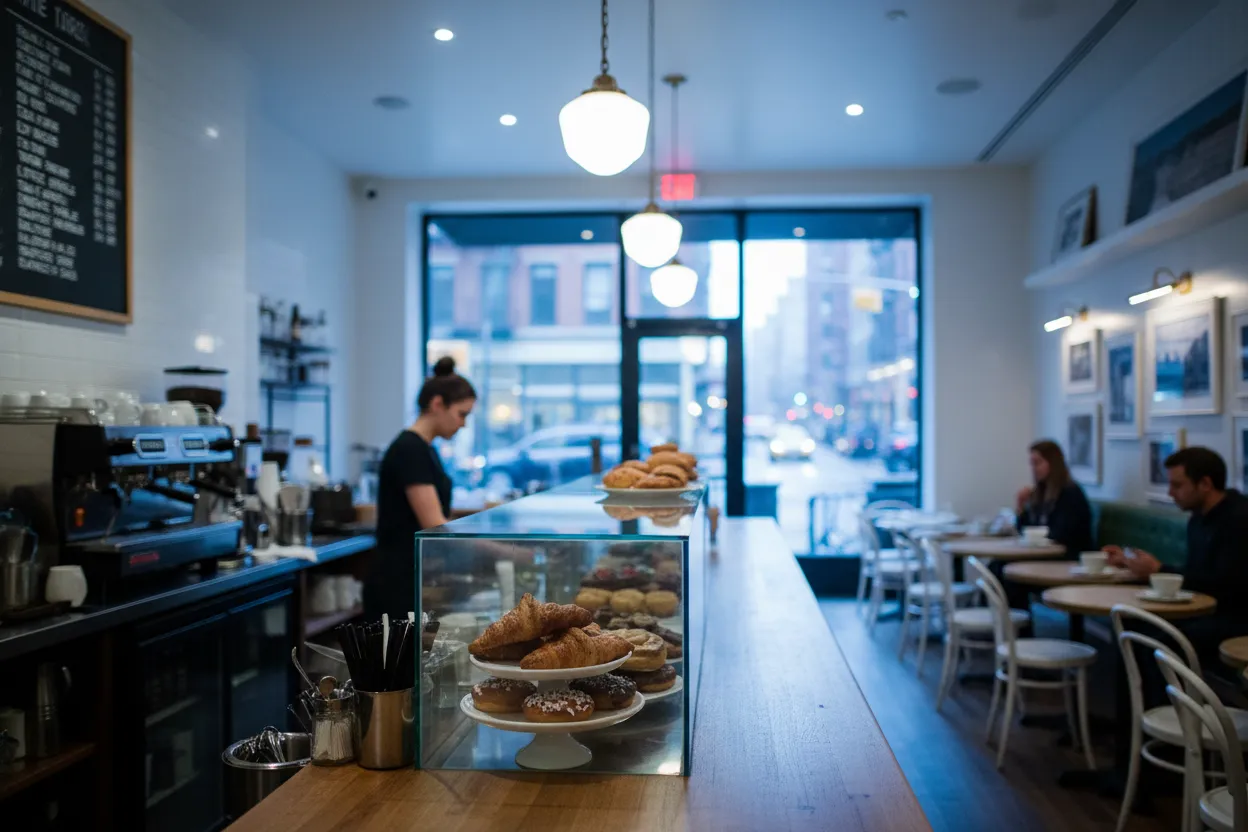
The space is small enough that conversations bleed together, but no one seems to mind. Exposed brick runs along one wall, painted white decades ago and now showing its age in soft chips and cracks. The floor is original hexagonal tile, worn smooth in the path from door to counter. A chalkboard menu hangs above the espresso machine, listing pastries and sandwiches in careful script that changes daily but never dramatically. The rhythm here is steady—orders placed, names called, the scrape of chair legs on tile as someone leaves and someone else slides in. The staff moves with muscle memory, pulling shots and plating croissants without breaking stride. There's no music, just the hum of the neighborhood filtering in each time the door swings open.
What Comes Out of the Kitchen
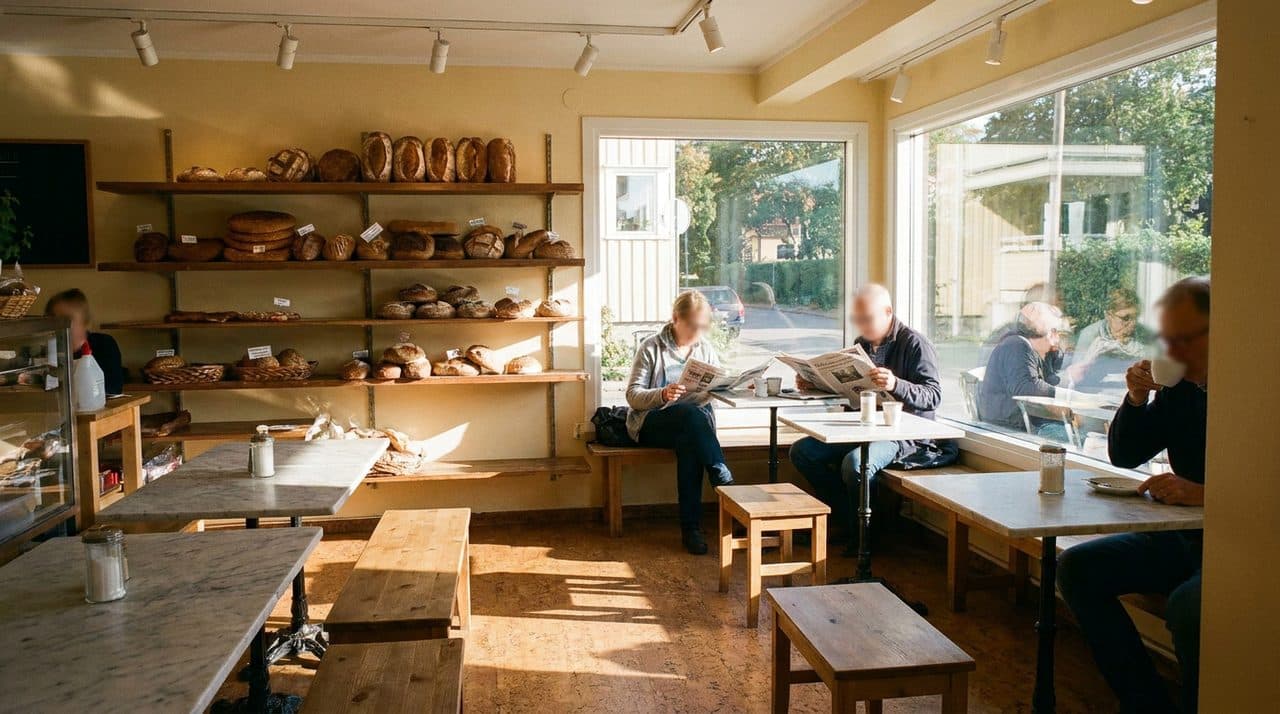
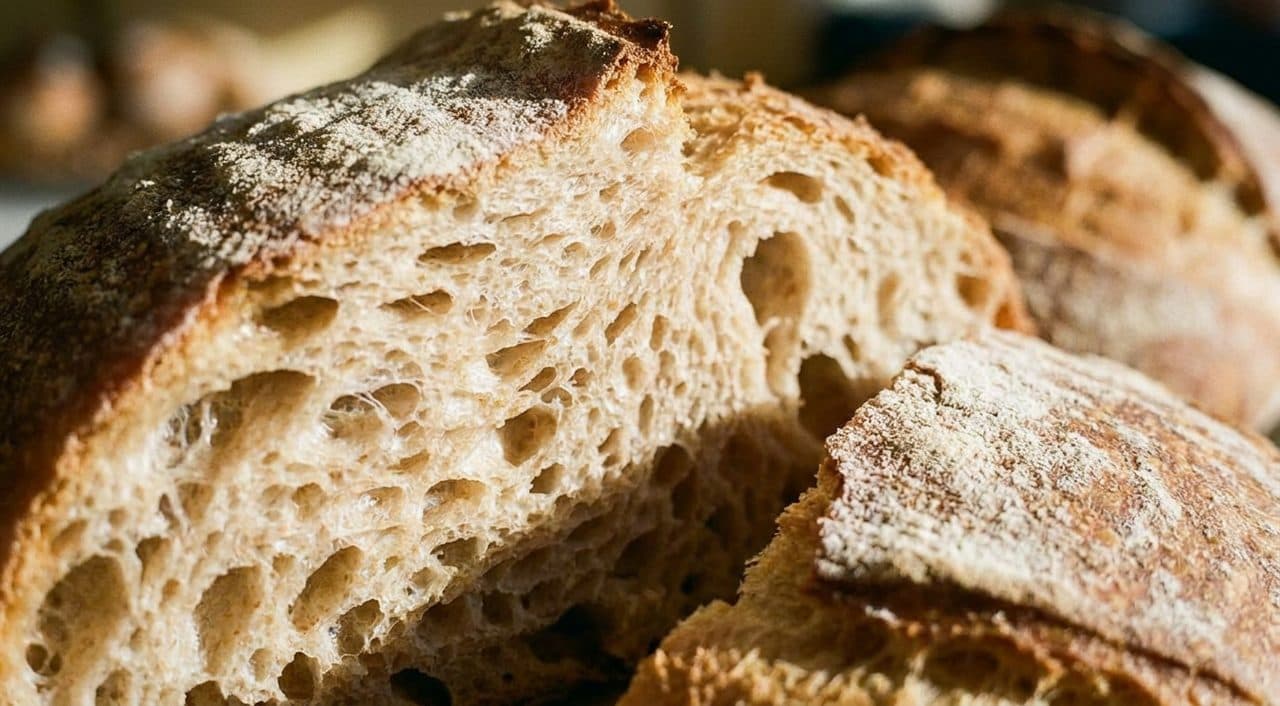
The pastries arrive on mismatched ceramic plates, still warm enough to leave a faint steam when torn open. Almond croissants with a sugar crust that shatters, pain au chocolat with dark chocolate that hasn't fully set, morning buns sticky with cinnamon and orange zest. The sourdough loaves sit in a wooden rack near the register, their crusts cracking audibly as they cool. Sandwiches appear around eleven—roasted vegetables with goat cheese on focaccia, prosciutto with butter and cornichons on baguette, egg salad with herbs on country bread. Everything tastes like it was made by someone who learned in a real bakery, not a culinary school. The cook behind the counter works with the kind of speed that only comes from repetition, shaping dough and pulling trays without checking a timer.
The Ten O'Clock Crowd
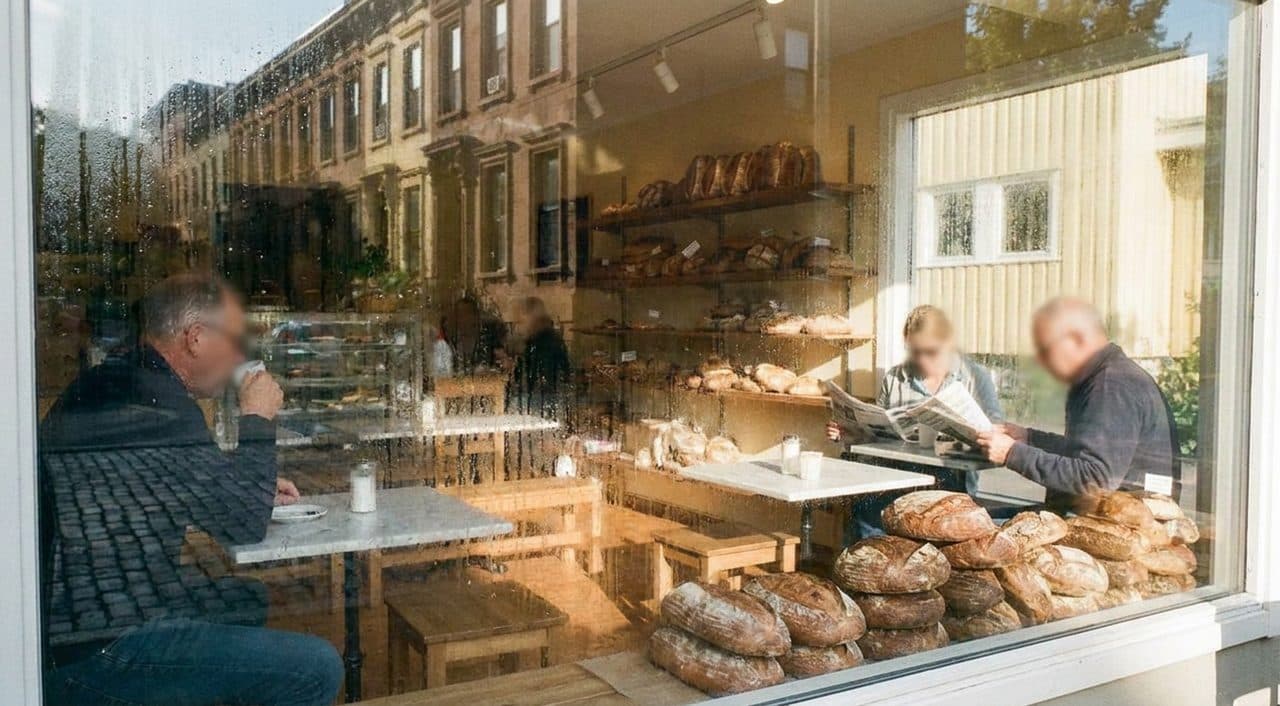
Regulars arrive in waves. The first comes right when the door unlocks, ordering a cortado and a plain croissant before settling into the corner table with a stack of papers. By ten, the marble tables are full—a trio of mothers with strollers parked in a careful line, a man in paint-spattered jeans who always takes the stool at the counter, a couple who split a pastry and linger over a single pot of tea. They don't acknowledge each other, but there's a silent understanding about who sits where. Latecomers learn quickly that the window seats go first, followed by the tables near the back where the light is softer. The turnover is slow in the morning, faster after noon when the lunch crowd cycles through. Those who know the place arrive early or accept that they'll be standing.
The Afternoon Shift
The energy changes after one. The morning regulars have cleared out, leaving crumbs and folded napkins. The afternoon brings a different rhythm—freelancers settling in for long stretches, neighbors stopping by for a loaf to take home, school pickups grabbing a quick coffee. The light shifts too, slanting across the room at a sharper angle, catching dust motes and the steam rising from fresh bread. The staff swaps out pastries for cookies and brownies, refills the sandwich case, wipes down tables with a speed that suggests they've done this a thousand times. The marble stays cool under palms even as the room warms. By three, the place feels lived-in, the kind of comfortable that only comes when a space has been occupied all day. The smell of bread never fully fades.
What the Regulars Know
The people who come here daily have learned the unwritten rules. Order at the counter, then find a seat—don't hover. The WiFi password is written on a small card near the register, but asking for it marks someone as new. The best pastries sell out by eleven, so anyone serious about the almond croissant shows up early. The bathroom key is attached to a wooden spoon, hung on a hook behind the counter. Tipping is cash-only, dropped into a ceramic bowl that fills slowly throughout the day. The staff remembers faces faster than names, nodding at regulars and pulling their usual order without asking. There's no table service, no reservations, no way to game the system—just show up, order, and hope for a seat. Those who try to work through the lunch rush learn quickly that the noise makes it impossible.
Practical Notes
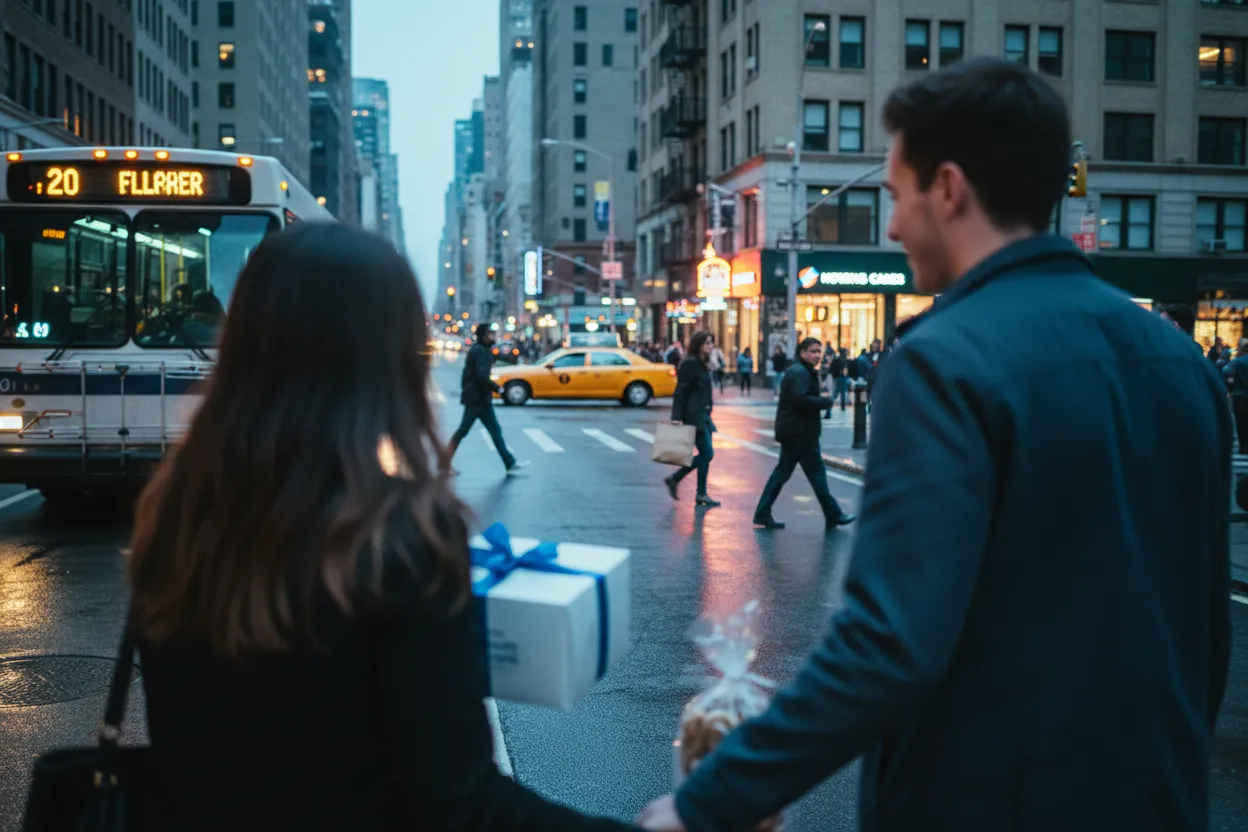
The bakery opens early in the morning and closes by early evening, following the rhythm of a neighborhood spot rather than a destination café. It's a short walk from the Court Street subway stop, tucked on a residential corner where brownstones meet commercial blocks. No reservations, no phone orders—everything happens in person. Seating is limited, so timing matters. Mornings before ten-thirty offer the best chance at a table and the full pastry selection. Cash is preferred but cards are accepted. The space is small enough that large groups don't fit comfortably, and strollers can bottleneck the narrow aisle during peak hours. Expect to wait on weekends.
Tags: #PullUpAChair #CobbleHill #Brooklyn #NewYorkBakery #NeighborhoodCafe #MorningRitual #SourdoughLife #MarbleTables #RegularSpot #BrooklynEats #CoffeeAndPastry #LocalGem #NYCFood #BakeryLife #CobbleHillEats
Sources consulted: eater.com · timeout.com · infatuation.com
All trademarks are the property of their respective owners.
Ask Karpo first
Want to know what time the morning pastries sell out, or which breads they bake daily?
Ask Karpo for the baking schedule and pastry availability before you head out.