 Waterfront Park Near Me: Candlestick Point State Recreation Area Shoreline
Free Things to Do
Cooling Off With Erewhon Smoothies Around San Francisco This Summer
Chase the California wellness aesthetic through SF's fog belt, where smoothie culture meets actual public space.
The Erewhon smoothie has become shorthand for a specific California aesthetic: organic ingredients listed in full, adaptogen add-ins, a price point that makes you pause, and the sense that you're participating in something deliberately healthful. The search volume around Erewhon reflects that pull—people want to know where the brand is, what makes the smoothies distinct, and whether the experience translates outside its Los Angeles home base. In San Francisco, Erewhon itself does not operate a location, but the interest in that style of drink—and the ritual around it—runs deep enough that the city has built its own answers.
Karpo checks which juice bars and cafés near your current neighborhood are open right now, plots the flattest walking route if you're starting from a hill, and texts you a backup spot if your first choice just closed early.
What people search when they want the Erewhon feeling
San Francisco's juice and smoothie culture predates the Erewhon brand by decades, rooted in the same Northern California wellness economy that gave rise to organic certification, farmer's market infrastructure, and the idea that a blended drink could be a complete meal. The difference now is clarity of ingredients and a willingness to pay for specificity. When someone searches for Erewhon locations outside LA, they are often looking for that combination: transparency, quality, and a certain aesthetic confidence. SF delivers it in different packaging, scattered across neighborhoods where the fog keeps things cool enough that a cold-pressed drink feels right even at ten in the morning.
This is a free plan because the hunt itself—walking between spots, comparing ingredient lists, sitting on a park bench with a sixteen-ounce cup—costs nothing beyond the drink. The Erewhon market model relies on the store as destination; SF's equivalent is more distributed, threaded through produce shops, small cafés, and juice counters that share a similar ethos but operate independently. You are not touring a chain. You are sampling a city's interpretation of a search term.
North Beach and the blocks that bracket it
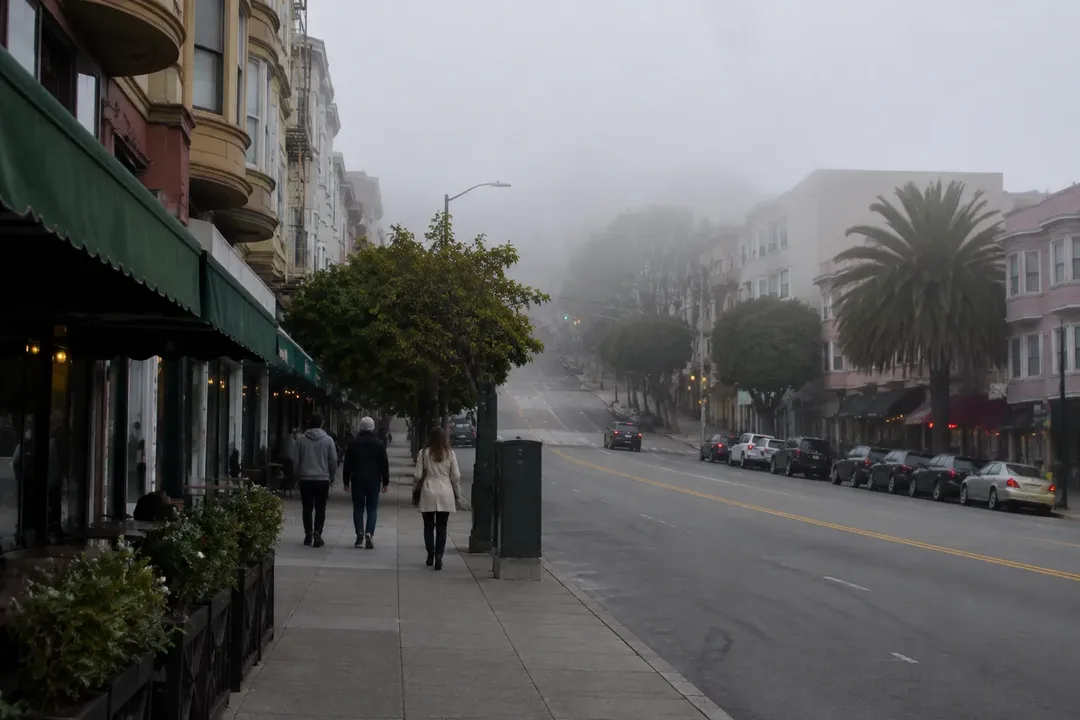
North Beach is not the obvious first answer for green juice, but it sits at the center of a triangle that makes sense for this plan. To the west, Russian Hill drops steeply toward Polk Street, where several long-running juice counters and health-focused cafés have survived rent increases by keeping their menus focused and their square footage small. To the east, the Embarcadero flatlands host the Ferry Building, which remains the most reliable concentration of organic produce vendors and prepared-drink stalls in the city. North Beach itself—Columbus Avenue especially—offers enough flat sidewalk and public seating that you can pace your route without fighting the hills every block.
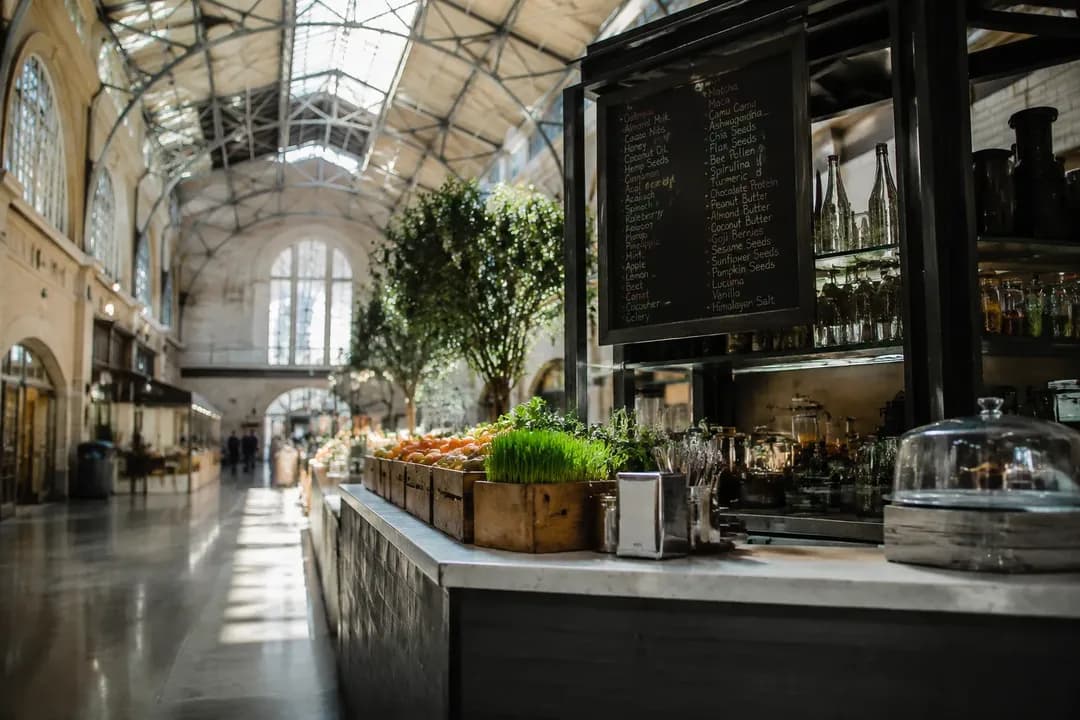
The Ferry Building is the anchor. Its weekend farmer's market draws vendors who also supply some of the higher-end smoothie operations around the city, and several of the permanent food stalls inside the building offer cold-pressed juices and blended drinks with ingredient sourcing printed on small chalkboards. The building's arcade stays open on weekdays, and the benches along the Embarcadero give you a place to sit and watch the ferries without spending another dollar. If you are trying to understand what the SF version of an Erewhon smoothie looks like, start here and read the boards.
From the Ferry Building, walk west on Washington Street or north on the Embarcadero path toward Pier 39 if you want to stay flat, or cut inland up Columbus if you are ready for a slight incline. Columbus runs through the center of North Beach and connects you to several small cafés that list their smoothie ingredients in the same granular way—spirulina source, date variety, nut milk type. These are not chains, and their menus change with produce availability, but the transparency is consistent. The neighborhood's café culture skews older and more European, which means table turnover is slower and you will not be rushed out after finishing your drink.
Russian Hill's Polk Street stretch, particularly between Union and Broadway, holds a few juice spots that have been operating since the early 2000s. They predate the Erewhon-style branding but share the same ingredient rigor. Polk Street is narrow and can be windy, but it is walkable and well-served by the 19 Muni line if you are coming from downtown or the Mission. Check hours before you go—several spots close by six or seven, earlier than you would expect for a commercial corridor.
Timing your route around the fog and the close times
San Francisco summer means fog, and the fog moves on a schedule. Mornings along the Embarcadero are often clear until mid-morning, when the marine layer pushes in and drops the temperature ten degrees in twenty minutes. If you are planning to walk between spots, start early—eight or nine—so you can cover the waterfront section before the wind picks up. By early afternoon, the fog usually sits heaviest over the western neighborhoods, and the downtown and North Beach areas stay comparatively clear. This matters for a walking plan because visibility and temperature change your willingness to sit outside.
Most of the juice counters and smoothie-focused cafés in this part of the city open between seven and eight in the morning and close between five and seven in the evening. The Ferry Building's marketplace stays open later, but individual stalls keep their own hours, and some vendors pack up by early afternoon if they sell out. If you are building a route that includes multiple stops, assume that anything west of Van Ness will close earlier than anything near the waterfront, and plan accordingly. Muni's late-night frequency drops off after nine, which is not usually a problem for this plan but worth noting if you are starting from the Sunset or the Outer Richmond.
Weekends bring heavier foot traffic to the Ferry Building and longer lines at the popular stalls. Weekday mornings are quieter and give you more room to read ingredient boards and ask questions without feeling rushed. If you are trying to compare several different smoothie styles in one outing, a Tuesday or Wednesday morning will serve you better than a Saturday. The trade-off is that some smaller spots on Polk Street or in North Beach keep weekend-only hours or close on Mondays and Tuesdays, so verify before you walk.
Hayes Valley and the Mission as the second loop
If North Beach and the Embarcadero feel too tourist-heavy or you want a route with more retail density, Hayes Valley and the Valencia Street corridor in the Mission offer a different concentration of the same ingredient-forward smoothie culture. Hayes Valley, particularly the blocks between Gough and Webster, has several small cafés and juice bars that emphasize local produce and list their farms by name. The neighborhood is flat, walkable, and well-connected by Muni, with the 21 Hayes line running frequently during the day.
The Mission's Valencia Street, especially between 16th and 24th, holds the densest concentration of health-focused cafés in the city. Several have been operating for over a decade, and their menus reflect the neighborhood's evolving food politics—more emphasis on worker-owned co-ops, more explicit sourcing, more willingness to list the actual cost of ingredients. The drinks are not cheaper, but the transparency is higher. This is the part of the city where you will find the closest local equivalent to the Erewhon market experience: a place where the retail environment and the product are both designed to communicate care.
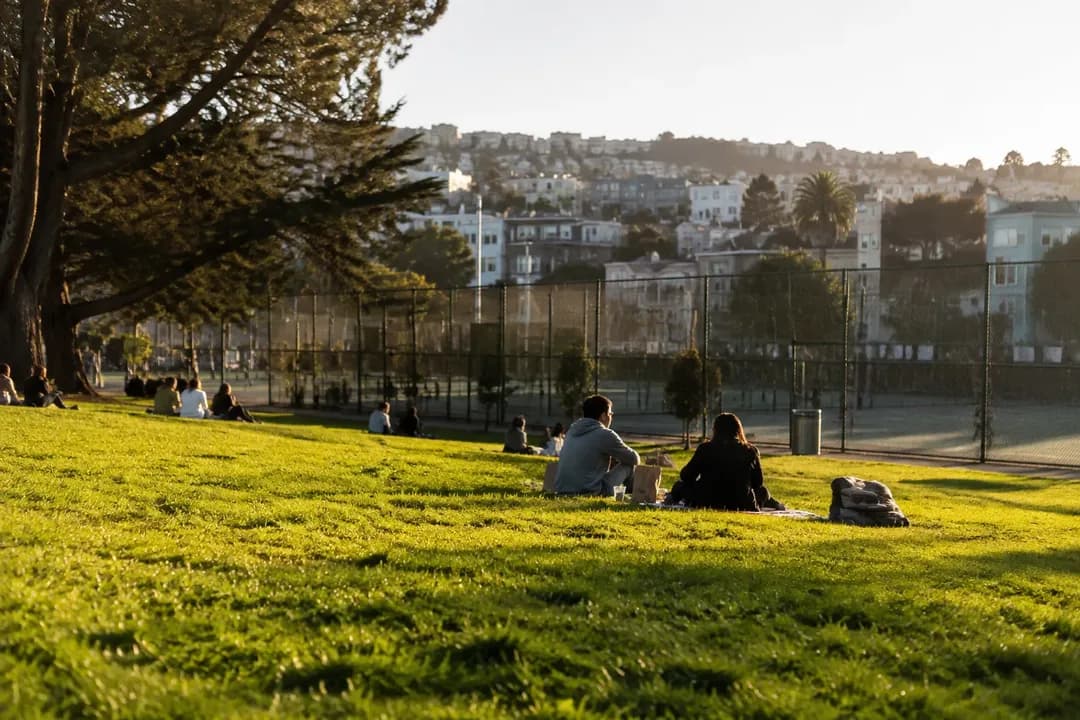
The Mission gets warmer in the afternoons than the northern waterfront, which makes it a better choice if you are planning an after-work route or want to sit outside with your drink. Dolores Park, at the eastern edge of the neighborhood, offers open hillside seating with views and enough space that you can claim a spot even on a busy day. The park's lower, flat section near the tennis courts has benches and less wind. The 22 Fillmore and the J Church lines both stop within two blocks of the park, and the walk from Valencia is flat if you stay on 18th Street.
Check before you go and know your exit
None of the spots mentioned here require reservations, but hours change seasonally and some smaller operations close for a week or two in summer for staff breaks. If you are planning a route that depends on a specific café or juice counter being open, check their social media or call ahead. The Ferry Building's main marketplace posts vendor hours online, but individual stalls sometimes close early if they run out of stock, especially on weekend mornings during peak farmer's market hours.
Parking near the Ferry Building is expensive and limited; street parking in North Beach is restricted and heavily metered. If you are driving, plan to park once and walk, or use the Embarcadero BART station as your entry point. Muni's F Market line runs along the waterfront and connects the Ferry Building to Fisherman's Wharf and the Castro, but it is slow and frequently crowded. The 8 Bayshore and the 30 Stockton lines offer faster connections to North Beach from downtown and SoMa.
If your first-choice spot is closed or too crowded, the Ferry Building's arcade almost always has at least one stall serving cold-pressed juice or a blended drink, and the seating area near the back of the building is usually quieter than the front entrance. For a completely free backup, Washington Square Park in North Beach has benches, grass, and a clear view of Saints Peter and Paul Church. It is a five-minute walk from Columbus Avenue and serves as a good endpoint if you want to sit and finish your drink without spending more.
Practical notes
- Ferry Building marketplace opens at 10 a.m. weekdays, 8 a.m. Saturdays; individual stalls keep shorter hours
- Fog and wind peak mid-morning and mid-afternoon along the Embarcadero; bring a layer even in July
- Most juice counters close between 5 and 7 p.m.; verify hours before planning an evening route
- Muni's 8, 30, and F lines serve North Beach and the waterfront; BART's Embarcadero station is a flat walk to the Ferry Building
- Street parking in North Beach is metered and limited; plan to arrive by transit or park once and walk
- Washington Square Park and Embarcadero benches offer free seating; Dolores Park is the best backup in the Mission
Tags: #karpo #sanfrancisco #northbeach #erewhon #smoothies #juicebars #ferrybuilding #missiondistrict #hayesvalley #freethingstodo #sfwalking #organicdrinks #coldpressedjuice #dolorespark #embarcadero
Sources consulted: Ferry Building Marketplace · SF Recreation and Parks
All trademarks are the property of their respective owners.
Ask Karpo first
Text Karpo before you head out to confirm which juice bars and smoothie counters near your starting neighborhood are open right now, especially if you are going on a weekday evening or a Monday. Ask for the flattest walking route between two spots if you want to avoid the hills, and request a backup location if your first choice just closed or has a long line.
Ask Karpo for more information.
Keep reading
- Waterfront Park Near Me: Candlestick Point State Recreation Area Shoreline
 Waterfront Park Near Me: Heron's Head Park Marsh Trail in Bayview
 Waterfront Park Near Me: India Basin's Shipyard Shore in Bayview