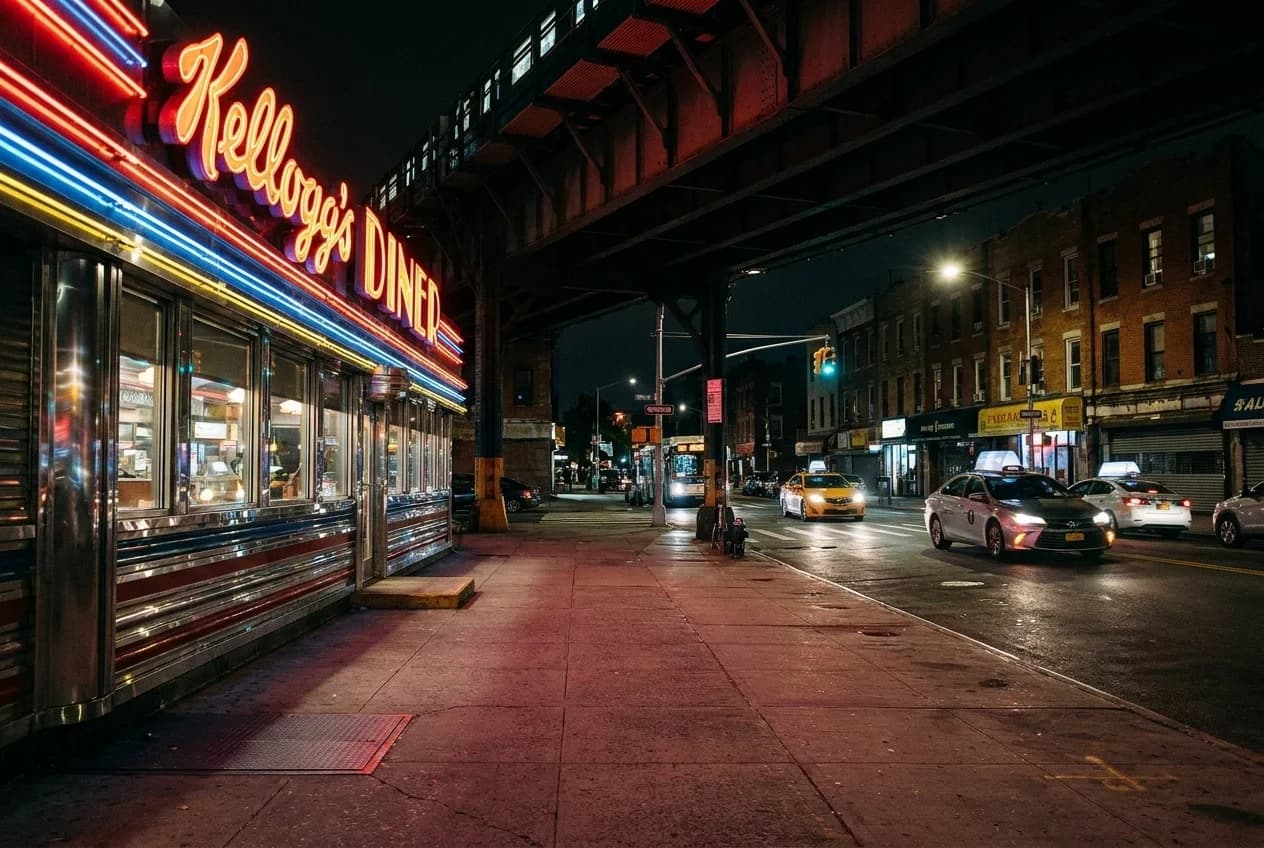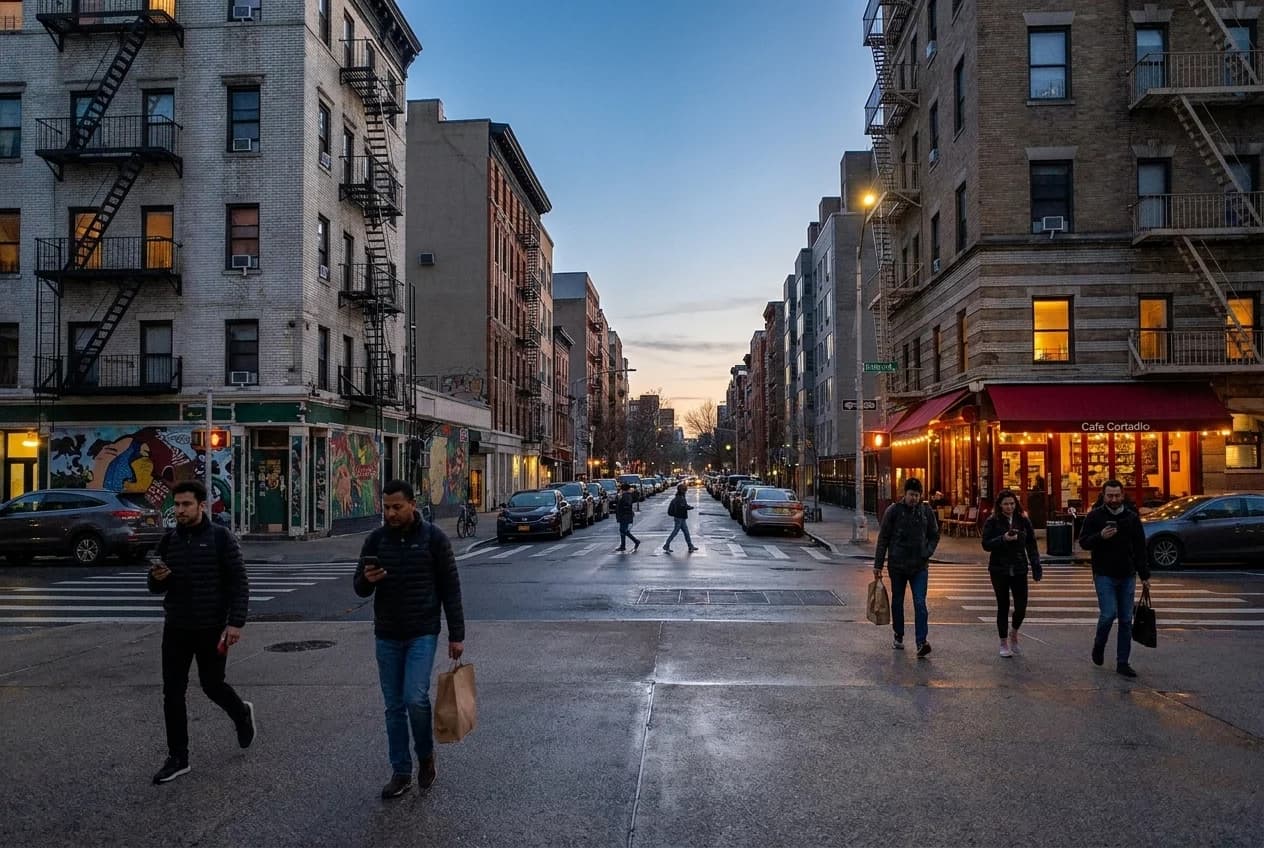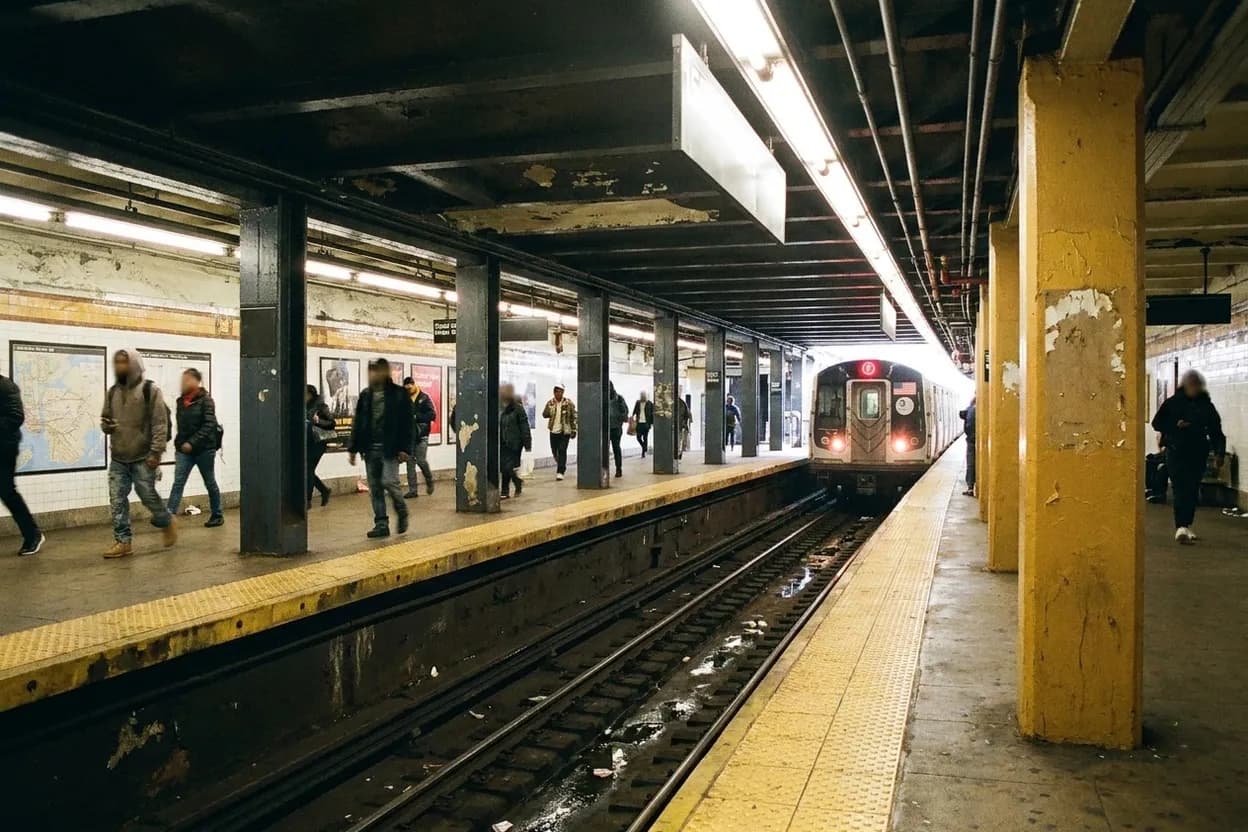
Coogan’s Bluff, a significant promontory in Upper Manhattan, offers a unique vantage point where sports history and natural geography converge. This Harlem overlook, part of the expansive Highbridge Park, once provided a dramatic backdrop to the legendary Polo Grounds. For those seeking a tangible connection to New York City’s past, particularly its rich baseball heritage, a visit here offers more than just a view; it’s an immersive step into a vanished landscape. Understanding its context—the bluff, the hollow, and the river—is key to appreciating this distinctive urban experience.
Want to explore this unique intersection of history and landscape? Text Karpo "Coogan's Bluff" for a personalized, step-by-step itinerary.
The Geographic Heart of Coogan's Bluff
Coogan’s Bluff is not merely a hill; it’s a prominent promontory near the western shore of the Harlem River, firmly situated within the Washington Heights area of Manhattan. NYC Parks describes it as a substantial cliff extending northward from 155th Street, a key geographic anchor for understanding its location and historical significance. The bluff's defining physical feature is its steep escarpment, dropping approximately 175 feet to the Harlem River valley below, creating a natural amphitheater that once cradled a historic sports venue.
This dramatic elevation difference is crucial for appreciating the bluff's role in the city's narrative. The area around Coogan’s Bluff is now integrated into Highbridge Park, a green expanse that stretches from 155th Street up to Dyckman Street. This parkland was assembled in stages, primarily between 1867 and the 1960s, with major sections, including cliffside and Fort George Hill parcels, acquired in the early 20th century, ensuring this unique topography remains accessible to the public.
Echoes of the Polo Grounds Below
The historical association of Coogan’s Bluff is inextricably linked to the Polo Grounds, the former home of the New York Giants and, briefly, the New York Mets. The bluff itself once overlooked this iconic ballpark, which sat in what was known as Coogan’s Hollow—the low area between the bluff and the Harlem River. This geographical relationship meant that fans on the bluff could sometimes catch a glimpse of games below, adding a unique, unofficial viewing experience to the city’s baseball lore.
For visitors today, understanding this layered landscape is essential. The bluff is the ridge above, Coogan’s Hollow is the basin below, and the former stadium site occupied that low ground. While the stadium is gone, the dramatic topography remains, allowing one to mentally reconstruct the scene and appreciate the unique challenges and character this setting brought to games played there. This historical context transforms a simple view into a panorama rich with memory and imagination.
Navigating to the Overlook
Accessing Coogan's Bluff is straightforward for those familiar with NYC's transit system. Public transit options commonly cited for the area include the 155th Street subway station, which serves the IND Concourse Line with both B and D train service. This station provides a direct link to a core geographic anchor of the bluff, making it a convenient starting point for many visitors from across the city. Additionally, several local bus routes traverse the vicinity, offering further options for reaching the area.
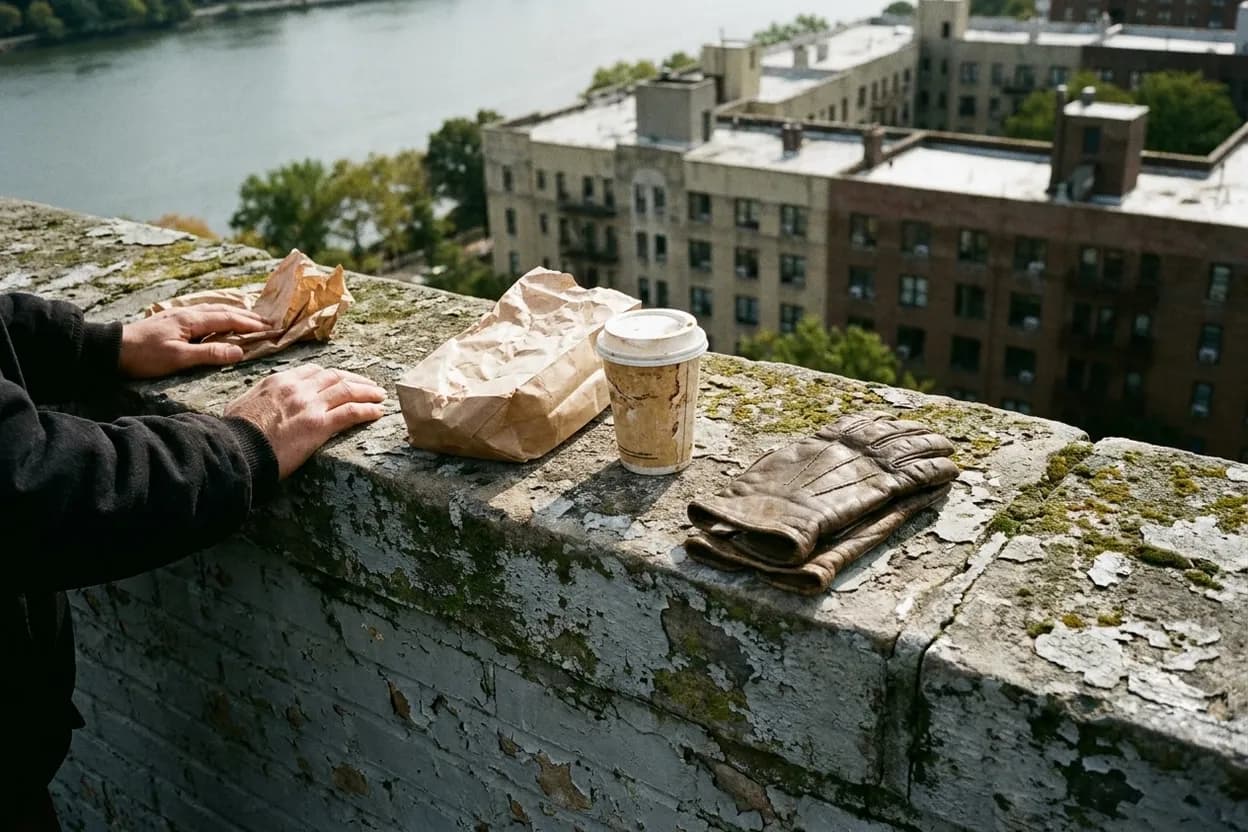
Once in the area, the key is to orient oneself around 155th Street, as NYC Parks explicitly places Coogan’s Bluff northward from this thoroughfare. The experience is about appreciating the ridge-top viewpoint over the former ballpark basin, so focusing on elevated areas that provide an unobstructed view of the Harlem River valley and the land below the 175-foot escarpment is advised. This careful navigation ensures visitors arrive at the most impactful vantage points.
Stairways to History
The area around Coogan’s Bluff is also home to historical access routes that once connected the bluff to the Polo Grounds below. One notable example is the John T. Brush Stairway, a route historically associated with the former ballpark area. While its current public access status should be verified, its presence underscores the intricate pedestrian connections that once defined the experience of attending games at the Polo Grounds, linking the elevated residential areas to the stadium in the hollow.
Another significant access point is the Bushman Steps, officially listed by NYC Parks as being located at Edgecombe Avenue and West 157th Street. These steps are close to the historic overlook zone of Coogan’s Bluff and offer a tangible, if steep, connection to the lower elevations. For those interested in experiencing the full geographical context, exploring these stairways provides insight into the daily lives of residents and fans who traversed this dramatic landscape.

A Plan for Exploring the Bluff
A visit to Coogan’s Bluff is best paced to allow for appreciation of both the natural landscape and its historical significance. Start by arriving at the 155th Street subway station (B/D lines) to place yourself at the most relevant area for orientation. From there, ascend towards the higher elevations of Edgecombe Avenue. Your goal is to find a vantage point where you can distinctly observe the steep, roughly 175-foot drop to the Harlem River valley, which was once Coogan’s Hollow and the site of the Polo Grounds.
Allocate sufficient time to simply absorb the view and reflect on the layers of history. Imagine the stadium below, and consider the unique challenges and advantages of its location. This is not a site with extensive interpretive signage or a dedicated visitor center, so bringing your own context and historical understanding will enhance the experience. The beauty lies in connecting the existing geography to the vanished past, making it an active, contemplative visit rather than a passive observation.
Beyond the Overlook: Highbridge Park
Coogan’s Bluff is an integral part of Highbridge Park, an extensive urban park that offers more than just historical views. The park, which runs from 155th Street to Dyckman Street, was assembled over many decades, beginning in the late 19th century. This means visitors can combine their historical exploration of Coogan’s Bluff with walks along the park's pathways, enjoying the natural environment and other features of this significant green space in Upper Manhattan.
While the bluff itself provides a focused historical point, the surrounding park offers opportunities for a longer outing. The park’s diverse terrain, including additional cliffside parcels acquired in the early 20th century, makes it a valuable resource for recreation and urban nature experiences. For those with more time, exploring Highbridge Park further can deepen the appreciation for the larger landscape in which Coogan's Bluff is situated.
Practical notes and verification
Before your visit, always verify current access conditions directly with NYC Parks. While Highbridge Park is an active public park, the specific status of all stairways, trails, or viewing areas within the Coogan's Bluff section can vary. The provided sources do not specify dedicated visitor center hours or real-time closures for the bluff itself. Similarly, the John T. Brush Stairway's current open status should be checked, as past reports indicated it was not openly accessible. The Bushman Steps at Edgecombe Avenue and West 157th Street are an official location reference, but confirm if specific segments are open end-to-end.
No reservation, ticketing, or timed-entry system is indicated in official sources for visiting the bluff area. However, it's always advisable to consult the NYC Parks website for Highbridge Park for any last-minute advisories or operational changes that might affect your plan. Be prepared for varied terrain, as the area involves significant elevation changes. A visit is best planned for daylight hours to fully appreciate the views and navigate the park safely.
Tags: #CoogansBluff #HarlemHistory #PoloGrounds #NYCParks #HighbridgePark #SecretSportsHistoryViews #ExploreNYC #WashingtonHeights #ManhattanViews #BaseballHistory #NYCWalking #UrbanExploration #AskKarpo #BeforeYouGo
Sources consulted: Source 1: nycgovparks.org · Source 2: nycgovparks.org · Source 3: nycgovparks.org · Source 4: en.wikipedia.org · Source 5: hmdb.org · Source 6: streeteasy.com · Source 7: nycgovparks.org · Source 8: movie-locations.com · Source 9: sites.google.com · Source 10: mywalkinmanhattan.com
All trademarks are the property of their respective owners.
Ask Karpo first
Tell Karpo your date, group size, budget, and starting neighborhood. We’ll check current access, timing, transit, and the cleanest plan for Coogan’s Bluff before you head out.