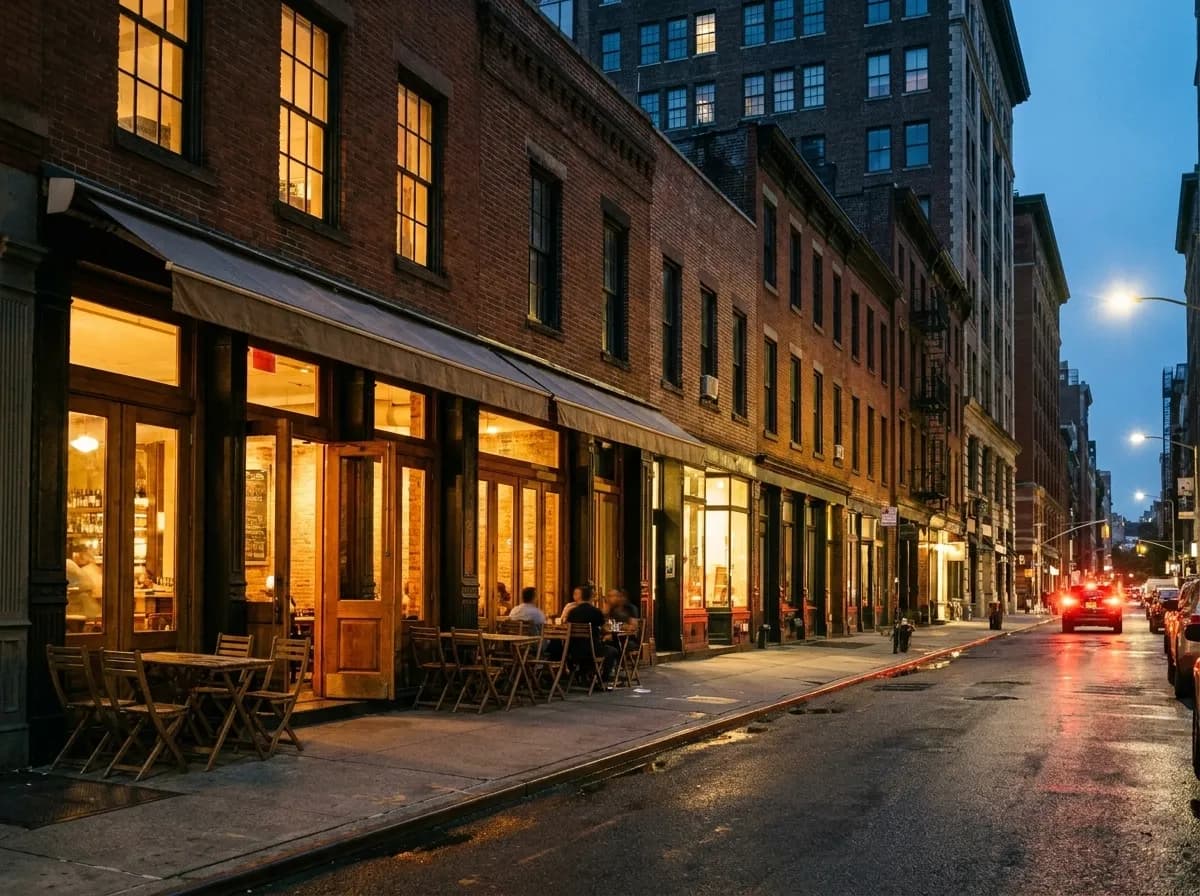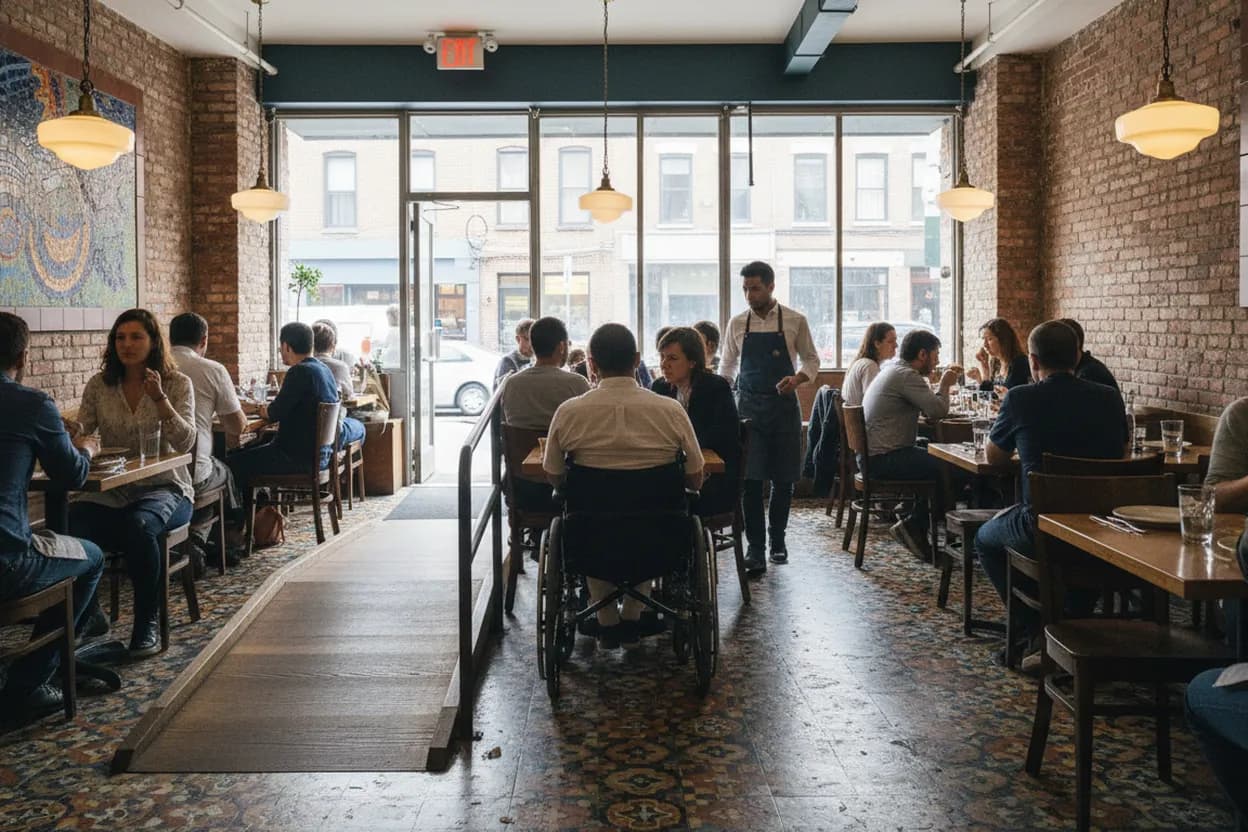
Contento earned attention because it treated wheelchair access as part of hospitality, not a favor added at the door. That made it a meaningful East Harlem dinner idea for a wheelchair user and companion planning something special. The practical problem on July 20, 2026 is current availability: multiple current listings and reporting identify Contento at 88 East 111th Street as permanently closed, with Patch reporting a final dinner service on December 21, 2024. So the best use of this guide is not to send you blindly there. It is to preserve what made the plan work, explain what must be verified, and help you choose a nearby or replacement dinner without losing access certainty.
Want a special dinner plan that starts with ramps, restrooms, transit, and backup timing? Text Karpo before you book, and we’ll help pressure-test the night before anyone commits.
Start With The Closure Check
Do not make Contento the active reservation target until you personally confirm a reopening or successor operation. Apple Maps, Eater’s venue page, The Infatuation, and other current listings mark the restaurant permanently closed, while Patch reported that Contento planned its last dinner service for December 21, 2024. If a booking platform, delivery page, or scraped directory still shows hours, treat that as stale unless it links to a live official reservation flow and current restaurant channel.
The access lesson still matters. Contento was widely covered for a lowered bar section, wheelchair-friendly table planning, same-level restroom access, adaptive utensils, and menu support for low-vision diners. Those details are the standard to carry into the replacement search. The question is no longer only whether dinner tastes special. It is whether the entrance, host stand, seating path, table height, restroom route, payment flow, pickup location, and exit all work without negotiation.
Why Contento Became The Model
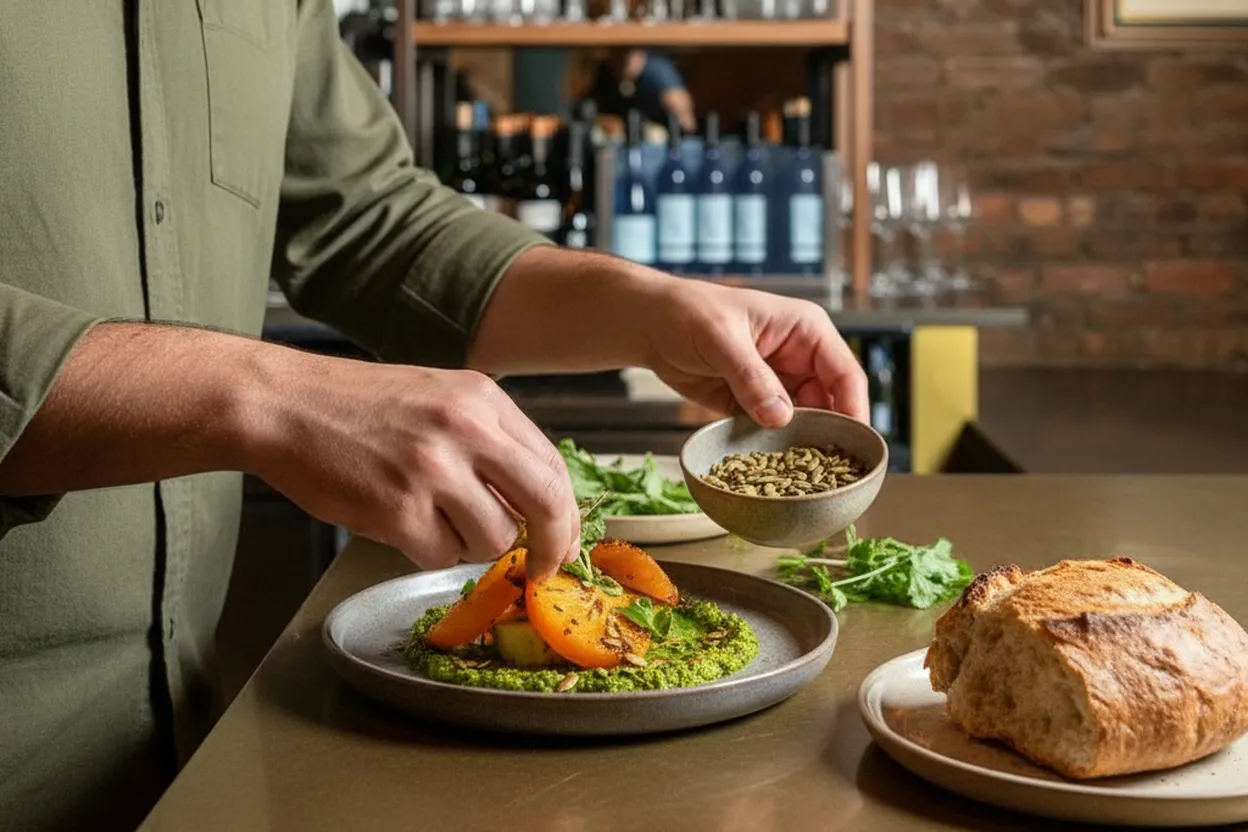
Contento’s reputation came from lived design rather than vague accessibility language. Co-founders George Gallego and Yannick Benjamin, both wheelchair users, were repeatedly reported as shaping the room around barriers they knew firsthand. Reviews from Condé Nast Traveler, The Infatuation, Time Out, NY1, and local outlets described a dining room where bar height, table spacing, restroom placement, and staff awareness were central parts of the experience, not side notes buried beneath the wine list.
That is why the venue remains useful as a planning benchmark even if the original restaurant is gone. A special meal with access needs at the center should not depend on heroic staff improvisation. It should feel ordinary in the best sense: direct arrival, dignified seating, a companion close enough for conversation, a restroom that can actually be used, and service that asks specific questions without turning the diner into a public project.
Build The Replacement Reservation
For an early dinner on a hot July evening, start with the reservation conversation, not the cuisine. Ask whether the main entrance is level with the sidewalk or served by a usable ramp or lift, whether the doorway is at least 32 inches wide, and whether wheelchair dining spaces are distributed through the room with a level route. Those are the same criteria NYC’s Wheelchair Friendly decal program asks restaurants to assess before posting the city decal.
Then get granular. Ask for the exact seating option, not just “accessible table.” Confirm whether the route to that table crosses tight turns, bar crowds, temporary outdoor furniture, storage, mats, cellar doors, or a hostess bottleneck. Ask whether the restroom is on the same level as the dining room and whether staff can note mobility needs in the reservation. If the answer sounds improvised, hold the table only while you identify a stronger backup.
Transit Needs A Separate Plan
East Harlem’s subway geography can be unforgiving for wheelchair users because the nearest station is not automatically the usable station. MTA’s current app guidance tells riders to use Accessibility mode to identify fully or partially accessible stations and to check elevator status before going. For this dinner type, that means routing around actual operating elevators, not around the shortest walking distance shown by a general map, especially when summer heat makes extra blocks harder.
Build the trip backwards from arrival comfort. In heat, a longer roll from a reliable elevator may beat a shorter route with uncertain curb cuts, crowds, or an elevator outage. Check subway, bus, Access-A-Ride, taxi, and rideshare options separately. If using a car, decide the drop-off side of the street before leaving home, because a blocked curb, construction plate, or missing ramp can turn the last fifty feet into the hardest part of the evening.
Street-Level Failure Modes
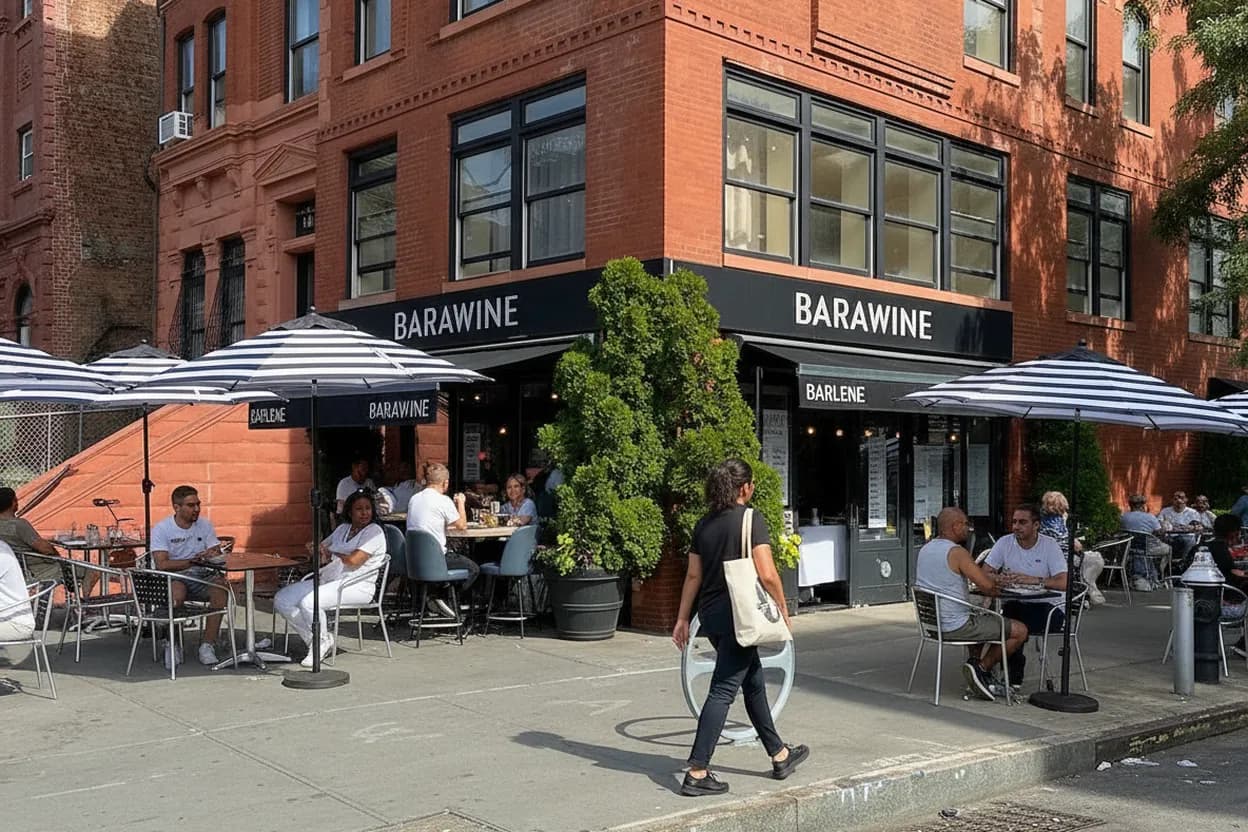
NYC DOT says pedestrian ramps are essential access tools and maintains programs for sidewalks, curb ramps, and pedestrian space, but that does not guarantee every corner works cleanly on a given night. Summer dining setups, trash collection, delivery bikes, scaffolding, roadwork, and double-parked cars can all narrow the path. A restaurant can be thoughtfully designed inside and still become difficult if the approach route is broken, crowded, or poorly lit.
For a special meal, assign one person to check the outside route before the reservation is emotionally loaded. Use Street View only as a first pass, because construction and outdoor dining conditions change. Call the restaurant after opening, ask about the current entrance area, and request the least congested arrival time. If the answer is uncertain, book earlier, arrive with buffer, and keep a second restaurant or takeout fallback within a realistic travel radius.
What Makes It Still Feel Special
Access-first planning does not have to flatten the night into logistics. The special feeling comes from removing the avoidable stress early enough that the diner can focus on food, wine, conversation, and pacing. Contento’s strongest reported appeal was that accessibility and hospitality worked together. Use that as the emotional test for any replacement: will the wheelchair user feel expected, seated well, and served naturally, or merely accommodated after friction?
Choose a room where early dinner is an advantage. Earlier seating usually means quieter sidewalks, less crowding at the host stand, more staff bandwidth, and a better chance of choosing the table rather than taking what remains. Avoid restaurants that rely on tight bar waits, basement restrooms, raised dining platforms, or outdoor-only solutions in heat. A backup does not make the night less romantic or celebratory; it protects the reason for going out.
What to verify for Contento, East Harlem
Before committing, verify five facts the same day: the restaurant is open, your reservation exists, the entrance route is step-free or has a usable ramp or lift, the assigned table is reachable with enough turning room, and the restroom is accessible from the dining room without stairs. For transit, check MTA elevator or escalator outage information close to departure, then check again before leaving dinner, because the return trip matters as much as arrival.
If any fact cannot be confirmed, make that uncertainty part of the decision. Do not accept “we should be fine” for a milestone meal, a hot evening, or a diner who has had access promises fail before. Contento’s legacy is not just that one East Harlem restaurant tried harder. It is that a good dinner plan can begin with access, keep dignity intact, and still leave room for pleasure.
Tags: #ContentoNYC #EastHarlem #AccessibleDining #WheelchairAccessible #NYCRestaurants #DinnerPlan #AccessFirst #RestaurantAccess #HarlemDining #NYCTransit #StepFreeNYC #AskKarpo #BeforeYouGo #KarpoNYC
Sources consulted: Source 1: theinfatuation.com · Source 2: patch.com · Source 3: ny.eater.com · Source 4: intercom.help · Source 5: nyc.gov · Source 6: nyc-business.nyc.gov
All trademarks are the property of their respective owners.
Ask Karpo first
Tell Karpo your date, group size, budget, and starting neighborhood. We’ll check current access, timing, transit, and the cleanest plan for Contento, East Harlem before you head out.