Concrete Plant Park stands as a testament to urban renewal, a unique riverside green space in the Longwood area of the Bronx. What was once an active concrete manufacturing facility from the late 1940s until 1987 has been thoughtfully transformed into a public park. The site, acquired by NYC Parks in 2000 and opened in 2009, deliberately retains elements of its industrial heritage, such as silos and conveyors, making the history of the landscape visible. This park offers a distinctive experience, blending natural riverfront beauty with a compelling narrative of reclamation, appealing to those seeking an accessible, historically rich outdoor escape.
Want a personalized itinerary for exploring NYC's reclaimed spaces or navigating the Bronx River? Text Karpo for a tailored plan.
Understanding the Park's Unique Identity
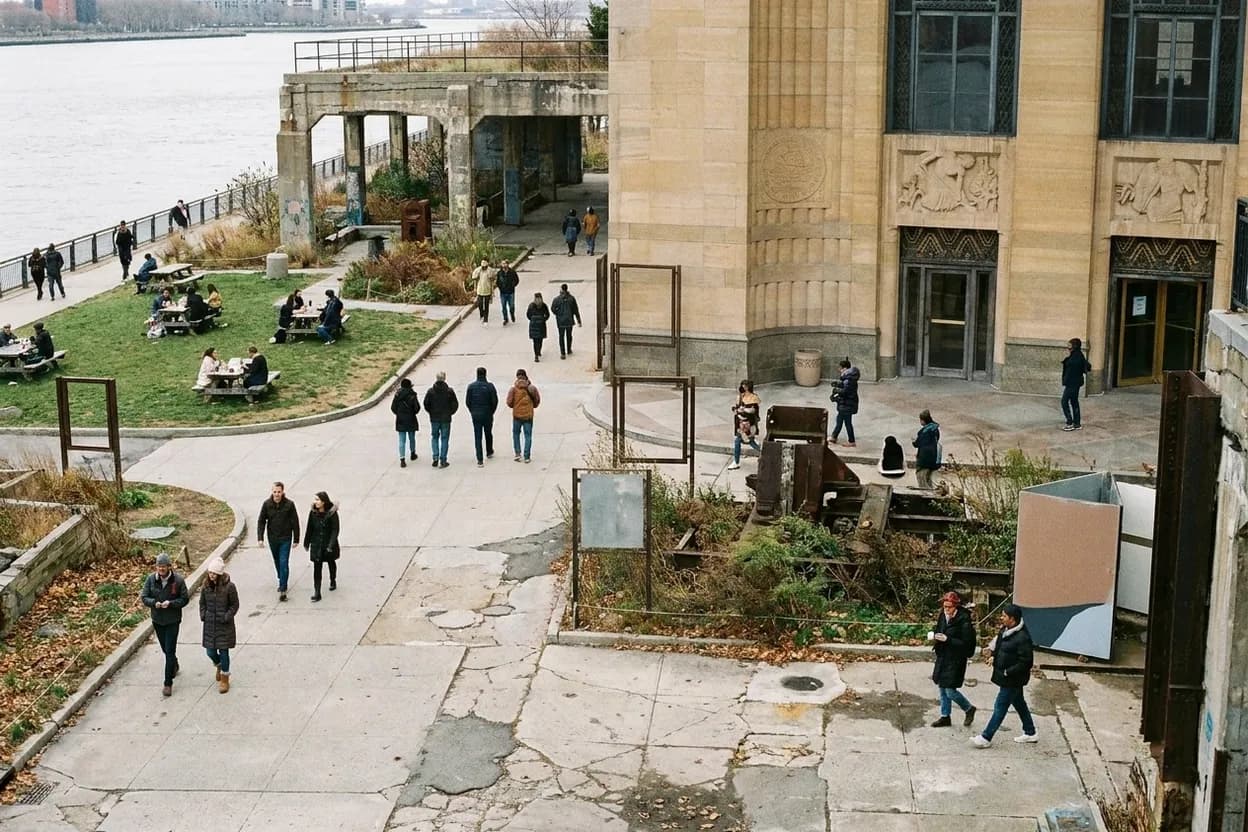
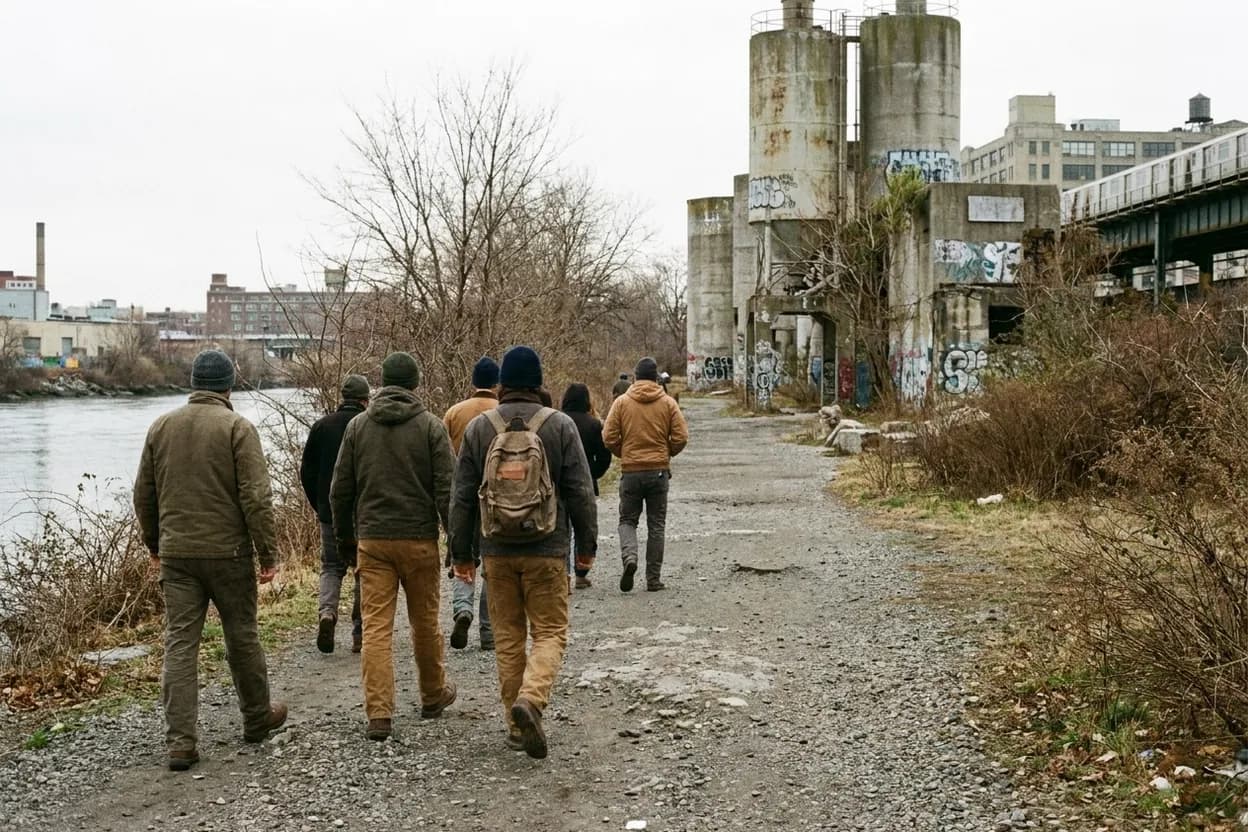
Concrete Plant Park is not a typical manicured green space; its character is deeply rooted in its former life as an industrial site. The park’s design intentionally integrates remnants of the concrete plant, including structures like hoppers, silos, and conveyors. These preserved elements are central to the park's identity, providing a tangible link to its past and showcasing a successful model of industrial reclamation. Visitors can observe how these robust structures have been repurposed within the landscape, offering a visual journey through the site's transformation.
Located on the Bronx River between Westchester Avenue and Bruckner Boulevard, the park is a vital component of the Bronx River Greenway. This positioning highlights its role not just as a local amenity but as a piece of a larger environmental and recreational corridor. It serves as a waterfront access point, distinguishing it from parks that are solely land-based, and invites engagement with the river itself, a key feature for understanding its ecological and recreational value.
Planning Your Visit to the Riverside
Accessing Concrete Plant Park is straightforward, with entrances conveniently located at both Westchester Avenue and Bruckner Boulevard. This dual entry allows for flexible exploration, whether you prefer to start at the northern or southern end of the park. When planning your arrival, consider which entrance best suits your intended path through the park, especially if you aim to spend time near specific historical structures or the riverfront promenade.
The park is designed for varied activities, from leisurely strolls along the waterfront promenade to quieter moments in the reading circle, or simply relaxing on the concrete lounges. For those interested in the river, the park includes a canoe/kayak launch, indicating its active role as a hub for paddling. It's advisable to check with official sources regarding any specific conditions for launching, such as seasonal availability or specific usage guidelines, as these details can change.
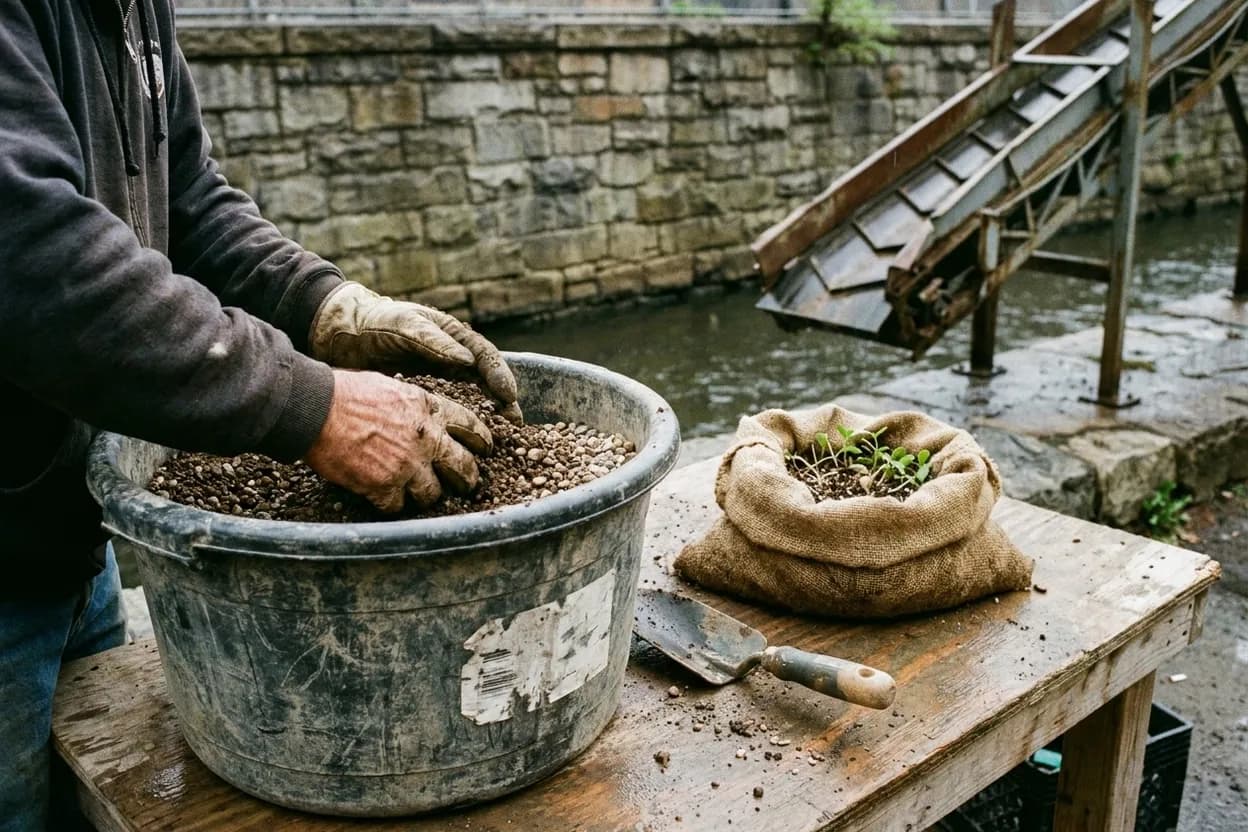
Engaging with the Bronx River
The Bronx River is a central feature of Concrete Plant Park, and the park offers direct ways to engage with this urban waterway. For paddlers, the park is recognized by the Bronx River Alliance as a significant canoe-trip launch point in the estuary. This makes it an ideal starting or ending location for those exploring the river by kayak or canoe, providing a unique perspective of the Bronx's natural and industrial landscapes from the water.
Fishing is another popular activity at the park, attracting those who enjoy urban angling. While the Bronx River Alliance notes fishing as a current use, visitors should verify any licensing requirements, designated fishing areas, or seasonal limits through official channels before casting a line. Understanding these details ensures a compliant and enjoyable experience on the river.
Discovering Reclaimed Ecology and Design
Beyond its industrial relics, Concrete Plant Park showcases successful ecological restoration, including a restored salt marsh. This natural feature contributes to the park’s biodiversity and provides a habitat for various species, illustrating how formerly industrialized land can be revitalized into thriving ecosystems. Observing the salt marsh offers insight into the park's environmental commitment and the broader efforts to improve the health of the Bronx River.
The park's design thoughtfully integrates its past with its present. The preserved industrial features are not just historical markers; they are part of the park's aesthetic, making the transformation visibly legible in the landscape. This blend of industrial heritage and natural renewal creates a distinctive atmosphere, inviting visitors to reflect on the interplay between human activity and environmental recovery.
Navigating the Park's Distinctive Features
When exploring Concrete Plant Park, prioritize locating the preserved industrial structures—especially the silos, hoppers, and conveyors. These elements are the most visible reminders of the site's manufacturing past and are key to appreciating the park's unique "reclaimed" identity. They provide excellent photo opportunities and serve as focal points for understanding the park's narrative of transformation from an industrial facility to a public green space.
The park's location on the west bank of the Bronx River provides a clear orientation. Visitors should recognize that the park’s main appeal lies along its riverfront edge rather than solely at its street frontage. This understanding helps in planning an exploration route that maximizes engagement with the water, the promenade, and the park's specific river-facing amenities.
Optimal Timing and Pacing for Your Visit
Concrete Plant Park is best experienced at a moderate pace, allowing time to absorb both the industrial history and the natural riverside environment. A visit of 1-2 hours is typically sufficient for a thorough walk-through, including stopping to observe the preserved machinery and enjoying the river views. For those planning to launch a canoe or kayak, allocate additional time for preparation and retrieval.
As an open public park, Concrete Plant Park offers flexibility in timing. While specific official daily hours were not present in the provided sources, public parks generally operate from dawn to dusk. Visiting during daylight hours is recommended to fully appreciate the park's features and for safety. Weekday mornings might offer a quieter experience, while weekends could see more activity on the river and in the park.
Practical notes for your visit
Before heading to Concrete Plant Park, verify current access conditions and any operational advisories. While NYC Parks and the Bronx River Alliance confirm open public access, specific details regarding canoe/kayak launch availability, fishing regulations, or any temporary closures are best confirmed directly through the official NYC Parks website or the Bronx River Alliance website. These sources are the most reliable for up-to-date information on park use and facilities.
For those planning river-based activities, be aware that waterway conditions can change. The Bronx River Alliance provides a specific access notice regarding the boom and advises contacting the NYC DEP Marine Section at (718) 595-3493 if the boom is full of debris. This is a critical detail for paddlers to ensure safe passage and river access. Always check for any such advisories to prevent unexpected disruptions to your river-going plans.
Tags: #ConcretePlantPark #BronxRiver #ReclaimedParks #NYCParks #UrbanRenewal #SouthBronx #IndustrialHistory #WaterfrontNYC #KayakingNYC #FishingNYC #BronxRiverGreenway #AskKarpo #BeforeYouGo #NYCoutdoors
Sources consulted: Source 1: nycgovparks.org · Source 2: bronxriver.org · Source 3: nyc.gov · Source 4: bronxriver.org · Source 5: freshkillspark.org · Source 6: en.wikipedia.org · Source 7: bronx.com · Source 8: bronxriver.org · Source 9: bronxriver.org
All trademarks are the property of their respective owners.
Ask Karpo first
Tell Karpo your date, group size, budget, and starting neighborhood. We’ll check current access, timing, transit, and the cleanest plan for Concrete Plant Park before you head out.