Any given week of concerts in San Francisco looks like one long list and behaves like four separate markets. There is the arena, there are the theatres, there are the classic mid-size clubs, and there is the sub-three-hundred-capacity tier where most of the interesting music in this city actually happens. Prices, booking behaviour and the odds of walking up on the night are completely different in each, and reading a listings page without that frame produces a lot of bad decisions.
Door times and support acts rarely match the listing. Ask Karpo who is actually playing near you tonight and when the headliner goes on.
Tier one: the arena and the big theatres
Chase Center and the Masonic sit at the top and are the least interesting part of the week for anyone who lives here. Tickets are expensive, the sound is what arena sound is, and the experience is essentially identical to the same tour in any other city. The one thing worth noting is that the Masonic, up on Nob Hill, has a genuinely good room for its size and is worth the price premium in a way an arena is not.
The Warfield and the Fillmore anchor the tier below. The Fillmore in particular is a piece of American music history that still functions as a working venue — the poster tradition, the bowl of apples at the door, the upstairs room full of framed bills going back to the sixties. Going once for the room rather than the act is a defensible use of an evening.
Tier two: the mid-size clubs that define the city
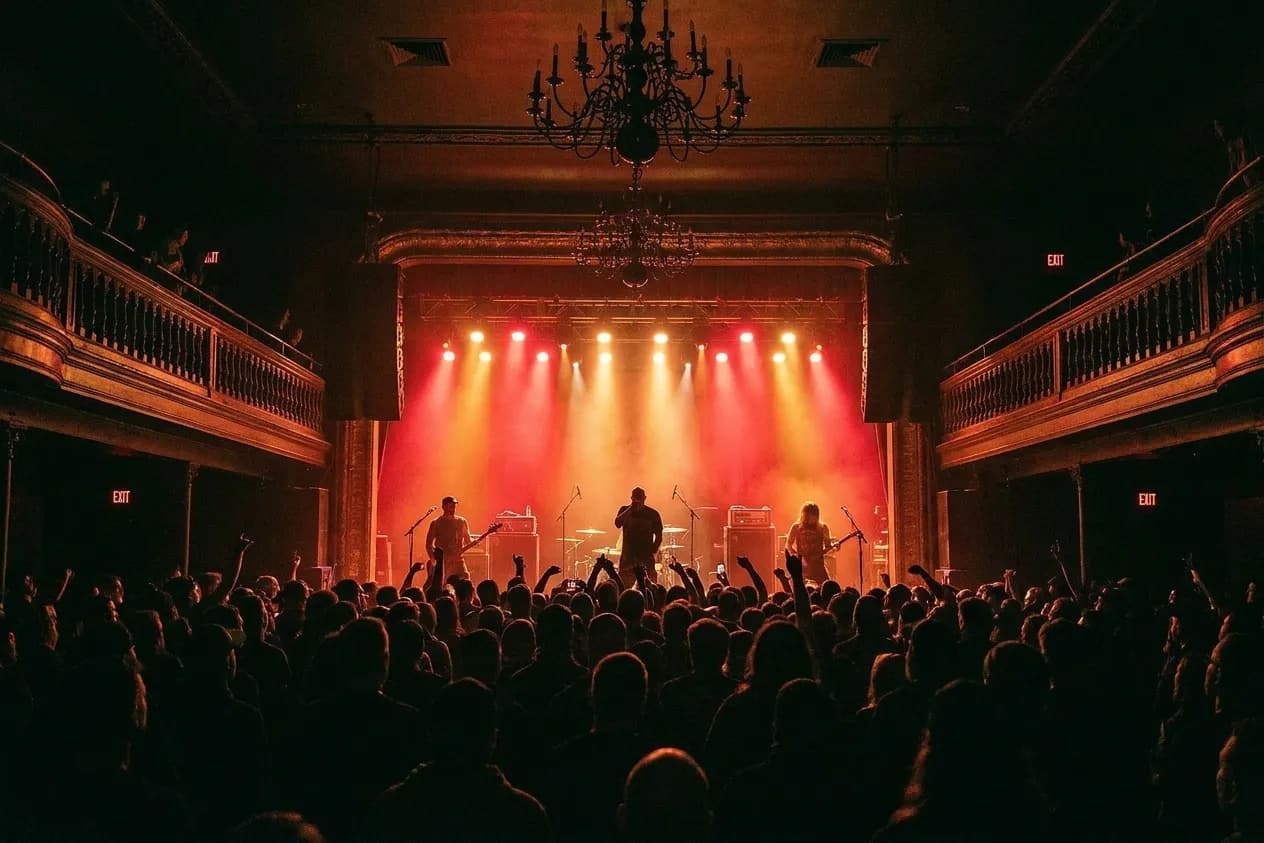
The Great American Music Hall is the most beautiful music room in San Francisco and one of the oldest continuously operating venues in the country, with a balcony, a lot of gilt and a seated option upstairs. Bimbo's in North Beach has been running since the thirties and still has the supper-club layout. Slim's is gone; the Chapel in the Mission has absorbed some of that role, in a converted mortuary building with genuinely unusual acoustics.
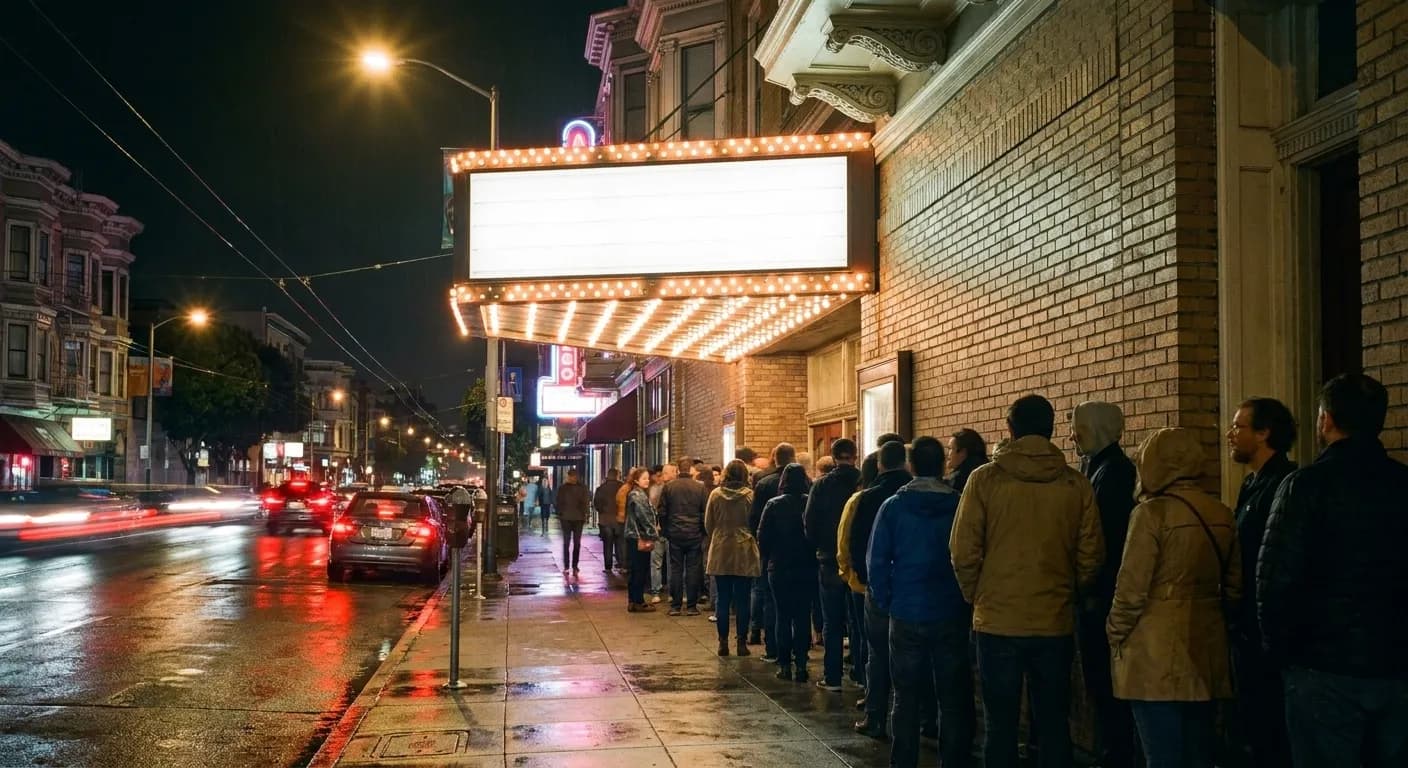
These rooms hold somewhere between five hundred and twelve hundred and they are where a touring band with a real following plays. If a show here has sold out, it has actually sold out, and the venue's own ticket exchange is the only reliable route in.
Tier three: the small rooms, which is the real answer
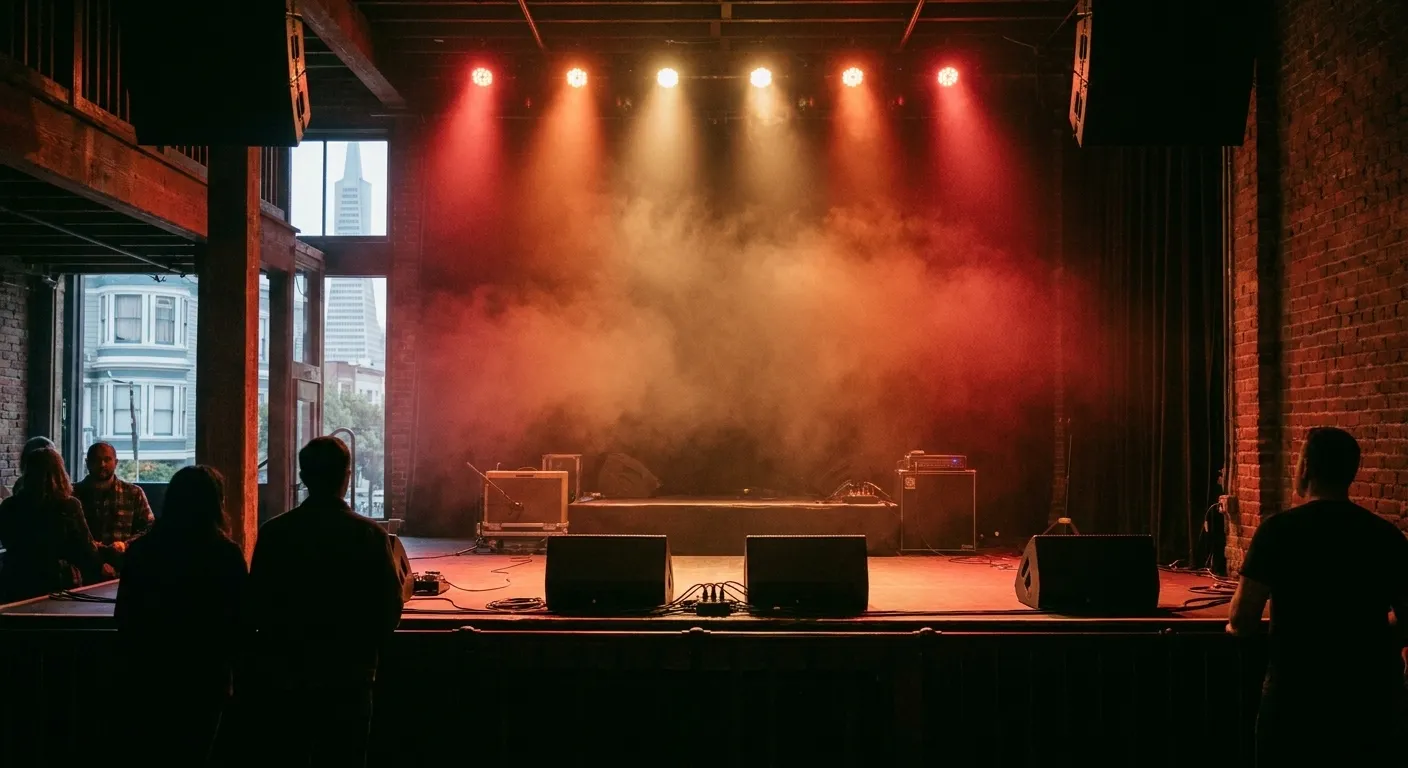
The Independent on Divisadero is the best-run small venue in the city and books an unusually wide range — a night of indie rock, a night of West African guitar music, a night of something unclassifiable. Bottom of the Hill in Potrero has been the city's punk and indie proving ground for decades and has a back patio, which matters more than it sounds like it should.
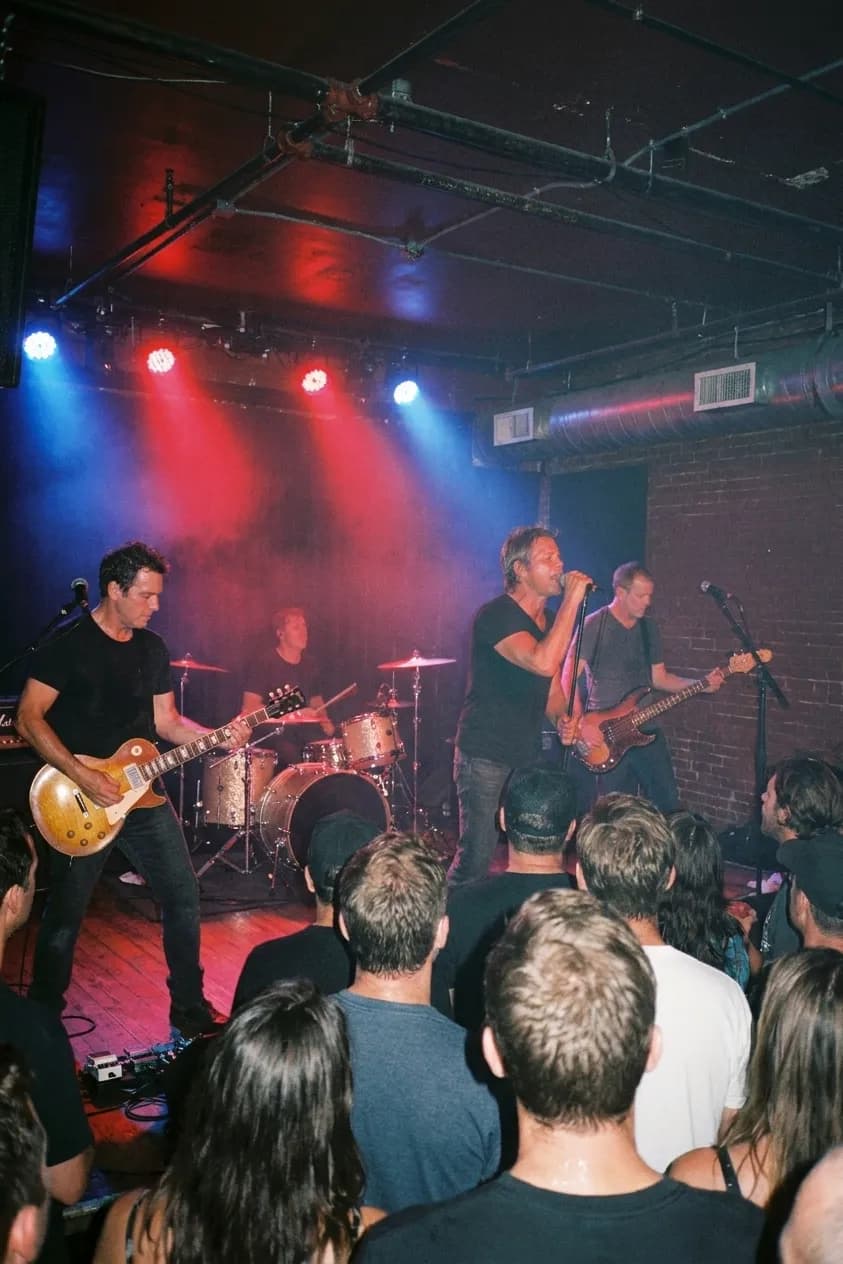
Below that there is a genuine circuit: the Knockout, Thee Parkside, the Rickshaw Stop, Amado's, the Make-Out Room. Cover charges in this tier run from nothing to about twenty dollars, the bills are usually three or four acts, and you can decide to go at eight o'clock on the night. This is where the actual music scene of the city lives, and it is almost entirely absent from the listings that visitors see.
Which nights are good
Thursday is the strongest night of the week in San Francisco for live music, more so than Friday, because touring routing between Los Angeles and Portland tends to put the mid-week date here. Sunday is unexpectedly good in the small rooms — early shows, cheap covers, and the local bills that clubs use to fill the calendar. Monday and Tuesday are thin everywhere except the jazz rooms.
The jazz exception is worth noting on its own. There is a steady weeknight circuit in this city — the Mission, the Fillmore district, a few hotel bars downtown — where good players work standing gigs for a small cover or none at all. It runs on nights when the rock clubs are dark, which makes it the correct answer to a quiet Tuesday.
Where the genres actually live
Geography still maps onto sound here more than you would expect. The Mission carries most of the punk, garage and Latin music, with a long tradition of cumbia and salsa nights that predate the current bar scene by decades. Divisadero and the Fillmore corridor carry soul, funk and jazz, which is historically appropriate — that stretch was the centre of Black musical life in the city before redevelopment gutted it in the mid-century.
The Sunset and the Richmond have almost nothing, which is worth knowing before you plan an evening out there. And the East Bay is genuinely part of this market: several Oakland and Berkeley rooms book the same touring circuit, and BART runs late enough on weekends to make a show across the water a reasonable proposition rather than an adventure.
How to actually plan a week
Check the small venues first and the big ones last. The arena show will still be available; the four-hundred-capacity show will not. Look at door times rather than listed start times, because in the small rooms the headliner rarely goes on before ten-thirty and a listed eight o'clock means the first support act. And if you are travelling across town, remember that a lot of these venues cluster — Divisadero, Sixteenth Street in the Mission, and the Tenderloin edge each have several within walking distance of each other.
Tags: #SanFrancisco #ConcertsSF #LiveMusic #TheIndependent #BottomOfTheHill #GreatAmericanMusicHall #TheFillmore #TheChapel #MissionDistrict #Divisadero #SFNights #BayArea #GigGuide
All trademarks are the property of their respective owners.
Ask Karpo first
Ask Karpo which concerts near you in San Francisco are on tonight, what the cover is at the smaller rooms, and whether anything still has tickets at the door.