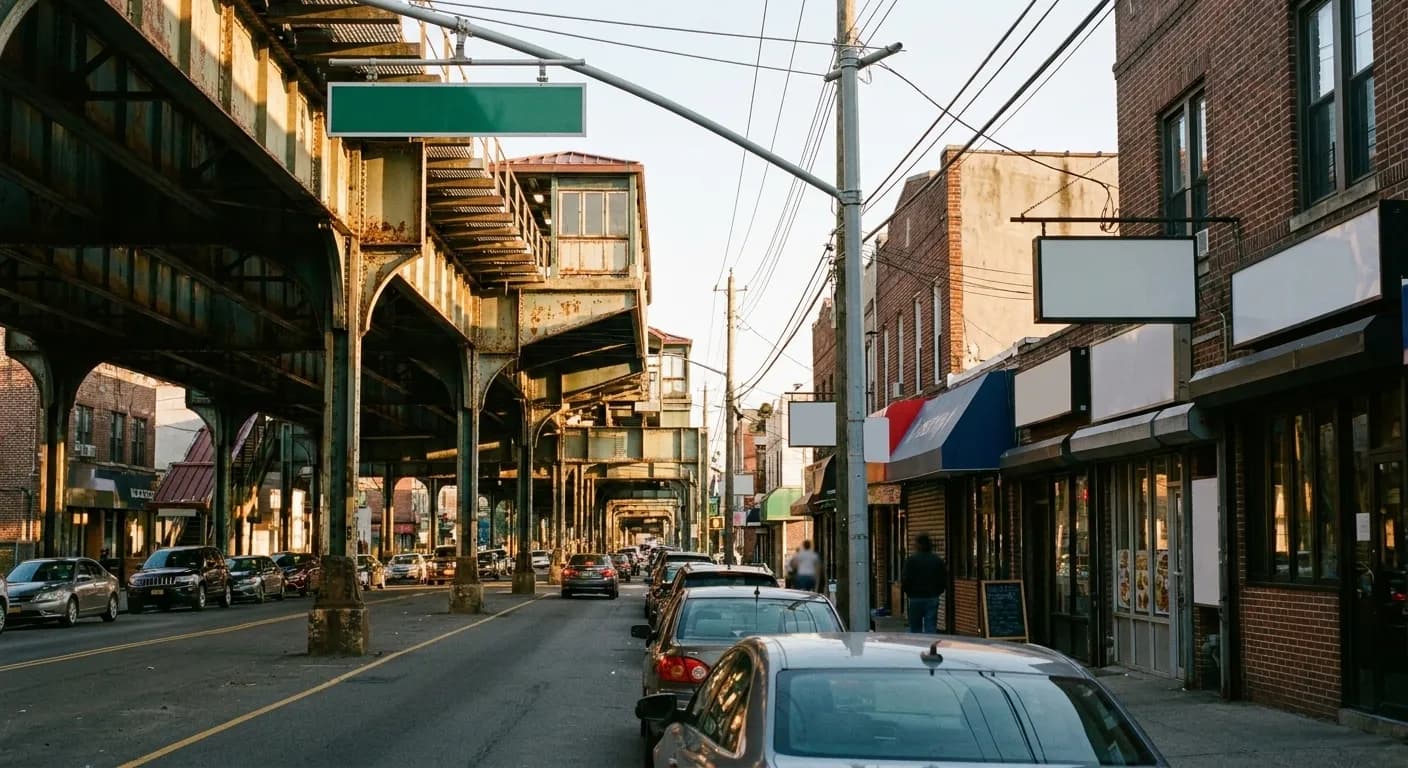
When you buy a concert ticket in New York you are buying two things, and most people only think about one of them. The band is the obvious half. The building is the other, and it decides how long the night runs, how far you travel, what time you get home and whether the show ends at a natural point or is cut off by a legal deadline. This season the differences between the city's venues are unusually sharp, and the calendar closes on some of them entirely.
The outdoor season has a hard end date and a 10pm curfew that other venues do not. Ask Karpo what is playing in New York on the night you are free and which venue actually suits the evening you want.
Forest Hills Stadium — Ends in October, and Ends at Ten
The Forest Hills Stadium season runs June through October, and that is the whole outdoor calendar in one line: once it closes, the format does not exist again until next summer. This year's programme has run to multiple nights from Zac Brown Band and King Gizzard & The Lizard Wizard, a Juneteenth mini festival, and one-off evenings including David Byrne and Hayley Williams.
The detail that changes how you plan the night is the curfew. Stadium officials operate a 10pm curfew as part of the sound mitigation agreed with the surrounding neighbourhood, after a permit and noise dispute that at one point put the whole summer in doubt before a deal with residents brought the season back. Ten o'clock is not a guideline here, it is the deal that keeps the venue running — so support acts start early, headline sets are shorter than the equivalent indoors, and you are on the train home at an hour that would be mid-set anywhere else. That is a feature if you have work in the morning and a genuine disappointment if you were expecting a long encore.
Brooklyn Paramount — 2,700 People in a Restored Theatre
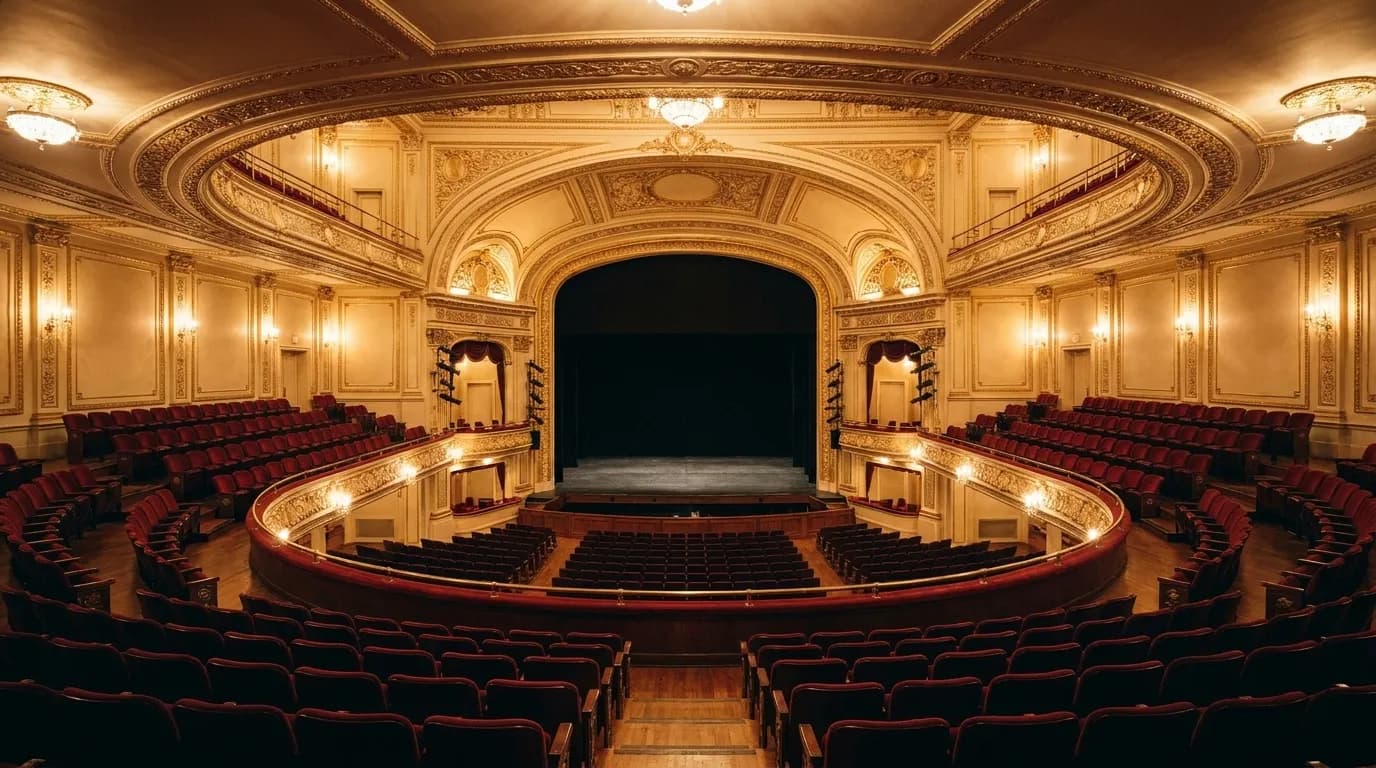
The Brooklyn Paramount is the newest important room in the city and also one of the oldest buildings. After a renovation that began in 2017 it reopened on 27 March 2024 with a headline set from Damian and Stephen Marley, and it now runs at a capacity of 2,700 in both standing and seated configurations.
That number is the reason to care. Twenty-seven hundred is the awkward, excellent middle — large enough to attract acts that have outgrown club stages, small enough that the back of the room is still a real view. If you are choosing between two dates on a tour and one of them is here, this is usually the better ticket, and it is a short ride from most of Brooklyn and lower Manhattan rather than an expedition.
The Arenas Are a Logistics Decision
Madison Square Garden and Barclays Center are the two rooms where the show is only part of the calculation. They are chosen for you — an act at that level plays one of the two — so the real decision is timing rather than venue. Early September alone has had Rauw Alejandro at the Garden on the fifth and Don Toliver out at Forest Hills Stadium on the sixth, which is a good illustration of how differently two shows on consecutive nights can run.
Treat arena tickets as a travel plan. Sets start later, the room empties slowly, and both venues sit directly on top of major transit, which is the single biggest advantage they have over everything else on this list. If a show finishes at 11:30pm, the Garden is above Penn Station and Barclays is above Atlantic Terminal, and that is worth real money on a weeknight.
Buying at the Right Moment
Two habits are worth more than any presale code. The first is to check the venue before the act — if the same tour is playing a 2,700-seat theatre and an arena within a month, the smaller room is almost always the better night and frequently the cheaper one.
The second is to know the seasonal deadline. The outdoor venue closes in October and everything shifts indoors, which means demand for the mid-size indoor rooms rises for the rest of the year. Tickets you might have bought casually in July become harder in November. If there is an autumn or winter show you actually care about, buying it before the outdoor season ends is a genuine advantage rather than superstition.
Reading a Listing Properly
Doors time and set time are different numbers and the gap is not standard: an hour is common indoors, longer at the stadium, where an early start is forced by the curfew. Look for the number of support acts too — three supports at a curfewed venue means a headline set that has to fit into whatever remains before ten.
Finally, check what kind of ticket you are buying at the theatre. The Brooklyn Paramount runs both standing and seated configurations depending on the show, which means the same venue can be a completely different evening depending on the night. That detail is in the listing, and it is the one most people skip.
Practical notes
Forest Hills Stadium, Queens — 2026 season runs June through October with a 10pm curfew as part of sound mitigation agreed with local residents; this year's programme has included multiple nights from Zac Brown Band and King Gizzard & The Lizard Wizard, a Juneteenth mini festival, David Byrne and Hayley Williams. Brooklyn Paramount, Downtown Brooklyn — reopened 27 March 2024 with Damian and Stephen Marley after a renovation begun in 2017; capacity 2,700 in standing and seated configurations. Madison Square Garden sits above Penn Station and Barclays Center above Atlantic Terminal, which makes both the easiest late-night departures in the city. Line-ups and on-sale dates change constantly; confirm with the venue before buying.
Tags: #concerts #nycconcerts #livemusicnyc #foresthillsstadium #brooklynparamount #madisonsquaregarden #barclayscenter #nycshows #concerttickets #queens #brooklyn #manhattan #nycguide #gigs
All trademarks are the property of their respective owners.
Ask Karpo first
Line-ups move, curfews cut sets short, and the same tour can play two very different New York rooms in one month. Ask Karpo what is playing on the night you are free, which venue it is, and how late you would actually be getting home from each one.