Los Angeles has more live music on any given night than a person can process, which is the actual problem. A listings page for concerts in LA this month will show you three hundred shows with no way to tell which are worth the drive, the parking and the fees. The most useful filter is not genre or name — it is the size and type of the room, because that determines almost everything about how the night goes.
Which show is worth it depends less on the artist than on the room and what the ticket actually costs after fees. Tell Karpo what you like and what you will spend, and it will find the nights near you that are worth the trip.
The big outdoor rooms: buy for the setting
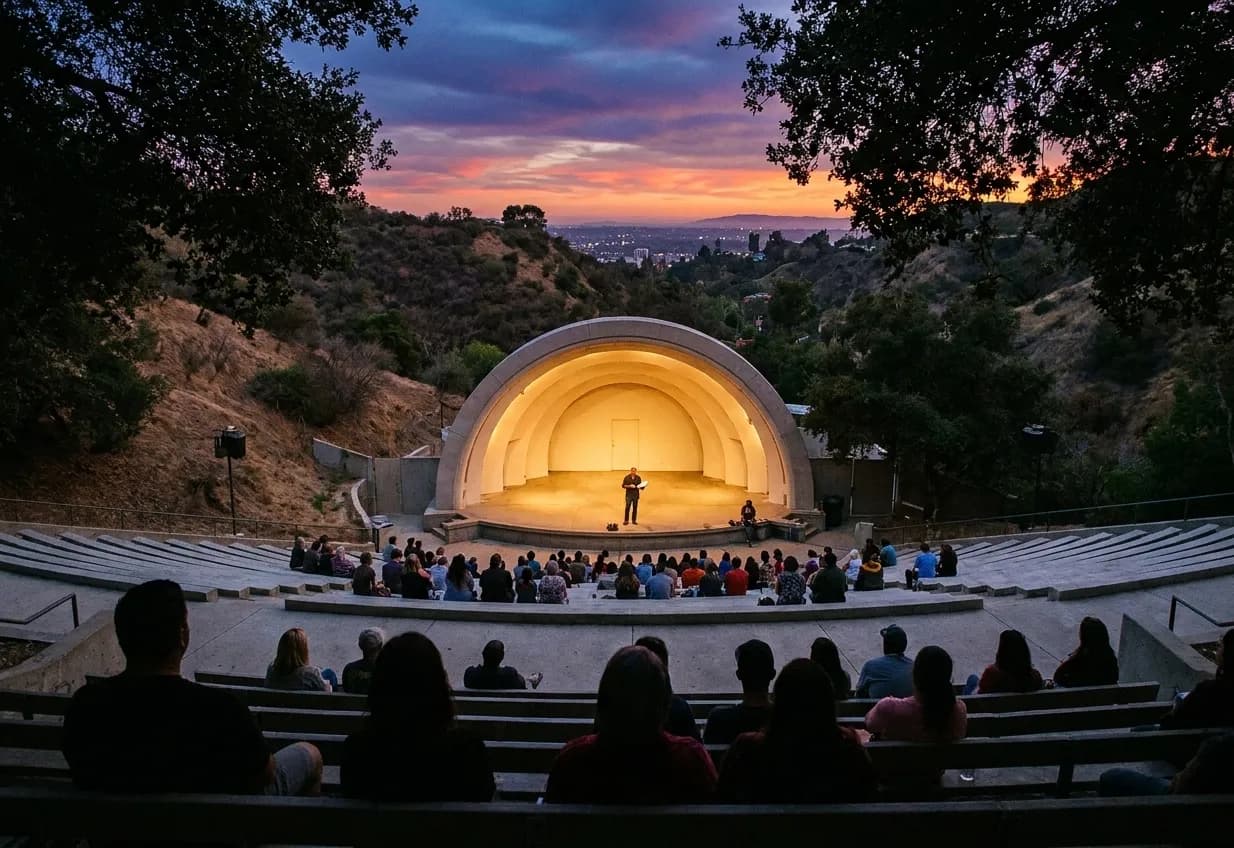
The city's outdoor amphitheatres, set in the hills, are the venues people remember, and the reason is the setting rather than the sound. A summer evening in a bowl under the sky with the city below is a genuinely special experience even for an artist you only half know, which makes these the right rooms to take a risk on.
They are also the ones with the most logistics. Parking is either stacked, remote or expensive, several run official shuttle services from park-and-ride points, and leaving at the end takes far longer than the drive in. Some allow you to bring food and wine and some do not, and that policy is worth checking, because where it is allowed a picnic before the set is half the point of the evening.
Arenas and large halls: check the seat, not the show
At arena scale in Los Angeles the artist is a given and the variable is where you are sitting. Upper-tier side seats at a large arena are a fundamentally different product from the floor, and the difference in enjoyment is much larger than the difference in price suggests. For anything at this scale it is worth looking at a seating photo before buying rather than picking by price alone.
The other arena-specific point is the fee structure. Service and facility charges commonly add a substantial percentage to the face value, and the number you see first is rarely the number you pay. Comparing two shows on face value alone is misleading; take both to the final checkout screen before deciding.
The mid-size theatres: the sweet spot
Los Angeles's historic theatres and mid-sized halls — the thousand-to-four-thousand capacity rooms scattered through Hollywood, Koreatown, downtown and the Valley — are the best value in the city. The sound is engineered for music rather than basketball, the sightlines work from anywhere, the buildings themselves are frequently worth seeing, and tickets cost a fraction of arena prices.
This is the tier to default to. An artist you like in a two-thousand-capacity theatre will almost always be a better night than the same artist in an arena two years later, and the tickets are easier to get because the demand has not concentrated yet.
The small clubs: where the city actually is
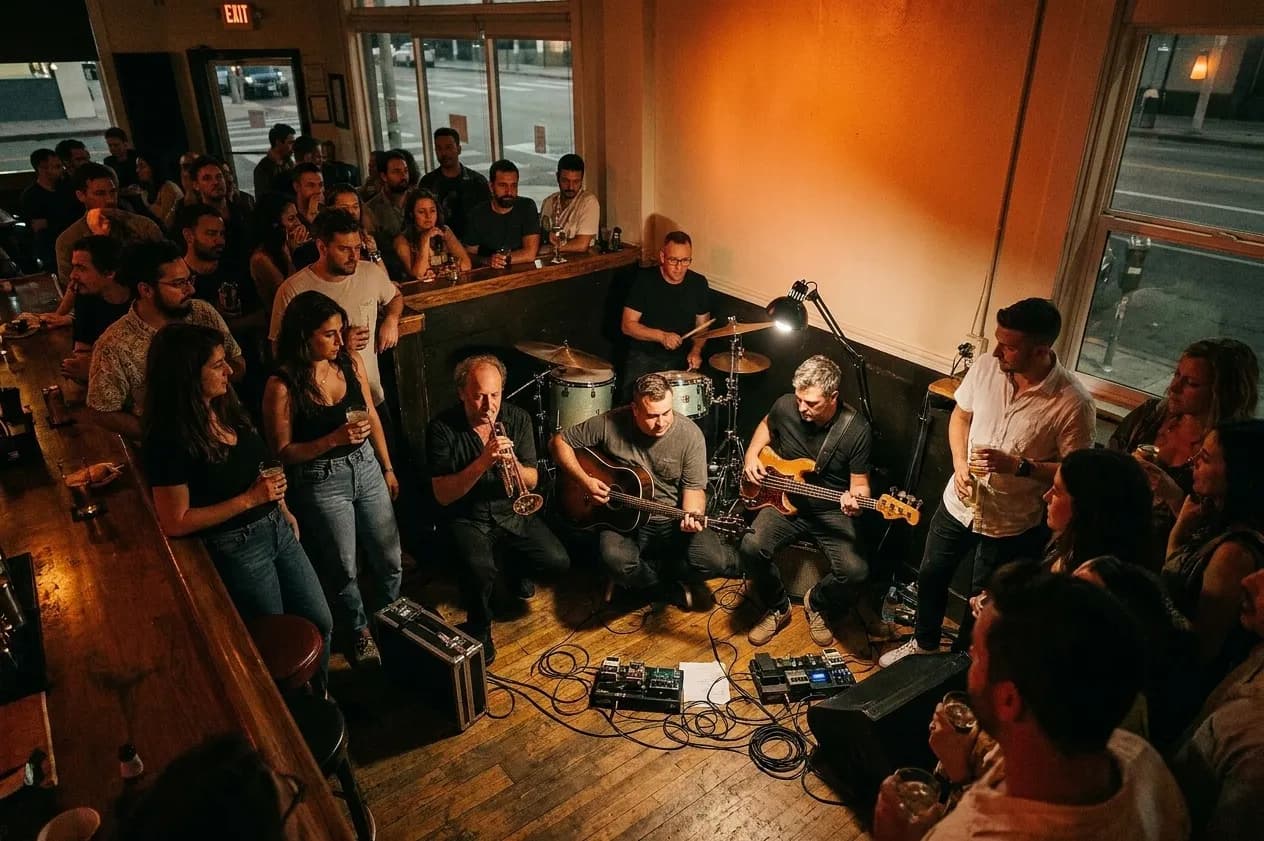
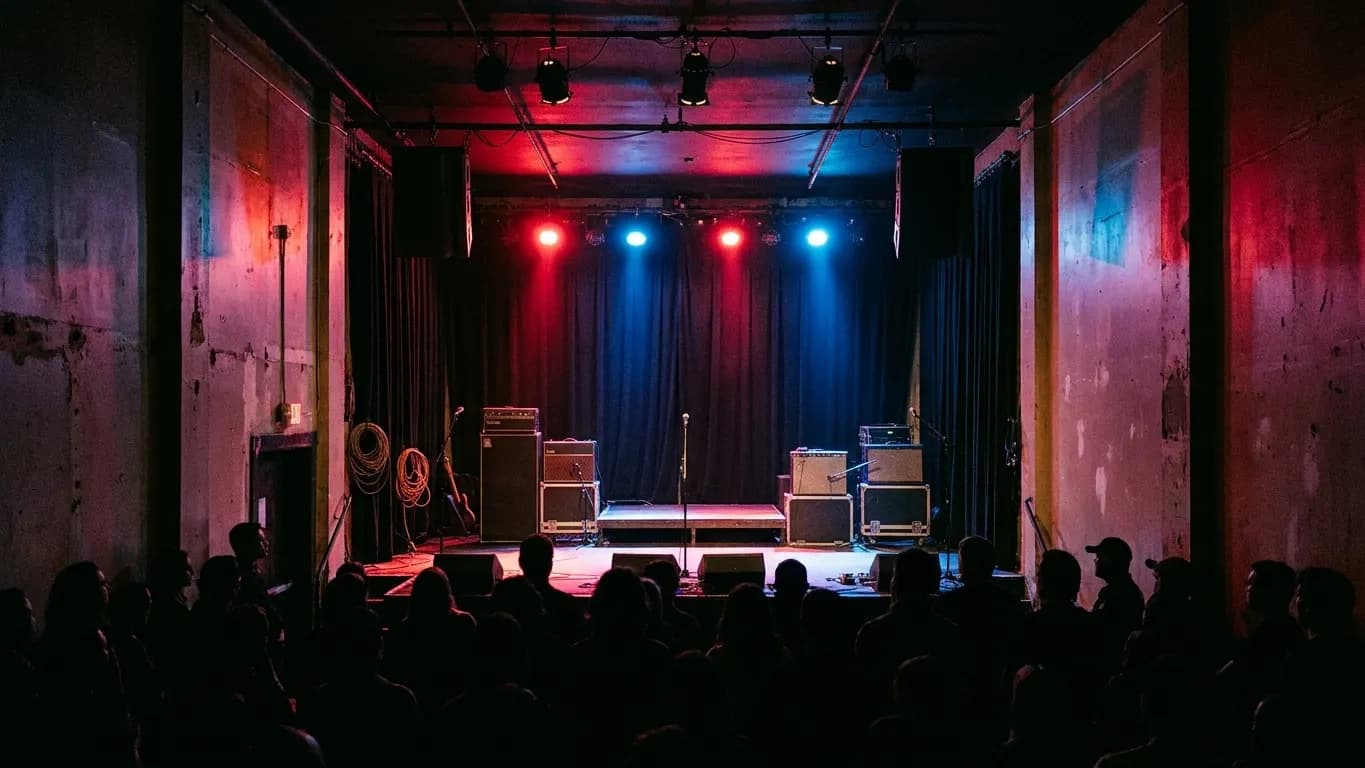
Below about six hundred capacity, Los Angeles has one of the deepest club circuits anywhere — rooms in Echo Park, Silver Lake, Hollywood, Koreatown and the eastside that run three or four bands a night, most of them for the price of two drinks. This is where touring bands play before they are expensive and where the local scene actually lives.
Two habits make this tier work. Go for the room rather than the headliner: pick a venue whose booking you trust and turn up for whatever is on. And arrive for the openers — in a city with this much talent, the first band on a Tuesday is frequently the reason you will have gone.
Practicalities that decide the night
Buy from the venue's own ticketing link where one exists, and be suspicious of resale listings that appear before a show goes on sale. Check whether the venue is all-ages or over-21, which varies by night at several rooms. And look at the transit options before assuming you will drive — several of the city's best mid-size and small venues sit on or near rail lines, and for an evening involving a drink that is worth more than any parking strategy.
Finally, check the door time against the set time. Los Angeles crowds have a reputation for arriving late, and at many clubs the headliner does not start until well after eleven on a weekend. Knowing that in advance is the difference between a good night and standing around for two hours.
How to find what is actually on
No single source covers this city. The local public radio and alternative press listings catch the mid-size and club shows, the venues' own calendars are the only reliable record of support acts, and a large share of the smaller gigs are announced only on the promoter's social feed a week or two out. Following four or five venues you trust is more effective than any aggregator.
For the outdoor season, note that programmes are published months ahead and the good nights sell early, while a meaningful number of seats are released again in the final week as holds are dropped. Checking a sold-out show a few days before is worth doing and costs nothing.
Tags: #LosAngeles #Concerts #LiveMusic #LAMusic #ThingsToDoLA #Hollywood #EchoPark #Koreatown #LANightOut #MusicVenue #Gigs #LAEvents #WeekendInLA #SmallVenues
Sources consulted: laist.com · discoverlosangeles.com · metro.net
Please drink responsibly. Must be of legal drinking age.
All trademarks are the property of their respective owners.
Ask Karpo first
Lineups shift, support acts change and the final price after fees is rarely the one advertised. Ask Karpo what is playing near you this month in the size of room you actually enjoy, and what the ticket will really cost.