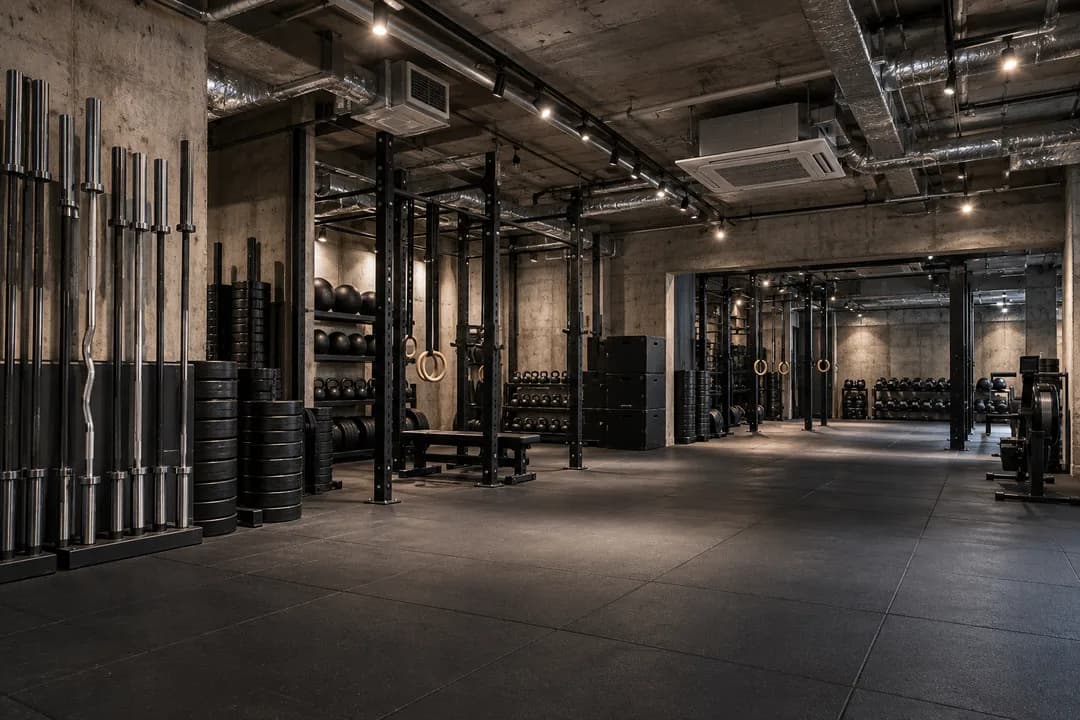
 CrossFit Gym Near Me in Nishi Azabu: CrossFit Nishi Azabu Tokyo
Sports Social
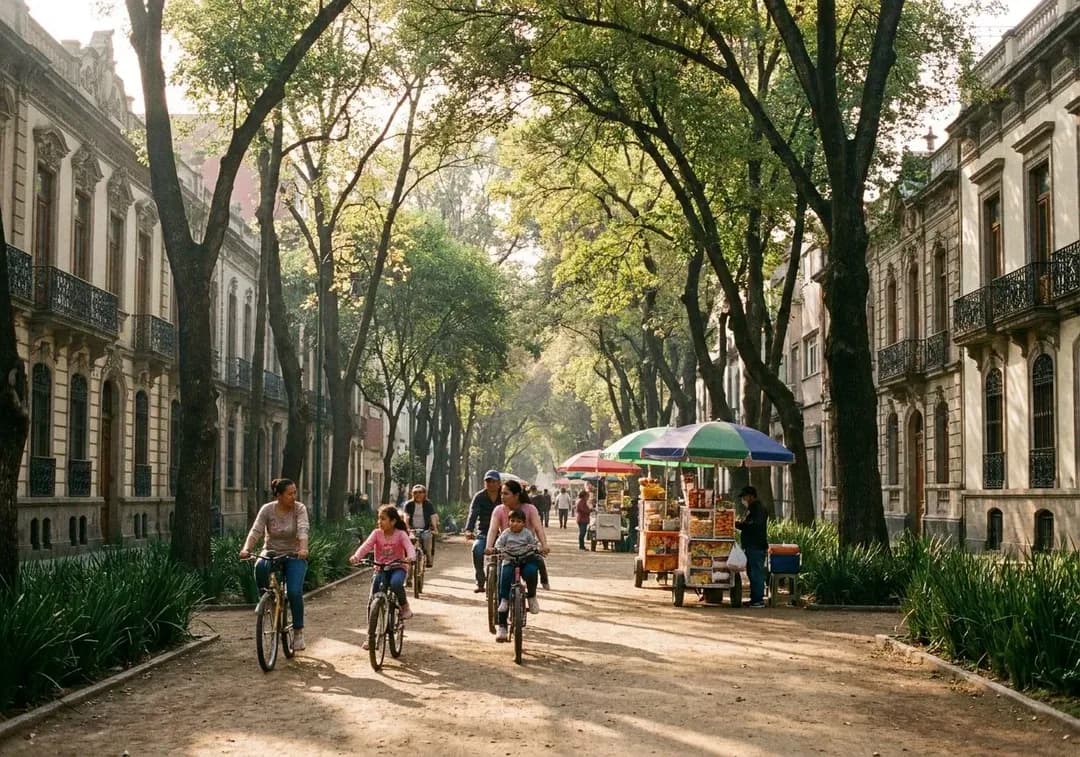
Colonia Roma's tree-lined camellones when Sunday cyclists reclaim the medians
Every Sunday morning, Mexico City bans cars from Avenida Álvaro Obregón and Amsterdam, transforming Roma's wide planted median strips into a slow-motion linear park where families, vendors, and serious cyclists share the tree-shaded camellones.
The thing about Roma's camellones is that they were always meant to be looked at—garden-like median strips wide enough for benches and mature trees, running down the neighborhood's grand avenues like elongated pocket parks. But every Sunday morning, when the city shuts down traffic for the Vía Recreativa program, those medians stop being scenery and become the main event. Suddenly the planted islands between lanes fill with families wobbling on rental bikes, serious cyclists in Lycra threading through at speed, kids on scooters, vendors pushing carts of fresh-cut fruit, and the particular Sunday-morning energy of a neighborhood moving at walking speed.
When the asphalt belongs to everyone
The Vía Recreativa on Sundays operates from 8:00 a.m. to 2:00 p.m., claiming a network of streets across the city for non-motorized traffic. In Roma, Avenida Álvaro Obregón and Amsterdam are among the most popular routes, and for good reason. Unlike the broader boulevards farther north, these streets were designed with generosity—the camellones aren't thin strips of grass but actual planted gardens, some sections a dozen meters across, shaded by jacarandas and ficus trees old enough to form canopies. When the cars disappear, the effect is less bike lane, more slow parade through a linear forest.
By nine the rhythm has settled. Regulars know to bring their own bikes—vintage three-speeds, cargo bikes loaded with toddlers, the occasional fixed-gear. Tourists and weekend planners cluster near the rental stands, figuring out gears. The asphalt smells faintly of damp leaves and sun-warmed pavement, and the usual urban roar drops to a hum of bells, laughter, and the rhythmic click of roller skates.

The rental economy at Glorieta de Cibeles
Bike rental stands cluster near the Glorieta de Cibeles and along Obregón, staffed by vendors who appear with the same reliability as the Sunday itself. Hourly rates typically sit under fifty pesos for basic city bikes—sturdy single-speeds with wide seats and upright handlebars designed for visibility, not velocity. The stands do brisk business until about ten-thirty, when most families have already claimed their wheels and the serious cyclists have lapped the circuit twice.
The vendors know the drill. They'll adjust your seat without asking, point you toward the calmer stretches if you mention kids, and flag you down with a whistle when your hour's nearly up. Cash still rules here, though a few stands have adapted to digital payments. The bikes themselves are purely functional—paint-chipped, brakes adequate, baskets optional. You're not here for performance. You're here because this is one of the few free things to do in the city that feels like a gift rather than a compromise.
Two camellones, two rhythms
The camellones on Amsterdam are narrower and more enclosed by trees than those on Obregón, creating a tunnel-like effect preferred by slower riders and families who want to avoid the faster traffic on the open stretches. Amsterdam's canopy is dense enough that even on bright spring mornings, you're riding through dappled shade, the light shifting in coins across the pavement. The narrower median means less room to pass, so the pace self-regulates—everyone slows down, calls out warnings, waits for gaps.
Obregón, by contrast, feels ceremonial. The camellones are wide enough for parallel streams of riders, with benches and flower beds that make the whole stretch feel like a park you happen to be cycling through. Faster riders claim the outer lanes. Families drift down the center. Vendors set up on the grass, selling cups of jícama with lime and chili, cold coconut water, tacos from insulated coolers. The trees here are older, taller, and the light comes through in shafts that give the whole scene a Sunday-morning holiness.

The vendors who appear only on Sundays
You start to recognize the regulars after a few visits. The woman with the two-tier juice cart always stakes out the same corner near Orizaba, blending papaya and orange to order in a blender powered by a portable battery. The taco vendor with the fold-out grill near Frontera works fast enough to serve the nine-thirty rush, when the early riders have worked up an appetite and the late starters haven't yet arrived. These aren't the vendors you see on weekday corners—they're Sunday specialists, part of an informal economy that follows the Vía Recreactiva from neighborhood to neighborhood.
There's a particular alchemy to buying breakfast from a cart while standing in the middle of an avenue that's usually clogged with taxis. The transaction feels both ordinary and subversive. You eat standing up, or sitting on the curb, or balancing on your bike seat. Napkins blow away. Lime juice drips onto handlebars. Nobody minds. This is the social contract of Sunday mornings: the city belongs to everyone, and mess is part of the deal.
What the neighborhood looks like at walking speed
The real revelation isn't the cycling—it's the speed. When you're forced to move at fifteen kilometers an hour, Roma reveals details that blur past from a car window or even on foot when you're focused on a destination. You notice the Art Nouveau ironwork on balconies. The way certain corners smell like coffee or baking bread. The murals tucked into side streets. The geometry of the neighborhood makes sense in a way it doesn't on a map: the grid isn't rigid, the plazas open unexpectedly, and the camellones stitch it all together into a legible whole.
By noon the energy shifts. The serious cyclists have peeled off. Families are thinking about lunch. The vendors start packing up, and the first cars idle at the barriers, waiting for two o'clock when the streets revert. There's a brief window—maybe twenty minutes—when the crowd thins but the closure still holds, and if you're still riding, you get the camellones almost to yourself. That's the moment to savor: the city quiet, the trees overhead, and the rare luxury of a street designed for lingering rather than speed.
Practical notes
Avenida Álvaro Obregón and Amsterdam run through the heart of Colonia Roma Norte. The nearest metro stations are Insurgentes (Line 1) and Sevilla (Line 1); both are a ten-minute walk to the main routes. Street parking on Sundays is easier than weekdays but still tight—consider leaving the car at home. The Vía Recreactiva operates Sunday mornings; verify current hours before you go as schedules occasionally shift. Bring small bills for rentals and vendors, sunblock, and a hat—the shade is generous but not total. The routes are flat and accessible, though crowded sections require patience. Most rental bikes accommodate adults; tandem and cargo options are limited.
Tags: #ColoniaRoma #MexicoCityWeekends #VíaRecreativa #TheLongWayHome #CamellonesRoma #SundayMorningMexicoCity #CarFreeMexicoCity #WeekendPlans #Citycycling #RomaNorte #MexicoCitySpring #UrbanParks #SlowTravel #FreeThingsToDo #Spring2026
All trademarks are the property of their respective owners.
Ask Karpo for more information.
Keep reading
- CrossFit Gym Near Me in Nishi Azabu: CrossFit Nishi Azabu Tokyo
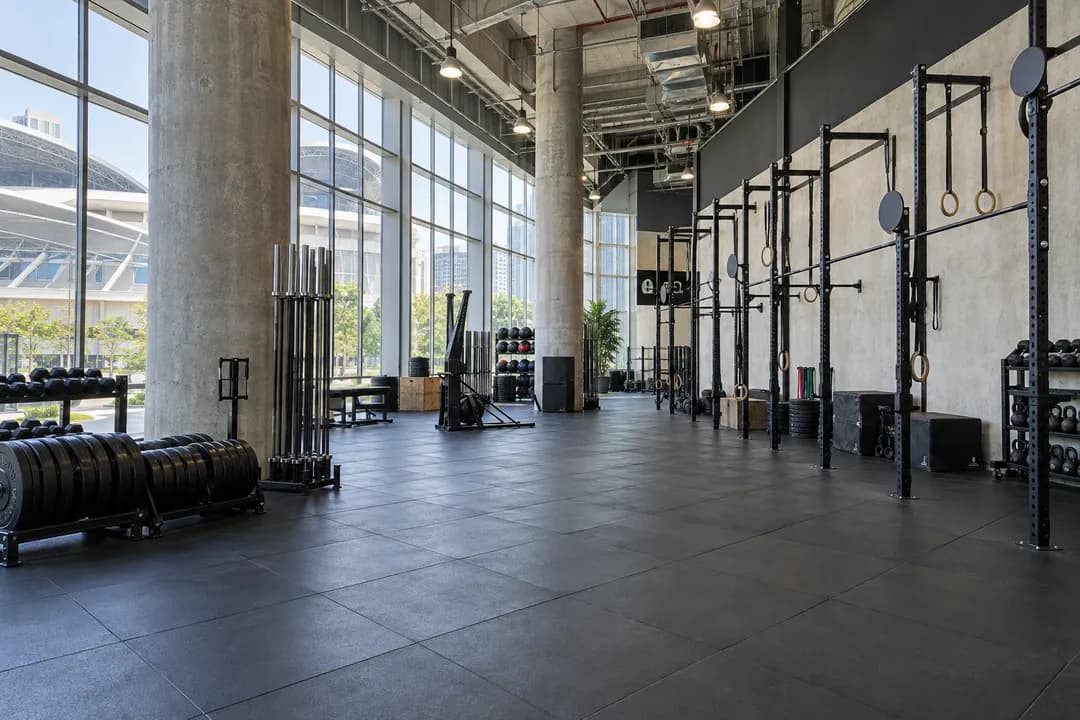 CrossFit Gym Near Me at Kallang Wave Mall: CrossFit Unit Singapore
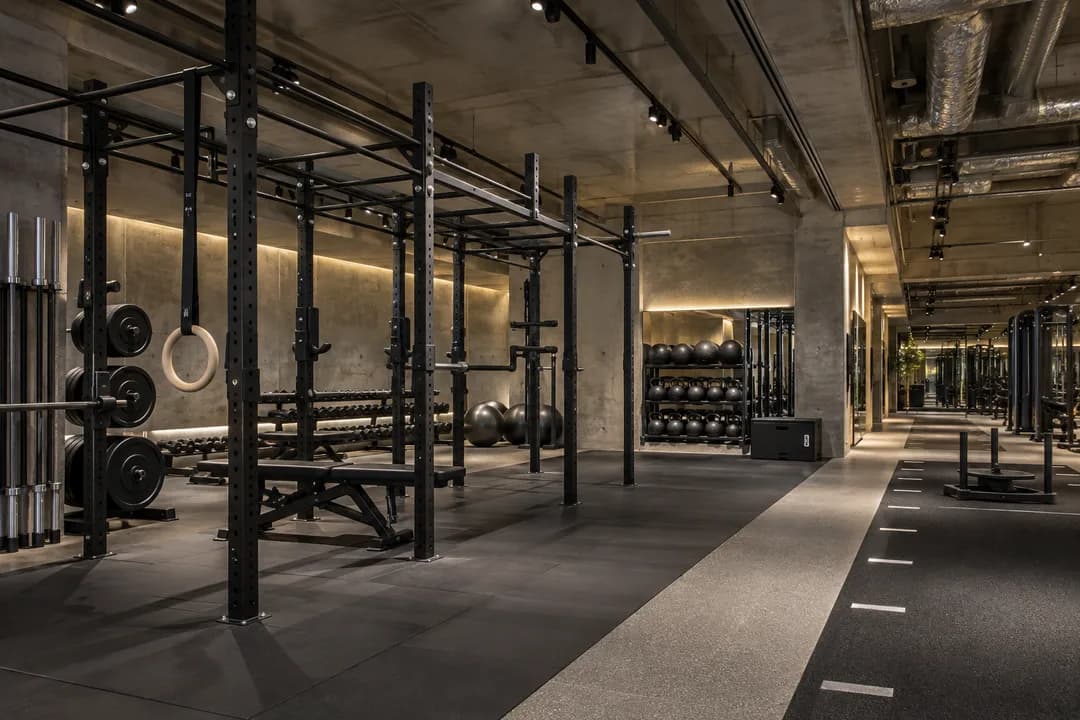 CrossFit Gym Near Me in Chiyoda: CrossFit Otemachi Tokyo