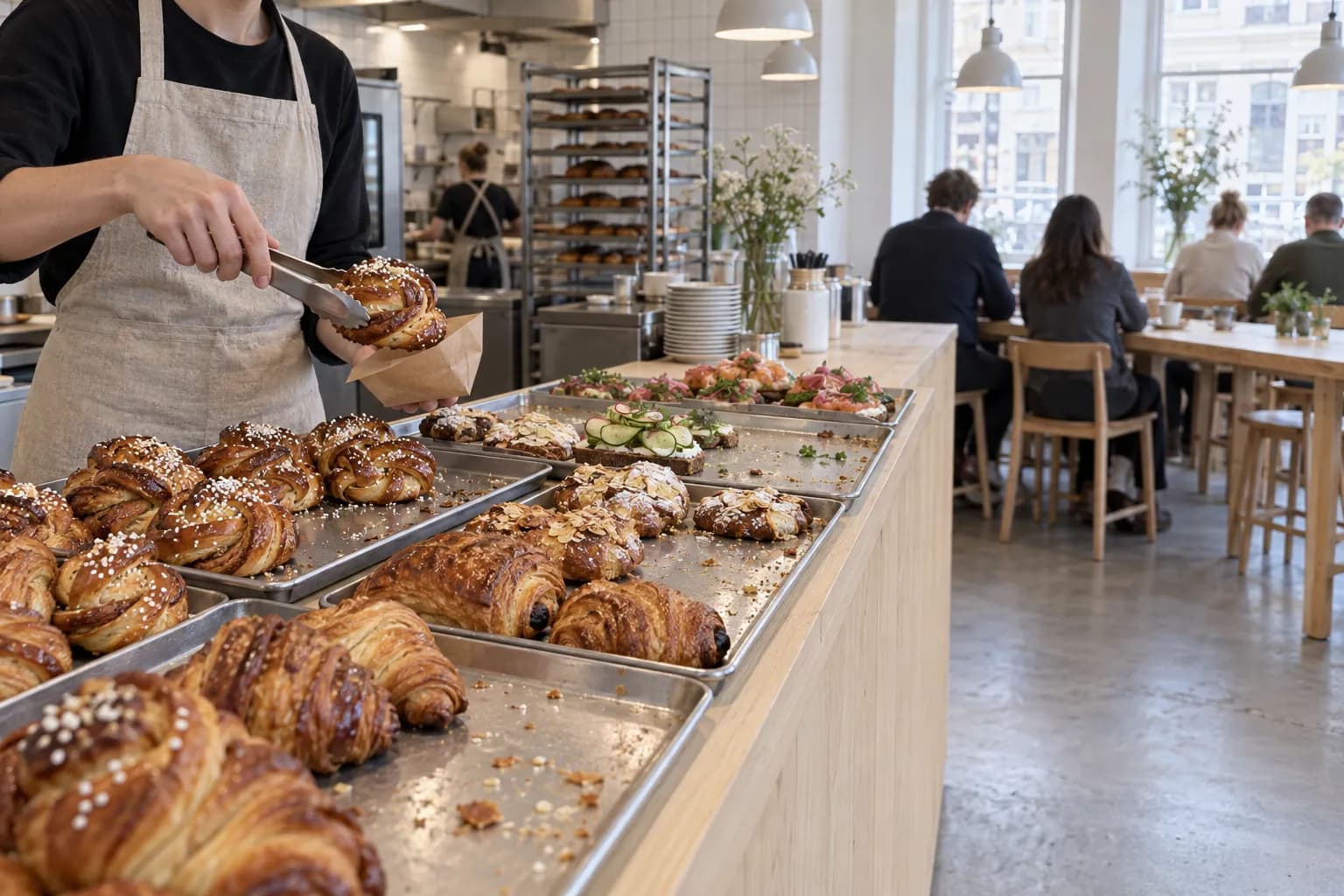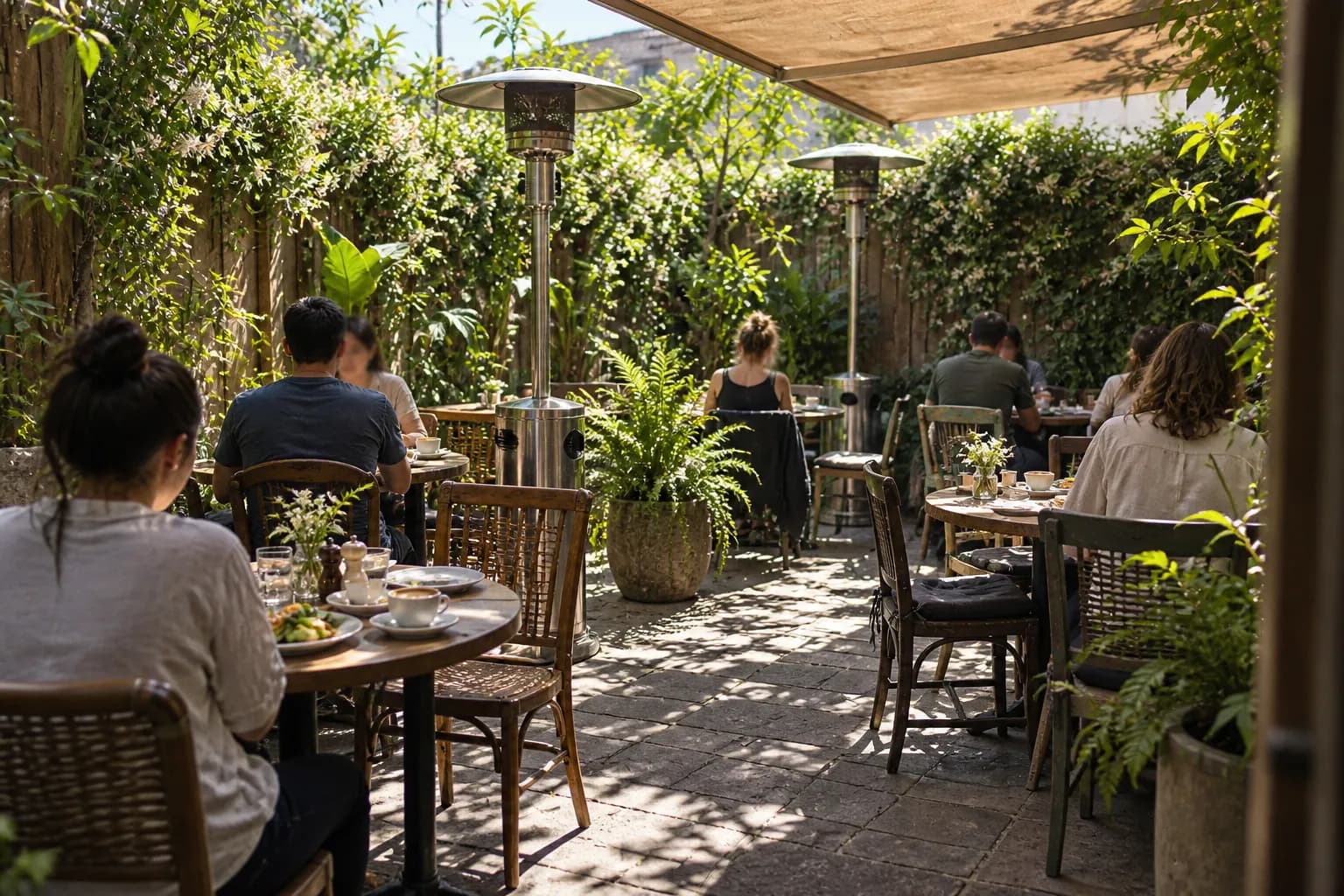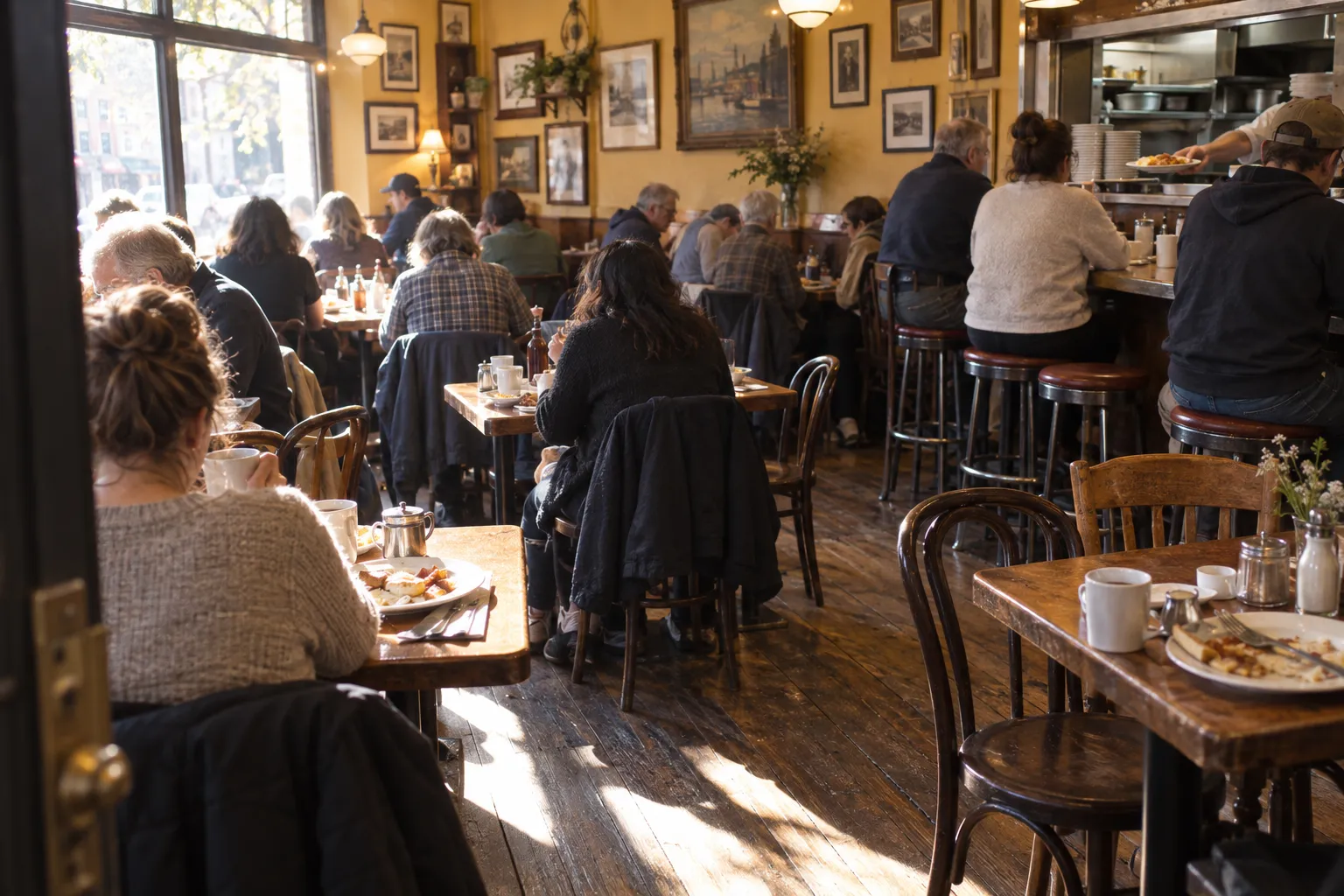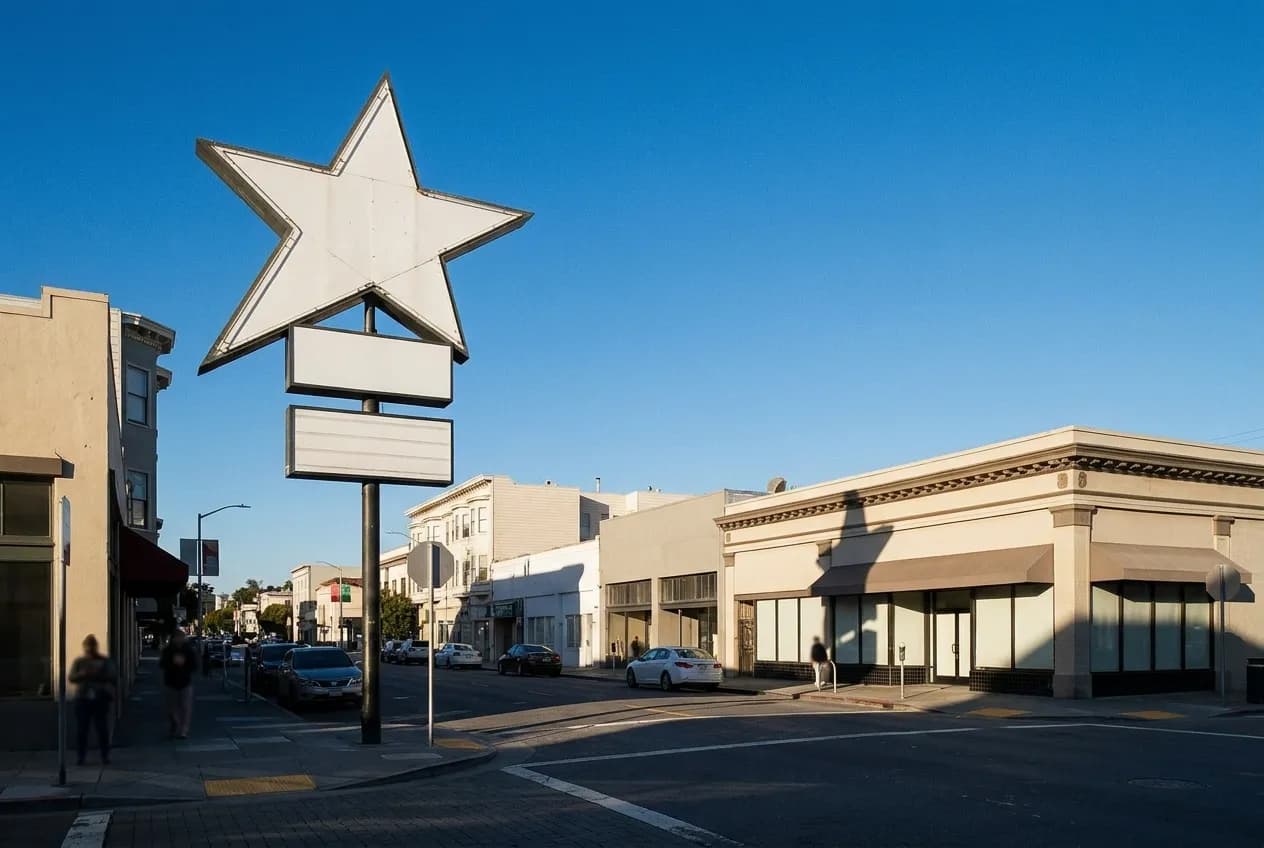
A cafe crawl sounds like a joke until you have done one properly, at which point it becomes one of the better ways to spend a Saturday morning in San Francisco. The city has an unusual density of good coffee and, in specific corridors, an unusually flat and walkable street grid — which is the actual constraint, because a crawl involving three hills is a hike with coffee in it.
A crawl needs a flat route, the right order and one stop that is not coffee. Ask Karpo to sequence the morning from where you are starting.
The rules that make it work
One small drink per stop. An espresso, a cortado or a half filter — not a large milk drink, because four of those is a lot of milk and you will be finished after two. Four stops is the right number; five is ambitious and six is a mistake.
Alternate espresso and filter. They tell you different things about a roaster, and the alternation keeps the palate from flattening. Drink water between stops, which sounds fussy and is the single thing that makes four stops comfortable rather than jittery.
And build in one stop that is not coffee — a bakery, a bookshop, a record shop, a park bench. The gap resets the whole thing and is where the conversation actually happens.
Corridor one: the Mission

Valencia Street from 16th to 24th is the flattest and densest walkable corridor in San Francisco, roughly twenty minutes end to end, with BART stations at both ends so nobody has to drive or return to a car. It has the highest concentration of good cafes on a single straight line in the city, plus bakeries, bookshops and enough else to fill the gaps.
Start at the 24th Street end and walk north, which puts the busier and later-opening places at the end of the morning rather than the start. It also finishes you near 16th Street, where there is more to do afterwards.
Corridor two: Hayes Valley to Divisadero
Hayes Street through Hayes Valley and then north up Divisadero is the second route, and it is the one with the best mix of coffee and everything else. Hayes Valley is compact and flat; Divisadero has a genuine cluster of cafes and has become one of the stronger coffee streets in the city over the last decade.
The connection between them involves a modest climb, which is the price of the route. Two stops in Hayes Valley, a walk north, two on Divisadero, and you can finish at Alamo Square with a view of the Painted Ladies and the city behind them.
Corridor three: North Beach
North Beach is the shortest and most historic version. Caffe Trieste at 601 Vallejo Street opened in 1956 and is generally credited as the first espresso house on the West Coast; the Giotta family ran live opera there on Saturdays for decades, and the room has changed very little. It is the obvious first stop and the correct one.
From there the neighbourhood is compact enough that three more stops is about eleven minutes of total walking, through the Columbus and Grant grid with the bookshops, the bakeries and Washington Square in the middle of it. It is the crawl to do if you want the coffee to be about the rooms rather than the roasting.
Pacing and the fog
Start at nine rather than eleven. The cafes are calmer, several of the best ones have weekend laptop and seating pressure that builds through the morning, and you will be finished by half past twelve with the afternoon intact. Allow about forty-five minutes per stop including the walk between, which sounds slow and is roughly what actually happens.
And pick the corridor by the weather, which in San Francisco is a real variable rather than a formality. All three of these routes are in the eastern half of the city, sheltered from the marine layer by Twin Peaks and Mount Sutro, which is precisely why they work as walking routes on a morning when the Sunset and the Richmond are sitting in fog. On a genuinely clear day, any of them ends well at a viewpoint — Alamo Square, Dolores Park or the top of Telegraph Hill.
What to buy as well as drink
Most of the cafes on any of these routes sell beans, and a bag from a small San Francisco roaster costs roughly what four flat whites do and lasts a fortnight. Buying one at the stop you liked most is the best possible souvenir of a crawl, and it means the morning carries on producing value long after it ends. Ask what the bag has been roasted for — espresso or filter — because the same beans are frequently offered at two roast levels and the staff will tell you which suits what you make at home.
Practical notes
Rules: one small drink per stop, four stops maximum, alternate espresso and filter, drink water between, and include one non-coffee stop. Mission corridor: Valencia St from 16th to 24th, flat, about twenty minutes end to end, BART at both ends; start at 24th and walk north. Hayes Valley to Divisadero: two stops in Hayes Valley, a modest climb north, two on Divisadero, finishing at Alamo Square. North Beach: start at Caffe Trieste, 601 Vallejo St, open since 1956 and credited as the first espresso house on the West Coast, then three more stops within about eleven minutes of walking through the Columbus and Grant grid and Washington Square. Start at 9am rather than 11am to avoid weekend seating pressure, and allow about 45 minutes per stop including walking. All three corridors sit in the eastern half of the city, sheltered from the marine layer.
Tags: #CoffeeNearMe #SanFrancisco #CafeCrawl #ValenciaStreet #MissionDistrict #HayesValley #Divisadero #NorthBeach #CaffeTrieste #AlamoSquare #WeekendPlans #WalkableCity #SFCoffee #Espresso
All trademarks are the property of their respective owners.
Ask Karpo first
A crawl works when the route is flat, the stops are open and the order is right. Ask Karpo to sequence the morning from where you are starting, tell you which cafes are open at nine, and pick the corridor that suits today's weather.