Middle and high school students in Miami preparing athlete biography projects on coco gauff face a common challenge: distinguishing verified career milestones from unofficial social media claims. A tennis report requires WTA tournament results, dated news coverage, and citation formats that satisfy teacher rubrics, yet many students discover too late that Wikipedia edits lack the archival depth needed for academic credibility. This verification guide identifies Miami-Dade public library research desks with sports biography collections, university archive access days open to youth researchers, and journalism workshops teaching fact-checking protocols before September deadlines. Students working solo after school or alongside parents will find step-by-step approaches to cross-referencing tournament dates, confirming ranking changes, and building bibliographies that meet high school standards without requiring paid database subscriptions or advanced research experience.
Text Karpo your assignment due date, the grade level you're writing for, whether you need help with citations or just timeline facts, and your nearest library branch—we'll send a verification checklist with three official sources and one backup youth journalism workshop if you need extra help.

Public Library Research Desks With Sports Biography Holdings
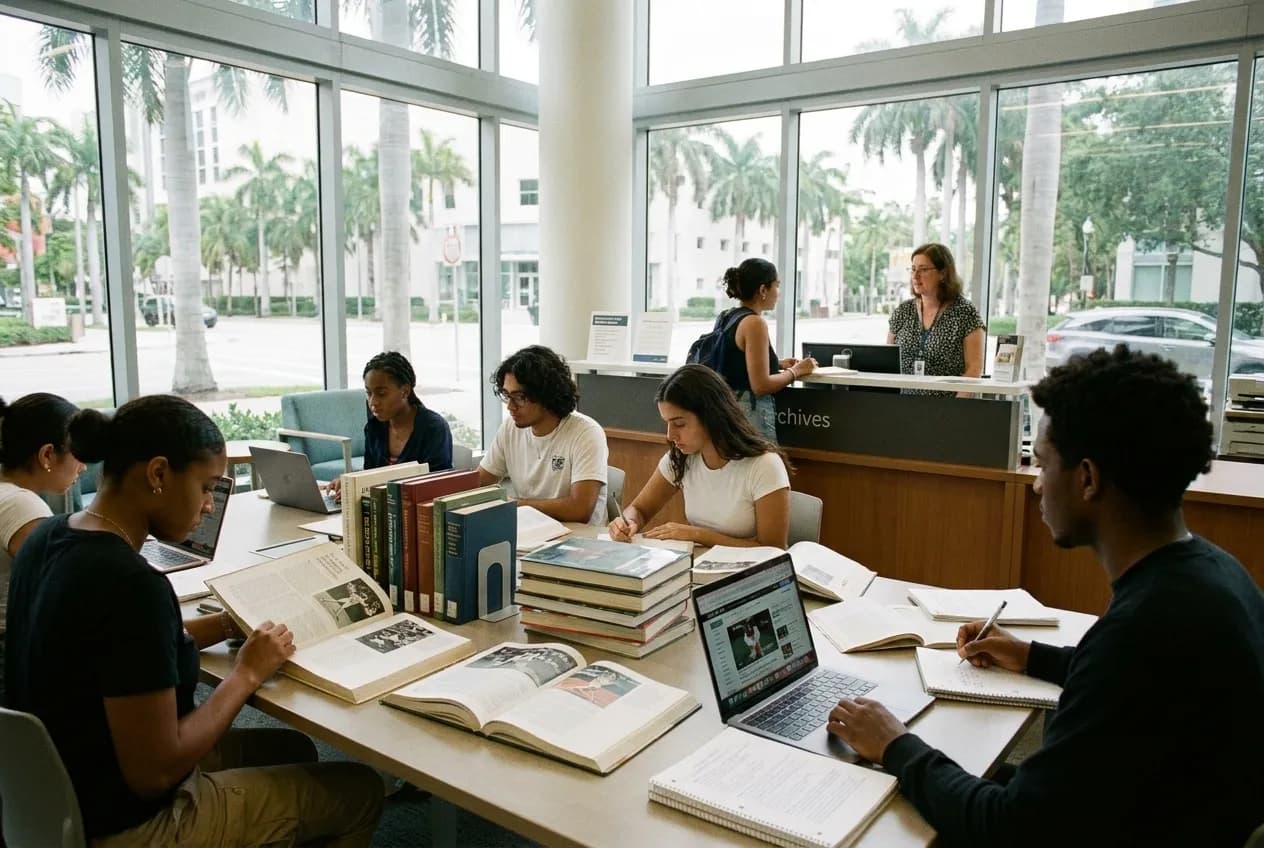
Miami-Dade Public Library System branches maintain reference desks where students can request assistance locating sports biography collections, periodical archives, and citation guides. While specific branch hours and collection inventories vary, the library system's event calendar and online catalog allow students to identify which locations hold print volumes of tennis yearbooks, archived newspaper microfilm from major tournaments, and style manuals for formatting athlete profile sources. Research librarians at these desks help beginners navigate database interfaces, distinguish primary sources like official WTA press releases from secondary commentary, and troubleshoot citation software when footnotes require match-specific statistics. Students anxious about accuracy benefit from asking librarians to demonstrate Boolean search techniques that filter results by date range and publication type, reducing the risk of citing outdated rankings or unverified career summaries.
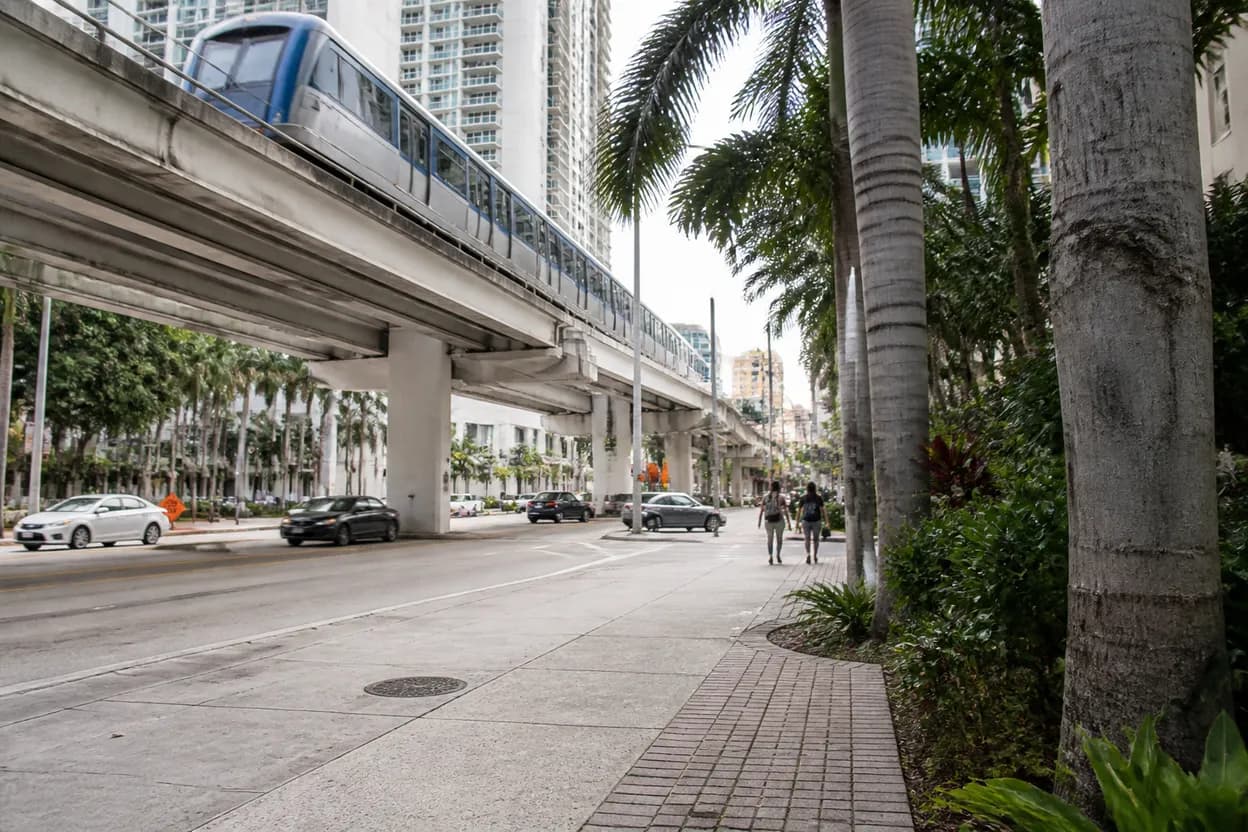
The tradeoff between visiting a branch research desk versus searching online at home centers on access to subscription databases the library provides free to cardholders. Newspaper archives, sports statistics platforms, and academic journal collections typically require institutional login credentials students lack at home, yet library computers grant automatic access during operating hours. Parents accompanying students should confirm whether the chosen branch offers quiet study spaces separate from children's areas, as biography projects demanding concentration on match chronology and citation formatting benefit from low-distraction environments. Students working solo after school may prefer branches near Metromover stations or bus routes, allowing independent travel without requiring parent coordination, though verifying transit schedules in advance prevents wasted research time waiting for connections.
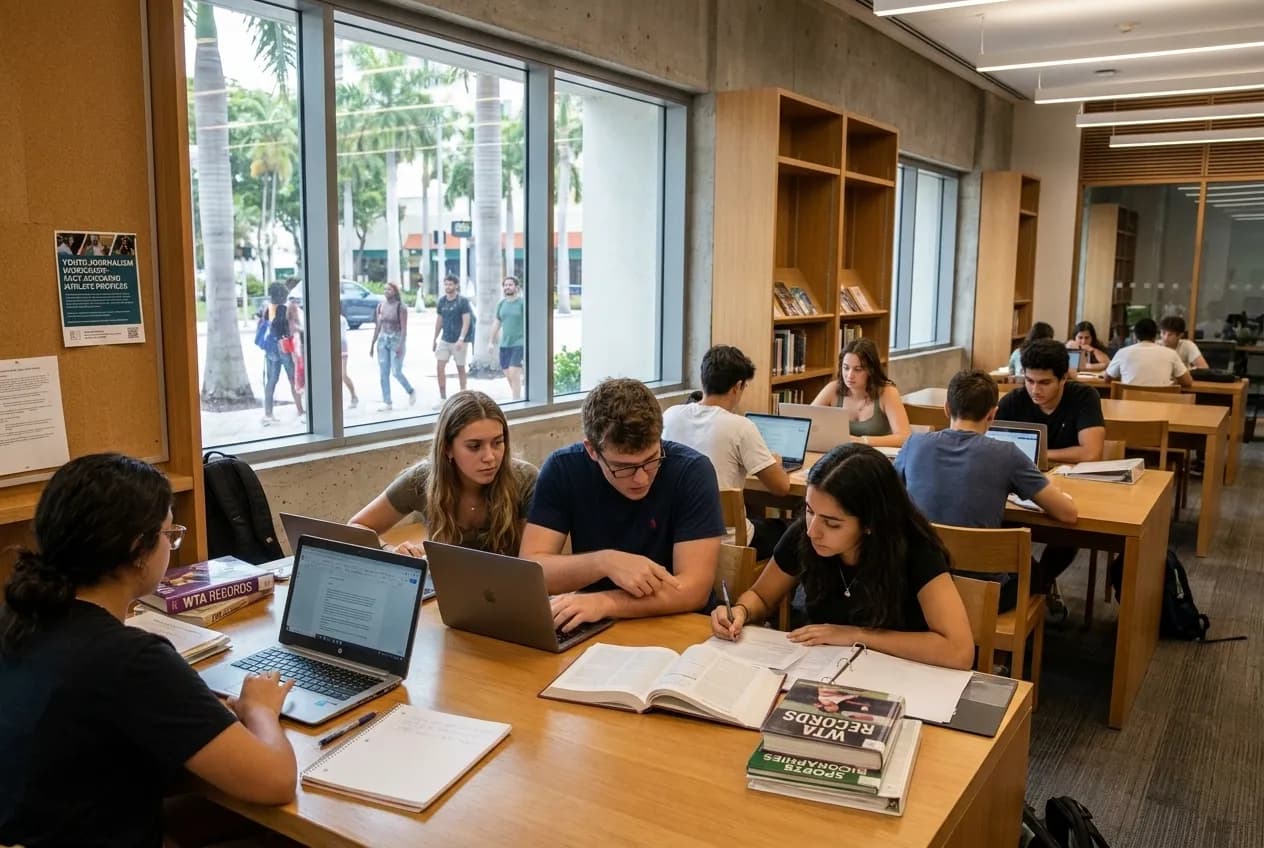
University Archive Open-Access Days For Youth Researchers
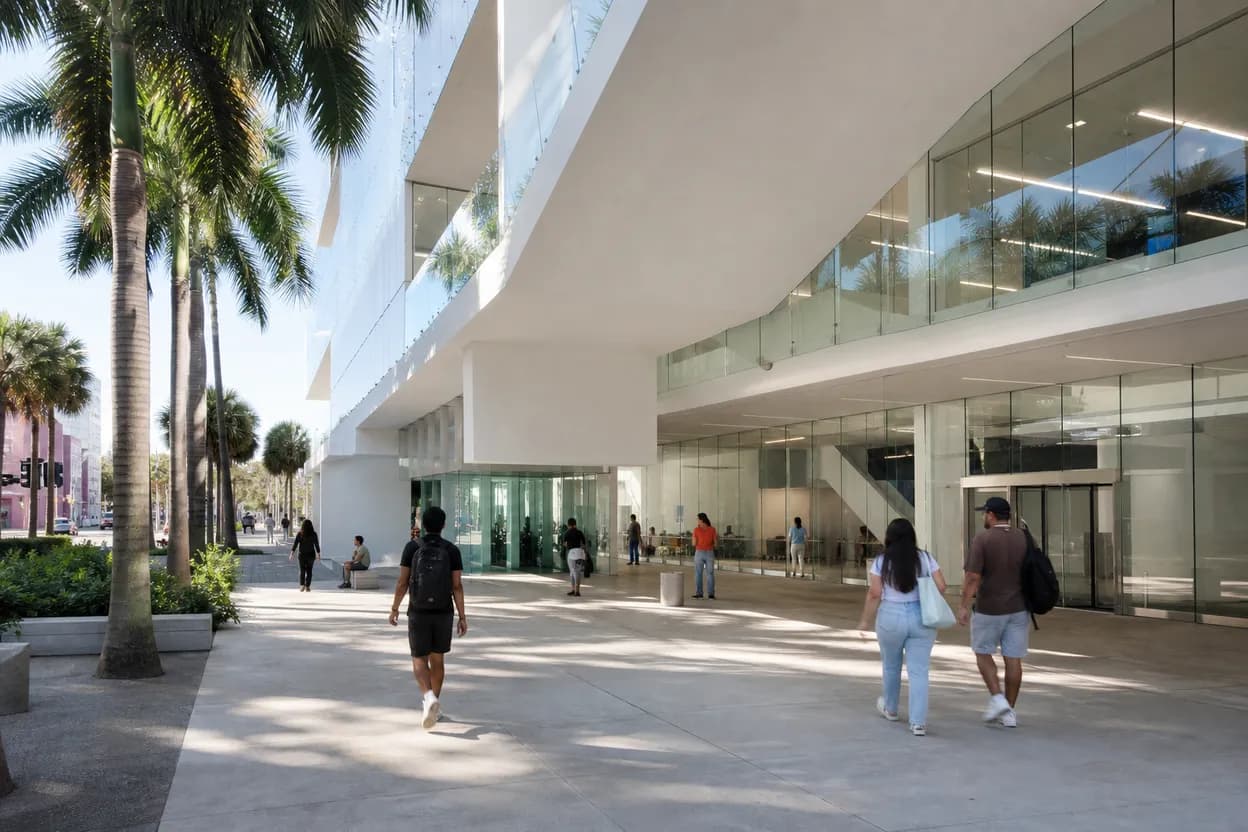
Several South Florida universities periodically open special collections and sports archives to community researchers, including high school students conducting academic projects. These access days allow students to examine primary documents—tournament programs, press kits, historical sports journalism files—that provide citation-ready evidence for biography timelines. University archivists typically require advance registration and may limit the number of youth researchers per session, so students should monitor university library websites for announced open-access dates before September. The verification advantage lies in handling original materials: a scanned tournament bracket from an archive carries more academic weight than a fan website's recap, and archivists can authenticate document provenance when teachers question source reliability.
The difficulty tradeoff involves navigating unfamiliar campus environments and adhering to archive protocols beginners may find intimidating. University special collections enforce strict rules—no pens near documents, bag checks, photography restrictions—that differ from casual public library norms. Students anxious about making procedural mistakes should email archive staff beforehand to clarify policies, ask whether orientation sessions are available, and confirm whether parental accompaniment is permitted or restricted in reading rooms. Parents considering whether to attend should weigh their student's comfort level with independent research against archive policies that sometimes limit reading room capacity, potentially requiring parents to wait in separate areas. The payoff for students who complete archive visits is a bibliography demonstrating research rigor that distinguishes their biography project from peers relying solely on internet searches.
Fact-Checking Workshops Teaching Athlete Profile Verification
Youth journalism programs and library-sponsored media literacy workshops in Miami occasionally offer sessions focused on fact-checking athlete biographies, teaching students to cross-reference career statistics across multiple authoritative sources. These workshops walk beginners through verification workflows: checking WTA official records against sports news archives, identifying red flags in unverified social media claims, and documenting the verification process in research notes that support bibliography credibility. Students learn to spot common errors—conflated tournament dates, misattributed quotes, outdated rankings presented as current—that undermine biography accuracy. Workshop facilitators often provide handouts listing trusted sports databases, news archive platforms, and citation examples tailored to high school assignment requirements, giving students portable reference materials for independent research sessions.
The scheduling challenge is that these workshops fill quickly and may not align with individual student project timelines, particularly as September deadlines approach. Students who miss workshop registration might request recorded sessions or printed curriculum materials from organizing institutions, though self-guided learning lacks the real-time question-and-answer support that helps beginners troubleshoot verification dilemmas. Parents evaluating whether workshop attendance justifies schedule adjustments should consider their student's baseline research skills: confident internet searchers may extract sufficient value from handout materials alone, while students prone to citation anxiety benefit more from instructor-led practice verifying sample athlete profiles. The workshop investment pays dividends when students encounter conflicting information during actual research—they possess a mental checklist for resolving discrepancies rather than defaulting to the first plausible source.
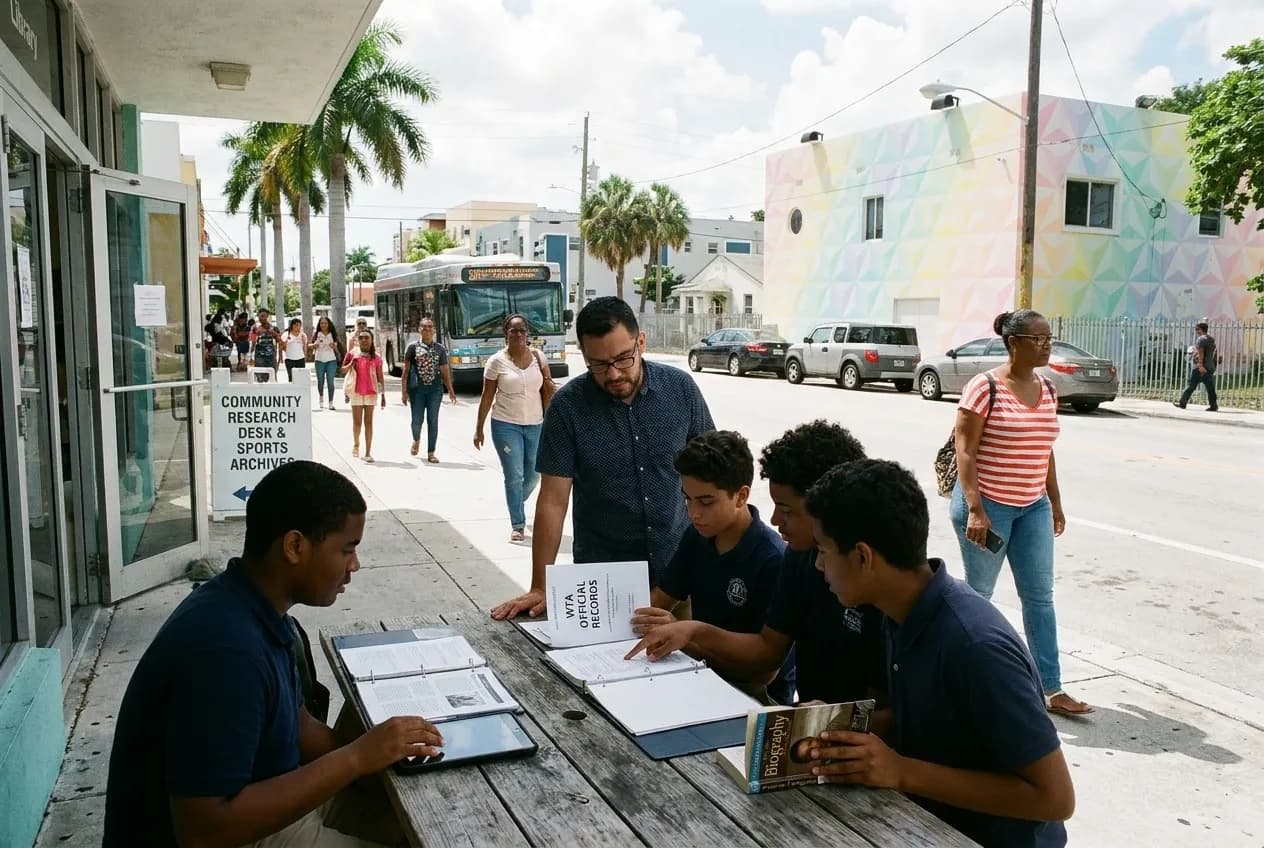
Building Citation-Ready Bibliographies From Verified Sources
Academic biography projects require bibliographies distinguishing between primary sources like official tournament records and secondary sources such as sports journalism analysis. Students researching tennis careers must document not only where they found information but also how they verified its accuracy—a two-layer citation approach that satisfies rigorous teacher rubrics. Citation management tools available through library databases allow students to export properly formatted references directly from sports archives and news databases, reducing manual formatting errors that cost points on final submissions. The verification layer involves adding annotation notes explaining why each source merits inclusion: an official WTA media guide provides authoritative ranking history, while a contemporary newspaper article offers contextual coverage of a specific match, each serving distinct evidentiary purposes in the biography narrative.
The decision point for students is whether to build bibliographies incrementally during research or compile them after drafting, each approach carrying distinct risks. Incremental citation—recording sources immediately upon consultation—prevents the frustrating scenario of remembering a key statistic but forgetting which database provided it, yet interrupts research flow and may result in over-collection of redundant sources. Post-draft compilation allows uninterrupted research momentum but risks citation gaps when students cannot relocate a half-remembered archive page. Students anxious about accuracy should adopt hybrid workflows: maintaining a running source list with brief content notes during research, then formalizing citations with complete bibliographic details during the editing phase. Parents reviewing draft bibliographies can help by checking that each cited source includes access dates for online materials and that the mix of primary and secondary sources demonstrates research depth rather than reliance on a single database.
September Deadline Planning For Multi-Stage Research Projects
Biography projects with September deadlines require reverse-planning from submission date through research, drafting, and revision stages, with built-in buffer time for verification roadblocks. Students should allocate at least two weeks for the research phase alone, anticipating that cross-referencing career statistics across multiple archives takes longer than novice researchers expect. Scheduling library research desk visits, university archive access days, and fact-checking workshops in August leaves September free for writing and citation refinement, reducing last-minute panic when a key source proves inaccessible or a statistic requires additional verification. The planning tradeoff involves sacrificing late-summer flexibility for structured research milestones, but students who front-load verification work avoid the accuracy anxiety that peaks when deadlines loom and unverified claims remain in draft text.
Parents supporting student planning should help identify non-negotiable milestones—completed source list by mid-August, first draft by Labor Day weekend—while remaining flexible about daily research schedules that accommodate after-school energy levels and competing commitments. Students working solo benefit from self-imposed checkpoint deadlines that break the project into manageable tasks: one week for identifying and accessing archives, one week for extracting and verifying key career dates, one week for drafting with inline citations. The psychological advantage of staged planning is that each completed milestone reduces overall project anxiety, transforming an intimidating biography assignment into a series of achievable research tasks. Students who reach September with verified sources, annotated notes, and partial drafts experience the deadline as a refinement phase rather than a crisis, allowing final attention to citation formatting and narrative polish that distinguish strong biography projects from rushed submissions.
Tags: #studentresearch #biographyproject #libraryresources #factchecking #citationguide #sportsarchives #academicresearch #backtoschool #Miamilibraries #researchskills #verificationmethods #highschoolprojects #tennisbiography #sourcecredibility #Septemberdeadlines
Sources consulted: Source 1: miamidade.gov · Source 2: miamidade.gov · Source 3: mdpls.org · Source 4: miamibeachfl.gov
All trademarks are the property of their respective owners.
Ask Karpo first
Ask Karpo to turn this Miami idea into a current plan for your date, budget, companion, transit preference, and energy level. Karpo can narrow the route and flag what to verify before you go.