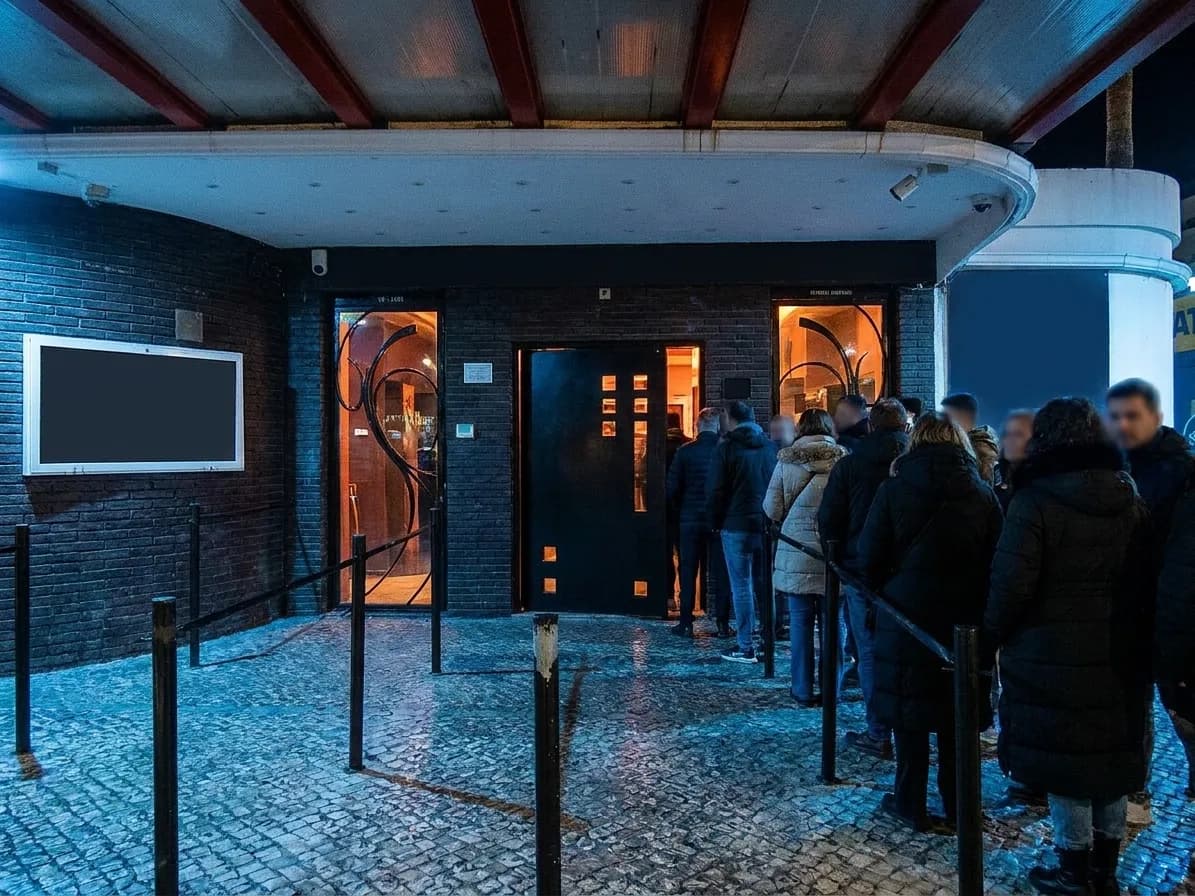
New York nightlife is organised around the door, and the door is not an obstacle placed in front of the club — at most serious rooms it is the thing that makes the club work. A room's booking, its sound system and its lighting are all replicable; its crowd is not, and the door is the only instrument for controlling it. Understanding what a given policy is actually trying to achieve turns the whole thing from an arbitrary humiliation into a legible system, and once it is legible it is straightforward to get into almost anywhere you actually want to be.
Karpo can tell you what New York rooms are running tonight, what each door is enforcing, and whether there is a list worth being on.
Guest list versus walk-up
Most New York clubs run both, and they are different products. A guest list, usually opened by a promoter or the venue itself, typically gets you reduced or free entry before a stated time — commonly midnight or one — and does not guarantee entry after it. Walk-up is full price and subject to whatever the door is doing at that moment.
The useful thing to understand is that a list is primarily about arrival time rather than status. Being on a list and arriving at two is worth very little; arriving at eleven-thirty without one is often fine. If a night matters, the list plus an early arrival is the combination that works, and both are usually available to anyone who looks up the promoter.
Phone-sticker rooms and no-photo policies
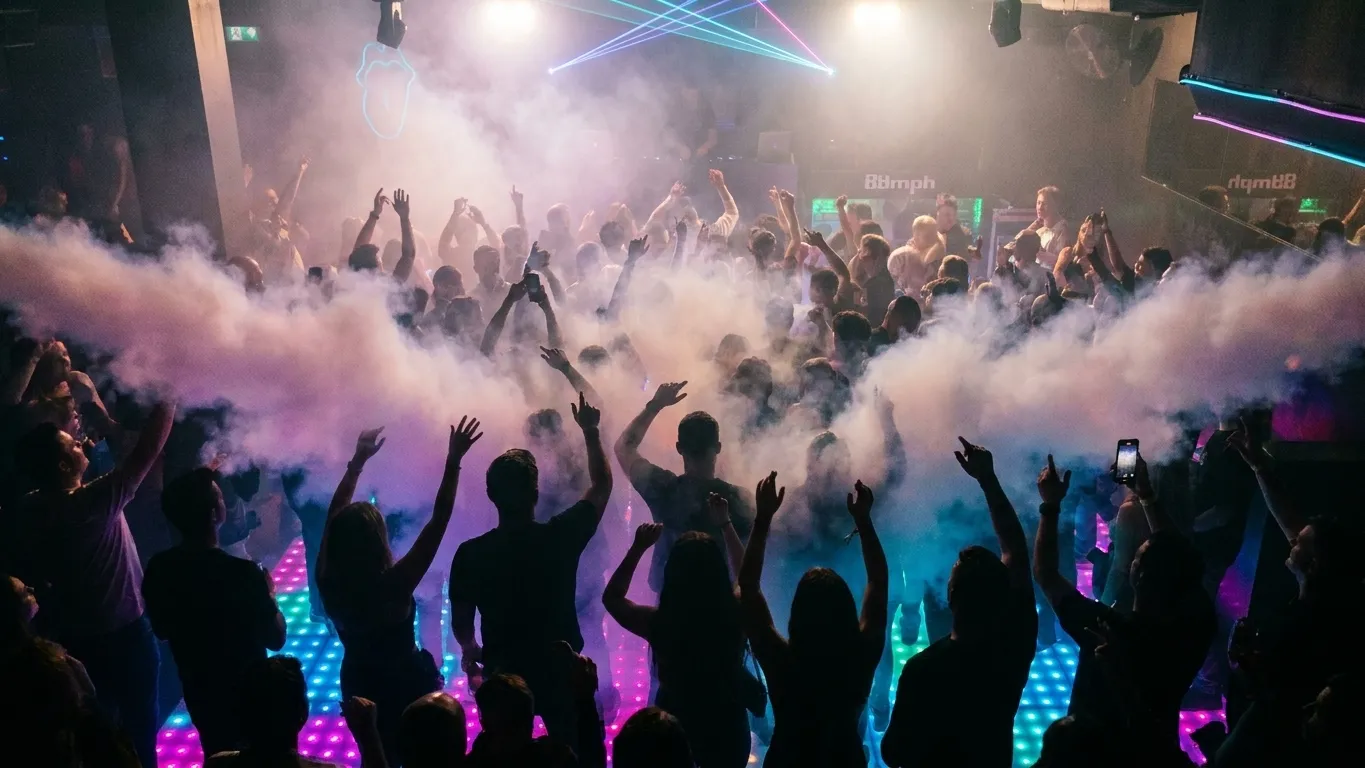
A growing number of New York rooms cover phone cameras with a sticker at the door or ask that phones stay in pockets. This is not affectation. It exists because a dance floor where a third of the room is filming behaves completely differently from one where nobody is, and the rooms with the best crowds are almost all rooms that enforce it.
Comply without argument. The sticker comes off cleanly, the policy is applied to everyone including people who are obviously regulars, and the rooms that run it are generally the ones worth being in. If having photographs of your night out matters more than the night out, these are simply not the venues for you and there are plenty of others.
Dress codes, and what they are actually screening for
Very few New York doors are checking whether your clothes are expensive. What they are screening for is effort and appropriateness to the room — a techno warehouse and a bottle-service lounge want opposite things, and turning up dressed for one at the other is the most common reason people are turned away.
The practical approach is to look at photographs of the room on a night similar to the one you are attending and dress like the people in them. Athletic wear, work clothes and large groups of men in identical shirts are the three most reliable refusals across the city. Beyond that, most doors are considerably more relaxed than their reputation.
Cover charges change by night, not by venue
The same room can be free on a Wednesday, fifteen dollars on a Thursday and forty on a Saturday with a booked artist, and the door will not always advertise which. Cover is attached to the night's programming rather than to the venue's brand.
Check the specific event rather than the club. Many rooms now sell advance tickets for their bigger nights at a meaningfully lower price than the door, and buying ahead also removes the risk of arriving to find a sold-out room. For a night you actively want to attend, the advance ticket is almost always the correct purchase.
Group composition is the quiet variable
Doors in New York, as everywhere, are managing the balance of the room, and a large single-gender group is the hardest thing to admit at a busy moment. This is not a rule anyone will state and it is the most consistent pattern in club entry anywhere.
The workable responses are to arrive earlier, to arrive in a smaller group and reconvene inside, or to be on a list where the promoter has already accounted for the group. Arguing at the door about it has never worked for anyone. Six people arriving at eleven have a very different evening from six people arriving at one.
ID, age and the practical checklist
Nearly every New York club is twenty-one and over and the enforcement is genuine, because the licence is at stake. Bring a physical, unexpired, government-issued ID; digital IDs are accepted inconsistently and a door at midnight is not the place to test it. Foreign visitors should carry a passport rather than a foreign driving licence, which many doors will not accept.
The rest of the checklist is short: a card and some cash, no large bag, and a plan for coats in winter, since coat check is usually a few dollars and a queue at both ends of the night.
The rooms worth the trouble
New York's club landscape spans a wide range: warehouse spaces in Brooklyn running long techno and house nights, smaller basement rooms in Manhattan with residencies, Latin and Afrobeats nights that move between venues, and the bottle-service rooms in the Meatpacking District and Midtown that operate on an entirely different logic.
Decide which of those you actually want before choosing a night, because the door policies, prices and hours are wildly different across them. A warehouse night in Brooklyn and a table in Midtown are both New York nightlife and they have almost nothing in common — including, usually, whether the door lets you in at two in the morning.
Tags: #NYCNightlife #ClubsNearMe #DoorPolicy #Brooklyn #Manhattan #NewYorkCity #Nightclub #GuestList #DressCode #NightOut #Techno #ThingsToDo #CityGuide #WatchParties
Please drink responsibly. Must be of legal drinking age.
All trademarks are the property of their respective owners.
Ask Karpo first
Want to know which New York rooms are on tonight, what each door is enforcing, and whether there is a list you can still join? Ask Karpo before you go out.