The most common way a night out in New York fails has nothing to do with the music. It is turning up at the wrong hour, at a door with a policy nobody explained, holding the wrong kind of identification, for a room that charges differently after one in the morning than before it. None of this is secret and almost none of it is written down in a place a first-time visitor would look. The rules are consistent enough across the city that learning them once fixes the problem permanently, and they are mostly about time rather than about looking the part.
The difference between a good night and a wasted cab ride is usually knowing which room is actually full at the hour you will arrive. Tell Karpo what you want to hear and when you are heading out, and it will steer you to somewhere that is peaking then rather than at four.
Nothing starts when the listing says it starts
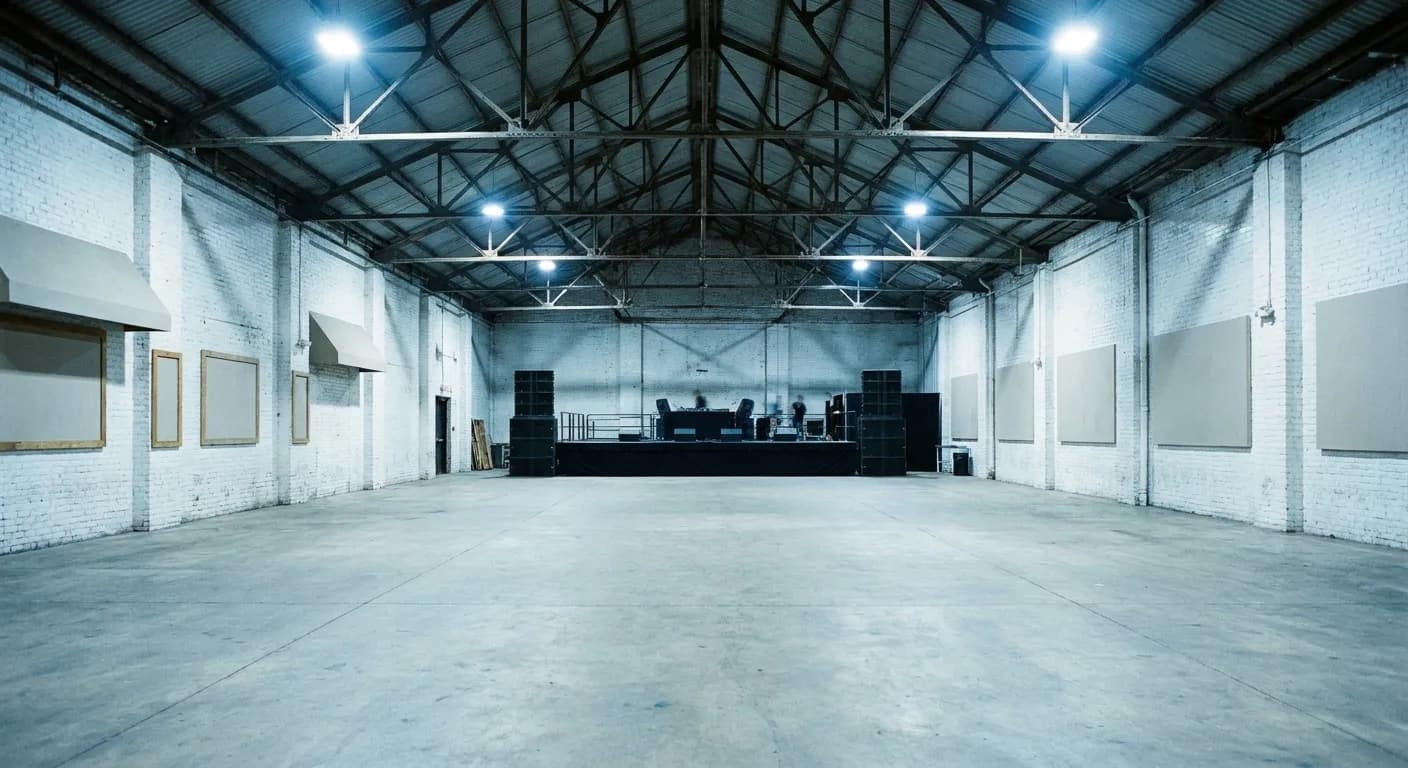
A club night advertised from ten will have a functionally empty room until half past midnight. The first two hours are for the opening DJ, the staff and a handful of people who came for dinner nearby. Peak hours in most New York rooms run from roughly one to three-thirty, and in the after-hours venues considerably later.
This produces a specific error: arriving at eleven, finding forty people, deciding the night is dead and leaving at half past twelve - which is the exact moment the room fills. If you are out early, the correct move is a bar first and the club second, not the club first and disappointment second.
Cover, and why it changes at a specific hour
Many venues price the door in tiers - lower before a cutoff, higher after, and higher again on the night of a booked headliner. The cutoff is frequently around midnight or one, which means the cheapest entry is also the emptiest room. Advance tickets, where they exist, usually beat both.
Two things worth checking before you leave the house: whether the venue is cash-only at the door, which a surprising number of the smaller rooms still are, and whether there is a coat check and what it costs. In winter the second one is not optional and the queue for it at four in the morning is its own event.
Door policy in New York is mostly about capacity
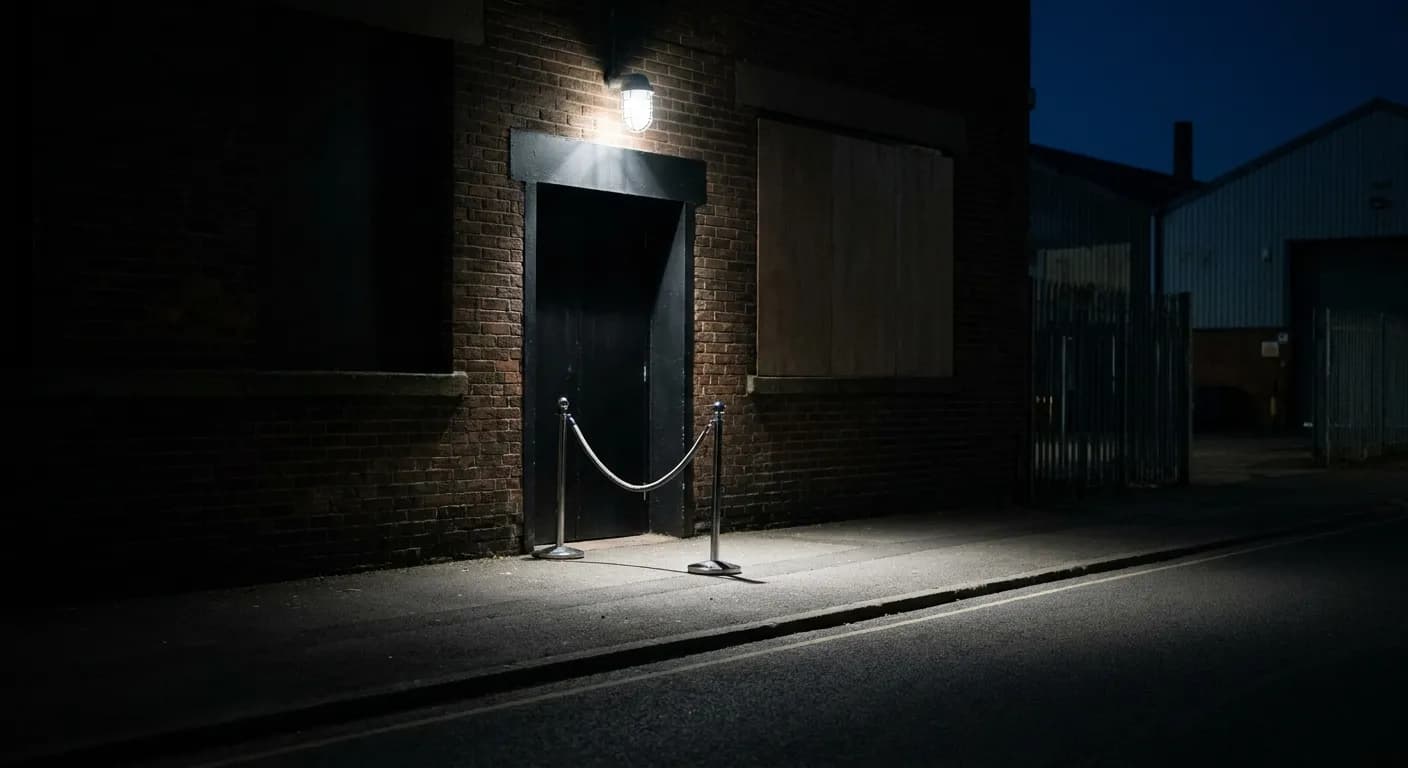
Outside of a small number of rooms that are explicitly selective, the door in New York is doing crowd management rather than curation. The people being turned away are usually large single-gender groups, anyone visibly too far along, and arrivals during a hard capacity hold - which is temporary and clears.
The practical implications are dull and effective: arrive in a small group, be straightforward with the door staff, and if you are told to wait, wait rather than negotiate. A hold at the door is almost always about the fire code, not about you.
Bring the right identification, not just any
This is the single most common avoidable failure and it disproportionately catches visitors. New York doors want government-issued photo identification and many will not accept a photocopy, a photograph on a phone, or in some cases an out-of-country licence without a passport alongside it. A passport always works.
Age enforcement is real and it is not discretionary - the venue's licence is the thing at risk, which is why the conversation at the door is short and unmoved by argument. Carry the passport, even when it feels excessive.
Which neighbourhood suits which night
Broadly, the dance-forward electronic rooms sit in Brooklyn - Bushwick and the industrial edge of Williamsburg - while Manhattan holds the mix of bottle-service venues, hotel basements and long-running institutions. Queens has a quieter but genuine circuit, and it is where a number of the Latin and after-hours nights land.
The choice matters mostly because of the journey home. A four in the morning exit in Bushwick is a very different proposition from the same exit in the Lower East Side, and it is worth deciding which one you are prepared to make before you commit to the room.
The last hour and getting out
Most licensed rooms in New York close at four. The lights come up quickly and the exit is compressed into about fifteen minutes, which is when the street outside becomes the busiest part of the night and the cost of a car peaks.
Leaving twenty minutes before close is the unglamorous solution and it consistently works - the last twenty minutes are rarely the best twenty, and the train at 3:40 is a considerably calmer experience than the street at 4:05.
When a club is the wrong answer entirely
A lot of people looking for clubs near me actually want a room with a good sound system, a floor, and no door queue - which in New York is often a bar with a DJ rather than a club. There are dozens of these, they charge nothing or almost nothing, they fill earlier, and they close at the same hour.
The trade is that the sound and the lighting are a step down and the night ends when the bar does. For most Friday evenings that is not a compromise, and it removes the entire door apparatus from the equation.
Tags: #ClubsNearMe #NYC #NewYorkNightlife #NightclubsNYC #BarsAndNightsOut #Brooklyn #Bushwick #NightOutNYC #DanceFloor #NYCGuide
All trademarks are the property of their respective owners.
Ask Karpo first
Most bad club nights in New York are timing mistakes rather than taste mistakes. Ask Karpo which room near you is actually peaking at the hour you plan to arrive.