Los Angeles nightlife confuses newcomers less because of where things are than because of when they happen. People arrive at ten to a room that fills at one, or book dinner at seven and then have five hours to fill, or leave at exactly two along with everyone else in the county. There is a rhythm to this city's evening and it is remarkably consistent across districts. Learn the clock and the geography stops being the problem it appears to be.
Karpo can tell you what is open near you at whatever hour you are actually reading this.
Eight to ten: the dinner that sets up the night
A night out here starts at a table, and the useful booking is later than instinct suggests. Eating at eight means a long, aimless gap; eating between nine and ten means you leave the restaurant when the bars are becoming worth being in. Kitchens in the nightlife districts run late enough to make this easy, particularly in Koreatown and downtown.
The other advantage is that a proper meal at ten changes how the rest of the night goes in ways that are obvious the following morning. Los Angeles is a city where the drive home is a real consideration, and the people who eat properly at the start are the ones still enjoying themselves at one thirty.
Ten to midnight: the pre-game hour that is underrated
The two hours before a club fills are the best value in the city. Bar prices are normal, you can sit down, you can hear each other, and the same district you are going to dance in is completely pleasant at eleven. Most locals spend this hour deliberately rather than treating it as waiting.
It is also when you make the plan. Confirm the list, check the last-entry time, agree who is paying for what, and pick the fallback room. Groups that do this at eleven end up somewhere they wanted to be; groups that improvise at half past midnight end up in whatever had no queue.
Two logistics belong in this hour rather than later. Check the last-entry time for wherever you are going, which is often an hour before closing and is the single most common way a group arrives to a locked door. And agree the meeting point for the end of the night while everyone can still hear each other, because a rendezvous decided at one thirty in a loud room is a rendezvous nobody remembers.
Midnight to one: arrival
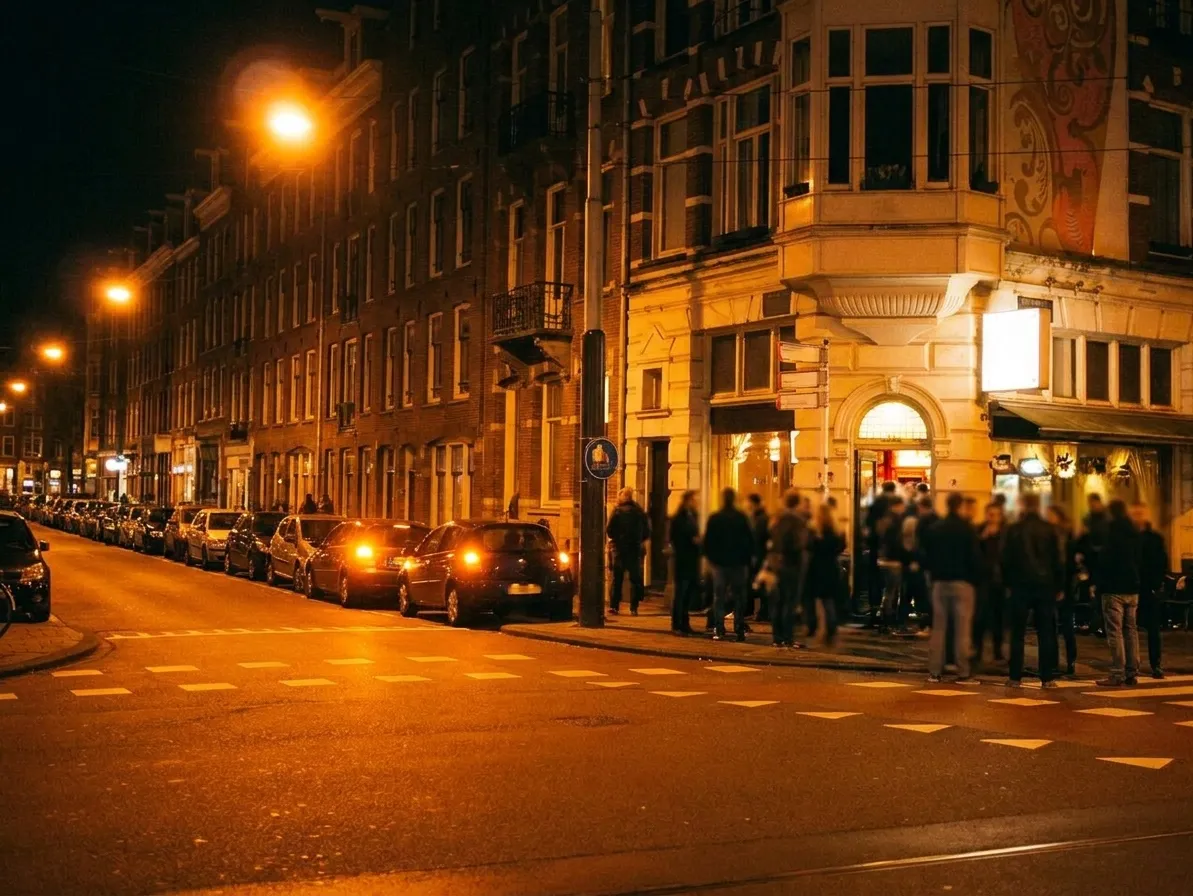
Rooms fill between midnight and one, and that window is the compromise between a queue and an empty floor. Arrive at eleven and you are early enough to walk in but the room is thin. Arrive at one and the queue is at its longest, the doors are at their most selective and the bar is four deep.
This is also when cover pricing steps up and complimentary entry expires. If any part of your night depends on a list or a promotion, it has almost certainly ended before this window closes, which is the single most common way a Los Angeles evening costs more than planned.
One to two: the actual peak
The last hour is the busiest and the shortest. Last call comes before two, not at two, and busy rooms stop serving five or ten minutes early to clear the bar in time. Everybody who intended to have one more drink discovers this simultaneously at about ten to.
The counter-move that regulars use is to buy the last round at half past one and spend the final half hour on the floor rather than at the bar. It costs nothing, it avoids the worst crush of the night, and it puts you near the door when the lights come up.
Two o'clock, and the twenty minutes that follow
California stops alcohol service at two and Los Angeles empties within minutes. Several hundred people leave each room at once, the pickup zones fill, and rideshare pricing responds exactly as you would expect. This is the most expensive twenty minutes of the night for anyone who did not think about it.
There are two workable answers. Leave at half past one, before the wave. Or stay in the district for twenty or thirty minutes — get food, walk a few blocks toward a quieter street — and request the ride once the initial spike has passed. Both are dramatically cheaper than standing outside the door at two oh five.
After hours, and what that really means here
The after-hours scene in Los Angeles exists but it is not a licensed alcohol scene, because it cannot be. What you find are events that continue without service, private parties, and the substantial category of late-night food. The last of these is the genuinely great part of a Los Angeles night and the part visitors most often miss.
Taco stands, Korean kitchens, twenty-four-hour diners and donut shops are all operating at two thirty and are frequently the best twenty minutes of the evening. A plan that ends at a food stand rather than at a doorway is both cheaper and considerably more fun, and it is what most people who live here actually do.
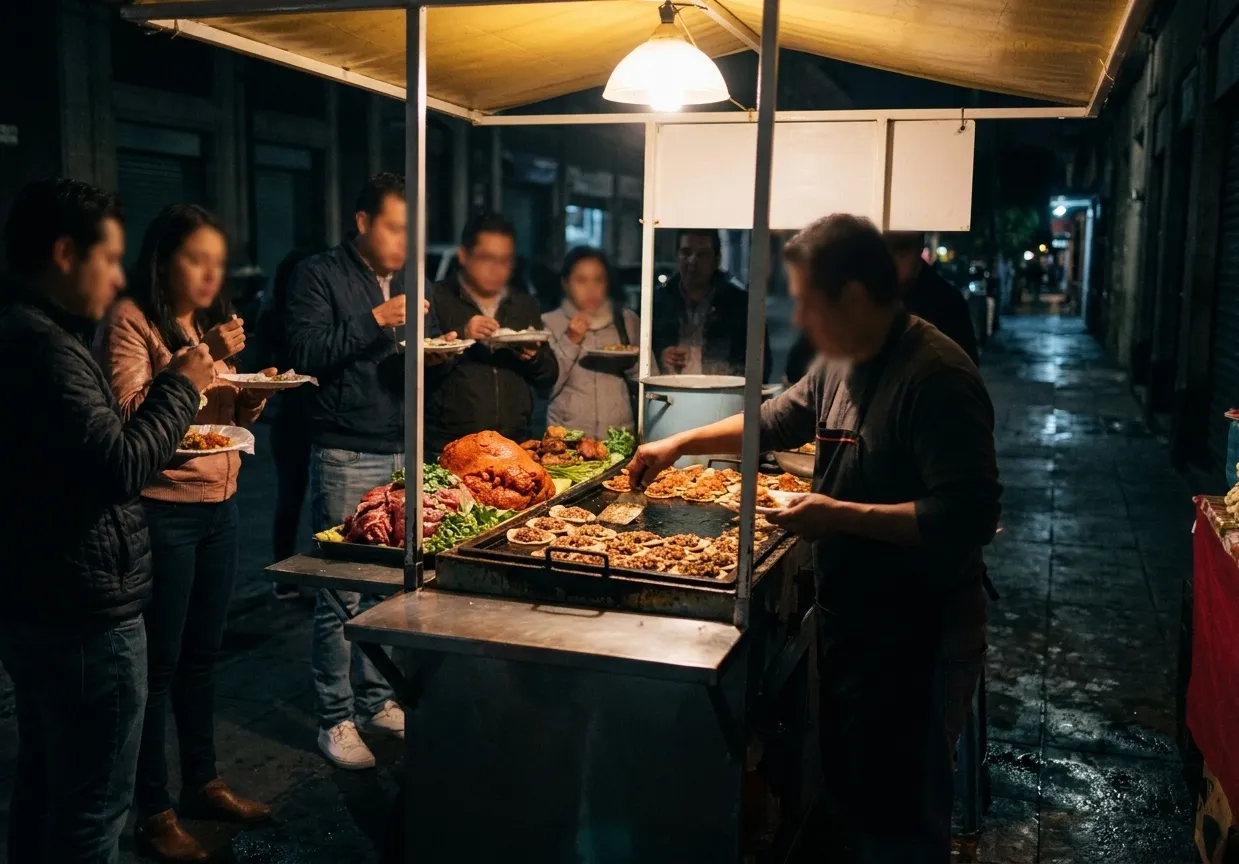
A weeknight is a different clock entirely
Everything above describes Friday and Saturday. A weeknight in Los Angeles runs one to two hours earlier: bars are worth being in at nine, rooms peak around midnight, and many close before two because the crowd has gone home. The upside is that door policies relax, tables cost dramatically less, and you can walk into places that would refuse you on a Saturday.
If the point of the evening is the music or the room rather than the crowd, a Wednesday or Thursday is the better night, and it is the recommendation locals give most often and visitors take least often. Whichever night you pick, decide the hour you are leaving before you arrive — it is the only decision that is much harder to make later.
Tags: #LANightlife #LosAngeles #ClubsNearMe #LateNightEats #LastCall #NightOut #Koreatown #DTLA #Hollywood #TacoStand #DrinkResponsibly #HiddenGems #CityGuide #NightPlanning
Please drink responsibly. Must be of legal drinking age.
All trademarks are the property of their respective owners.
Ask Karpo first
Out already and wondering what is still open near you? Ask Karpo and skip the guessing.