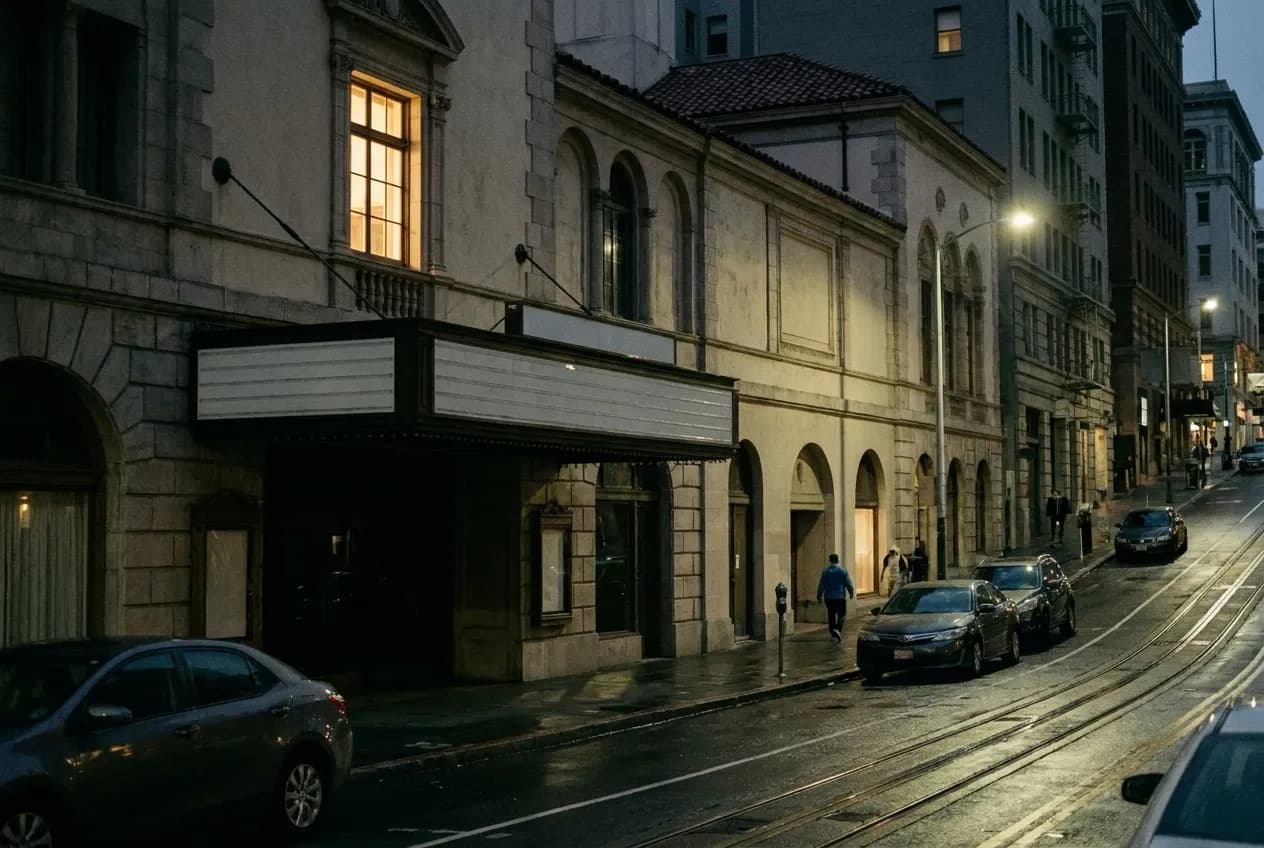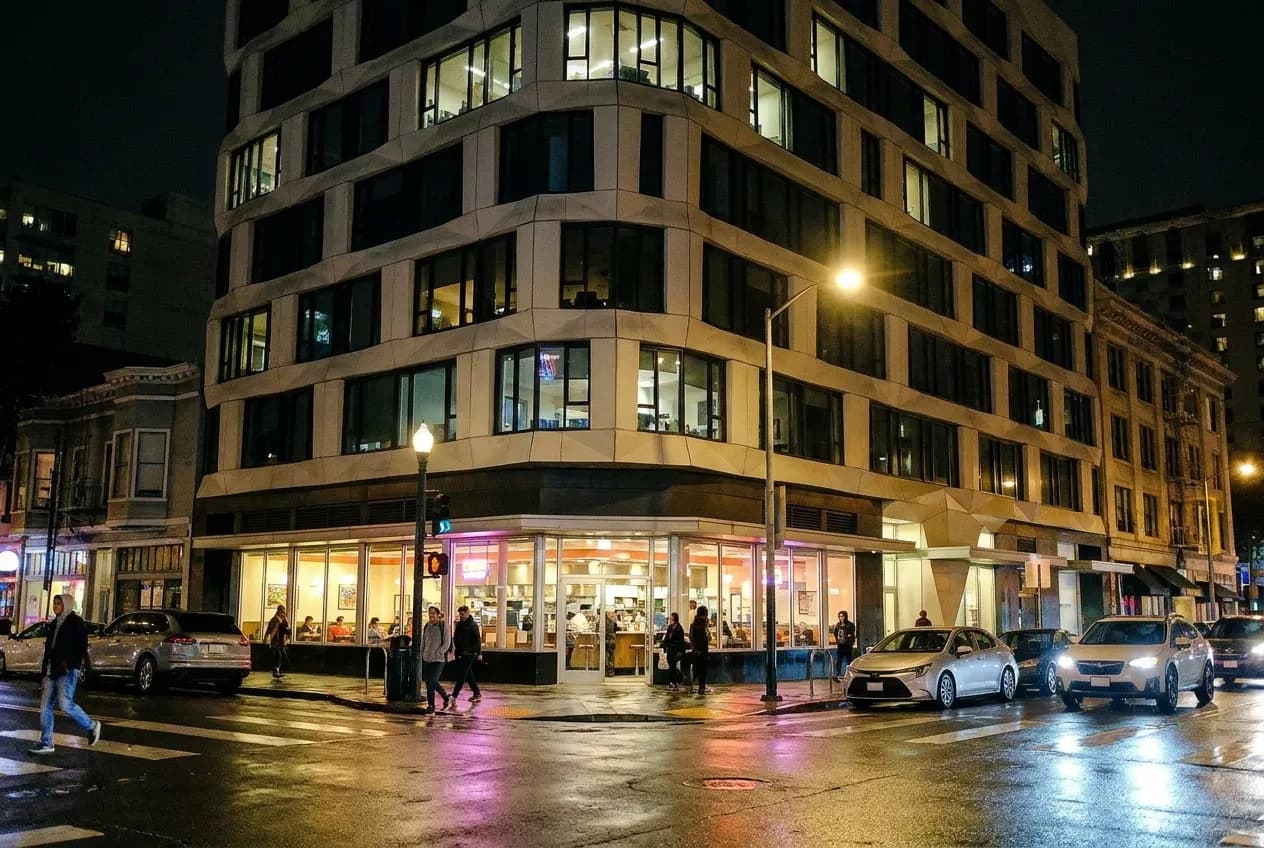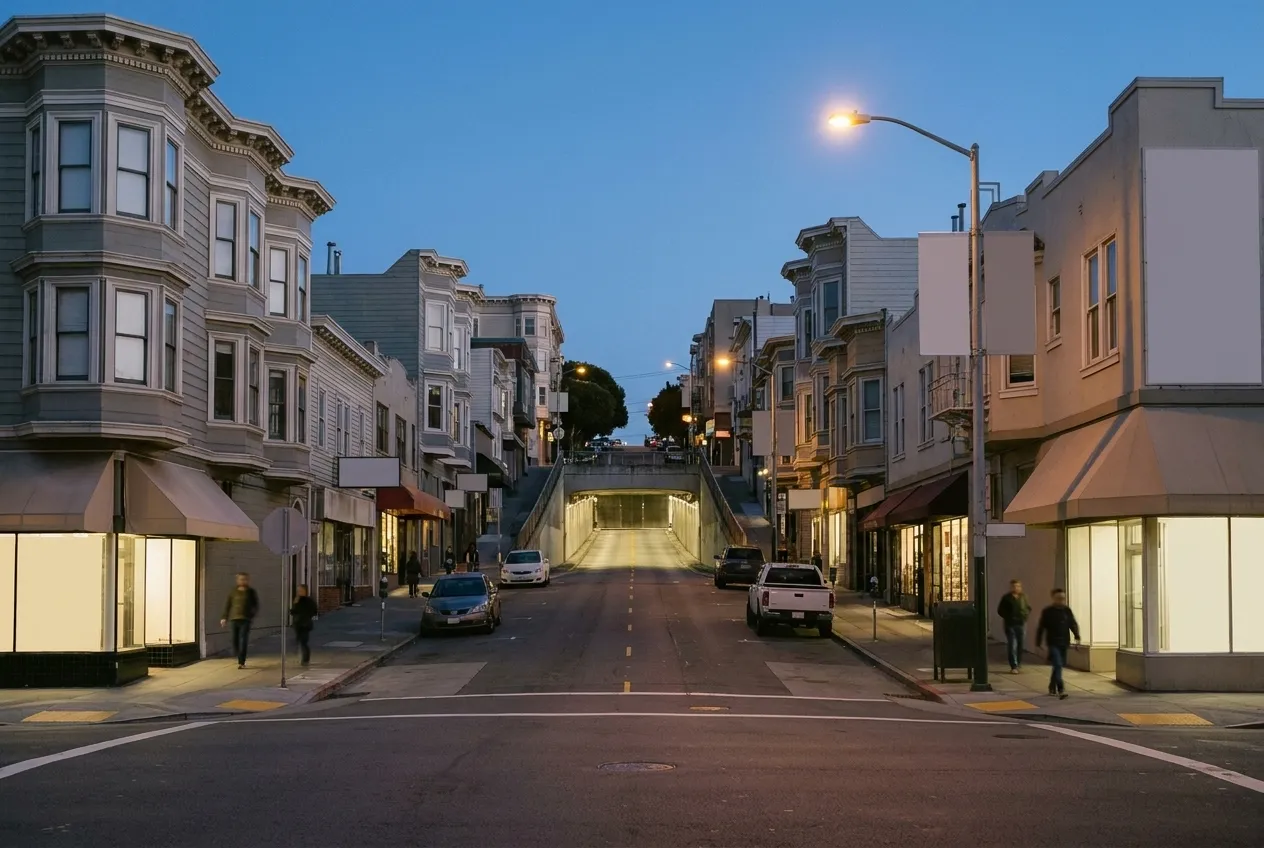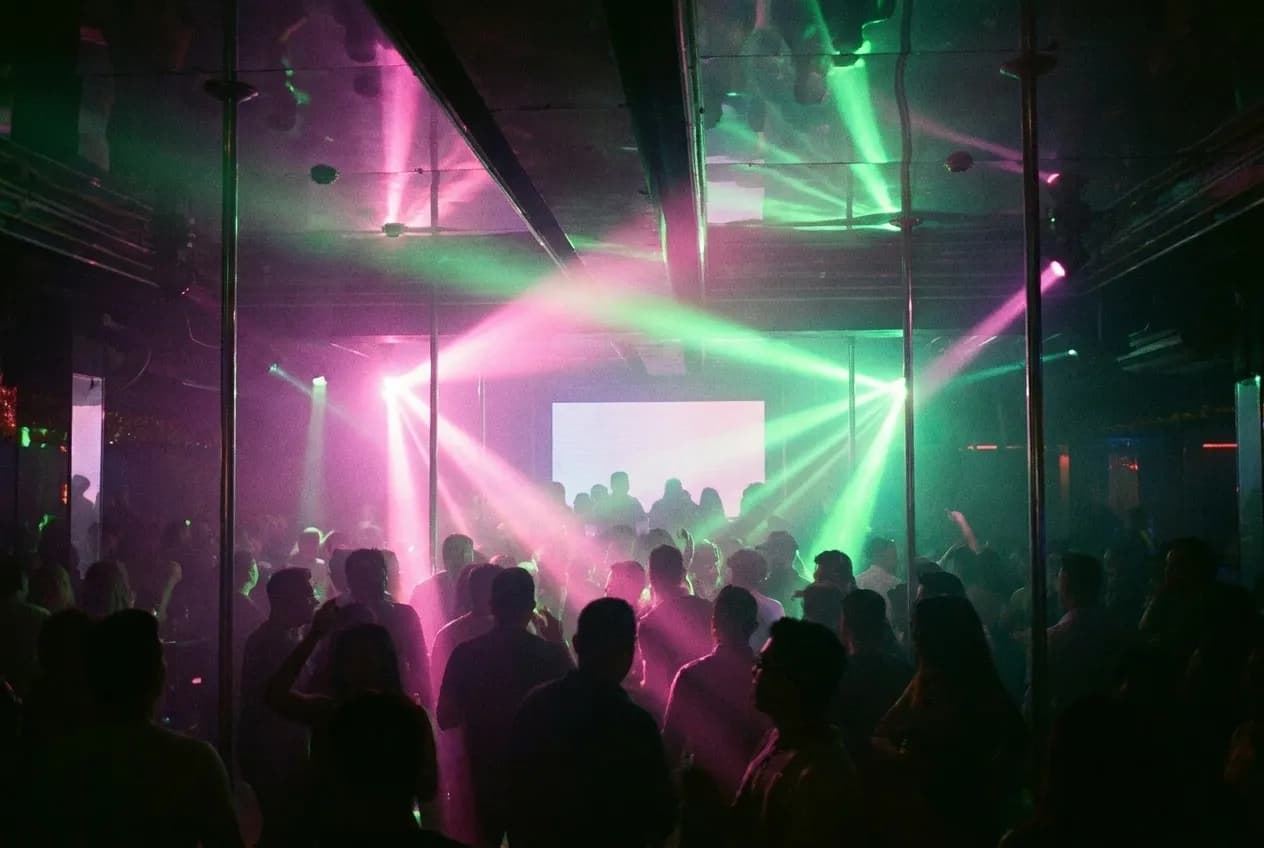
For a city with this much money and this many people under thirty-five, San Francisco has a strikingly small nightlife scene, and it stops early. Last call is two in the morning by state law, which means a club that opens at ten gives you four hours. Venues are scarce because commercial space is expensive and entertainment licences are hard to get in a city where almost every ground floor has flats above it. The result is a scene that is concentrated, early and specific, and working with those constraints is more useful than resenting them.
The good nights here are one-off promoter bookings rather than standing venue nights, and they sell out. Tell Karpo the date and what you want to hear.
The two o'clock problem
California does not permit alcohol sales between two and six in the morning, and most venues close at or shortly after two rather than continuing dry. That compresses the whole night: people go out earlier than in New York or Miami, rooms fill by eleven rather than by one, and the peak is between midnight and half past one. Arriving at half past midnight expecting the night to be starting is a Miami habit that does not transfer.
It also means the pre-club stretch matters more. San Francisco nights are typically structured as dinner early - kitchens here mostly stop between half past eight and half past nine - then a bar, then a venue by eleven. If you plan a Miami-shaped evening with dinner at ten, you will arrive at a club with ninety minutes left in it.
Where it actually is
SoMa is the centre of gravity and always has been, for the straightforward reason that it has the building stock: former industrial and warehouse space with few residential neighbours, which is exactly what a late licence requires. The larger dance venues, the serious sound systems and most of the electronic music programming are here, concentrated in the blocks south of Market and around 11th Street.
The Mission is the second centre and works differently - bars with dance floors rather than clubs proper, no table culture, low or no cover, and an evening that starts earlier and is more social than musical. The Tenderloin and lower Polk have a dense, unglamorous, genuinely late bar economy. North Beach retains some of its old strip-and-bar character on Broadway. Beyond those four, the city is largely residential and quiet after ten.
The promoter model
The single most important thing to understand is that in San Francisco the night is usually the product, not the venue. A given room might host a techno night on Friday, a queer party on Saturday and a salsa night on Sunday, run by three unrelated promoters with three different crowds. Judging a venue by its last review is therefore close to meaningless - what matters is who is running the night you are considering.
This is good news for anyone willing to spend five minutes. The parties have their own followings and their own channels, tickets are sold ahead through those rather than at the door, and the good ones sell out. Turning up at a well-known venue on spec and hoping is the least reliable strategy available here; picking a party and buying a ticket on the Tuesday is the most.
The after-hours layer
Because the licensed night ends at two, San Francisco has a long tradition of what happens afterwards - unlicensed and semi-licensed spaces, warehouse parties and dry after-hours events that run until dawn. This culture is real, it is historically significant in this city, and it is by definition not something you find on a listings site.
The honest guidance is that it operates on word of mouth and personal networks rather than public information, and that the safety and legality of any given event vary a great deal. It is not a thing to go looking for on your first weekend in the city. If it finds you through someone you know, that is how it works; if it does not, the licensed scene is genuinely good and finishes at a reasonable hour.
Getting home, which shapes the night
BART stops running well before two, which means that unless you leave early you are getting home by Owl bus, rideshare or on foot. The Owl network is slow and infrequent but cheap and it goes where people live. Rideshare pricing spikes hard between two and half past when every venue empties at once - leaving at half past one or waiting until nearly three is meaningfully cheaper.
The related fact is that food after two is thin. The Mission is the exception, with taquerias running past midnight and El Farolito later still, which is why so many San Francisco nights end there regardless of where they started. If your night is going to run late, being in or near the Mission solves both the food and the getting-home problem at once.
Practical notes
Last call is two in the morning statewide; most venues close then. Rooms fill by eleven and peak between midnight and half past one. Buy tickets ahead through the promoter rather than turning up at the door. Judge the night, not the venue. Covers typically run fifteen to forty dollars, higher for a name booking. Dress codes are generally relaxed compared with Miami or Las Vegas, though individual parties vary. Eat before nine - SF kitchens close early. BART stops before last call; rideshare surges between two and half past. And the Mission is where the night ends, for food and for the ride home.
Tags: #ClubsNearMe #SanFrancisco #SFNightlife #SoMa #MissionDistrict #Tenderloin #LastCall #AfterHours #NightOut #Techno #ElFarolito #BART #SFClubs #Promoters
All trademarks are the property of their respective owners.
Ask Karpo first
In a city where the night is the product rather than the venue, the useful question is who is playing where tonight. Ask Karpo what is on near you, whether it needs a ticket bought in advance, and how you are getting home once BART has stopped.