Miami is one of the world's serious nightclub cities and it runs on a set of commercial arrangements that are never explained to you at the point of purchase. People arrive expecting a cover charge and a bar, and encounter instead a system built around table minimums, promoter lists, and a door that is making a rapid commercial judgement about your group. None of it is a scam and most of it is negotiable, but it is genuinely opaque, and the gap between knowing how it works and not knowing can be several hundred dollars.
Door policy, minimums and which rooms are worth it change by night and by promoter rather than by venue. Tell Karpo the night and your group size, and get somewhere you will actually get into.
The three ways in
First, general admission: you queue, you pay a cover, you are inside with no seat. This is the cheapest route and at the larger rooms it is also the least pleasant, because the floor space not occupied by tables is small and the bar is a scrum. Covers typically run from twenty to sixty dollars depending on the night and who is playing, and much higher for a major booking.
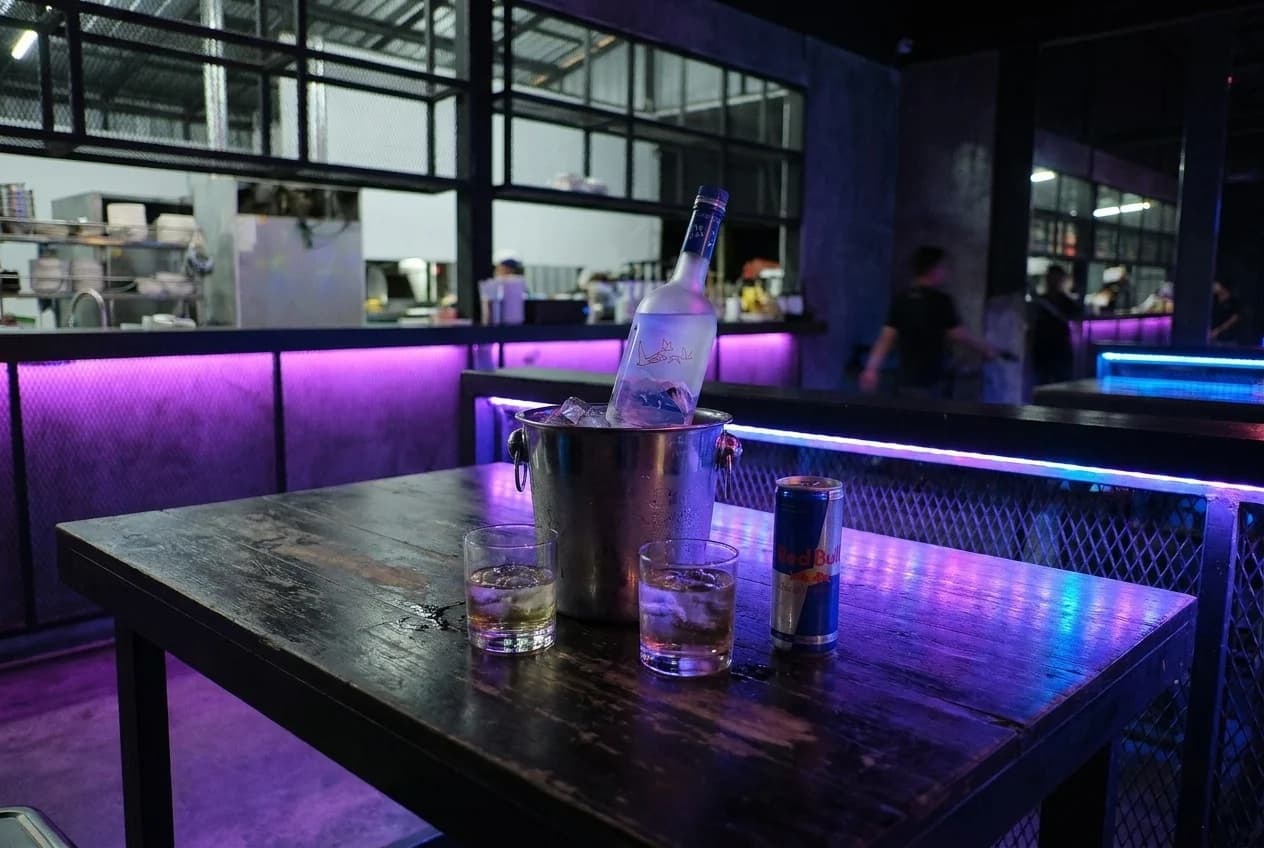
Second, a table with a minimum spend - what is usually called bottle service. You are not paying for a table, you are committing to spend a set amount on bottles, and the table comes with it. Minimums in Miami commonly start around five hundred dollars for a modest table on a quiet night and rise steeply from there; at the marquee rooms on a Saturday, four figures is normal. Split across six or eight people it is less absurd than it sounds, and it converts the night from standing to sitting.
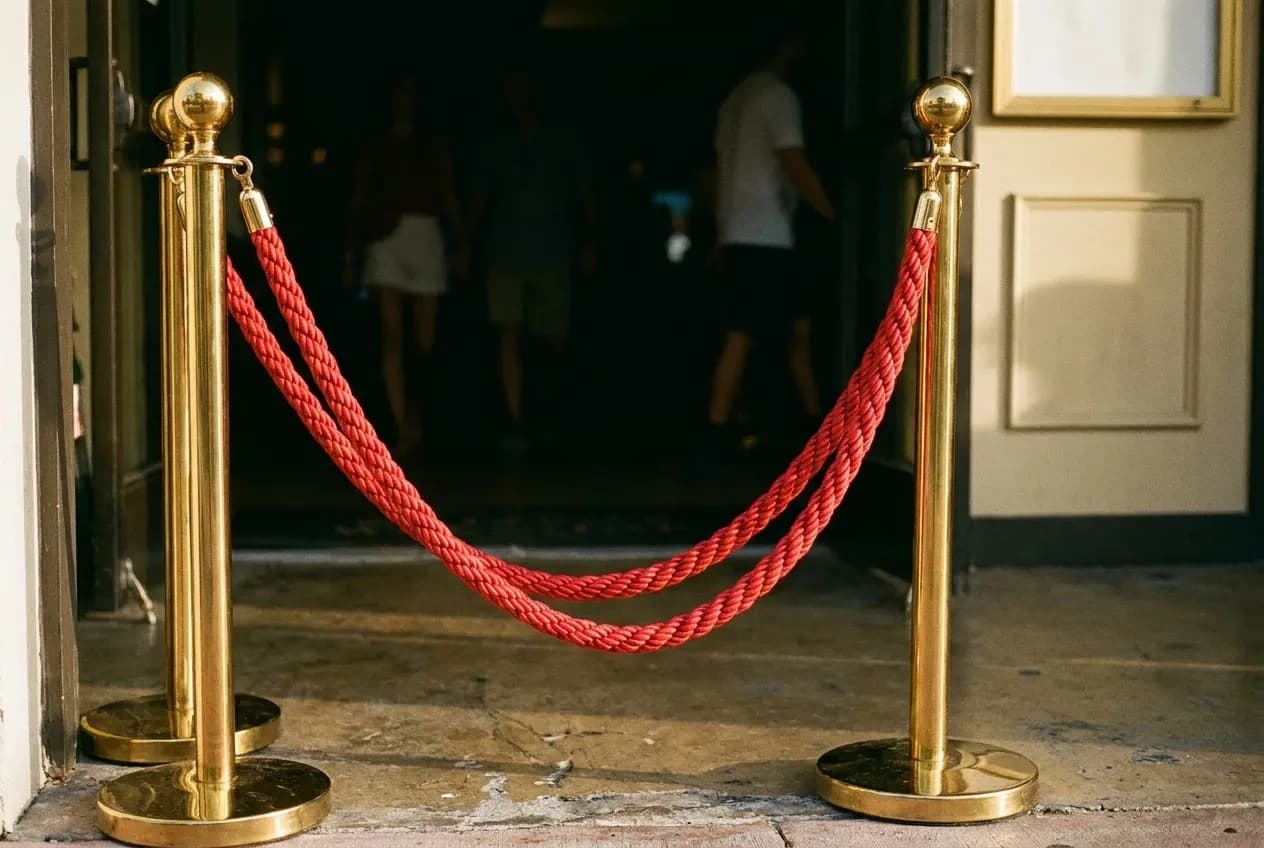
The third way, which is the one people miss
Third, the guest list. Promoters are paid by clubs to bring people, and they maintain lists that get you in free or at a reduced cover, usually before a cutoff time - often midnight or one in the morning. This is a completely standard part of the industry here rather than a favour, and getting on a list is generally a matter of contacting the promoter through their public channels a day or two ahead with a name and a headcount.
The economics are worth understanding so the exchange does not feel mysterious. The club wants a full, well-balanced room early in the night, because a room that looks busy at midnight sells tables at two. The promoter is compensated for delivering that. You are the product being delivered, which is fine, and the cost to you is that you need to arrive before the cutoff rather than at the hour you would have chosen. That is the actual price of a guest list: your timing, not your money.
Door policy, plainly
Miami doors make fast judgements and the criteria are not published. Group composition matters most: a group of six men will find nearly every door harder than a mixed group, and this is a consistent industry practice rather than an occasional one. Dress matters - most of the larger rooms enforce something between smart casual and dressed-up, and beachwear, athletic wear and flip-flops will be turned away.
The things that actually help are being on a list, arriving before the room fills, being sober enough at the door, and being straightforwardly polite. The things that do not help are arguing, offering money to a doorman at a large club, or arriving at half past one with eight people and no plan. If a door says no, it is not usually a negotiation, and the next venue two streets away frequently says yes.
The neighbourhood split
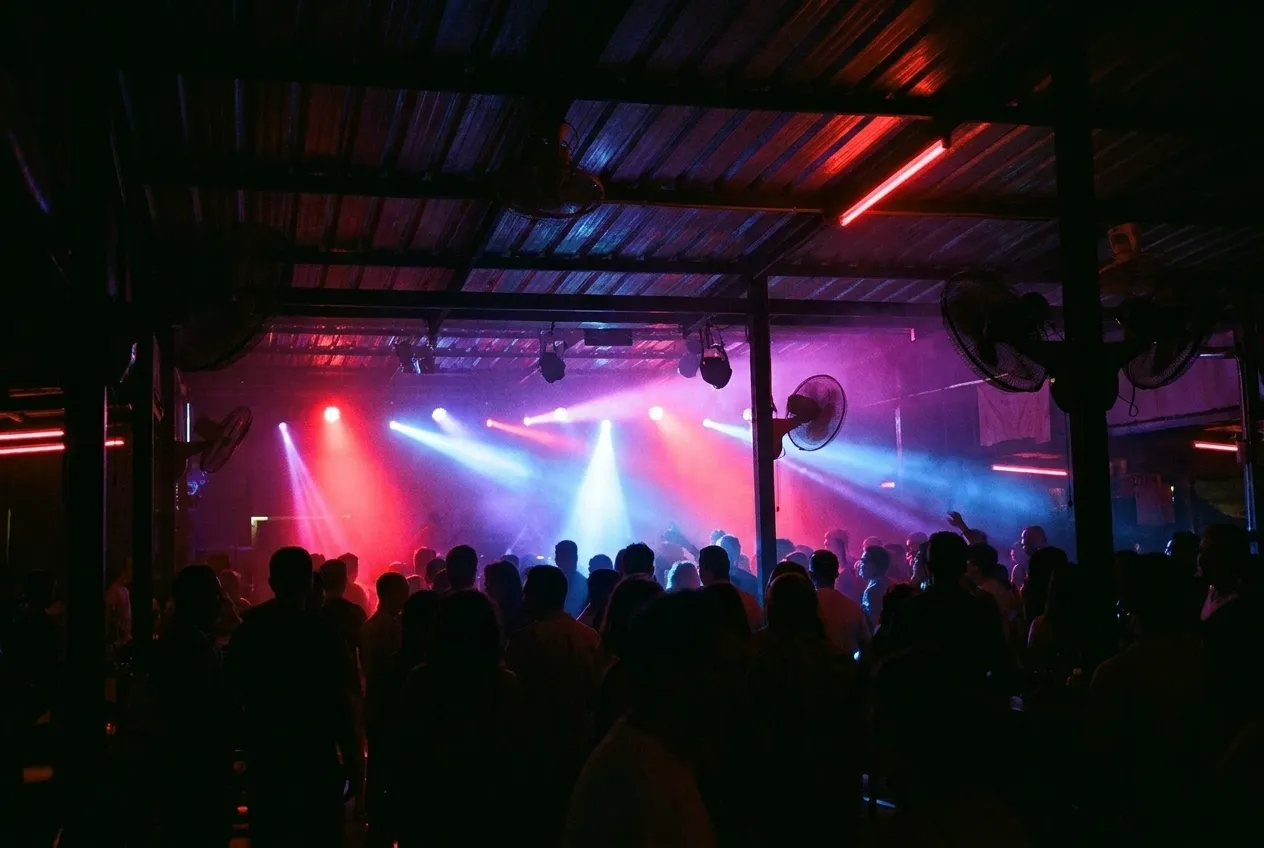
South Beach is the historic centre of the industry - the largest rooms, the biggest international bookings, the strictest doors and the highest minimums. Washington Avenue and Collins hold most of it. This is where you go for the full-scale version and where the costs are highest. Downtown and the Park West area is where the serious dance music lives, with warehouse-scale spaces and a crowd that is there for the DJ rather than the scene; doors are easier, dress codes looser and the music considerably better if that is your priority.
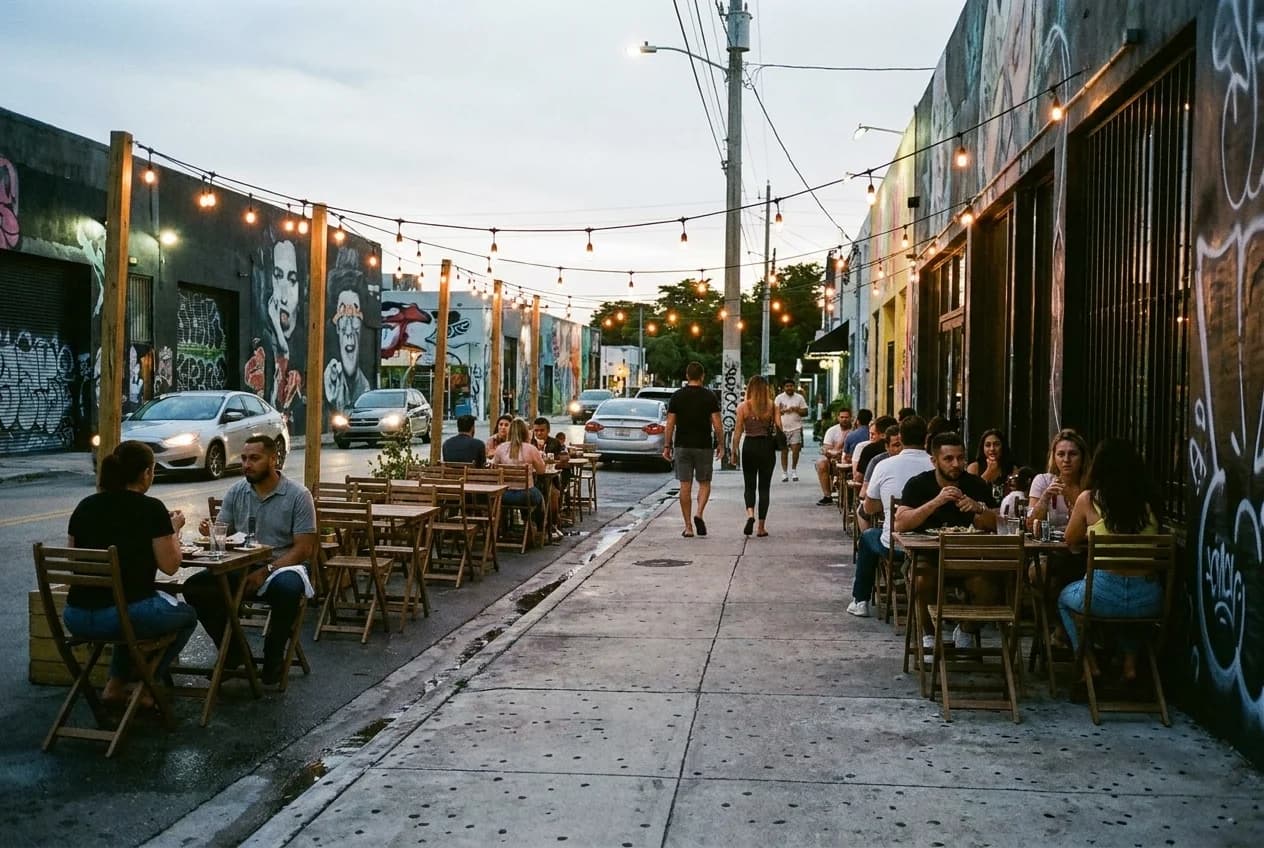
Wynwood is the least formal of the three: bars with dance floors rather than clubs proper, no table culture to speak of, covers that are low or nonexistent, and an evening that starts earlier. Brickell sits between Wynwood and South Beach - lounge-led, after-work-driven, and heavily weighted to Thursday through Saturday. If it is your first Miami night out and you do not want to think about any of this, Wynwood is the correct answer.
Timing the night
Miami clubs run late even by international standards. Rooms are quiet until midnight, fill between one and two, and peak between two and four; many run considerably later. Arriving at eleven means an empty room, which is exactly what a guest list cutoff is asking you to do. The practical shape of the evening is dinner at nine, a bar until half past midnight, and the club after that.
The other timing fact worth planning around is the exit. Rideshare pricing spikes hard when the rooms turn out, and the worst of it is between two and half past when several venues empty at once. Leaving before two or after three is meaningfully cheaper and faster. And if the plan includes food afterwards, the taquerias and late counters are the reliable option; almost nothing else is cooking at that hour.
Practical notes
Covers run twenty to sixty dollars typically, higher for major bookings. Table minimums commonly start around five hundred and rise steeply; you are buying the spend, not the furniture. Guest lists are standard, free or reduced, and almost always have a cutoff around midnight or one. Contact promoters a day or two ahead with a name and headcount. Mixed groups get in more easily than all-male ones. Dress up rather than down, and no beachwear. Rooms fill after one and peak between two and four. Rideshare surges between two and half past. And check the specific night rather than the venue - the same room is a different proposition on a Wednesday and a Saturday.
Tags: #ClubsNearMe #Miami #MiamiNightlife #BottleService #TableMinimum #GuestList #SouthBeach #Wynwood #Downtown #ParkWest #Brickell #NightOut #DoorPolicy #MiamiClubs
All trademarks are the property of their respective owners.
Ask Karpo first
The door is the part of a Miami night that is hardest to research and most expensive to get wrong. Ask Karpo which rooms are worth it on the night you are going, whether there is a list with a cutoff you could still make, and which neighbourhood suits the kind of night you actually want.