US Open night sessions do not end at a civilised hour. The last match finishes when it finishes, the crowd walks out into Flushing Meadows somewhere around midnight, and everyone makes the same discovery at the same time: the 7 train back to Manhattan takes a while, and the neighborhood one stop in the other direction is wide awake.
Going out in Flushing rewards knowing what kind of night you want before you get off the train, because the options are not arranged the way they are in Manhattan and nothing announces itself from the street. Tell Karpo what time you are getting out and whether you want a room, a bar or a table, and it will point you at the right side of Main Street.
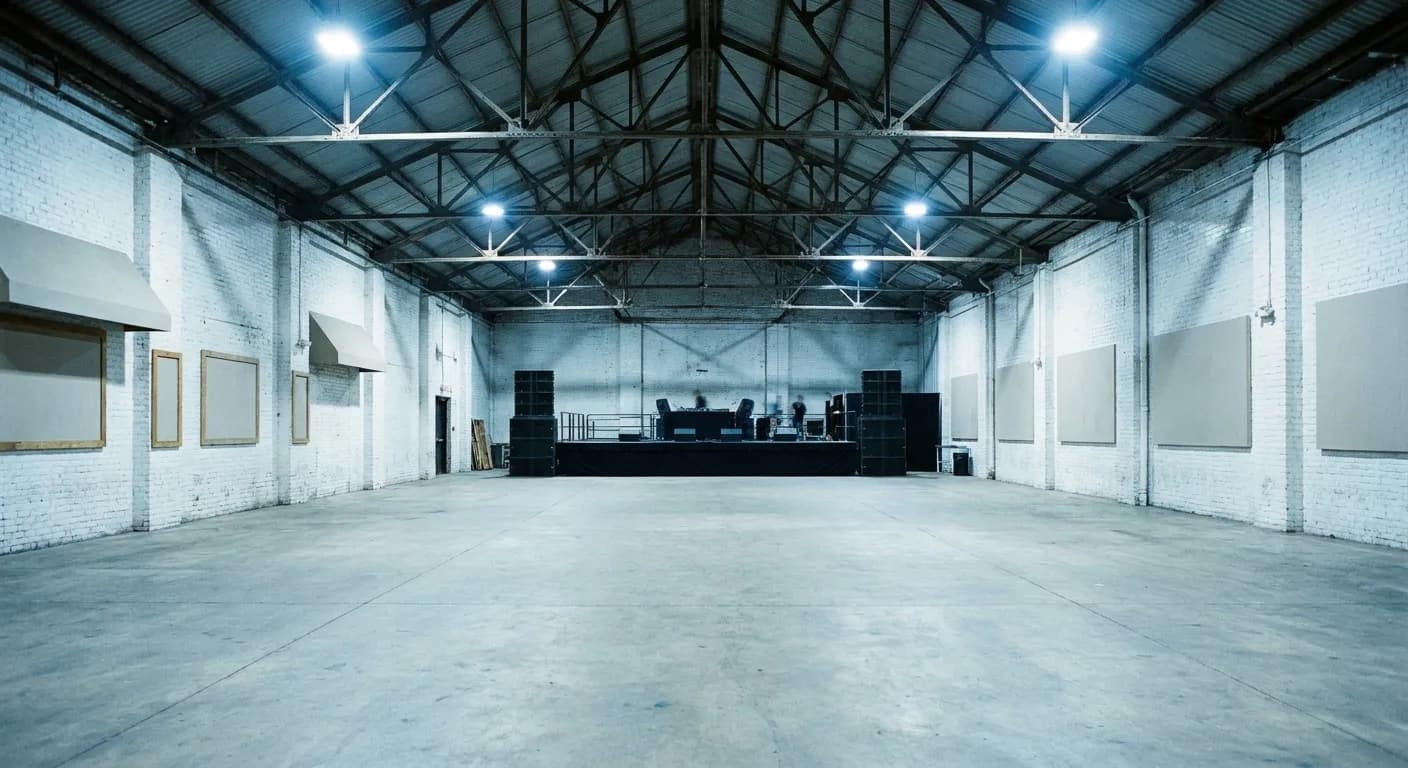
There is no club strip, and that is the point
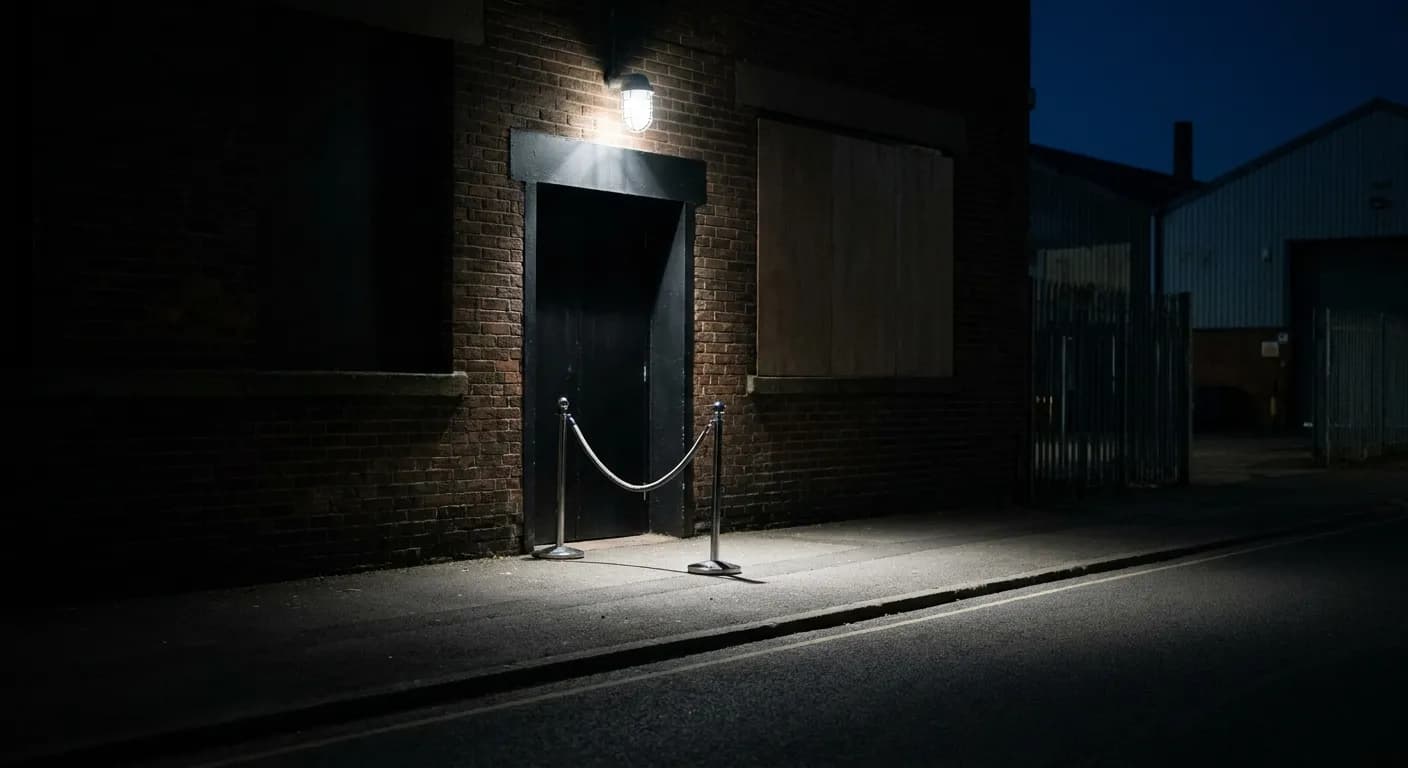
If you arrive in Flushing looking for a row of clubs with queues and door staff, you will not find one. Downtown Flushing is a dense commercial neighborhood built vertically - the interesting rooms are on second floors and in basements, behind signage that is not primarily in English and does not advertise to passing foot traffic.
This is why people who only know the neighborhood for food think it closes early. It does not. It is simply not arranged for people who decide what to do by looking at a street.
Karaoke is the default, not the fallback
The central late-night format in Flushing is the private karaoke room, and it is worth understanding on its own terms rather than as a lesser version of a club. You book a room by the hour for your group. Nobody else is in it. There is a door, a table, a screen, and service, and the night is yours to run.
For a group coming off a night session this is close to ideal. You are eight people, it is 12:30, half of you have opinions about a tiebreak and none of you want to shout over a DJ. A room solves that in a way a bar cannot. Rates are usually lower before a certain hour and step up after it, so arriving at midnight is more expensive than arriving at ten - worth knowing before you split the bill.
Bring the group intact. These rooms are priced and sized for a set number of people, and turning up as a pair looking for atmosphere is not what the format is for.
How to read a building from the street
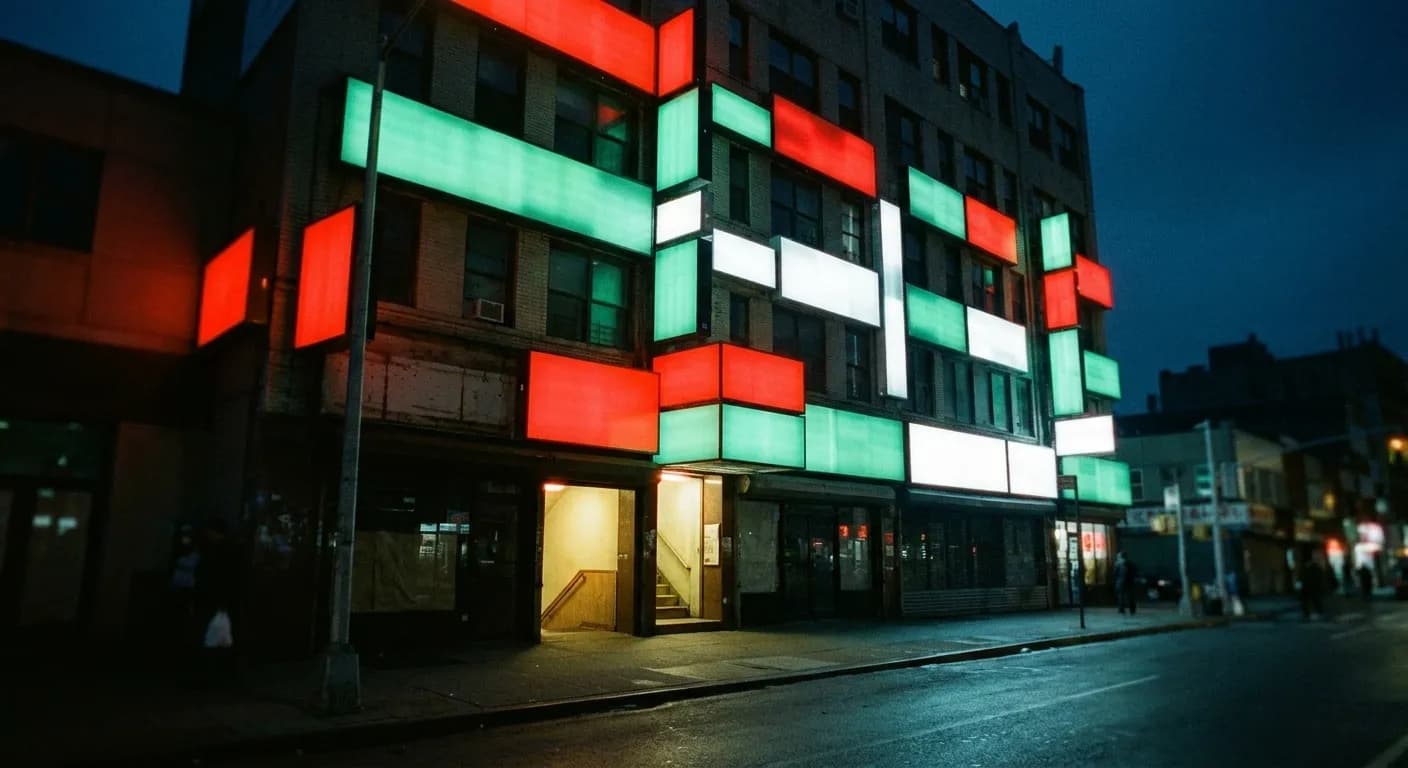
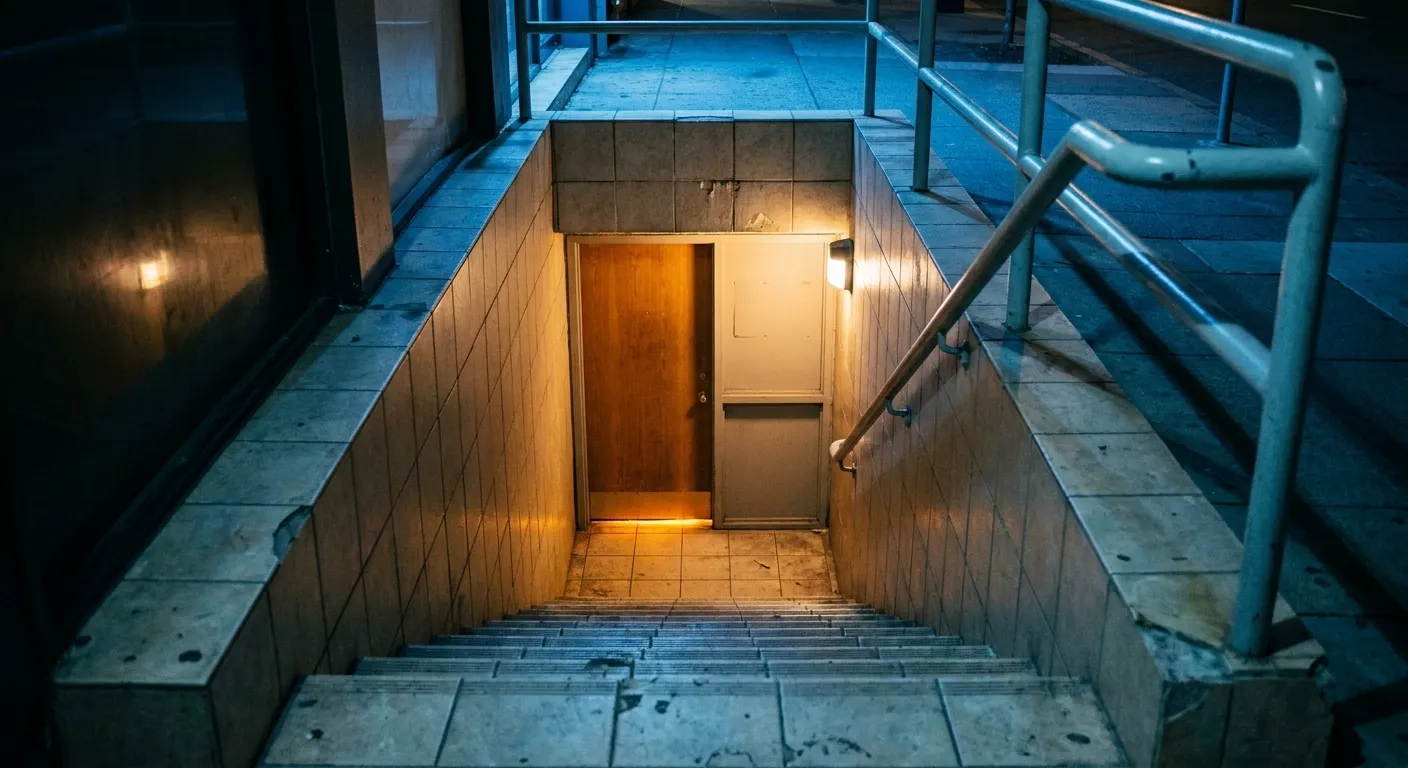
The practical skill in Flushing is looking up. A single narrow doorway between two shopfronts on Main Street often leads to four floors of separate businesses, and the directory beside the door is the only thing that will tell you. Basements work the same way in reverse - a staircase going down from the pavement with a small illuminated sign at the bottom.
If you are not reading Chinese or Korean, the reliable signals are physical rather than textual: a lit stairwell late at night, a lift lobby with people waiting in it, a door with a bell. Empty and dark means closed. Lit and unmarked usually does not.
This is also why a plan beats wandering here in a way it does not in, say, the East Village. Walking around hoping to stumble into something works when businesses face the street. In Flushing the best rooms are deliberately invisible from it, and the difference between a great night and an hour of confused walking is knowing one address before you arrive.
The bars are small and you have to know they exist
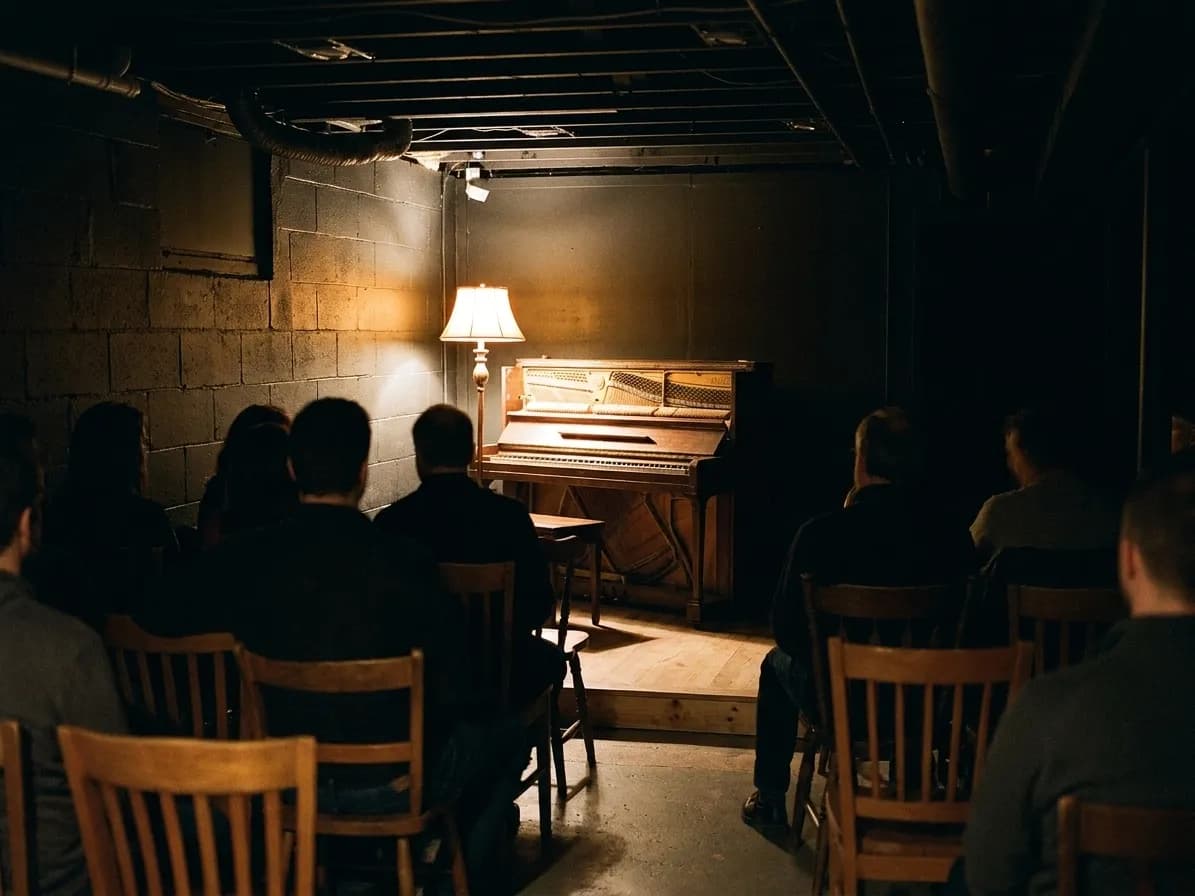
There is a real bar scene here, mostly small rooms - some Japanese-style, some Korean, some that are effectively a counter and eight stools. They are quiet, they are often upstairs, and they close later than you would expect.
The etiquette is different from a Manhattan bar. These rooms run on regulars and on not being loud. A group of twelve arriving at once is a problem; two or four people sitting at the counter is exactly the intended use. Going out in Flushing after a night session works best if you split the group at the station rather than trying to move as a block.
The kitchens are the real headline act
The thing Flushing does better than almost anywhere else in the city at one in the morning is feed you properly. Not a slice, not a cart - a full meal, sat down, cooked to order. Hotpot, barbecue, noodle shops, dessert houses that are busiest after midnight.
For a lot of people this is the entire night out, and it should be. A table of eight eating seriously at 1am after five hours of tennis is a better evening than any dance floor was going to be, and it is the version of Flushing that the neighborhood is genuinely built around.
Getting home is the only hard part
The 7 runs all night but not frequently, and the gap between trains at 2am is long enough to matter in September when it turns cold. Check before you commit to one more round, because the difference between catching a train and missing one is twenty minutes on an outdoor platform.
The alternative most groups land on is staying until the trains normalise rather than fighting them, which is how a night that started as one drink after the tennis becomes a 3am plate of noodles. That is not a failure of planning. In Flushing that is the intended outcome.
Tags: Flushing, Queens, karaoke, KTV, late night, US Open, nightlife, New York City
All trademarks are the property of their respective owners.
Ask Karpo first
Neighborhoods that do not advertise themselves from the sidewalk are exactly where a good recommendation is worth the most. Karpo knows what is upstairs, what is downstairs, what is still cooking and what the room is actually like once you are in it. Ask on the platform, not after you have walked Main Street twice.