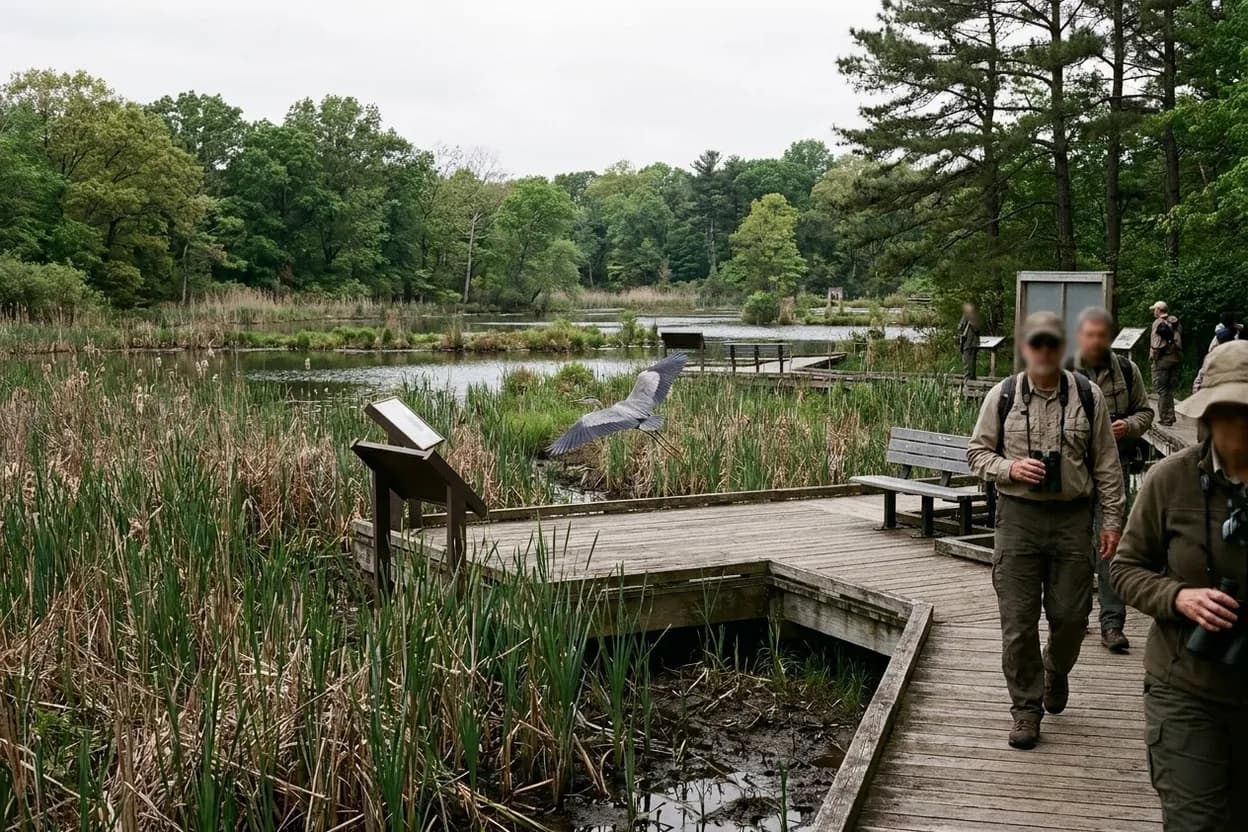
Clay Pit Ponds State Park Preserve on Staten Island offers a distinct natural experience, setting it apart from typical urban green spaces. Spanning 265 acres, this preserve is a mosaic of wetlands, ponds, sand barrens, spring-fed streams, and woodlands. Unlike a conventional city park, its ecological diversity is rooted in a history of 19th-century kaolin clay mining, with abandoned pits now transformed into serene water bodies. It's an ideal destination for those seeking an immersive encounter with New York City's less-traveled, wilder side, promising an outing rich in natural discovery and tranquility.
Want to explore Staten Island's unique natural history and diverse ecosystems? Text Karpo "Clay Pit Ponds" for a personalized itinerary built around your interests.
Beyond the Usual Park: A Unique Ecosystem
Clay Pit Ponds State Park Preserve distinguishes itself from other New York City parks through its remarkable ecological variety. The 265-acre preserve hosts an array of habitats, including wetlands, ponds, sand barrens, spring-fed streams, and dense woodlands. This ecological blend results in a landscape that is both dynamic and unusual for an urban setting, offering visitors a chance to experience multiple distinct natural environments within a single location. The preserve's sand barrens, in particular, represent a rare habitat type, contributing significantly to its unique character.
The preserve's distinct geology, featuring outcrops of sand, gravel, and multicolored clay from the Cretaceous Raritan and Magothy formations, further enhances its ecological value. These ancient geological layers, alongside Pleistocene sand and gravel deposits, underpin the diverse plant and animal communities found here. The varied soil types support different vegetation, which in turn attracts a wide range of wildlife, making it a critical area for biodiversity within New York City.
A Birdwatcher's Paradise
For those with an interest in ornithology, Clay Pit Ponds State Park Preserve is a designated Bird Conservation Area by the NYSDEC, making it a prime destination for birdwatching. The preserve supports an impressive 180 bird species, including 57 species of migratory songbirds. This rich avian diversity is attributed to the varied habitats within the preserve, which provide essential feeding, nesting, and resting grounds for both resident and migratory birds. Visitors can often spot a wide array of species, from waterfowl on the ponds to songbirds in the woodlands.
Planning a birdwatching visit here can be particularly rewarding. The presence of numerous migratory species suggests that spring and fall migrations would offer the most diverse sightings. The preserve’s network of trails allows birdwatchers to explore different ecological zones, increasing the chances of encountering various species. Bringing binoculars and a field guide would enhance the experience, allowing for better identification and appreciation of the preserve's feathered inhabitants.
Traces of an Industrial Past, Reclaimed by Nature
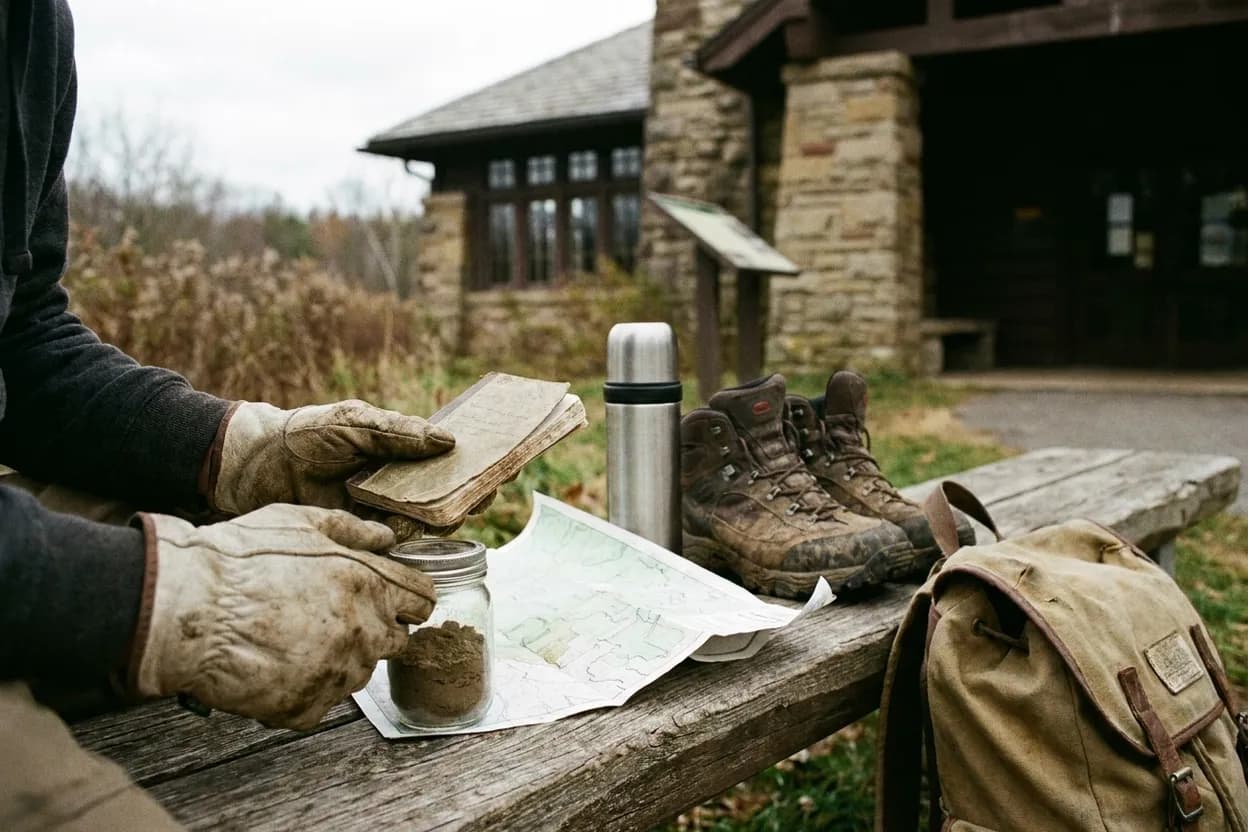
The landscape of Clay Pit Ponds is subtly shaped by its history as a site for extensive kaolin clay mining during the 19th century. These abandoned mining pits have since been reclaimed by nature, filling with rain and spring water to form the ponds that are now integral to the preserve's ecosystem. This post-industrial transformation creates a compelling backdrop for exploration, where human impact has inadvertently fostered new natural environments. The presence of five named ponds and two named brooks further testament to this natural reclamation.
This unique history means that visitors are not just observing a natural preserve, but also a living example of ecological succession and resilience. The interplay between the former industrial activity and the current natural regeneration offers a thought-provoking dimension to any visit. Understanding this past enriches the experience, allowing one to appreciate how nature reclaims and reshapes landscapes over time, turning old wounds into new habitats.
The Interpretive Center: Your Gateway to Discovery
The Nature Interpretive Center serves as an excellent starting point for any visit to Clay Pit Ponds State Park Preserve. Described by NYS Parks as a fully accessible building, it offers interpretive displays that provide valuable context about the preserve's ecology, geology, and history. This center is also a hub for free public programming, offering educational opportunities for all ages. Beginning your visit here can help orient you to the preserve's offerings and deepen your understanding before venturing out onto the trails.
Located at 2351 Veterans Road West, Staten Island, the Interpretive Center is designed to enhance the visitor experience. It acts as the primary public interface, offering insights into the preserve's unique features, from its rare sand barrens to its diverse wildlife. Whether you're interested in the geological formations or the array of bird species, the center provides foundational knowledge that will make your exploration of the preserve more meaningful.
Trail Options: Hiking, Riding, and Picnicking
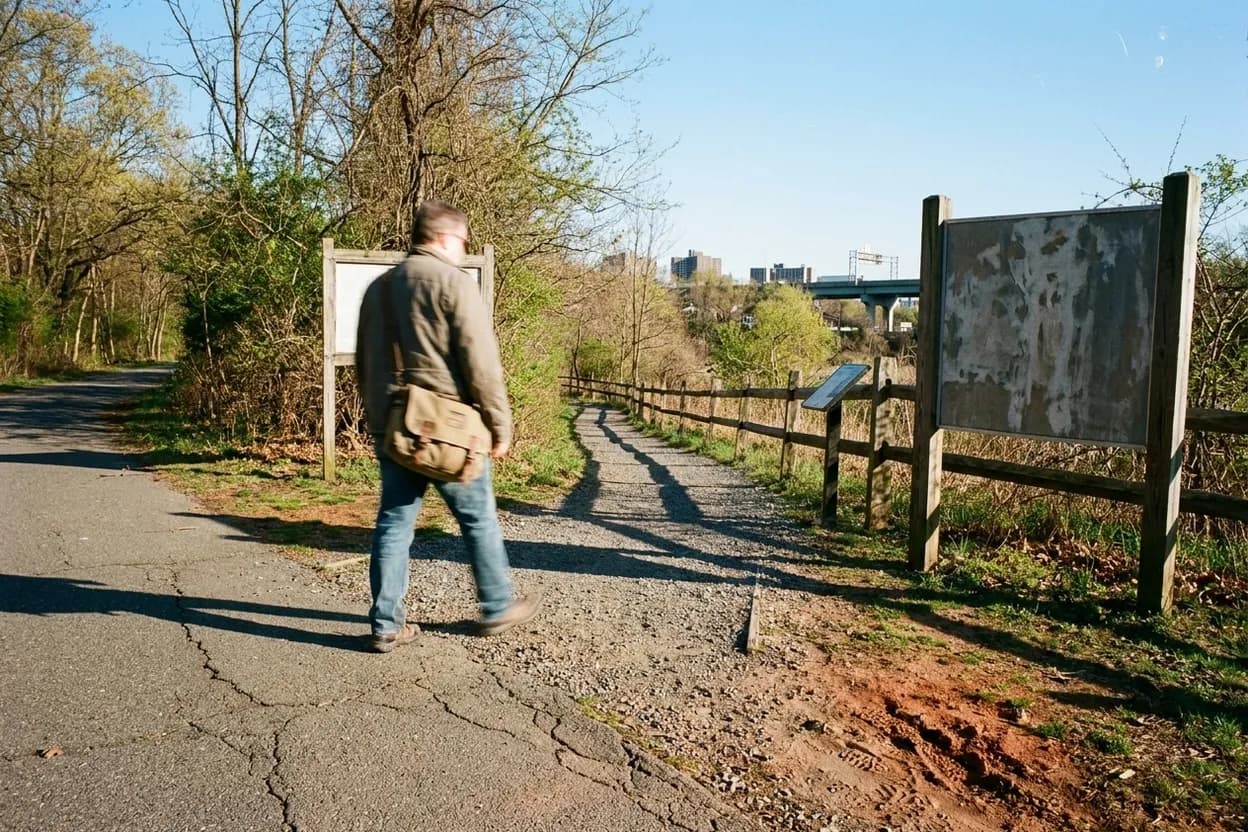
Clay Pit Ponds State Park Preserve provides a range of outdoor activities, focusing on appreciation of its natural environment. The preserve offers extensive nature trails for hiking, allowing visitors to explore its varied habitats, from woodlands to the edges of its ponds. Beyond hiking, there are also designated bridle paths for equestrian use, providing a different way to experience the preserve's expansive landscape. These activities emphasize a low-impact interaction with nature, aligning with the preserve's conservation mission.
For those planning a longer visit, picnicking facilities are available, offering a chance to relax and enjoy the natural surroundings. The emphasis on trails, birdwatching, and picnicking suggests that the preserve is designed for a more contemplative and immersive natural experience rather than active sports. It is advisable to bring a plan for a low-key nature visit, focusing on observation and quiet enjoyment of the diverse ecosystems.
Targeting Unique Geological Features
For visitors interested in geology, Clay Pit Ponds offers a rare opportunity to observe limited outcrops of significant geological formations. The preserve contains exposed sand, gravel, and multicolored clay from the Cretaceous Raritan and Magothy formations. These formations are exceptionally old, dating back to a period when the landscape of this region was vastly different. Additionally, Pleistocene sand and gravel deposits are also present, providing a glimpse into more recent glacial history.
Locating these geological features can add a distinct educational layer to your visit. While the specific locations of the best outcrops may require some exploration, an understanding of their presence can guide your observations along the trails. This makes the preserve a compelling destination not just for ecologists and birdwatchers, but also for amateur geologists keen to see ancient earth history exposed within a New York City park.
Practical notes for Clay Pit Ponds State Park Preserve
Before heading to Clay Pit Ponds State Park Preserve, verify current access details. While official sources confirm that the Nature Interpretive Center is open for programming and drop-in visits, specific daily public hours for the center and the preserve itself are not consistently confirmed by all provided official channels. Activities like hiking, birdwatching, and picnicking are generally permitted, but it is always prudent to check for any seasonal closures, permit requirements for specific activities, or temporary restrictions on certain trails or areas. You can contact NYS Parks directly for the most up-to-date information, or check their official website.
It's also advisable to confirm the current operating hours for parking facilities, as these can sometimes differ from the preserve's general access times. While some independent reports suggest a dawn-to-dusk schedule for the preserve and specific hours for parking lots and the interpretive center, this information should be verified with official sources to ensure a smooth visit. Public transit options, reservation requirements for programs, or guided-tour schedules for July 2026 should also be checked on the official NYS Parks website or by contacting the preserve directly to avoid any last-minute surprises.
Tags: #ClayPitPonds #StatenIsland #NaturePreserve #BirdwatchingNYC #SandBarrens #NYCWildlife #Ecology #HikingNYC #UrbanNature #Geology #OutdoorNYC #AskKarpo #BeforeYouGo #NYCParks
Sources consulted: Source 1: parks.ny.gov · Source 2: dec.ny.gov · Source 3: parks.ny.gov · Source 4: gsa.confex.com · Source 5: amny.com · Source 6: tripadvisor.com · Source 7: naturecalendar.wordpress.com · Source 8: en.wikipedia.org · Source 9: hiddenwatersblog.wordpress.com · Source 10: tygodnikplus.com
All trademarks are the property of their respective owners.
Ask Karpo first
Tell Karpo your date, group size, budget, and starting neighborhood. We’ll check current access, timing, transit, and the cleanest plan for Clay Pit Ponds State Park Preserve before you head out.