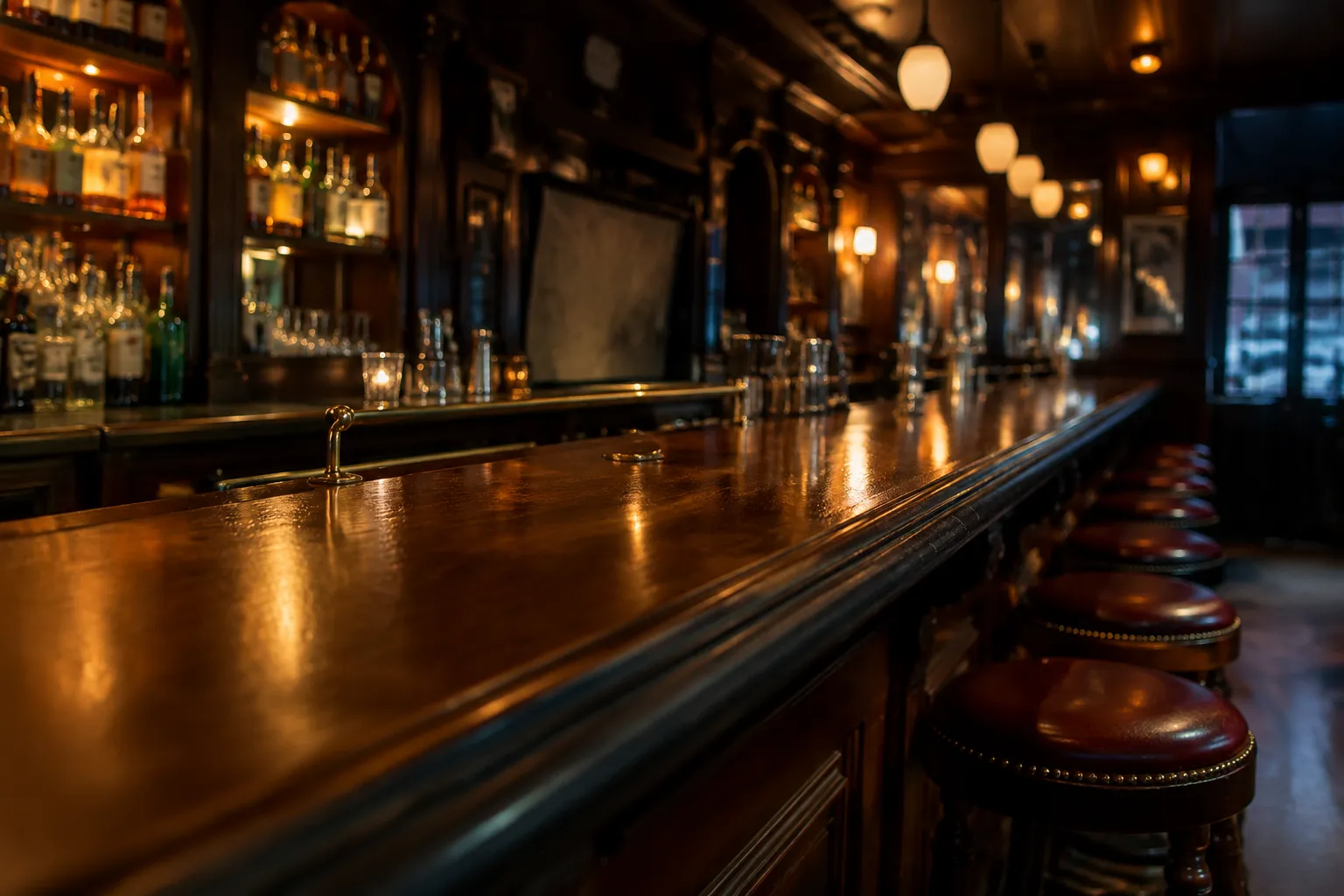
When major baseball trades like the clay holmes move dominate sports talk airwaves, radio-first fans face a unique challenge in San Francisco: finding bars that prioritize broadcast audio over music or television. The SoMa neighborhood, home to sports radio infrastructure, offers several venues within walking distance of studios where afternoon drive-time programming delivers immediate analysis. Yet not every bar maintains agreements to pipe in talk radio, and even those that do often switch to game broadcasts once live play begins, creating a narrow window for the audio-focused experience. This guide helps talk radio listener friends verify which venues accommodate their preference, understand the tradeoffs between radio and game audio, and plan routes using Muni or walking paths that connect studio-adjacent bars during the critical hours when trades break and analysts react in real time.
Text Karpo your starting point, timing, group size, and priorities for a San Francisco plan tailored to this exact situation, with one realistic backup before you leave.

The Studio Proximity Advantage in SoMa
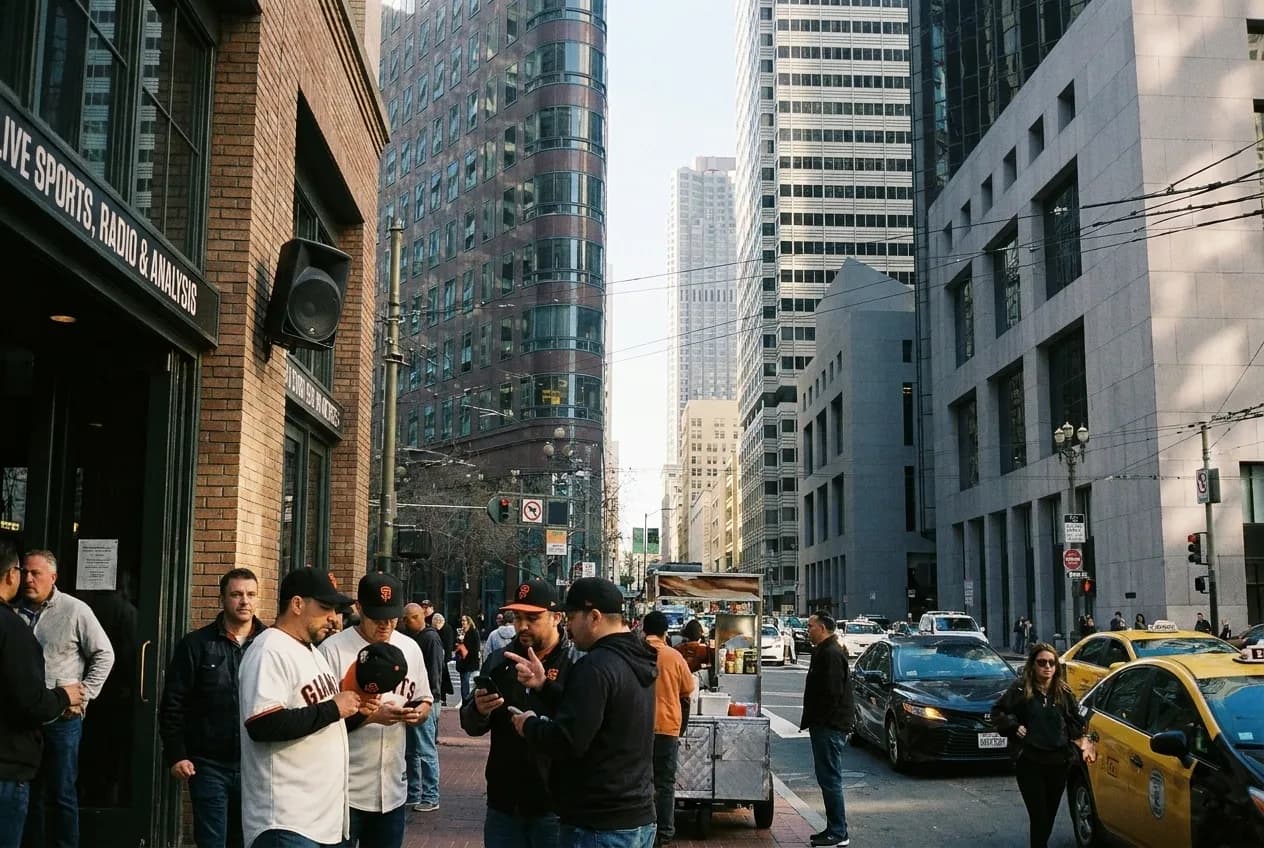
Sports radio studios cluster in the SoMa district, and bars within a few blocks often cultivate relationships with broadcasters who frequent them before or after shifts. This geographic proximity doesn't guarantee radio audio—many establishments default to television or streaming music—but it increases the likelihood that management understands the appeal of live talk programming. Fans should call ahead to confirm whether a venue has an active agreement to broadcast sports talk radio and whether staff can ensure the audio remains on radio rather than switching to TV commentary during the same programming block.
The advantage of studio-adjacent locations extends beyond audio access. Afternoon drive-time hours, typically spanning late afternoon into early evening, align with the end of traditional work shifts, meaning these bars often see an influx of industry professionals and dedicated radio listeners. This creates an environment where requesting radio audio feels less unusual, though fans should still verify the venue's willingness to accommodate the preference, especially if the bar uses multiple audio zones or has competing requests from patrons who prefer visual broadcasts.
Verifying Audio Agreements Before You Arrive
Not all bars that play sports content have formal agreements to broadcast talk radio, and assumptions can lead to disappointment. Before heading out, call the venue directly and ask specific questions: Does the bar have a licensing agreement to play sports talk radio? Which station do they broadcast? Can they guarantee radio audio will remain on during afternoon drive-time, or does policy require switching to game broadcasts once live play begins? These questions reveal whether the venue truly accommodates radio-first fans or merely tolerates occasional requests.
Some bars rotate audio sources based on crowd size or event schedules, meaning a venue that played radio last week might default to television today. Ask whether the bar has dedicated radio days or time blocks, and whether they use separate audio zones that allow different sections to hear different sources. If you're planning to visit with a talk radio listener friend, confirm the venue can maintain consistent audio in your seating area rather than forcing you to move mid-visit when programming changes.
Navigating the Drive-Time to Game Broadcast Transition
The most significant tradeoff for radio-focused fans is the transition moment when afternoon talk programming ends and live game broadcasts begin. Many bars automatically switch audio sources at first pitch, prioritizing the game over continued analysis. This shift can happen abruptly, sometimes mid-conversation if a host is still discussing trade implications when game time arrives. Fans seeking uninterrupted talk radio should clarify whether the venue will maintain radio audio through this transition or whether they'll need to relocate to a different bar that doesn't carry live games.
Some venues offer a compromise by keeping radio audio in one section while switching other areas to game broadcasts, but this requires enough physical space and separate speaker zones. Smaller bars typically lack this flexibility, forcing a single audio choice for the entire venue. If your priority is hearing extended trade analysis rather than the game itself, consider visiting earlier in the afternoon drive window or choosing bars that don't hold game broadcast rights, ensuring radio programming continues uninterrupted even after first pitch.

Public Transit Routes Connecting Studio-Area Bars
SoMa's sports radio studio area connects well to San Francisco's Muni system, making bar-hopping feasible if your first choice doesn't accommodate radio audio. According to SFMTA resources, multiple bus and light rail lines serve the neighborhood, allowing fans to move between venues without needing a car. Planning a route that includes two or three potential bars gives you flexibility if one location has switched to television or doesn't have the radio agreement you expected. Walking distances between SoMa bars are often short enough that transit isn't necessary for nearby backups, but having a Muni route mapped ensures you can reach a confirmed radio-friendly venue quickly.
Afternoon drive-time coincides with commuter transit patterns, meaning buses and trains run frequently during the hours when trade analysis airs. This scheduling alignment works in your favor, reducing wait times if you need to relocate. However, the same commuter volume can make vehicles crowded, so factor in slightly longer travel times than off-peak estimates. If you're unfamiliar with the area, walking between studio-adjacent bars offers the added benefit of spotting venues you didn't research in advance, though you'll still need to verify their audio setup before settling in.
Who This Audio-First Approach Fits Best
This strategy works best for fans who prioritize the analytical depth and conversational flow of radio over the visual elements of television broadcasts. Radio-first listeners often value the extended discussion, caller interaction, and host chemistry that talk programming provides, elements that disappear once game broadcasts begin. If you and your talk radio listener friend prefer hearing multiple perspectives on a trade's implications rather than watching highlight reels, studio-area bars during afternoon drive-time offer the most reliable access to that content, provided you've verified the venue's audio commitment in advance.
The approach requires more preparation than simply walking into any sports bar, making it less suitable for spontaneous outings or fans who don't mind switching between audio sources. It also demands flexibility, since even confirmed radio-friendly venues might change policies or face technical issues that force a switch to television. Fans who find this level of verification frustrating might prefer home listening or bars that explicitly market themselves as talk radio destinations, though such venues remain rare. For dedicated radio listeners willing to do the legwork, however, the payoff is an environment where breaking trades receive the audio-focused treatment that makes sports talk radio compelling.
Tags: #sportsbarsSanFrancisco #SoManightlife #sportsradiovenues #afternoonbarsSF #talkradiolistening #KNBRbars #drivetimesports #baseballtradeanalysis #audiofocusedbars #Munibarroutes
Sources consulted: Source 1: sf.gov · Source 3: sfmta.com · Source 4: sfpl.org
Please drink responsibly. Must be of legal drinking age.
All trademarks are the property of their respective owners.
Ask Karpo first
Ask Karpo to turn this San Francisco idea into a current plan for your date, budget, companion, transit preference, and energy level. Karpo can narrow the route and flag what to verify before you go.