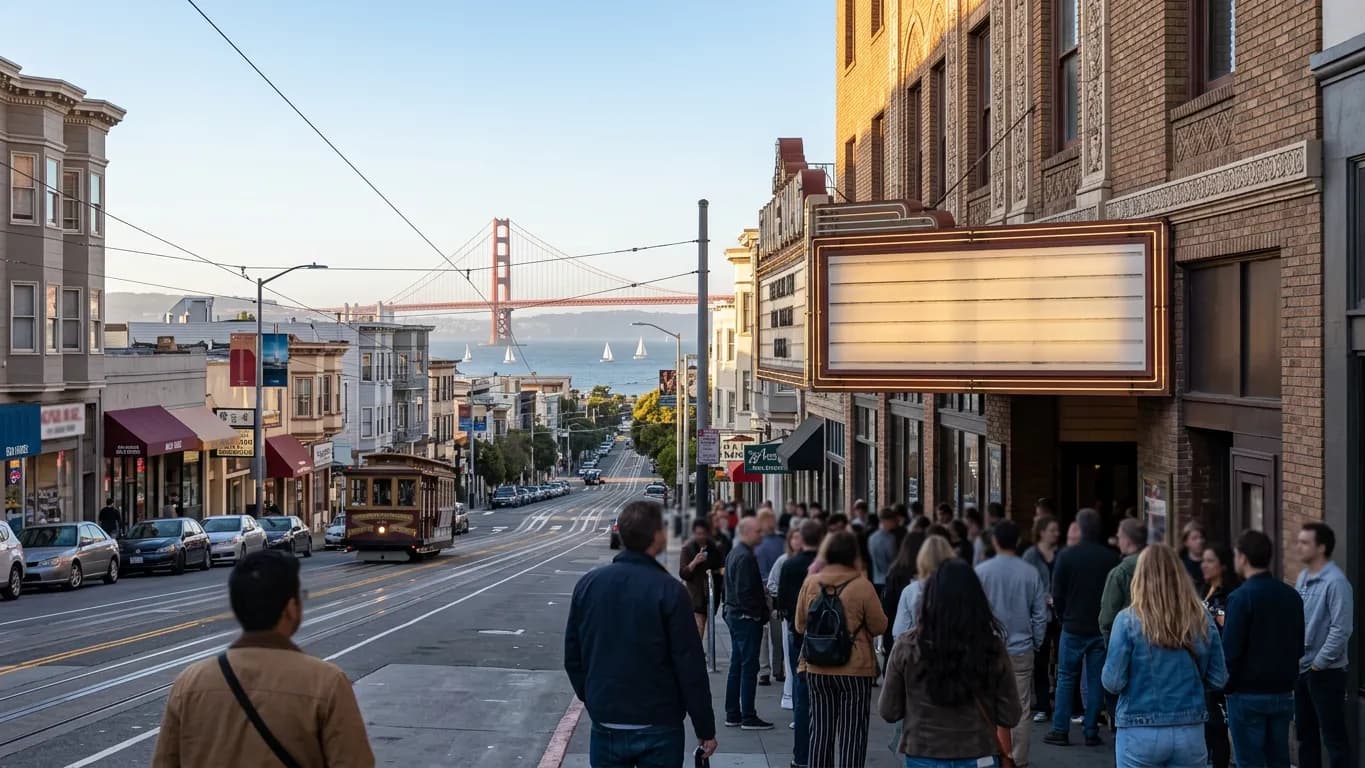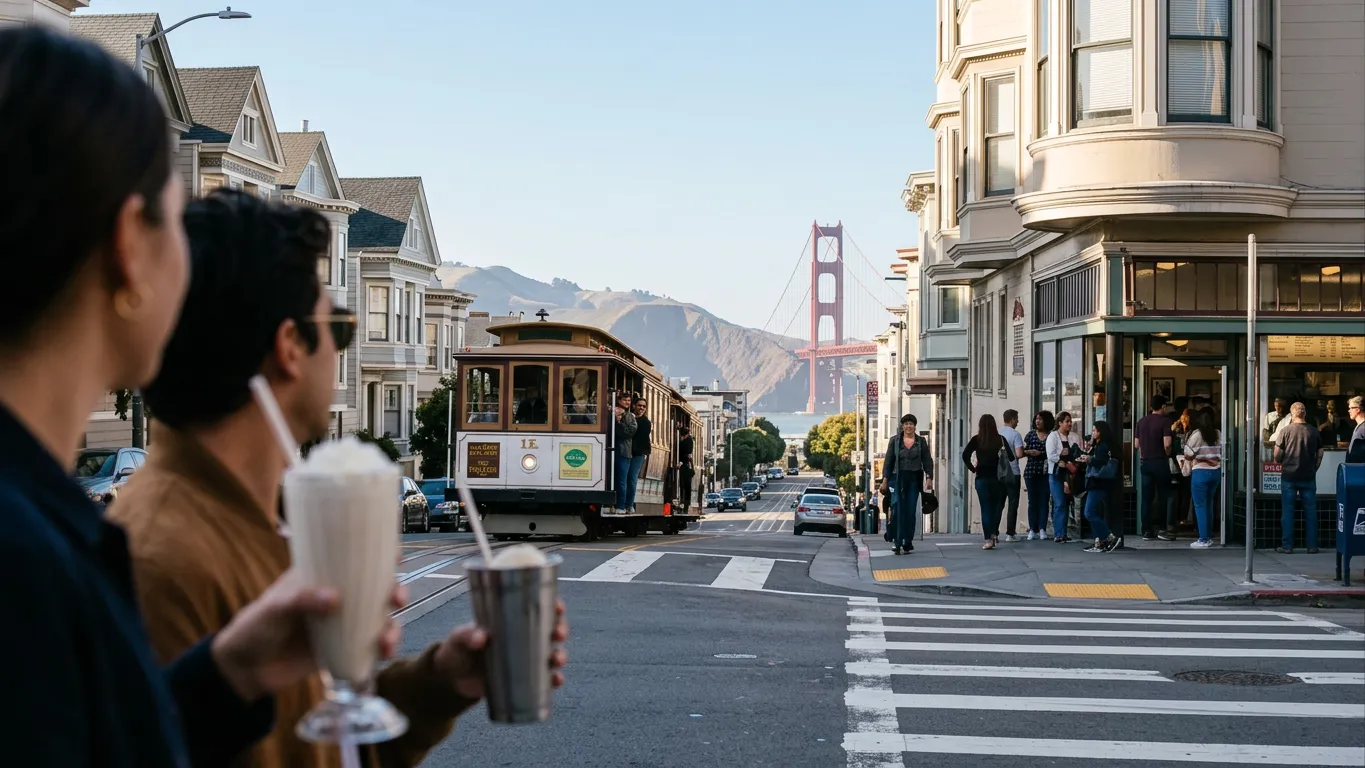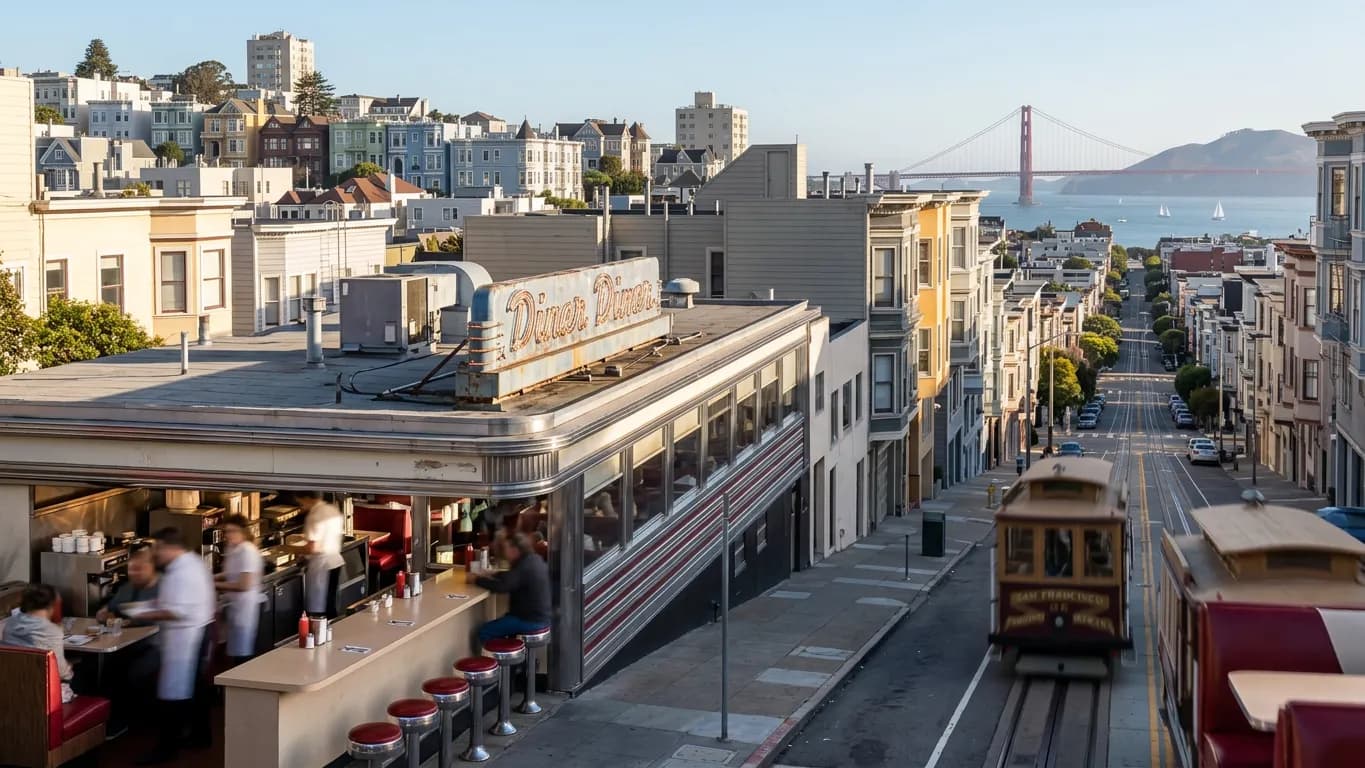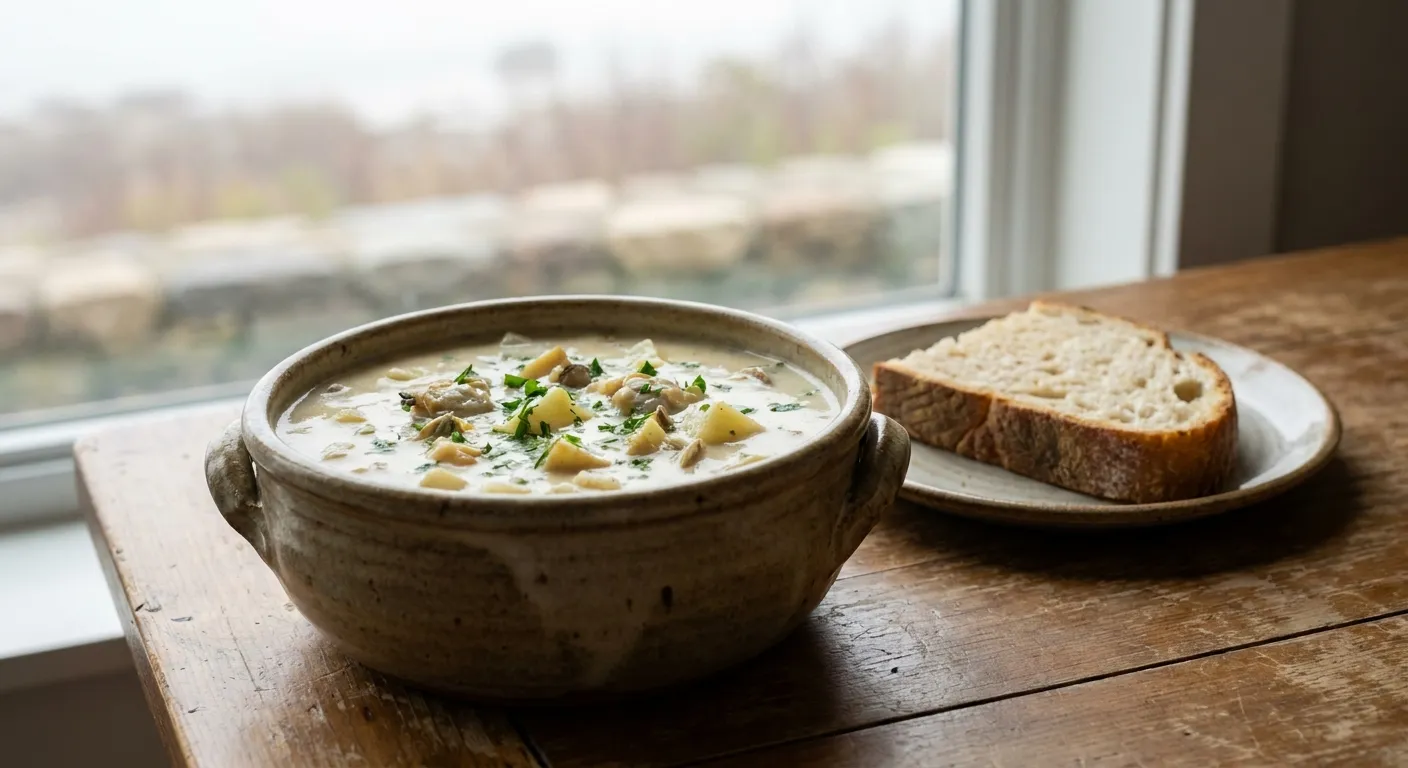
Somewhere on Fisherman's Wharf right now, a tourist is photographing a bread bowl. It's the most reliable cliché in San Francisco dining, and the local reflex is to roll your eyes at it. Here's the thing, though: the cliché exists because the underlying idea — hot, creamy clam chowder and tangy sourdough in the same bite, eaten in fog-cooled air — is genuinely great. The tourists aren't wrong. They're just eating the beginner version.
So let's take chowder seriously for a minute. This is a guide to what a good bowl actually is, an honest rating of the famous wharf versions, and the rooms around the city where chefs quietly out-cook all of them. Bring an appetite and a defensible opinion about bacon.
What a Good Chowder Actually Is
Good New England-style chowder is a balancing act: enough cream to feel like a blanket, not so much that it becomes wallpaper paste; potatoes that hold their shape; and clams you can actually find and chew, tasting of the ocean rather than the can. Bacon or salt pork underneath is traditional and correct. The spoon test cuts both ways — if it stands straight up, the kitchen leaned on flour instead of clams. And sourdough belongs alongside the bowl for dragging through the dregs. Whether it should also be the bowl is a question we'll settle at the wharf.
The Wharf, Honestly Rated
Boudin has been baking sourdough since 1849, and the bread bowl at the wharf flagship is the postcard: a hollowed round of genuinely excellent bread filled with mild, creamy New England-style chowder. The honest read is that the bread is the star and the chowder is its supporting act — worth doing once, in the fog, leaning on a railing. Scoma's, out on its own pier, serves the more serious wharf bowl: piping hot, old-school, from a kitchen that's been feeding fishermen-adjacent crowds for decades. And Fog Harbor Fish House at Pier 39 splits the difference with an award-decorated chowder and full bay views, which is more than most cliches can offer.
The Old Guard: Counters, Grills, and Gravy
Swan Oyster Depot on Polk Street has been slinging seafood from its marble counter for over a century, and its Boston clam chowder is a mainstay — order it while standing in the line you were going to stand in anyway. Tadich Grill downtown, which traces its lineage to Gold Rush-era 1849, ladles a New England-style bowl famously thick enough to alarm cardiologists; it tastes like history, in the best and heaviest sense. In North Beach, Sotto Mare's Boston-style version runs glossy and rich, closer to a clam gravy than a soup — the neighborhood swears by it, and the neighborhood is Italian, so it knows from gravy.
Where Chefs Do It Better
Anchor Oyster Bar in the Castro — run by the same husband-and-wife team since 1977 — makes the bowl this article exists to defend: a Boston-style chowder that's silky, balanced, and creamy without being sludgy, eaten at a little bar with a glass of something cold. Wayfare Tavern downtown dresses the dish up with tableside service and manila clams, which is what happens when a chef-driven kitchen decides the tourist icon deserves white tablecloths. And Hog Island Oyster Co. at the Ferry Building is the house heretic: its Manila clam chowder skips the flour thickening entirely — brothy, bacon-laced, with clams still in the shell. Purists grumble. Purists also finish the bowl.
Neighborhood Bowls Worth a Detour
Billingsgate in Noe Valley sells its ultra-creamy, bacon-heavy chowder in sizes up to a quart, which tells you exactly how its regulars feel about moderation. Woodhouse Fish Co. keeps a rich, buttery New England bowl on the menu at both its Fillmore and Castro locations, and Popi's Oysterette in the Marina finishes its version with what tastes like a one-to-one ratio of clams to bacon, plus chives — no complaints filed. In NoPa, Bar Crudo's seafood chowder breaks format entirely, loading the bowl with fish, shrimp, mussels, and squid; hit it at happy hour and it's one of the best cheap dinners in the city.
- Order the cup first at a new spot. Chowder loyalty should be earned, not assumed.
- Sourdough on the side beats sourdough as the vessel — the bread bowl steams the crust soggy from the inside.
- Count the clams. A great bowl doesn't make you go looking for them.
- Chowder is fog food. A 60-degree gray afternoon improves any bowl by about 20 percent.
- If the spoon stands up on its own, that's flour talking, not clams.
In Defense of Doing the Cliche Anyway
None of this is an argument against ever eating a bread bowl at the wharf. Do it once. Do it with sea lions barking in the background and a seagull eyeing your lunch like a mugger. Then graduate: take the bus to the Castro for Anchor's silky bowl, or stand in Swan's line with the regulars, or let Hog Island talk you out of flour altogether. The cliche is the front door. The city's actual chowder is what's behind it.
Clam Chowder FAQs
Is the sourdough bread bowl worth it in San Francisco?
Once, yes — it's a genuinely fun ritual, and Boudin's sourdough is the real thing with a lineage back to 1849. After that, most chowder devotees switch to a proper bowl with bread on the side, which keeps the crust crackly and lets the chowder stand on its own. Think of the bread bowl as the gateway, not the destination.
What style of clam chowder is San Francisco known for?
The creamy white New England style dominates here, often labeled Boston-style on menus — SF's twist is serving it with, or inside, local sourdough. You'll rarely see tomato-based Manhattan chowder in this city. The notable outlier is Hog Island's unthickened, brothy Manila clam version, which is worth trying precisely because it breaks the mold.
Where can I get great chowder near Fisherman's Wharf?
Scoma's, on its own pier just off the main drag, is the strongest bowl in the immediate area, with Fog Harbor at Pier 39 close behind if you want bay views with it. Boudin's flagship covers the bread bowl ritual itself. If you have one more meal to spend, the best bowls are a bus ride away — ask Karpo and it'll route you to the nearest one on this list.