On a bright Saturday in late spring, the City Reliquary's glass door swings open to admit a procession of neighbors carrying shoe boxes, tote bags, and tissue-wrapped bundles. They arrive bearing subway tokens from discontinued lines, fragments of terracotta from demolished buildings, matchbooks from vanished diners. This is the weekly donation ritual, a quietly civic act that unfolds on a street corner where Metropolitan Avenue meets the quieter edge of Williamsburg, and where the collective memory of NYC finds a surprisingly rigorous sorting process.
The Saturday window
Donation hours run a tight two-hour window from noon to 2pm every Saturday. The timing is deliberate—early enough to catch weekend energy, short enough to maintain curatorial focus. Behind a modest desk near the entrance, volunteer curators rotate through shifts, each trained in the museum's evaluation protocols. The desk itself is a study in contrasts: archival gloves rest beside coffee mugs, magnifying loupes share space with smartphone reference tools.
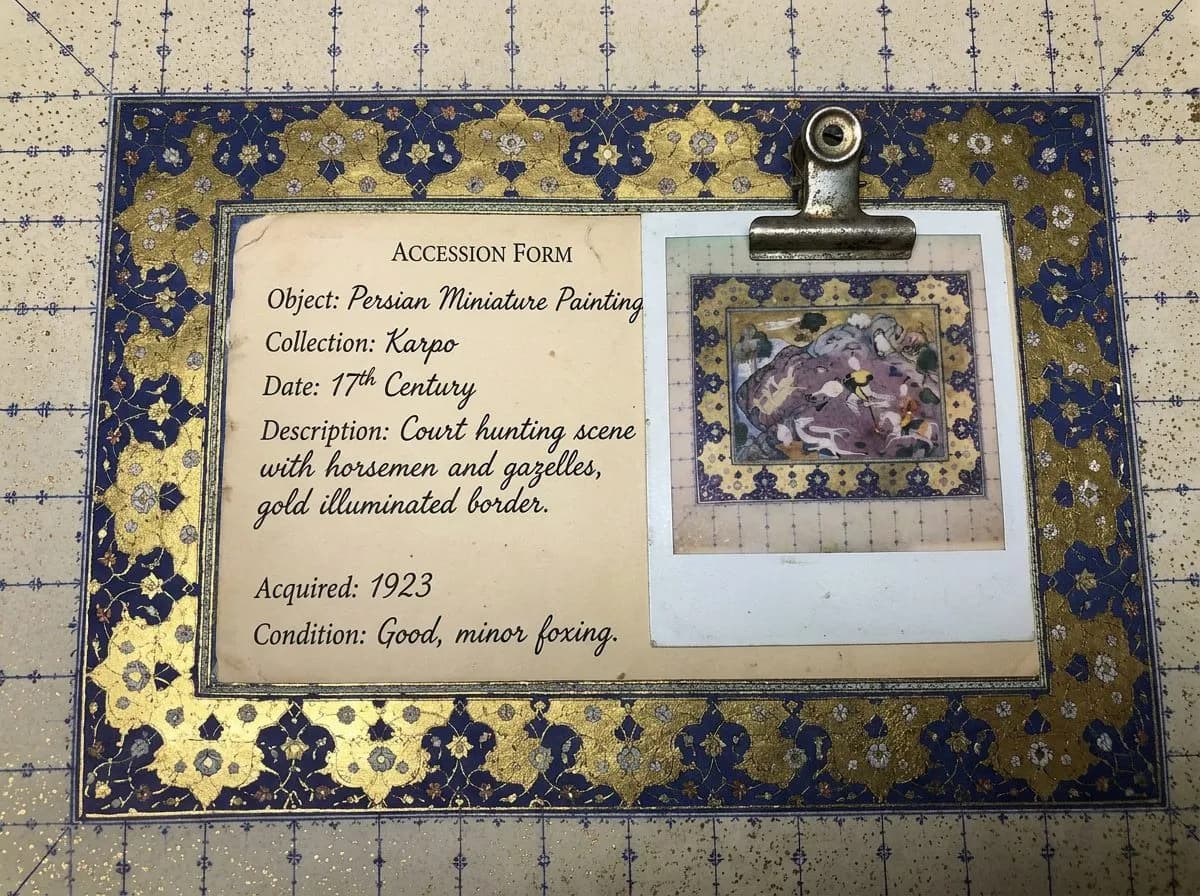
The volunteers work from a form adapted from the American Association for State and Local History standards—specifically, a 1987 version that the Reliquary has tweaked over the years but never fully replaced. Four assessment points guide each object's fate: historical significance, condition, provenance, and relevance to the collection's scope. It's a framework built for state archives, now deployed on subway ephemera and bodega signage. The incongruity is part of the charm.
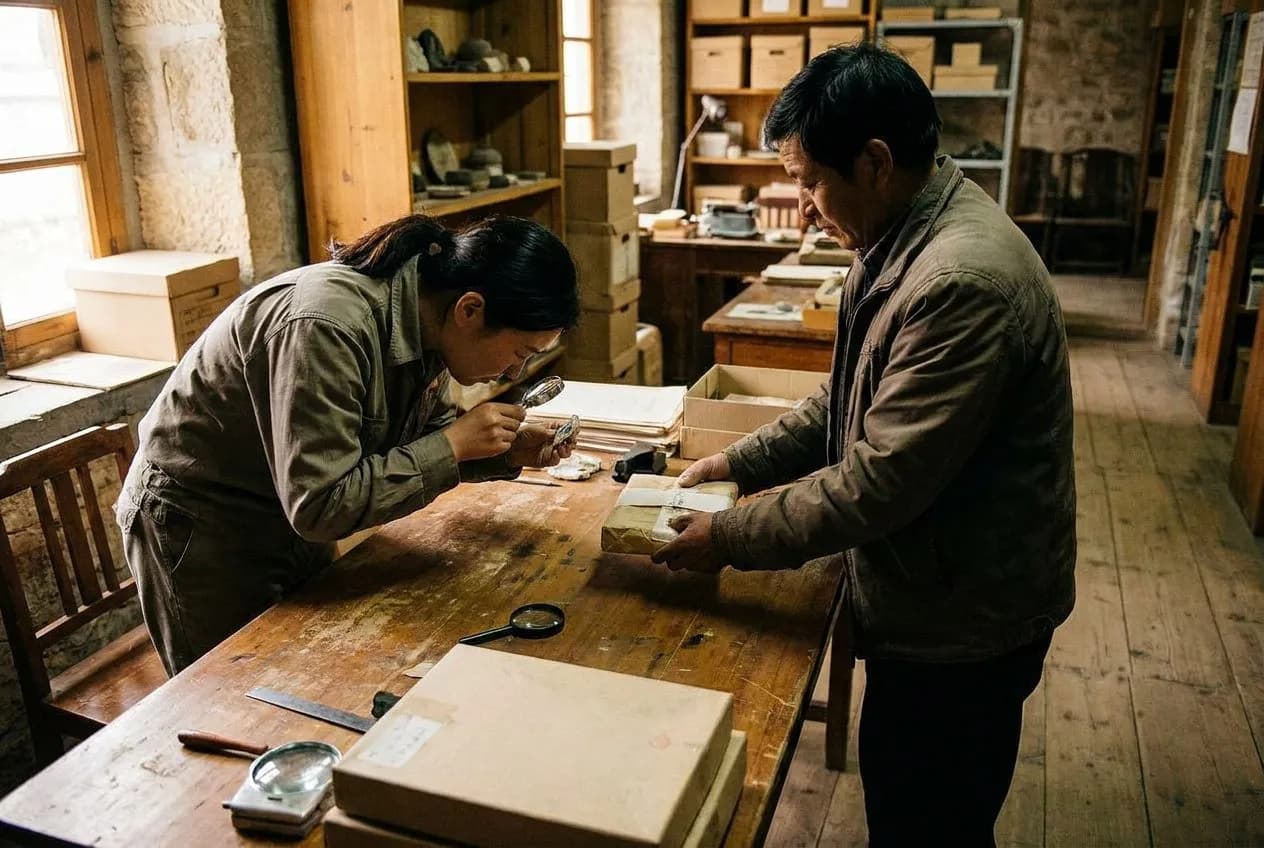
What walks through the door
The variety defies easy categorization. One donor unwraps a set of Automat tokens from the Horn & Hardart era, edges worn to soft silver moons. Another presents a shard of mosaic tile from a demolished Bronx apartment lobby, still bearing traces of grout. There are hand-drawn subway maps, political campaign buttons for forgotten candidates, restaurant menus printed on stock so cheap it's already yellowing. Each object arrives with a story, though not all stories survive the evaluation process.
The curators ask questions with practiced gentleness. Where did you find this? Do you know when it was made? Why do you think it matters? The answers range from meticulously researched provenance to pure intuition. Both have their place. A Statue of Liberty snow globe from a gift shop might fail the significance test, but a homemade snow globe containing genuine Liberty Island sand, crafted by a ferry worker in 1976, enters a different category entirely. Context is everything.
The numbers behind the ritual
The Reliquary's permanent collection has grown to more than three thousand cataloged items, each representing a curatorial yes that survived the evaluation form. But acceptance is selective by necessity. Roughly fifteen percent of donations make it into the permanent archive after assessment—a rate that reflects both the volume of offerings and the discipline required to maintain a coherent collection. The rejected eighty-five percent are handled with care; donors receive explanations, and some objects are referred to other archives or returned with suggestions for preservation.
The math means that in any given Saturday session, perhaps two or three objects from a dozen presentations will be accessioned. It's a humbling ratio, but it ensures that the collection retains focus. The museum occupies a modest storefront; curatorial restraint is not merely philosophical but spatial. Every acceptance represents a commitment to cataloging, storage, and eventual display. The volunteers understand this calculus intimately.
The debut case
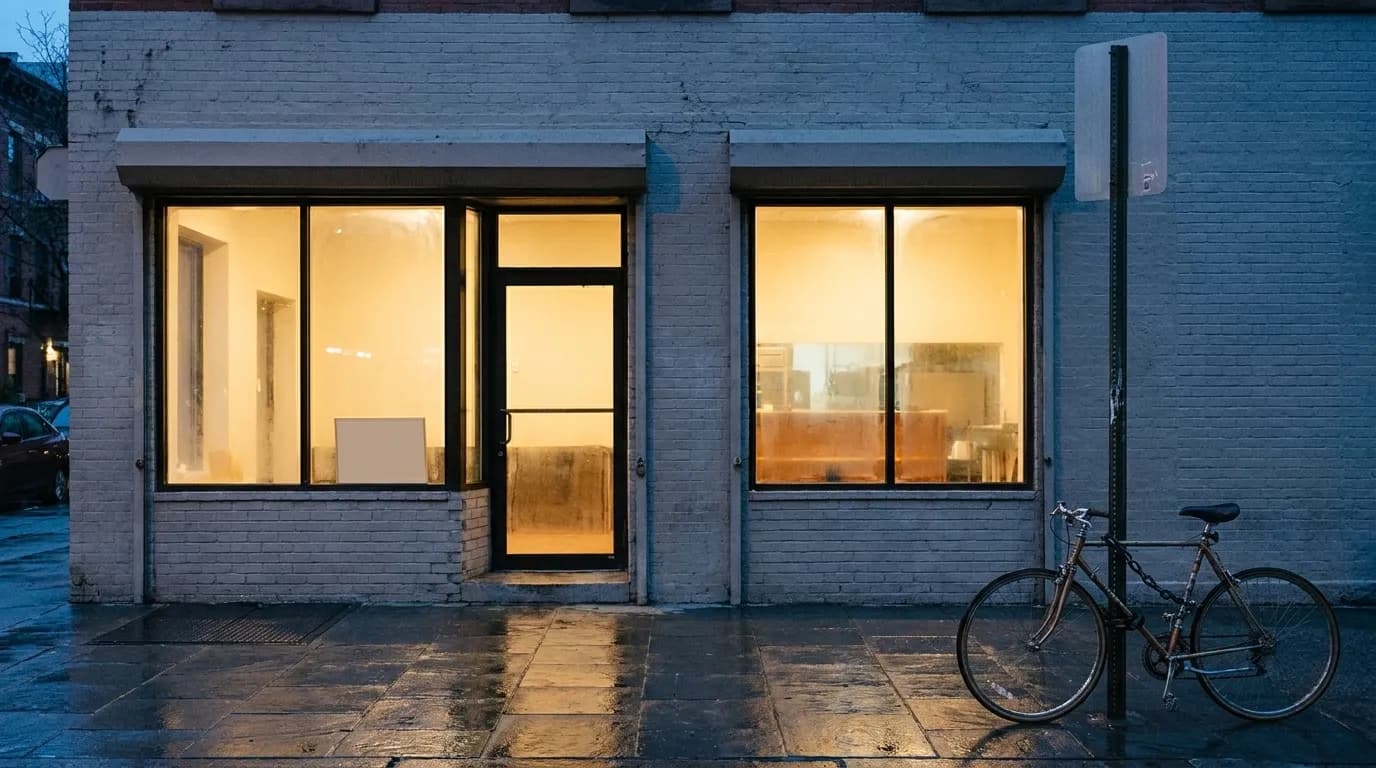
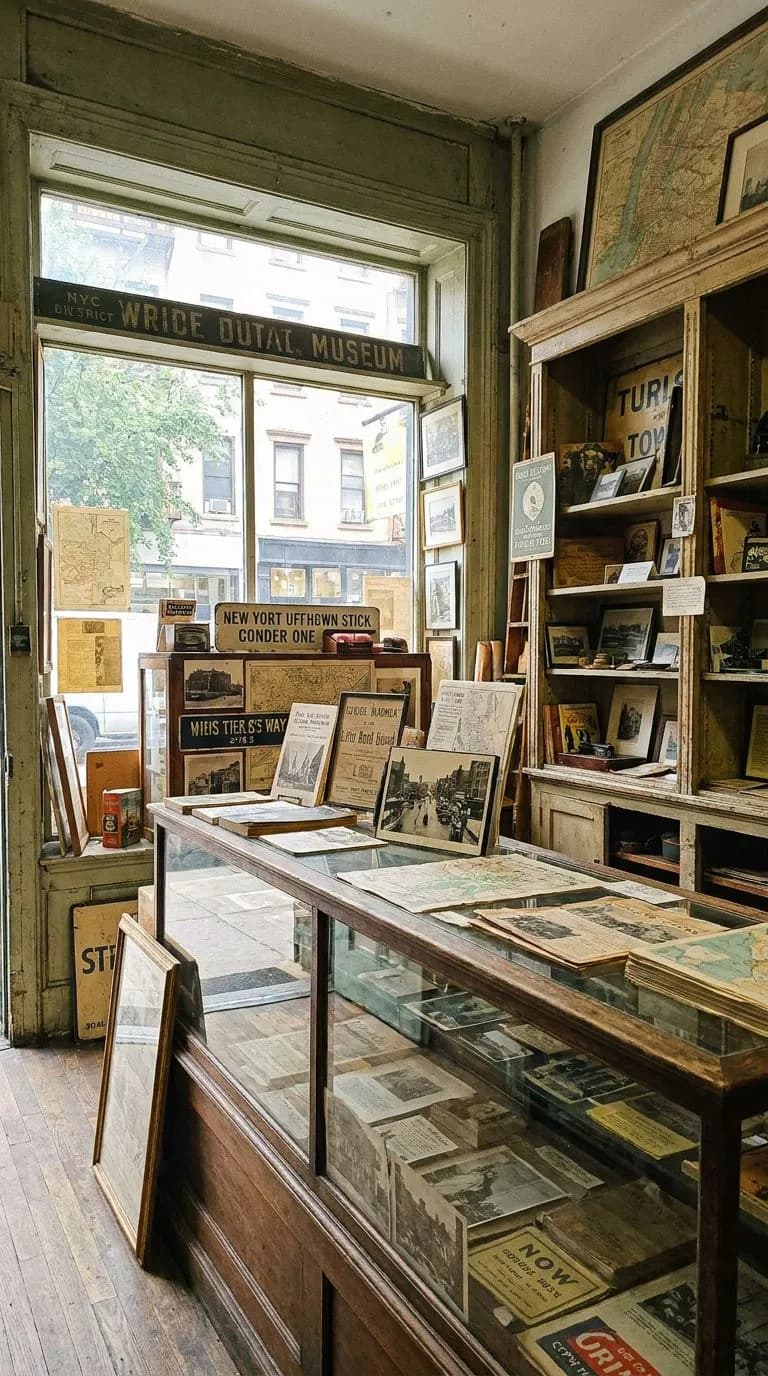
Newly accessioned objects don't vanish into archival boxes. Instead, they spend two to four weeks in the front window display case, a kind of public debut before the curatorial team makes a final decision on permanent placement. The window functions as both showcase and trial balloon—staff watch which pieces draw foot traffic, which provoke questions, which seem to resonate with passersby. Community response doesn't override curatorial judgment, but it informs it.
The lighting in the case is carefully controlled, museum-grade LEDs that won't fade fragile paper or plastic. Against that neutral backdrop, the new arrivals take on an unexpected gravitas. A cracked token becomes a relic, a faded menu a historical document. The transformation is partly theatrical, partly sincere. These are ordinary objects elevated by context and collective agreement that they matter, that the granular texture of city life deserves preservation.
Why it persists
The donation ritual has endured because it serves a need that extends beyond museology. For donors, the desk offers a form of validation—proof that the city's small, overlooked details register in someone's archive. For the neighborhood, it's a reminder that history isn't only written in landmark plaques and bronze statues. And for the volunteers, it's a weekly seminar in what makes New York legible to itself, taught by a rotating cast of neighbors who arrive with objects they couldn't quite throw away.
There's a meditative quality to watching the evaluation process unfold. The careful handling of objects, the consultation of reference materials, the quiet deliberation before a decision. In an era of instant digital archiving, the slowness feels almost radical. Each object gets its moment, its fair hearing. Some are declined, but none are dismissed. The respect accorded to a bodega receipt or a transit map is the same accorded to grander artifacts. It's a democracy of attention.
The archive as argument
What the Reliquary ultimately argues, through its Saturday desk and its growing collection, is that the city's identity lives as much in ephemera as in edifices. The matchbook matters. The token matters. The hand-lettered sign matters. Not because each object is individually significant, but because together they form a counter-narrative to official histories, a ground-level account of how people actually moved through and marked their terrain. The collection is a vote of confidence in the minor detail, the throwaway object, the thing most museums would never accession. And by opening the evaluation process to community participation every Saturday afternoon, the museum makes that argument collaboratively, one shoe box at a time.
Practical notes
The City Reliquary is located at 683 Metropolitan Avenue in Williamsburg. Nearest subway: Lorimer Street on the L and G trains, or Metropolitan Avenue on the G. Street parking is available but competitive on weekends. Donation hours are Saturdays from noon to 2pm; general museum hours should be verified directly, so verify directly before visiting. The space is small and involves a few steps at the entrance; call ahead regarding accessibility accommodations. If you're bringing objects for evaluation, a brief written note about provenance or context is helpful but not required. No appointment necessary during donation hours.
Tags: #CityReliquary #Williamsburg #NYCHistory #CommunityArchive #UrbanEphemera #TheOddEdit #NYC #LocalMuseums #SaturdayRituals #NeighborhoodCulture #CollectiveMemory #BrooklynFinds #Spring2026 #MetropolitanAvenue #MuseumCulture
Sources consulted: City Reliquary - Wikipedia · Williamsburg, Brooklyn · City Reliquary Official Site · Brooklyn - NYC Official Guide · NYC Department of Cultural Affairs
All trademarks are the property of their respective owners.