 Noodle Bar Near Me in Chelsea Market: Very Fresh Noodles' Hand-Torn Bowls
Restaurants

city island's seafood markets when the morning deliveries are still on ice
The Bronx's nautical enclave feels most alive mid-morning when seafood shops along City Island Avenue display the freshest catch, fishmongers call out the day's haul, and locals arrive before lunch to secure flounder and clams for dinner.
City Island sits at the end of its own causeway like a secret the Bronx keeps for people willing to make the drive. By mid-morning on a summer day in 2026, the seafood markets along City Island Avenue hum with a rhythm that feels both unhurried and exact. The sun climbs higher, glinting off the sound. Inside the shops, ice glistens under halibut steaks and littleneck clams still cold from the truck. Fishmongers in rubber aprons lean over counters, talking yields and prices with customers who know to arrive now, after the deliveries have been unpacked but before the weekend crowds and the lunch surge turn everything transactional. This is the island's working waterfront culture on display, fleeting and worth catching.
The delivery window and the golden hours
Most of the island's seafood shops receive their deliveries between eight and ten in the morning, when trucks from the Fulton Market and regional suppliers pull up to back doors along the avenue. By ten-thirty, the catch has been iced, tagged, and arranged in the display cases. The selection peaks between ten-thirty and noon—flounder still firm, scallops glossy, crabs moving in their bins. After noon, the inventory thins as regulars and the early lunch crowd pick through what's left.
Arriving during this window means seeing the markets at their most abundant and their staff at their most talkative. The morning rush has passed, the afternoon chaos hasn't begun, and the people behind the counter have time to recommend a preparation or explain why the fluke looks better than the sole today. The light through the shop windows is still cool and slanted, not yet beaten down by the midday summer glare.

West side versus east side
City Island Avenue runs the spine of the island, and the seafood markets are not all cut from the same cloth. The shops along the west side of the avenue tend to serve regulars—the locals who've been coming for years, who know the staff by name, who ask about the striped bass before it's even laid out. The pace is familiar, the banter shorthand. On the east side, the markets cater more to visitors: tourists up from Manhattan, weekend sailors, families looking for a shore-town experience. The signage is brighter, the counters a little more polished, the explanations a little more patient.
Neither approach is better, but knowing the distinction helps you choose your experience. If you want to overhear someone debating the merits of steaming versus grilling and feel like you've stumbled into a neighborhood institution, aim west. If you prefer a welcoming introduction to the island's offerings without the assumption that you already know your way around a whole bluefish, the east side will serve you well.
The art of calling ahead
Locals have learned to call ahead, especially on Thursdays and Fridays, to reserve specific cuts or quantities for weekend meals. A phone call in the morning locks in two pounds of jumbo shrimp or a particular size of lobster before it walks out the door with someone else. This isn't about exclusivity; it's about understanding that a small-island market with a finite supply rewards a little foresight.
If you're planning a dinner and have something specific in mind—say, enough mussels for a crowd or a whole fish for the grill—consider adopting the practice. The fishmongers appreciate the notice, and you're guaranteed what you came for rather than pivoting to plan B because the day's swordfish sold out by eleven-thirty.
What to look for on the ice
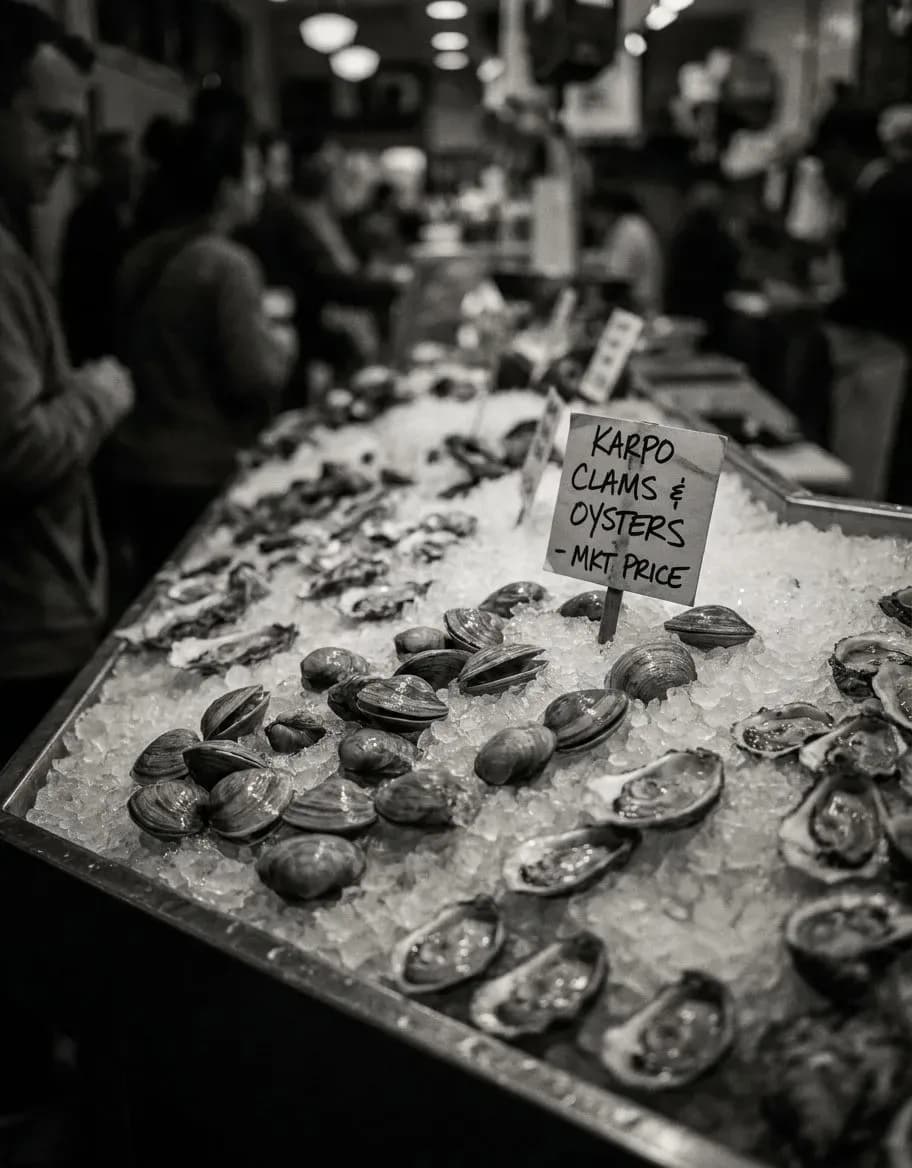
Late-morning summer means local fluke, porgies, and sea bass if the haul was good. Clams and oysters from Long Island Sound sit in mesh bags, briny and cold. The smell inside the shops should be clean—ocean and ice, not funk. Eyes on whole fish should be clear, not cloudy. Flesh should spring back when pressed gently. These are the basics, but the real tell is whether the staff will let you ask questions and whether their answers sound like they gutted the fish themselves an hour ago.
Some of the markets also stock prepared items—crab cakes, clam chowder, cocktail sauce mixed in-house—which make sense if you're heading to a rental or a boat and want to skip some of the prep. The quality varies, but if a place is confident enough to put their name on a prepared seafood salad in summer heat, that's usually a good sign.
The larger ecosystem
City Island isn't just markets. By late morning, the island's rhythm includes bakeries pulling trays from ovens, the smell of dough drifting down the avenue, and a few early tables filling at the outdoor patios of nyc restaurants that cater to the lunch and early-dinner crowd. The seafood markets exist within this ecosystem—locals might stop for fish, then continue on to pick up a loaf or a coffee, making the mid-morning visit part of a longer, slower loop around the island.
The working waterfront culture here isn't nostalgic or staged. It's a living thing, sustained by the people who depend on it and the visitors who respect its cadence. Arriving late morning lets you see it at a moment when it's still unperformed, still functional, still itself.
Why it matters in 2026
City Island remains one of the few places in New York where the waterfront still means boats and bait and people who work on the water, not just luxury condos with sound views. In summer 2026, as development pressures continue citywide, the island's commitment to its maritime identity feels both stubborn and precious. The seafood markets are part of that identity—not quaint relics but active participants in a supply chain that connects the sound to the dinner table.
Coming here mid-morning, when the ice is fresh and the counters are full, is a way of acknowledging that rhythm and voting with your presence for its continuation. It's also a way of eating very, very well.
Practical notes
City Island Avenue, Bronx, NY 10464 area. Subway: 6 to Pelham Bay Park, then Bx29 bus to City Island; travel time varies by traffic and wait time. Parking is available along the avenue and in municipal lots, though summer weekends fill quickly. Hours vary by market and season; verify hours directly before visiting. Shops are typically accessible at street level. Bring cash for smaller vendors, though most accept cards. A cooler with ice packs is wise if you're not heading straight home. Plan to arrive between 10:30 a.m. and noon for peak selection and the most engaged service.
Tags: #CityIsland #SeafoodMarkets #TheBronx #RightOnTime #NYCEats #WaterfrontCulture #MorningRitual #SummerInNYC #LocalMarkets #FreshCatch #BronxGems #CityIslandAvenue #LateMorning #NYCHiddenGems #Summer2026
Please drink responsibly. Must be of legal drinking age.
Sources consulted: City Island, Bronx · NYC Planning - Bronx · City Island Chamber of Commerce · MTA Bus to City Island · NY Times - New York Region
All trademarks are the property of their respective owners.
Ask Karpo for more information.
Keep reading
- Noodle Bar Near Me in Chelsea Market: Very Fresh Noodles' Hand-Torn Bowls
 Noodle Bar Near Me on Forsyth Street: Spicy Village's Big Tray Chicken
 Noodle Bar Near Me in Chinatown: Super Taste's Lanzhou Hand-Pulled Noodles