 Westwood's Shamshiri Grill: Premier Mediterranean Food, Kabobs, and Saffron Rice
Neighborhood Guides
cindy holscher: LA Neighborhoods With Town Hall History and Volunteer
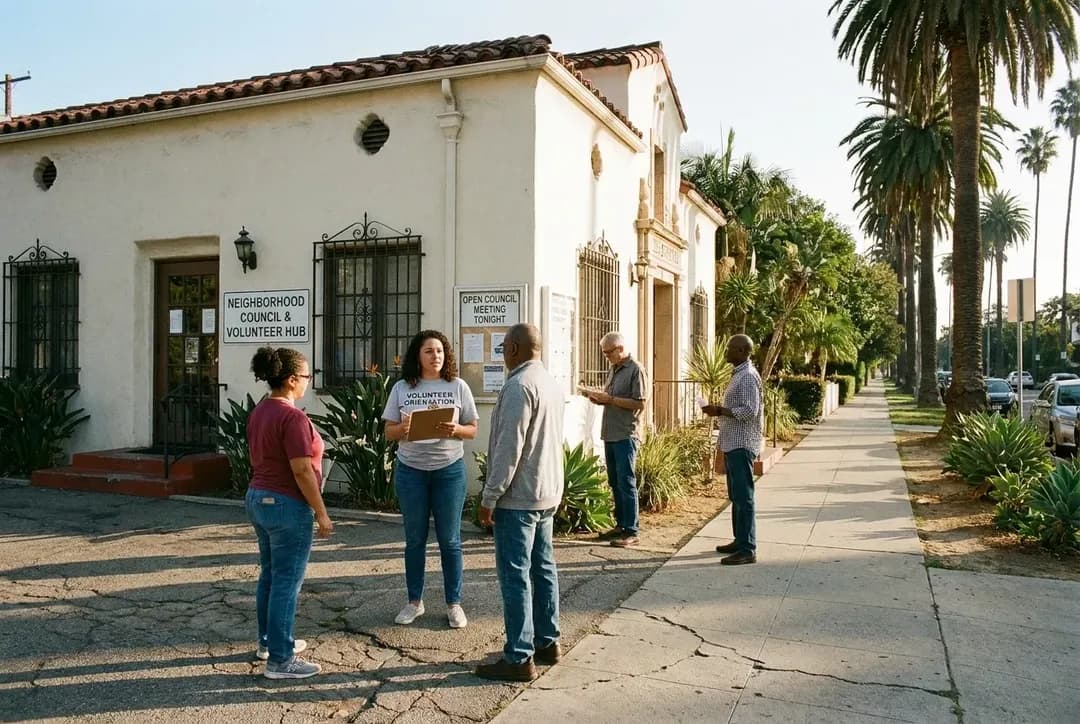
Inspired by cindy holscher's civic leadership example, aspiring local politicians and engaged residents can tour Los Angeles neighborhoods rich in town-hall history, active neighborhood councils, and volunteer coordination hubs. This beginner-friendly Saturday afternoon route helps you understand how local government operates—and where you can plug in.
When you search cindy holscher and local government engagement, you're likely looking for ways to translate inspiration into action within your own community. Los Angeles offers a mosaic of neighborhoods where civic infrastructure remains visible and accessible: historic city-council chambers that tell the story of municipal decision-making, neighborhood councils that meet regularly to debate zoning and park improvements, and volunteer coordination centers where residents sign up for everything from tree-planting to election observation. This two-hour Saturday afternoon tour suits aspiring local politicians or civically minded residents traveling solo or with a friend who shares your appetite for understanding how cities actually work. You won't need prior experience—just curiosity and comfortable walking shoes—but you will need to verify a few details before you go, because council meeting schedules, volunteer orientation availability, and building access rules change frequently.
Text Karpo your Los Angeles starting point, timing, companion, and priorities for a current civic infrastructure tour inspired by cindy holscher, with one realistic backup before you leave.
Deciding Which Civic Landmarks Match Your Interest Level
Not every neighborhood council operates the same way, and not every historic chamber opens its doors on the same schedule. Some councils meet on weekday evenings in school auditoriums; others convene Saturday mornings in community centers with childcare available. If you want to observe a live meeting, the City of Los Angeles website lists agendas and locations under clerk.lacity.gov, but confirm whether the session is open to the public and whether public-comment periods allow walk-ins or require advance sign-up. If you prefer a quieter, self-guided experience, focus on neighborhoods with preserved council chambers or municipal buildings that feature interpretive plaques explaining their role in LA's governmental evolution. The tradeoff: live meetings offer energy and real-time debate, while historic sites offer reflection and photo opportunities without the pressure of parliamentary procedure.
Volunteer coordination centers present a different decision point. Some hubs run drop-in orientations every Saturday; others schedule monthly onboarding sessions that fill weeks in advance. Before you travel, call or email the center to ask whether orientation is required before you can browse current volunteer opportunities, and whether they maintain a public bulletin board listing upcoming civic projects. If the center partners with the city's neighborhood-council system, you may find postings for committee vacancies, public-hearing dates, and training workshops. If it operates independently, expect more focus on direct service—graffiti removal, senior-center meal prep, park cleanups—rather than policy engagement. Both paths matter, but knowing which type of involvement you want helps you allocate your two hours wisely.
Planning Your Route Using Metro and Walkable Clusters
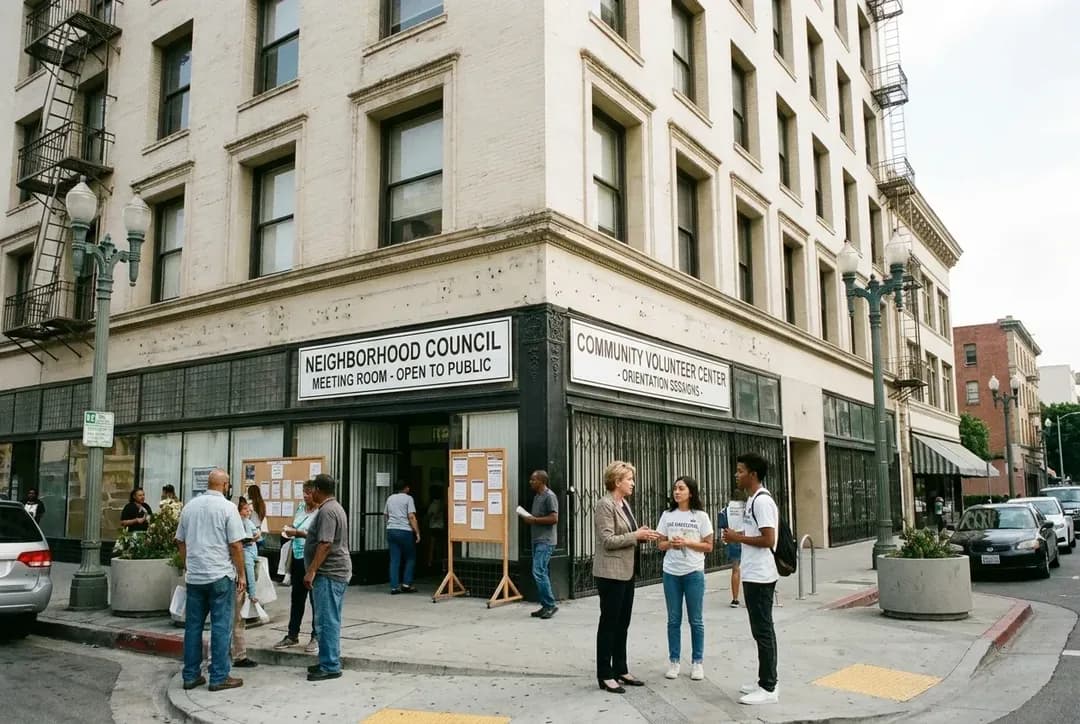
Metro connects Los Angeles County by bus, rail, bike, van, and more, with regular fare at $1.75 and a daily cap that means you never pay more than $5 after three rides. Transfers between buses and trains are free within two hours when you use a TAP, credit, or debit card, so a civic-infrastructure tour can span multiple neighborhoods without mounting costs. Use Metro's Trip Planner at metro.net to map a route that links a historic downtown council chamber, a mid-city neighborhood-council office, and a volunteer hub in a transit-accessible district. Check real-time arrivals before you leave, and review any service alerts for delays or detours. All buses and trains are wheelchair accessible, and operators can assist with boarding ramps if needed.
Clustering stops geographically saves time and reduces the risk of spending your entire afternoon in transit. For example, pairing a downtown civic landmark with a nearby volunteer center in Boyle Heights or Pico Union lets you walk between sites, observe street-level civic engagement—community gardens, murals celebrating local organizing, small storefront offices advertising tenant-rights workshops—and still catch a single rail line home. Alternatively, a San Pedro or Venice route might combine a historic harbor-district council building with a beachside neighborhood-council meeting space, though weekend bus frequencies can be lower in some coastal areas. Always have a backup: if a building is unexpectedly closed or a meeting is canceled, knowing the address of a second council office or a public library branch that hosts civic events—like the Los Angeles Public Library locations listed at lapl.org/events—keeps your afternoon productive.
What to Verify Before You Attend a Council Meeting
Public observation rights vary. City council and committee meetings post agendas online, but neighborhood councils operate under different rules, and some sessions may be hybrid (in-person and Zoom) or entirely virtual. Call the council office or check the city's neighborhood-council directory to confirm the meeting format, start time, and whether the venue has accessible parking or is near a Metro stop. Ask whether public comment is scheduled at the beginning or end of the agenda—if you arrive late, you may miss your chance to speak or observe the most contentious debates. Some councils welcome first-time attendees with a brief orientation; others assume familiarity with Robert's Rules and move quickly through motions.
Dress and behavior expectations are generally casual, but respect matters. Arrive a few minutes early, silence your phone, and sit in designated public seating. If you want to ask questions afterward, approach board members during a break rather than interrupting discussion. Bring a notebook to jot down unfamiliar terms—"conditional-use permit," "environmental-impact report," "motion to table"—and look them up later so future meetings make more sense. If the meeting feels overwhelming, remember that every experienced civic participant started as a confused observer. The goal of this first visit is not to master procedure but to see democracy's machinery in motion and decide whether this style of engagement excites or exhausts you.
How Volunteer Hubs Differ From Advocacy Organizations
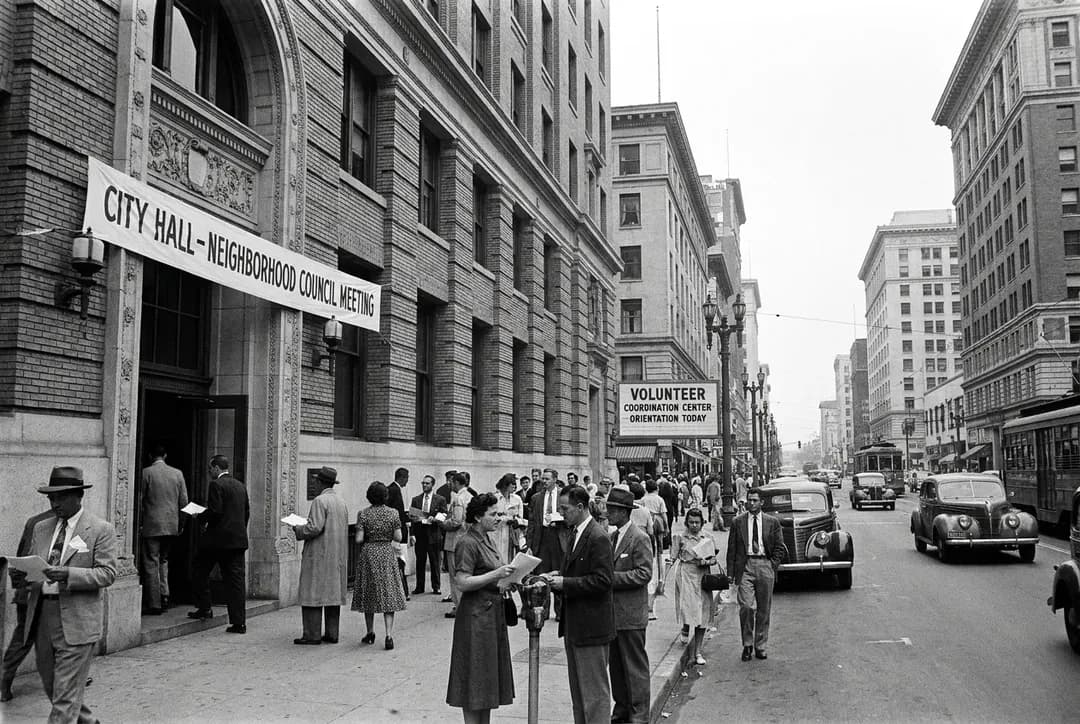
Volunteer coordination centers typically focus on direct service: you sign up, receive a task assignment, complete the work, and log your hours. These hubs often partner with city departments—Recreation and Parks, Sanitation, Transportation—to deploy volunteers for tree planting, trail maintenance, or neighborhood cleanup. Orientation sessions explain safety protocols, liability waivers, and scheduling software, but they rarely dive into policy advocacy or legislative strategy. If your inspiration from cindy holscher centers on hands-on community improvement and you want to see immediate, tangible results, a volunteer hub offers that satisfaction. You'll meet neighbors, learn which parks need the most help, and build relationships that can later open doors to advisory boards or council committees.
Advocacy organizations, by contrast, train volunteers to influence policy: writing letters to council members, testifying at hearings, organizing petition drives, or canvassing for ballot measures. Some operate out of storefront offices in neighborhoods like Koreatown, Boyle Heights, or South LA; others share space in community centers or religious institutions. They may not offer formal Saturday orientations, but many host evening workshops or weekend "civic academies" that teach lobbying skills, media strategy, and coalition building. If you want to shape legislation rather than rake leaves, ask the volunteer hub whether they maintain a referral list of advocacy groups, or search online for issue-specific coalitions—housing, transit, environmental justice—that align with your interests. The tradeoff: direct service delivers quick wins and social connection, while advocacy demands patience, resilience, and comfort with conflict.
Who This Civic Tour Fits—and Who Might Need a Different Approach
This route works best for aspiring local politicians or residents who feel inspired and want to translate that emotion into concrete next steps. You're comfortable spending a Saturday afternoon exploring unfamiliar neighborhoods, asking strangers where the neighborhood-council office is located, and sitting through an hour-long meeting even if the agenda covers topics—parking-overlay zones, historic-preservation ordinances—that don't directly affect your block. You're willing to verify details, tolerate schedule changes, and accept that some buildings will be locked or some volunteer orientations fully booked. If you prefer highly structured experiences with guaranteed outcomes, this self-directed civic tour may frustrate you; consider instead registering for a formal leadership academy offered by a nonprofit or community college, where curriculum, dates, and expectations are fixed in advance.
Solo travelers gain flexibility—you can linger at a historic chamber, skip a meeting that feels redundant, or strike up a conversation with a council staffer without negotiating a companion's preferences. Bringing a civically minded friend adds accountability and richer debrief conversations over coffee afterward, but it also requires compromise on timing and route. Families with children will find this tour challenging unless the kids are teenagers genuinely interested in government; most council meetings lack childcare, and volunteer orientations assume adult participants. If you're inspired by cindy holscher but have young children, look for family-friendly civic events—neighborhood festivals, park cleanups with kid activities, library programs on local history—that introduce democratic participation in shorter, more engaging formats. The core principle remains: civic engagement has many entry points, and this two-hour neighborhood tour is one pathway, not the only one.
Tags: #CivicEngagement #NeighborhoodCouncils #LosAngelesGovernment #VolunteerOpportunities #LocalPolitics #CommunityOrganizing #PublicMeetings #CityHallHistory #AspiringPoliticians #GrassrootsActivism
Sources consulted: Source 1: metro.net · Source 2: discoverlosangeles.com · Source 3: lacity.gov · Source 4: lapl.org
All trademarks are the property of their respective owners.
Ask Karpo first
Ask Karpo to turn this Los Angeles idea into a current plan for your date, budget, companion, transit preference, and energy level. Karpo can narrow the route and flag what to verify before you go.
Ask Karpo for more information.
Keep reading
- Westwood's Shamshiri Grill: Premier Mediterranean Food, Kabobs, and Saffron Rice
 Best Food Places Near Me: Corporation Food Hall in Downtown LA
 Unveiling Thai Town Marketplace: Food Places Near Me in Thai Town