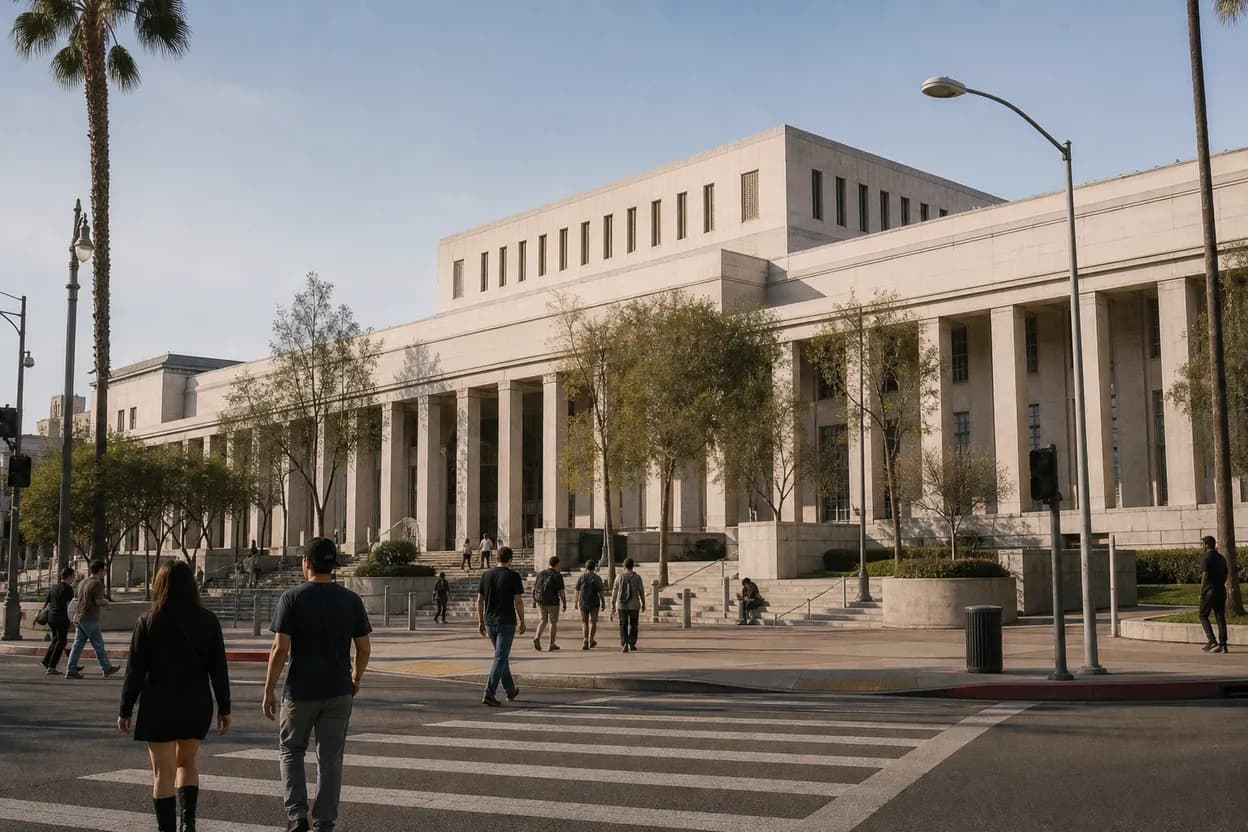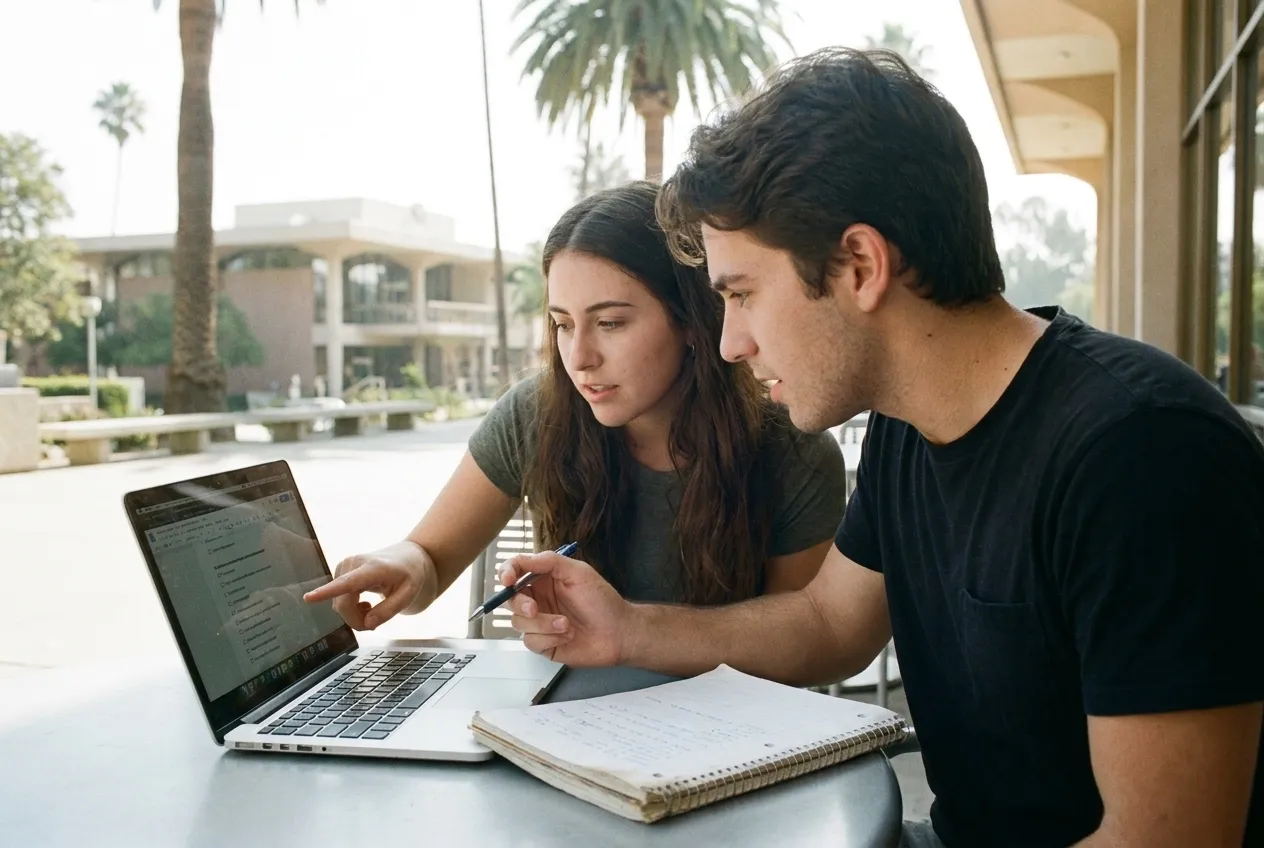
When christopher laneve or any unfamiliar name surfaces in trending searches during evening study sessions, students face a critical decision: is this person a verifiable public figure, a professional with documented credentials, or a private individual whose name happens to match a search term? Los Angeles students working in study groups on intermediate-level assignments need a structured approach to name disambiguation—one that respects privacy, upholds academic integrity, and leverages the robust resources available through LA County's library system and university networks. This checklist addresses the verification tradeoffs students encounter when a name appears in multiple contexts without clear attribution, offering a methodical pathway through reverse-lookup ethics, citation verification standards, and the decision points that separate credible sources from potential misinformation. The goal is not to investigate individuals but to confirm whether a name in your research connects to verifiable public work, published scholarship, or documented professional activity that meets your assignment's evidentiary standards.
Text Karpo your campus, assignment type, group size, and whether you need citation help or fact-checking tools. We'll connect you to the nearest academic library with reference staff and suggest a backup writing center with late hours.

Initial Triage: Public Figure, Professional, or Private Individual
The first checkpoint in any name verification process is determining category. Public figures—elected officials, widely covered artists, athletes with documented careers—leave abundant digital footprints across news archives, official databases, and institutional records. Professionals with verifiable credentials—licensed practitioners, published researchers, registered business owners—appear in industry directories, academic databases, and regulatory listings that students can access through LA Public Library's digital resources or university subscriptions. Private individuals, by contrast, may share a name with someone trending but lack the public documentation necessary for academic citation. The tradeoff here is time versus certainty: a quick search may yield ambiguous results, while a systematic check through multiple authoritative sources clarifies whether the name connects to citable work.
Students should begin with controlled-vocabulary databases rather than open web searches. LA Public Library cardholders can access resources like Academic Search Complete, JSTOR, and specialized directories that index published work by author name. University libraries in the LA area offer additional access to Scopus, Web of Science, and discipline-specific indexes that track scholarly output. If a name appears in these curated environments with consistent institutional affiliations and publication records, you've likely identified a professional whose work is citable. If the name appears only in social media, unverified blog posts, or user-generated content without institutional backing, the person may be a private individual or the search term may be conflating multiple people—neither scenario supports citation without further verification.
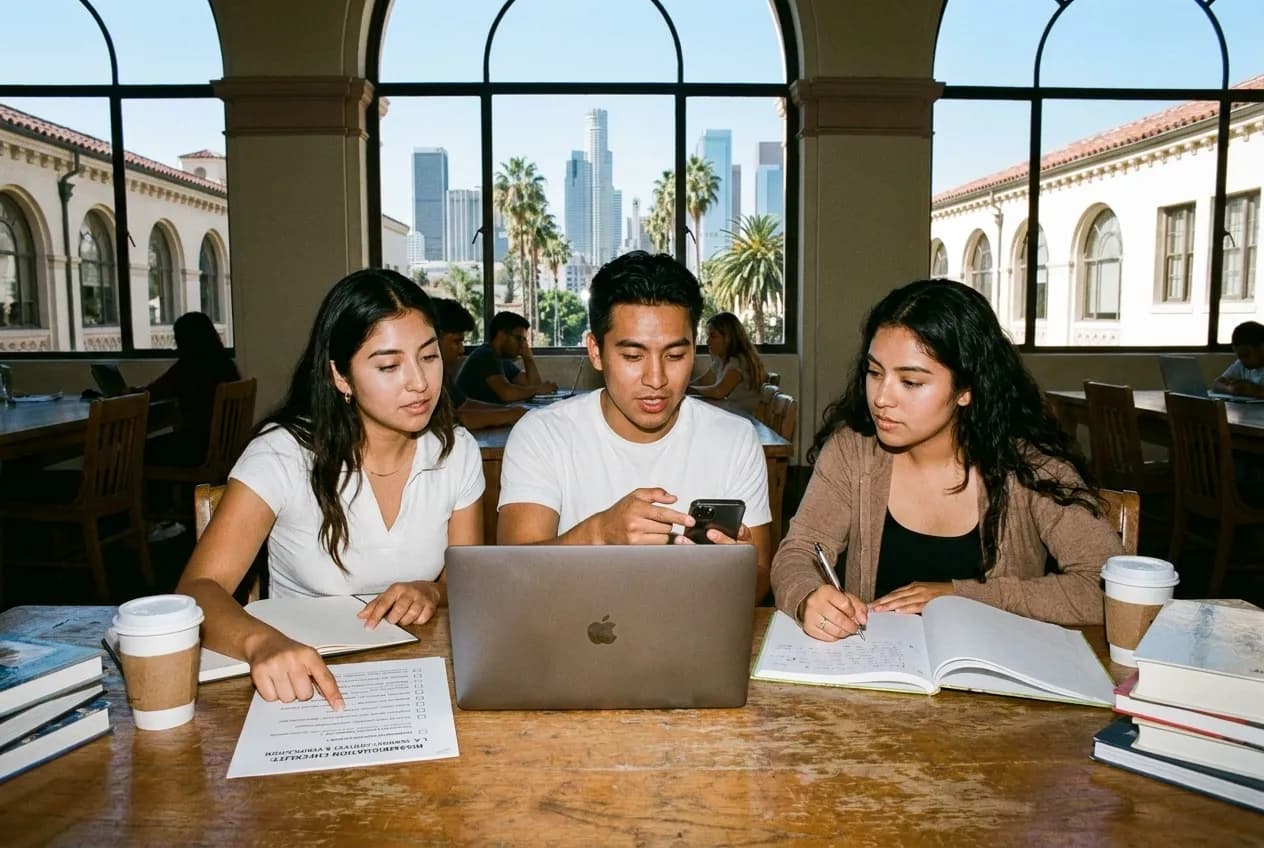
Leveraging LA County Library Systems for Verification
The Los Angeles Public Library system, with branches spanning from Westwood to San Pedro and Central Library downtown, provides free access to reference databases that students often overlook in favor of general search engines. Central Library's subject departments—including the History and Genealogy Department and the Business and Economics Department—maintain subscriptions to specialized directories like Marquis Who's Who, industry registries, and archival newspaper databases that can confirm whether a name corresponds to documented professional activity. Branch locations such as North Hollywood, Chatsworth, and West Valley host regular reference assistance sessions where librarians can demonstrate search strategies for disambiguating common names or tracing professional credentials through official channels.
The tradeoff in using library resources is access logistics versus search precision. While a general web search returns results instantly, it conflates unrelated individuals, surfaces unverified claims, and prioritizes algorithmic relevance over evidentiary quality. Library databases require a valid card (free to LA County residents) and sometimes involve navigating multiple interfaces, but they filter results through editorial and institutional vetting. Students working evening study sessions can access most of these resources remotely via the LAPL website, entering a library card number to authenticate. For names that appear in local contexts—LA-based professionals, regional figures, or individuals connected to county institutions—the library's California Index and Los Angeles Times historical archive offer geographically focused verification that national databases may miss.
Reverse-Lookup Ethics and Privacy Boundaries
Reverse-lookup tools—services that aggregate public records, social media profiles, and contact information—present ethical challenges for students conducting name verification. While these platforms claim to offer comprehensive identity information, they often conflate individuals with similar names, include outdated data, and blur the line between publicly documented professional activity and private personal details. Academic integrity standards require students to distinguish between information that a person has made public through professional channels—published articles, official bios, conference presentations—and information harvested from sources the individual did not intend as professional documentation. The decision point is whether the information you're verifying relates to the person's public work or to their private identity.
Best practice is to limit searches to institutional and editorial sources: university faculty directories, professional association member lists, government agency rosters, and publications with editorial oversight. If a name appears in a peer-reviewed journal, the author affiliation provides a verification pathway—students can check the listed institution's directory to confirm the person's role and credentials. If a name appears only in reverse-lookup aggregators or social media without institutional context, that's a signal the person may not be a public figure relevant to your research, or that you're conflating multiple individuals. LA students have access to research librarians at LAPL branches and university libraries who can advise on ethical search boundaries; many branches offer scheduled consultation sessions, and Central Library provides same-day reference assistance in person and via chat during operating hours.
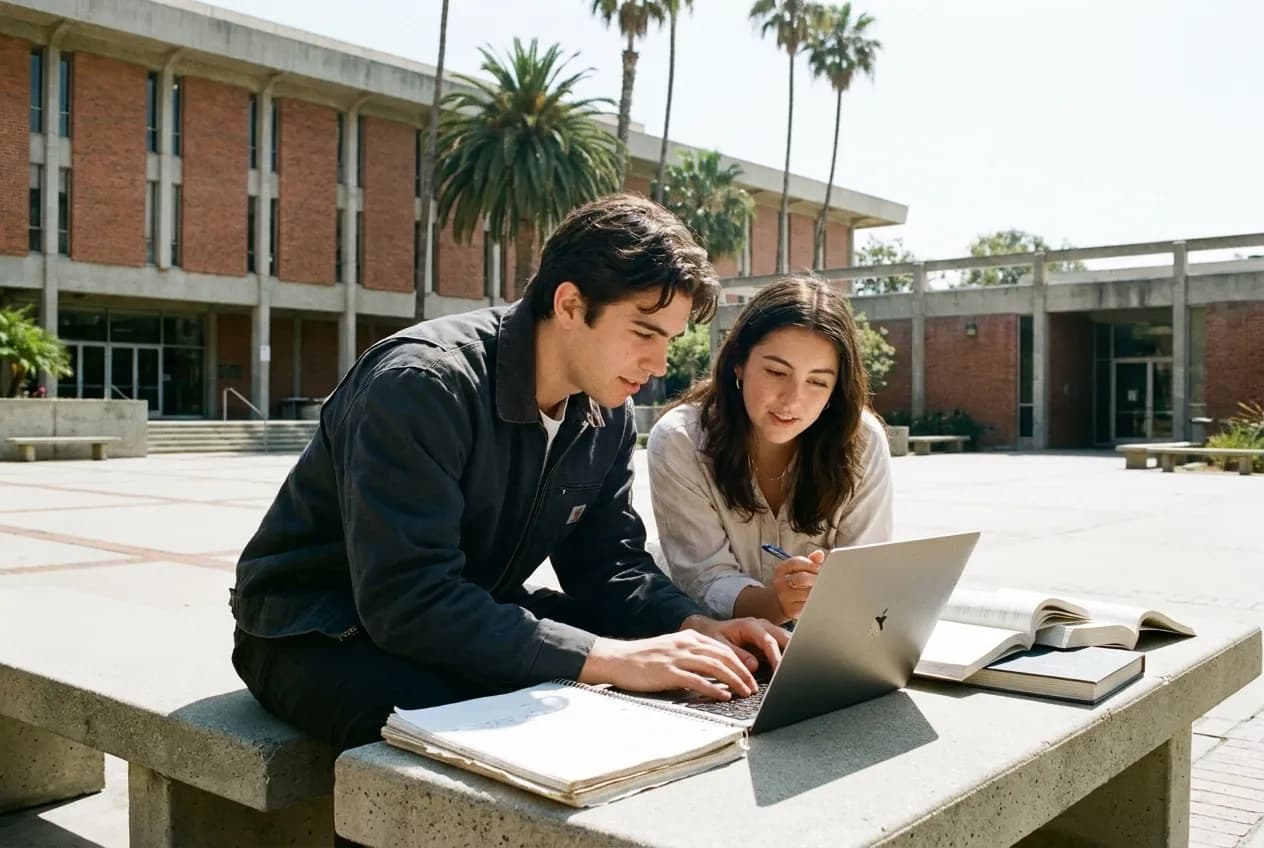
Citation Verification Standards and Source Triangulation
Once you've identified a potential match between a name and a body of work, citation verification requires triangulation across independent sources. A single mention in a blog post or unverified directory is insufficient; academic standards expect corroboration through multiple authoritative channels. For published authors, cross-reference the name against library catalog records (LAPL's catalog indexes books by author with ISBN and publisher information), academic databases (which track citations and institutional affiliations), and the publisher's official website. For professionals in licensed fields—attorneys, medical practitioners, engineers—state regulatory boards maintain searchable directories that confirm credentials and active status. For public figures, news archives with editorial standards (accessible through LAPL's database subscriptions) provide verifiable coverage that distinguishes documented individuals from namesakes.
The tradeoff in triangulation is research time versus citation confidence. A quick single-source check may seem efficient, but it risks citing the wrong person or attributing work to someone who shares a name with the actual author. Systematic verification—checking three independent authoritative sources—takes longer but prevents the embarrassment and academic consequences of misattribution. Students should document their verification process: note which databases you searched, what institutional affiliations you confirmed, and how you distinguished the individual from potential namesakes. This documentation serves two purposes—it provides a trail you can revisit if questions arise, and it demonstrates to instructors that you've applied rigorous source evaluation. For intermediate-level assignments, this level of verification is expected; for advanced work, it's non-negotiable.
Decision Framework: When a Name Remains Ambiguous
Despite systematic verification efforts, some names remain ambiguous—multiple individuals share the name, documentation is sparse, or the available information doesn't clearly connect to the context in which you encountered the name. At this decision point, students must weigh the options: invest additional time in verification, seek assistance from a reference librarian, or acknowledge the ambiguity and adjust your research approach. If the name appeared in a secondary source you're evaluating, the ambiguity itself may be relevant—it could indicate the secondary source lacks rigorous attribution. If the name came from a trending search or informal recommendation, the inability to verify may signal the name isn't connected to citable professional work.
LA students have multiple support pathways when verification stalls. LAPL branches throughout the county offer reference assistance, with many locations providing evening hours that align with study group schedules; the library's event calendar lists consultation sessions and research workshops at branches from Westwood to San Pedro. University libraries at institutions across the LA area provide research support for enrolled students, often including subject specialists who can advise on discipline-specific verification strategies. The key is recognizing when you've reached the limit of independent verification and need expert guidance—this isn't a failure of research skill but an appropriate response to the complexity of information ecosystems. In academic work, it's always preferable to exclude an ambiguous citation than to include one that can't be verified, and instructors value students who demonstrate this judgment by documenting their verification attempts and explaining why a source didn't meet evidentiary standards.
Tags: #studentresearch #nameverification #citationethics #LAlibraries #academicintegrity #sourceevaluation #backtoschool #researchmethods #informationliteracy #verificationchecklist
Sources consulted: Source 1: metro.net · Source 2: discoverlosangeles.com · Source 3: lapl.org · Source 4: lacountyarts.org
All trademarks are the property of their respective owners.
Ask Karpo first
Ask Karpo to turn this Los Angeles idea into a current plan for your date, budget, companion, transit preference, and energy level. Karpo can narrow the route and flag what to verify before you go.