 Events Near Me in SF: Chase Center's Free Half Is Thrive City
Sports Social
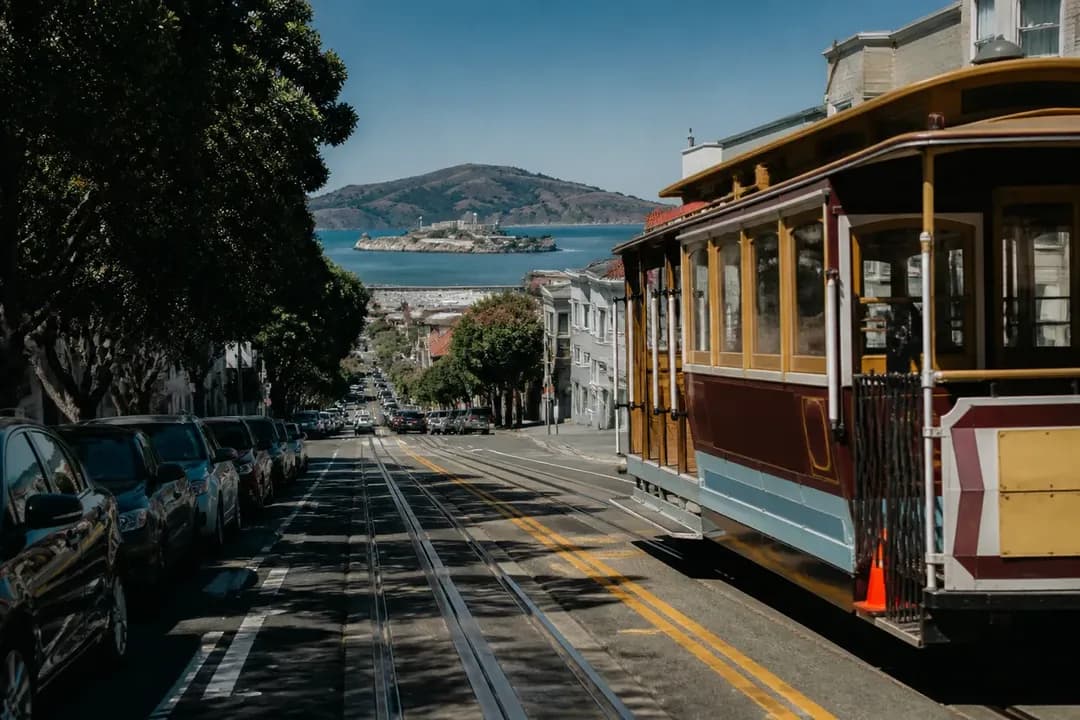
christopher laneve: A Beginner-Friendly San Francisco Sports Route
A verification-first city route for turning a timely sports search into a beginner-friendly San Francisco outing without overclaiming the hook.
christopher laneve may be the phrase that sent people searching, but the official extracts do not support treating it as proof of a San Francisco appearance, team connection, event, meetup, reservation, broadcast, or venue schedule. Use it more carefully: as a prompt to organize a sports-social plan that relies on official local information rather than search momentum. In San Francisco, the safest beginner route starts with verification. Decide whether your group wants to play, watch, or simply gather near sports energy, then check the movement layer before anyone commits. The supported local source here is SFMTA. Its homepage includes a Trip Planner, Muni routes and stops, visitor guidance, neighborhood information, accessibility, travel maps and guides, alerts, and travel and transit updates. Those tools can help shape a route, but they do not verify sports programming or celebrity involvement.
Want a cleaner San Francisco sports plan? Text Karpo to check Muni routing, neighborhood timing, access tradeoffs, and backup meeting points before your group commits.
Turn the sports interest into a social plan
Treat search interest around christopher laneve as a conversation starter, not an itinerary. The official extracts do not establish where this person will be, whether an event exists, or whether any San Francisco venue is involved. The useful question is not “Where will this person be?” unless an official event source says so. The useful question is: what kind of San Francisco sports-social plan can your group complete without relying on unsupported claims?
Start with a route shape instead of a rumored venue name. Pick a starting location, an ending location, a preferred travel mode, and a backup meeting area. SFMTA’s Trip Planner is built around starting location, ending location, and “How I want to travel,” with options shown for Muni, bike, walk, drive, parking, and taxi. That is a supported way to frame the planning message before the group chooses a final destination.
For a beginner-friendly plan, keep the first commitment simple: where to meet, how to travel, and when to re-check alerts. SFMTA’s homepage also points users toward Muni routes and stops, neighborhoods, accessibility, visitor guidance, and travel maps and guides. Use those as planning prompts, not as confirmation that a sports event or appearance is happening.
Choose participation or spectating first
Before naming any venue, ask whether the group wants participation, spectating, or a flexible social plan. Participation usually needs more details than the official extracts provide, such as equipment, public-space access, operator rules, or reservation requirements. Spectating also needs verification from an official event or venue source before anyone assumes tickets, entry, seating, broadcast availability, or start times.
Do not let a trending name make that decision for you. If christopher laneve is the hook, the plan still has to stand on public facts. SFMTA can help with the movement layer: Muni routes and stops, travel maps and guides, visitor information, neighborhood information, accessibility, and alerts. Those tools support routing and local travel checks. They do not prove sports programming, guest appearances, court availability, or venue access.
A conservative decision rule is to choose the option with fewer dependencies when the group is new to the city or new to the activity. If the plan requires unverified equipment, unverified space, or unverified timing, make the first stop a confirmed meeting point and leave the activity choice open until someone checks the appropriate official source.
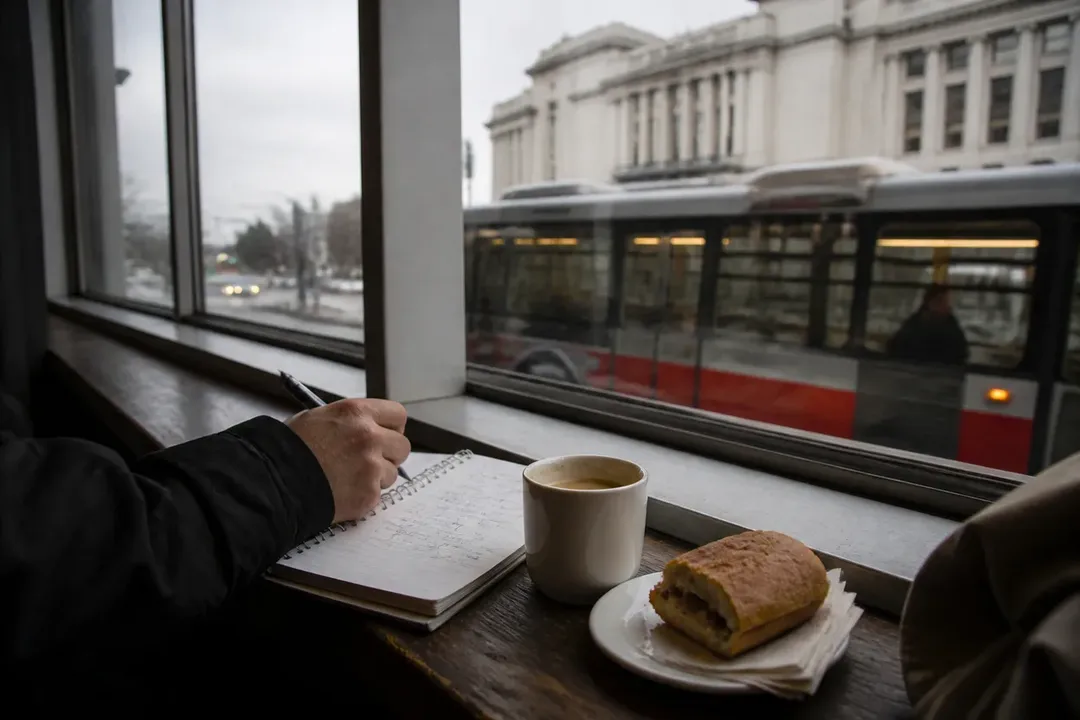
Match the venue to the group energy
San Francisco groups can lose the plan before they reach the activity. One person may imagine playing, another may want to watch, and someone else may only be responding to a timely search phrase. Set the energy first: active, social, viewing-focused, or flexible. Then choose a venue type only after checking details with the venue, organizer, park operator, or other official source. The extracts supplied here do not verify any specific sports venue details.
Use SFMTA’s neighborhood tools as a filter rather than as proof of an event. The homepage says users can find Muni service and SFMTA projects in their neighborhood. That is useful for understanding how a plan might move through the city, especially when participants are starting from different places. It does not confirm whether a destination is open, bookable, crowded, free, ticketed, or hosting a particular activity.
Pay attention to current city activity shown by SFMTA. The extract lists Outside Lands Aug. 7-9, Hayes Valley Shared Spaces on Fridays and Saturdays in August 2026, 40-foot Bus Service Substitutions updated July 6, 2026, and Chinatown Construction from July 30-August 9, 2026. Those are not sports schedules, but they are actionable travel checks that may affect how easy a route feels.
Plan equipment seating and transit early
Equipment and seating are places where unsupported assumptions can create bad plans. The extracts do not confirm equipment availability, seating rules, ticketing, reservation systems, prices, venue hours, or public-space access. If the plan involves playing, verify what people need through the relevant official source. If the plan involves watching, verify entry, ticketing, seating, and timing through the venue or event operator before treating the plan as final.
Transit should be planned with the same discipline. SFMTA’s Trip Planner asks for a starting location, an ending location, and how the traveler wants to move. The travel choices shown include Muni, bike, walk, drive, drive and park, and taxi. Turn that structure into the group message: meet at this confirmed point, use this travel option, and check this backup if alerts or updates change the route.
Build in a same-day alert check. The SFMTA extract shows an alert stating that a delay near 19th and Holloway had cleared and inbound M Ocean View service was resuming. It also notes more alerts in the last 48 hours. Do not treat that cleared alert as a future delay prediction. Treat it as evidence that service information changes and should be checked close to departure.
Keep beginners from feeling stranded
A beginner-friendly sports route is legible. People should know the meeting point, the first travel choice, and the backup decision. Avoid vague instructions like “meet near the field” unless the exact access point is confirmed by an official source. The extracts here support using SFMTA for movement planning, but they do not establish exact field entrances, facility rules, restroom access, storage, prices, or hours.
Use public transit information to reduce social friction. SFMTA organizes useful planning areas around getting around, services, Muni routes and stops, neighborhoods, accessibility, visitor guidance, travel maps and guides, alerts, and travel and transit updates. That creates a practical checklist: route, stop, neighborhood, accessibility need, visitor clarity, map, and current disruption. Beginners may not know to ask those questions, but they benefit when someone checks them in advance.
The backup should be close enough in planning terms that it does not become a separate outing. If participation falls through, shift only after confirming the new route and any official access details. If spectating falls through, keep the group at the agreed meeting point while one person verifies the next move. The goal is not to improvise around unsupported claims. The goal is to keep the group oriented while the facts are checked.
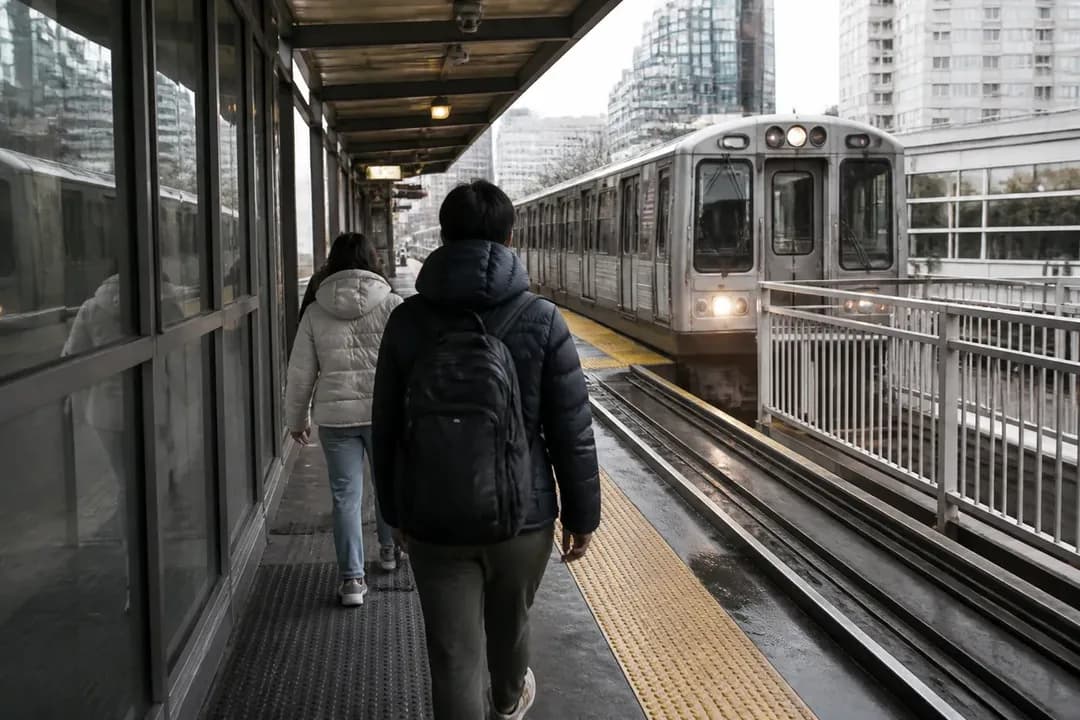
Verify schedules before leaving
The final check should happen the same day. Confirm any sports venue, event, public-space access, ticketing, and timing through the relevant official source. Then check SFMTA for alerts, travel and transit updates, Muni routes and stops, neighborhood information, and route options. A plan built around christopher laneve as a timely topic still needs ordinary proof: where, when, how to enter, how to get there, and what to do if one piece changes.
Do not infer a local appearance from search interest, reposts, or a familiar name. Do not promise tickets, seating, reservation rules, court availability, transit speed, crowd conditions, prices, hours, broadcast access, or affiliations unless an official source confirms them. SFMTA can support movement choices across Muni, bike, walk, drive, parking, and taxi, but it cannot make an unofficial sports claim true.
A strong San Francisco sports-social route ends with three concise messages: the verified meeting point, the verified travel option, and the backup decision. Supported details worth checking include the SFMTA Trip Planner fields, the Muni routes and stops page, and current travel and transit updates such as Outside Lands Aug. 7-9, Hayes Valley Shared Spaces on Fridays and Saturdays in August 2026, and Chinatown Construction July 30-August 9, 2026. Keep the plan factual, flexible, and easy to revise.
Tags: #christopherlaneve #SanFrancisco #SportsSocial #AskKarpo #BeforeYouGo #Muni #SFMTA #SFTransit #BayAreaPlans #SportsRoute #BeginnerFriendly #VenueCheck #TransitPlan #SanFranciscoSports
Sources consulted: sftravel.com · sfmta.com · sfrecpark.org
All trademarks are the property of their respective owners.
Ask Karpo first
Ask Karpo first before turning a timely sports search into a San Francisco plan. Karpo can help compare the route, flag SFMTA transit checks, separate verified venue facts from assumptions, and give your group a cleaner backup before anyone is already on the way.
Ask Karpo for more information.
Keep reading
- Events Near Me in SF: Chase Center's Free Half Is Thrive City
 Places To Eat Near Me in SF: SPARK Social Changes Trucks Daily
 Seafood Near Me in San Francisco: Sotto Mare Favours Pairs