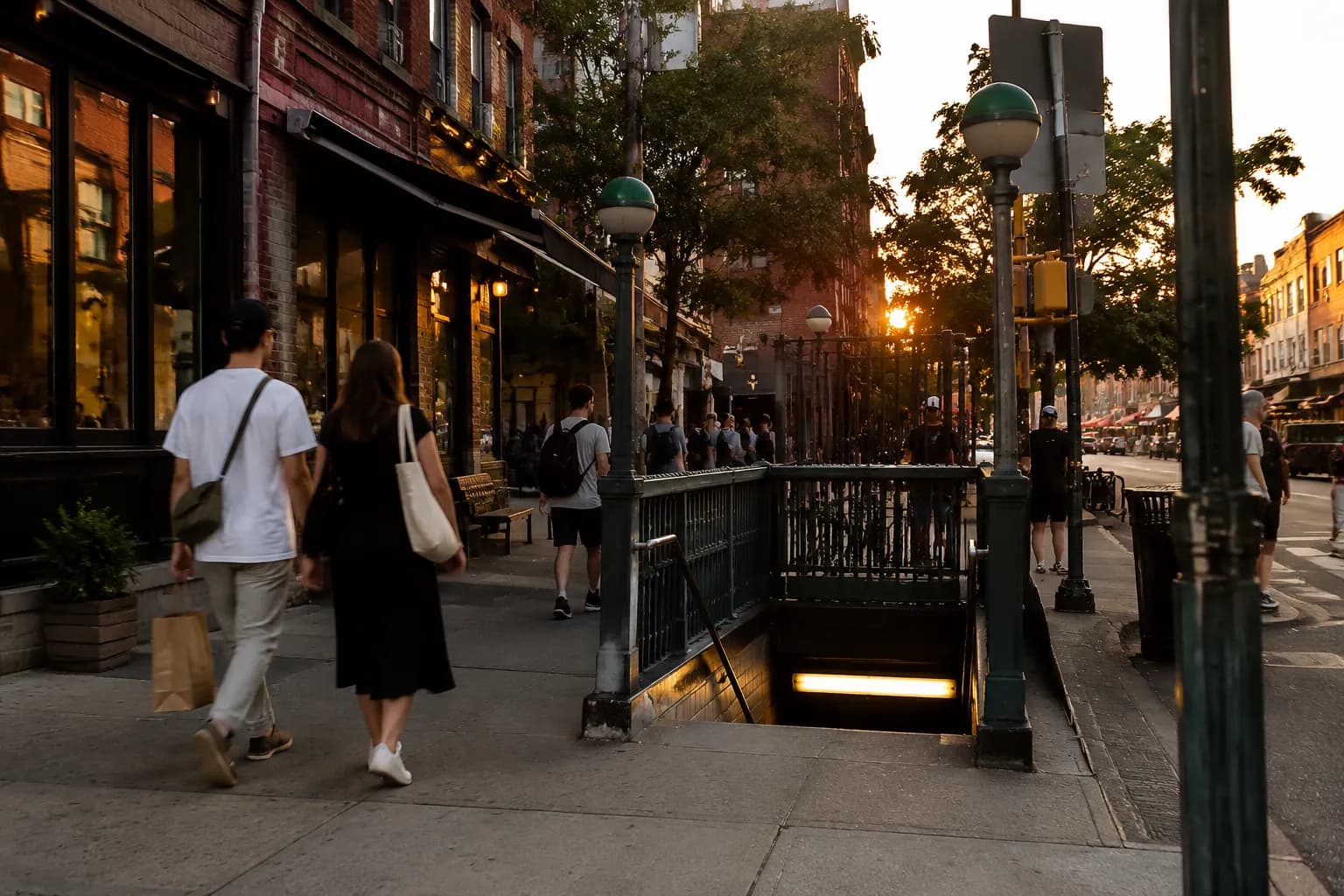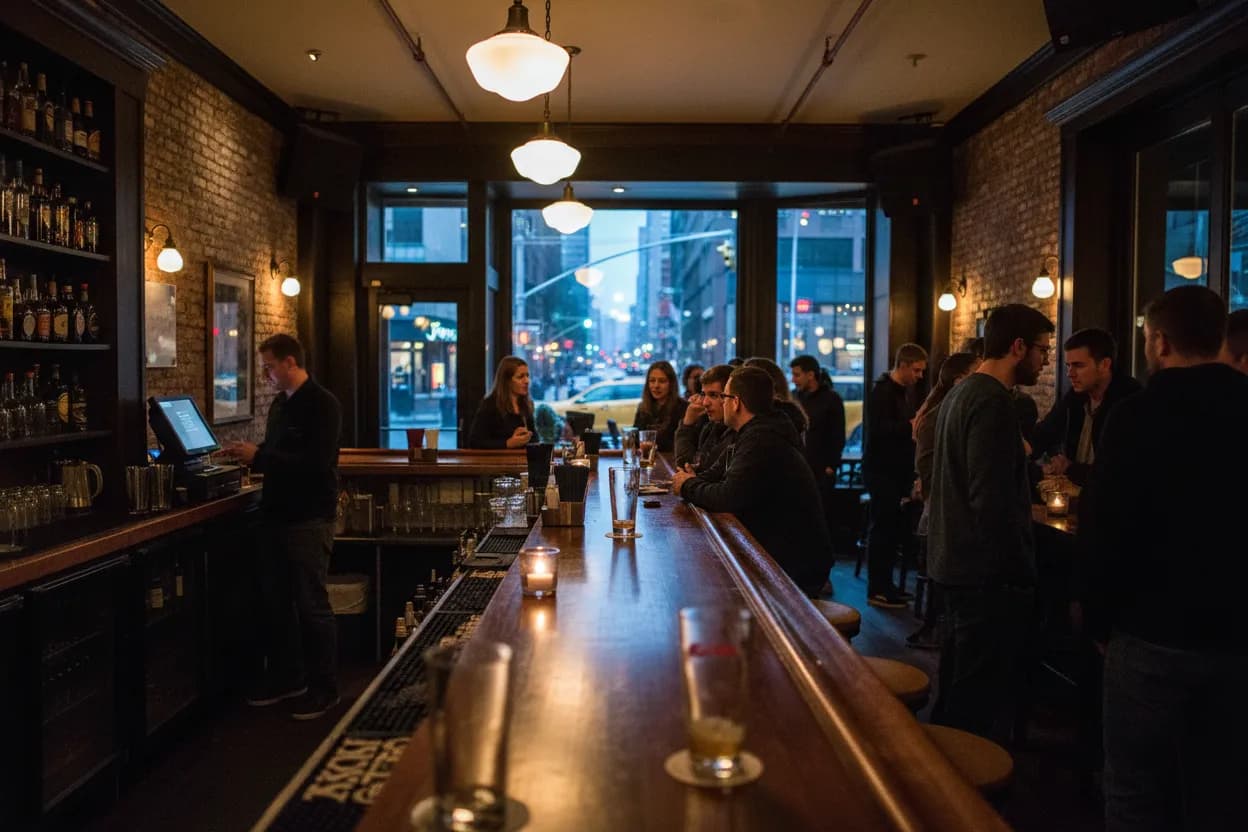
chris hansen: Where NYC Can Talk Without Shouting is not a promise that anyone famous is appearing in town, and it is not a wink at a private event. Treat chris hansen as the topic that got your group texting, then build the night around what can actually be checked. NYC nightlife is broad enough to handle a low-drama plan: a first room where people can hear each other, a second stop close enough to walk, food that does not depend on luck, and a transit check before the first round becomes the last. The city’s official tourism site points visitors toward nightlife, restaurants, walking tours, borough guides, budget activities, and all five boroughs, which is the useful frame here: choose public places, verify details, and keep the hype out of the itinerary.
Want a calmer NYC bar night built around real-time checks instead of rumors? Text Karpo before you leave, and ask for a two-stop plan with access notes, food timing, and a backup.

Use the topic as the night’s conversation starter
A search spike can be a good excuse to gather friends, but it should not become the source of the plan. If chris hansen is what everyone is talking about, use it as a table topic, not as a claim that a venue, taping, host, guest, or appearance is connected to your night. NYC has enough real options without pretending a public bar plan includes private access or inside information.
Start the group chat with a simple rule: no one leaves home until the destination is verified on the venue’s official page or direct public channel. That means checking whether the room is open, whether it has a listed program, whether reservations or tickets are mentioned, and whether any age, entry, or accessibility notes appear. If the official information is thin, that is not a reason to assume the best; it is a reason to pick a more transparent room.
This approach also keeps the mood right. A conversation-first night works best when the topic is shared but the logistics are boring. Let the headline get people out the door, then let the plan be about distance, sound, food, transit, and a credible exit.
Choose sound level before cocktails
The first decision is not neighborhood or drink style. It is sound. A bar that looks perfect online can turn into a shouting match if the room is built around a DJ, a packed sports screen, a performance, or a late-night crowd. Before committing, scan the official venue listing for programming language and check the venue’s current public posts if it uses them for same-day updates. If there is a show, party, special event, or private-booking note, assume the room may not be conversation-friendly unless the venue says otherwise.
NYC Tourism’s own citywide framing is useful here because it separates nightlife from other things to do while also pointing visitors toward restaurants, arts, events, walking tours, and budget activities. That is a reminder that a good night does not need to be only a bar crawl. If the point is to talk, a restaurant bar, hotel lounge, café-bar, museum-adjacent stop, or early-evening cocktail room may fit better than a peak-hour dance floor.
Make the sound plan explicit in the invite. Say, “First stop is for talking; second stop can be livelier.” That one sentence prevents the group from over-optimizing for novelty and under-planning for comfort. It also makes it easier to change course if the first room is louder than expected.
Build a walkable two-stop route
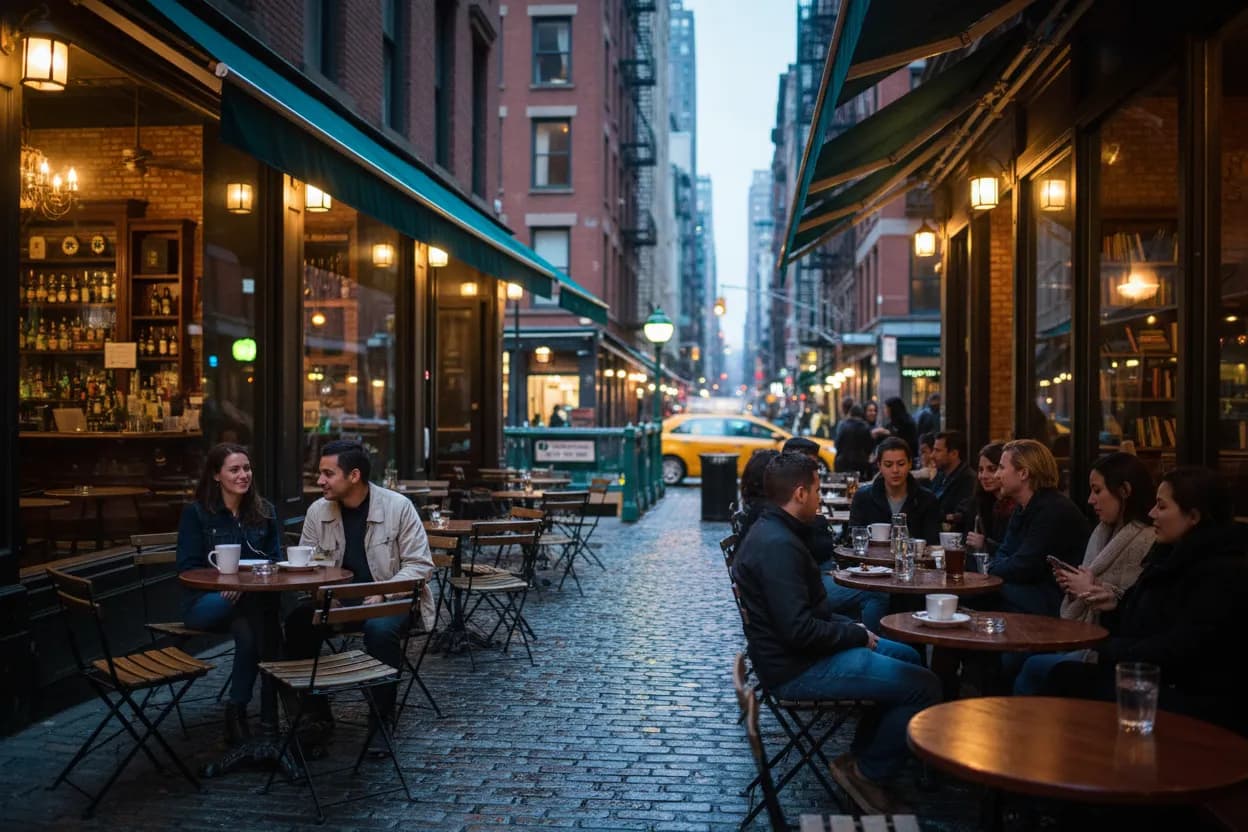
A two-stop route is enough for most NYC nights out because the city punishes overconfidence. The best version is simple: start at the quieter confirmed place, then move to a second public option within an easy walk. Do not build a plan that depends on crossing boroughs after everyone has ordered. NYC has five boroughs, and each can support a night out, but the smarter move is choosing one small area and reducing transfers, ride decisions, and late changes.
For a city-scope plan, pick the borough first, then the walking radius. Manhattan is dense and recognizable, Brooklyn has a strong nightlife reputation, Queens is known for broad global dining options, the Bronx has deep cultural history, and Staten Island is connected to the rest of the city by ferry. Those are broad official tourism frames, not guarantees about any single block. Use them to choose the shape of the evening, then verify the exact venues yourself.
Keep the first stop close to food and the second stop close to a straightforward way home. If the route looks clever only on a map, it is probably not clever at midnight. The walk between stops should feel comfortable for the least mobile person in the group, and the backup should be closer than your original second choice.
Keep food and late transit in the plan
Food is not optional if you want the night to stay social. As of Monday, August 10, 2026, NYC Restaurant Week Summer 2026 is listed by NYC Tourism for July 20 through August 16, with two-course lunches and three-course dinners across all five boroughs starting at just $30. That can be a useful anchor, but only if you verify the participating restaurant, date, menu, and booking details on the official page before treating it as part of the plan.
A practical sequence is dinner or a substantial snack first, quiet drinks second, and a livelier backup only if the group still wants it. This prevents the classic NYC mistake of chasing a bar opening, finding a line, and then trying to solve hunger when everyone is already impatient. If Restaurant Week fits, check the current official listing; if it does not, choose another public food stop that posts its own hours and access information.
For transit, do not rely on memory. Service, station access, and late-night timing can change, and the official MTA page should be checked before leaving and again before the final stop. Build the return trip while everyone is still sober enough to make decisions. If the fastest way home depends on one fragile connection, your route is not finished.
Know when to switch to the backup room
The backup is not a failure; it is the part of the plan that keeps the night from becoming a committee meeting on the sidewalk. Decide the switch triggers in advance. If there is a long line, unclear entry, a cover or ticket condition you did not verify, a private event notice, inaccessible layout for someone in the group, or a room too loud for conversation, move on without negotiating.
Crowd risk is highest when the plan depends on a single trendy room, a single arrival time, or a single rumor. Because this article uses chris hansen only as a timely search hook, there is no reason to chase any location as if it has special access. Public information is the boundary. If a claim is not on an official page or direct venue channel, treat it as noise.
The best backup room is slightly less exciting and much more useful. It should be nearby, open to the public according to its own current information, and compatible with the group’s needs. If the first room is crowded, the backup should not be the same kind of crowded room two avenues away. Change the conditions, not just the address.

Verify the night’s program before leaving
Your final check should take five minutes and save an hour. Confirm the venue’s official hours, any posted event, reservation or ticket language, age or entry notes, accessibility information, food availability if relevant, and the route home. If any piece is missing or vague, contact the venue through its public channel or choose a place that publishes clearer information.
Use NYC’s official tourism resources for the broad categories: nightlife, restaurants, events, budget activities, borough guides, walking tours, and citywide highlights. Use venue pages for the details that decide whether the night works. Those two layers should not be confused. A city guide can help you choose an area; it cannot guarantee tonight’s door policy, crowd size, table availability, or sound level.
Then send the group one concise message: first stop, arrival window, food plan, transit check reminder, backup room, and reason to switch. That is the difference between a night that feels spontaneous and a night that actually functions. The goal is not to control NYC. It is to leave enough uncertainty outside the plan that your table can relax inside it.
Tags: #AskKarpo #BeforeYouGo #NYCNightlife #NYCBars #QuietBars #NYCDrinks #ManhattanNights #BrooklynNightlife #QueensEats #NYCRestaurantWeek #NightOutPlan #TransitCheck #WalkableNYC #bars_nights_out
Sources consulted: nyctourism.com · new.mta.info · nycgovparks.org
All trademarks are the property of their respective owners.
Ask Karpo first
Ask Karpo first if your night depends on a rumor, a tight transfer, or a room you have not checked. Send the borough, group size, preferred sound level, food needs, and latest acceptable train time, and Karpo can help turn the idea into a verified NYC plan.