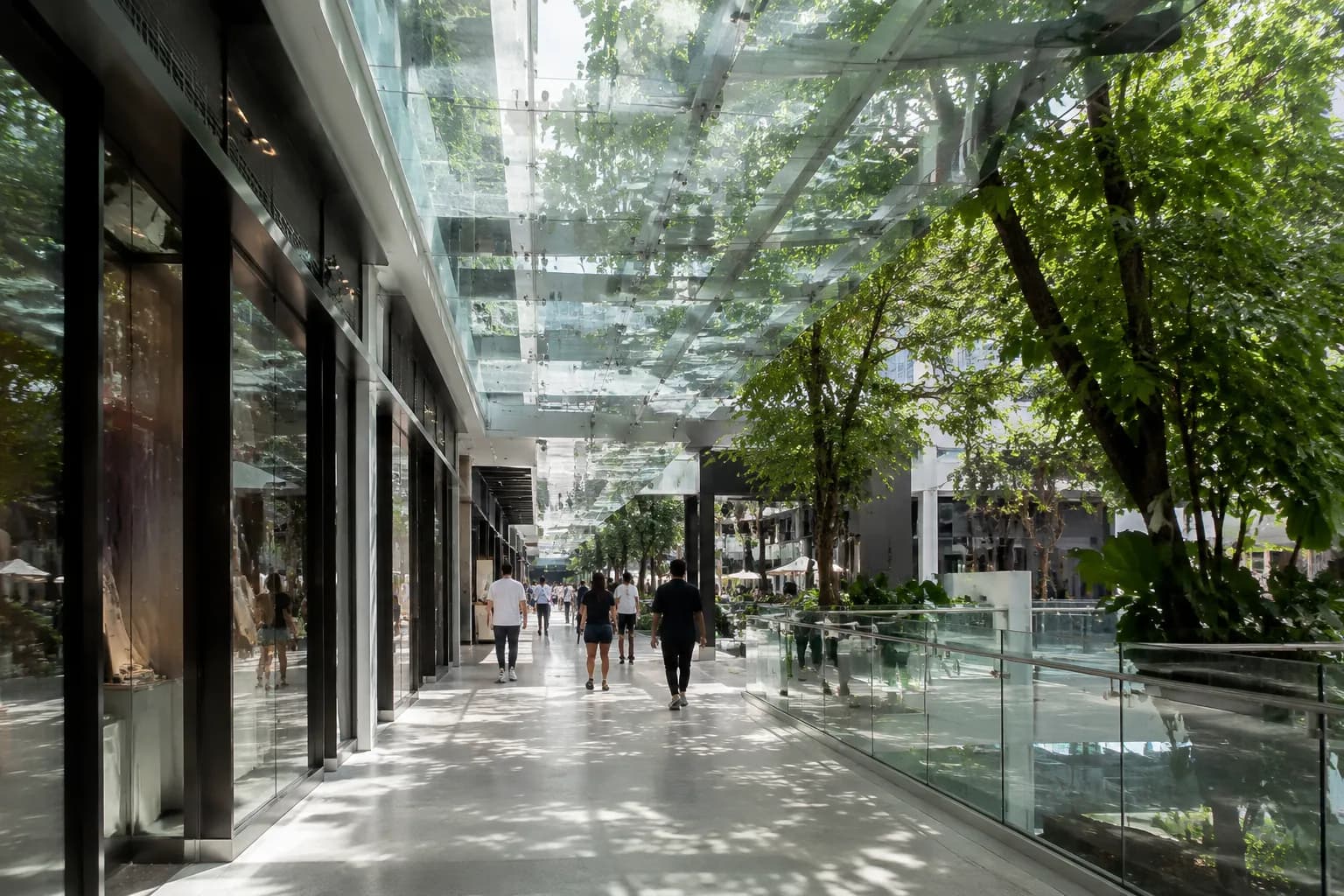
A weekday morning search for chris hansen can become more useful when it stops being celebrity chasing and turns into a method for reading Miami through media infrastructure. Treat the name as a search hook: a way to test how local TV references, public notices, library events, government video, and older journalism might surface across official channels. The route below does not assume the person, a case, or a broadcast is tied to Miami unless a record says so. It is built for an inquisitive true-crime media reader and a podcast friend who likes following paper trails, comparing index language, and noticing what institutions choose to preserve. The moderate difficulty comes from verification, not distance: deciding where to search first, what access rules to confirm, and where copyright limits should stop a casual screenshot habit.
Feed Karpo your Miami archive interest, date window, library-card status, and transit start to organize a Chris Hansen media-search trail with verification stops.

Start With The Public Shelf, Not The Myth
For this search trail, choose public library and county-facing archive paths before university special collections. That does not mean university collections are unimportant; it means they usually make more sense after you have a clean target list, such as a publication title, date range, station name, court term, or public meeting reference. Miami-Dade Public Library System has an official events surface with account login, library-card entry points, and an open-now function, which makes it a practical first stop for a reader who is still framing the question. Start by checking library discovery tools, events pages, and staff guidance rather than assuming a restricted research room is the fastest path.
The right mindset is less “find the famous name” and more “map the local media ecosystem around the keyword.” Search chris hansen alongside neutral terms like broadcast, archive, television, public notice, interview, fraud, investigation, and Miami-Dade, then separate exact matches from contextual noise. If a result points toward a library program, newspaper index, county record, or media transcript, capture only citation details first. Avoid treating search snippets as proof. Before visiting, calling, or requesting help, write down what you need to verify: whether materials are online, whether access needs a card or appointment, whether staff can retrieve archived items, and whether reproduction is limited.

Use County Media Clues As Wayfinding
Miami-Dade County’s official web structure gives this route several sober wayfinding points: News & Social Media, Miami-Dade TV, press releases, public notices, public records and open data, public records search, meetings and events, and a government meetings calendar. Those labels matter because they distinguish published communications from searchable records and scheduled civic activity. A true-crime media reader should use them as categories, not conclusions. If the keyword appears in a web search near a county term, verify whether the item is actually on an official county page, whether it is a current page or an archived copy, and whether the name is central or incidental.
This is where the podcast-friend version of the route becomes useful. One person can search broad web results while the other builds a clean ledger: exact phrase, source type, institution, date shown, page title, and what remains unconfirmed. Miami-Dade’s site also allows users to create a profile for subscriptions to news, public notices, recycling reminders, grant opportunities, emergency alerts, transit rider alerts, and more, but that subscription feature should be treated as a forward-looking alert channel, not an archive guarantee. The hidden gem is the categorization itself: county communications can reveal how civic information is filed, repeated, televised, or routed into records.
Ride The Downtown Media Loop Carefully
If you want a public-space route around research stops, Downtown Miami’s Metromover is the cleanest backbone named in the official extracts. Miami-Dade describes it as a free elevated people mover operating in the downtown Miami, Omni, and Brickell areas, with major destinations including Kaseya Center, Bayside Marketplace, Miami Dade College, and the Miami-Dade County School Board. It serves 21 stations, with loops covering Omni, Inner, and Brickell. That does not make it an archive tour by itself, but it gives a useful mental map for moving between civic, education, media-adjacent, and public gathering zones without building the day around parking.
Keep the weekday morning plan flexible because transit pages can change faster than article drafts. The official Metromover page notes a modified Inner Loop condition and says riders should check the train’s loop designation inside the car; it also points users to elevator and escalator status, service alerts, and trip-planning tools. Use those checks before committing to any timed research visit. If mobility access matters, verify station conditions directly through the county’s transit resources. The route works best as a loose archive walk: one research anchor, one county-media check, one library stop or online lookup, and one open public place to compare notes.
Copyright Is The Real Gatekeeper
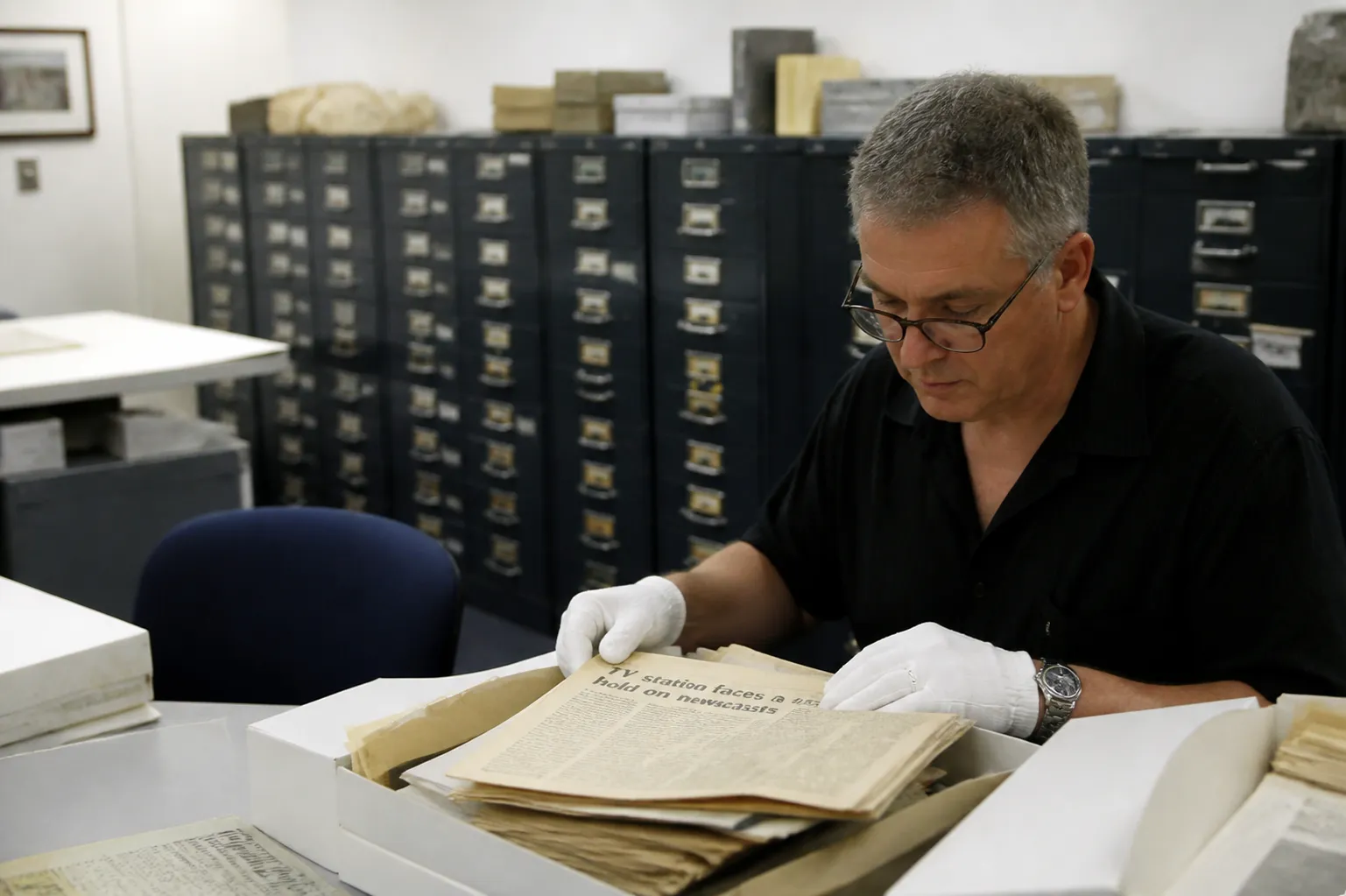
The most common mistake in an archive route is assuming access equals permission. A library card, reading-room seat, database login, or staff retrieval may let you view a clipping, video record, index, or scan, but it may not let you republish it, post full images, quote heavily, or use it in a podcast episode. For a chris hansen search, that distinction is especially important because the keyword may lead toward network television, local news, syndicated material, wire copy, or rights-managed photography. Treat every promising result as having two statuses: research access and reuse permission. They are separate until the institution says otherwise.
Before requesting copies, ask for the citation format, reproduction rules, personal-use limits, publication permissions, and whether copyright belongs to the library, a newspaper, a broadcaster, a government office, or another rights holder. For government pages, do not assume everything nearby is public domain; linked sites can sit outside county control, and Miami-Dade’s own pages warn that leaving the official site changes privacy, security, and responsibility conditions. For library or university materials, appointment rules and camera policies may vary by collection. The practical move is simple: take notes first, request permission second, publish last.
When University Collections Make Sense
University collections become the stronger choice after the first pass produces a focused research question. If the trail points to local journalism history, television studies, Florida media culture, or donated papers, a university archive may hold deeper context than a general public library search. But that depth often comes with stricter discovery language, appointment workflows, reading-room rules, and reproduction forms. Do not start there with only a trending keyword and a hunch. Start there when you can say, “I am looking for this outlet, this period, this program type, or this named collection,” and when you have already checked public library and county channels for simpler leads.
The decision tradeoff is about speed versus specificity. Public library and county surfaces are better for a moderate weekday-morning route because they support broad discovery, public events, civic media, and open record categories. University collections are better for a second session when the search has narrowed and you are ready to comply with collection-level rules. If two searches across official collection pages and catalog entries do not confirm a relevant holding, mark the lead for manual verification rather than forcing it into the story. The hidden find is not a dramatic reveal; it is the habit of keeping rumor, index hit, archival item, and publishable proof in separate boxes.
Tags: #Miami #HiddenGemsOddFinds #archiveroute #truecrimemedia #localjournalism #publicrecords #libraryresearch
Sources consulted: Source 1: miamidade.gov · Source 2: miamidade.gov · Source 3: mdpls.org · Source 4: miamibeachfl.gov
All trademarks are the property of their respective owners.
Ask Karpo first
Ask Karpo to turn this Miami idea into a current plan for your date, budget, companion, transit preference, and energy level. Karpo can narrow the route and flag what to verify before you go.