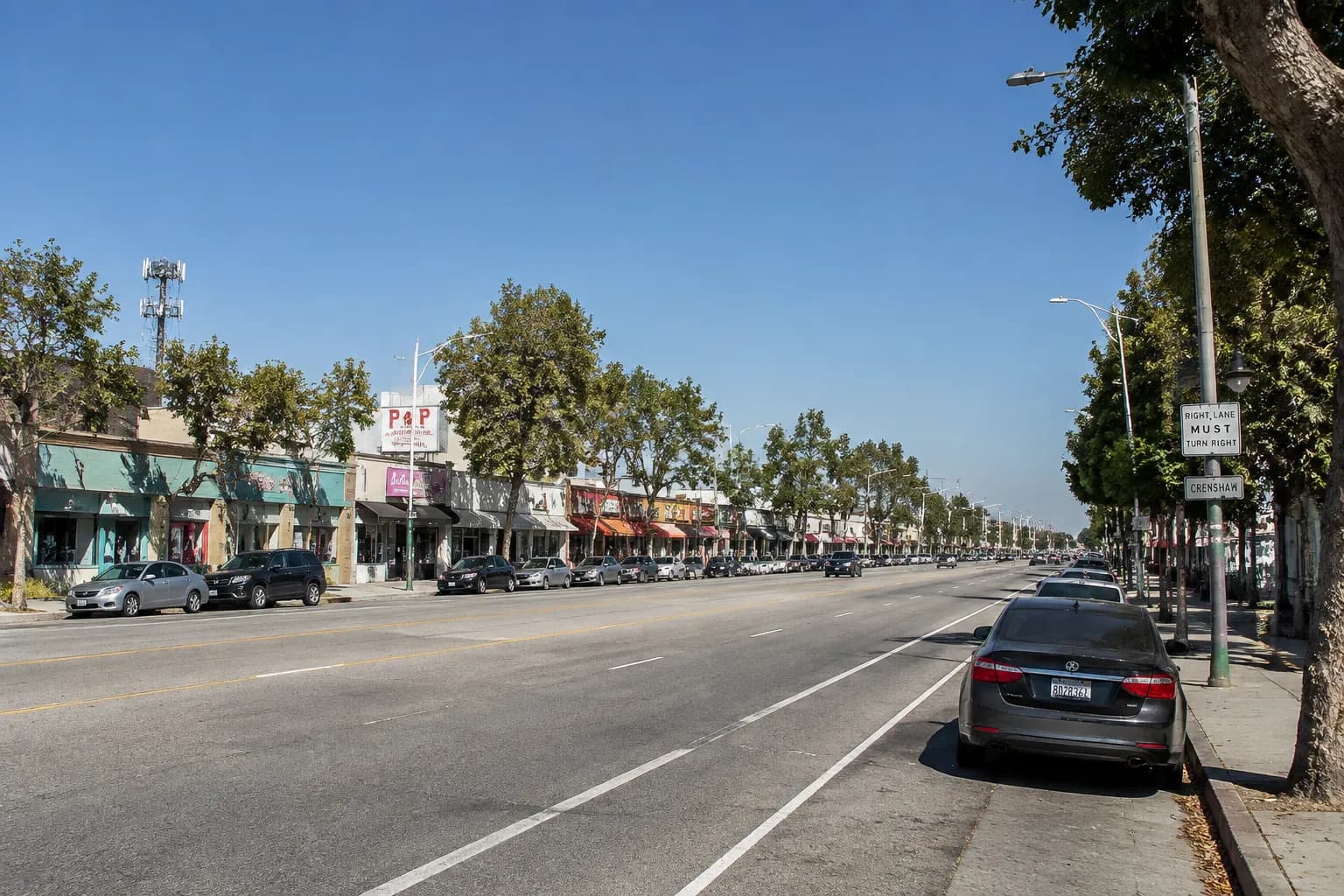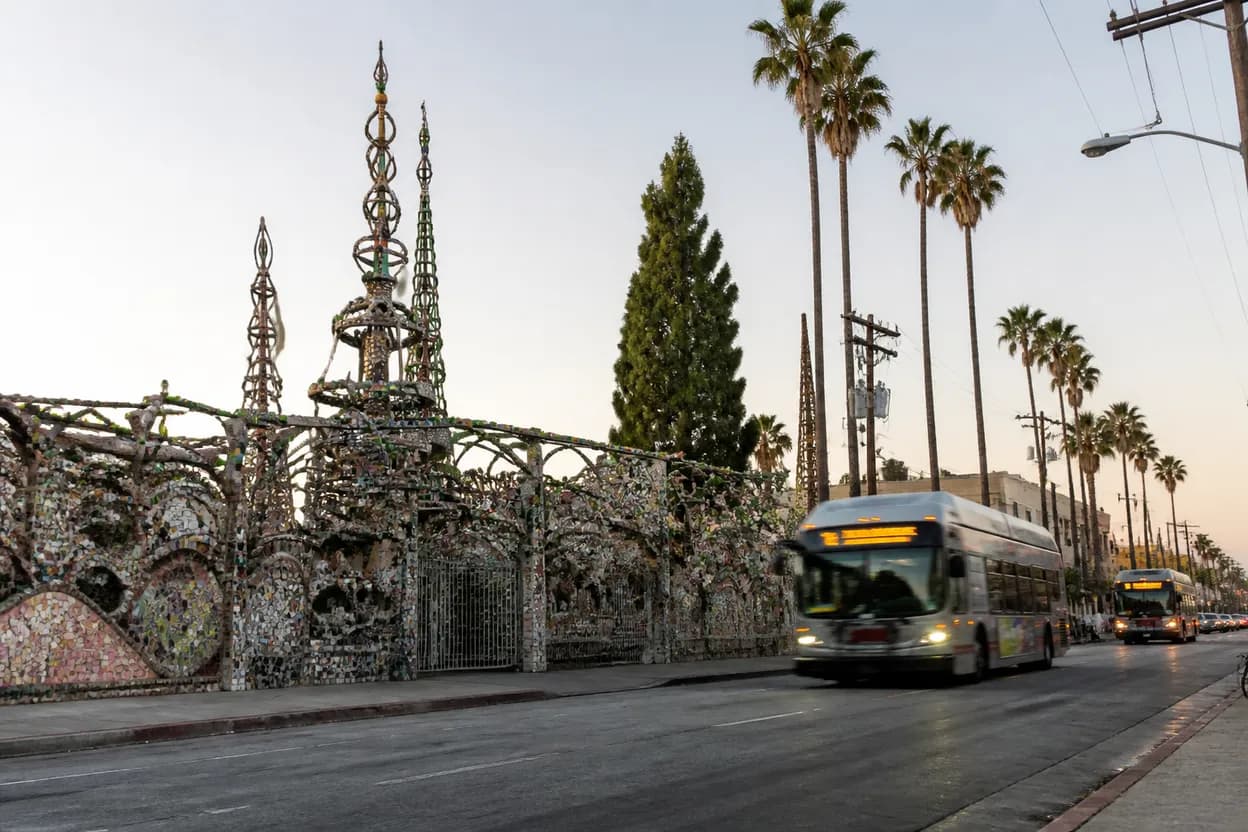
Los Angeles is good at turning a name into a rumor, and chris hansen is the kind of search phrase that can make people look for a scene before they know what is actually public. Treat that curiosity as a starting signal, not proof of an appearance, event, endorsement, or inside access. A better move is to use the moment to build a verified city detour: pick one culturally dense area, confirm public entry details before leaving, check transit alerts in real time, and keep a second option nearby. For hidden_gems_odd_finds, the goal is not to chase a celebrity breadcrumb. It is to find the stranger texture of LA: museum corridors, film-location memory, vintage routes, murals, neighborhood identity, and the civic layers that do not fit a postcard.
Want a cleaner plan before you cross town? Text Karpo with your starting point, mobility needs, time window, and appetite for museums, murals, film locations, or vintage LA.

Use the headline to open a more curious detour
The locked headline, “chris hansen: Hidden Los Angeles Culture Worth a Detour,” should be read as a search hook, not a claim. Nothing in this plan says he is appearing in Los Angeles, connected to a venue, granting access, or endorsing a stop. That distinction matters in a city where entertainment culture can make weak signals feel official. If a public listing does not confirm a detail, do not build your day around it.
Start with what Los Angeles Tourism actually frames as reliable terrain: arts and culture, points of interest, film locations, vintage LA, multicultural neighborhoods, museums, and public event listings. Discover Los Angeles describes the city as home to renowned museums, unique hotels, diverse experiences, and 75 miles of coastline, with neighborhoods central to how LA is discovered. For this angle, keep the coastline for another day and focus on the urban culture spine.
A workable first move is Mid-Wilshire and Museum Row. Discover Los Angeles highlights Museum Row and arts-and-culture itineraries, while Metro says new D Line Extension stations at La Brea, Fairfax, and La Cienega connect Mid-Wilshire’s cultural energy with Koreatown and Downtown LA. That gives you a public, transit-readable framework instead of a rumor-driven chase.
Choose a place with a real point of view
For hidden gems and odd finds, “obscure” is less useful than “specific.” A strong LA detour should tell you something about the city’s point of view: how it archives image-making, how neighborhoods carry memory, how murals speak in public, or how film locations turn ordinary streets into shared reference points. Discover Los Angeles keeps separate lanes for arts and culture, film locations, vintage LA, and LA heritage, which is a clue that the city’s hidden side is not one category.
Mid-Wilshire is a practical anchor because it can be approached without pretending that a single attraction defines the day. Use official venue pages to see what is open, what requires timed entry, and what is temporarily unavailable. If the main stop looks crowded or unclear, shift the emphasis: architecture from the outside, public art where allowed, nearby museum districts, or a transit-linked neighborhood walk. The detour still works because the area itself has cultural density.
This is where the chris hansen search interest can be useful in a skeptical way. If the phrase pulled you into LA culture for the day, let verification decide the itinerary. The city rewards people who check first and wander second.
Look for materials archives or hands-on details
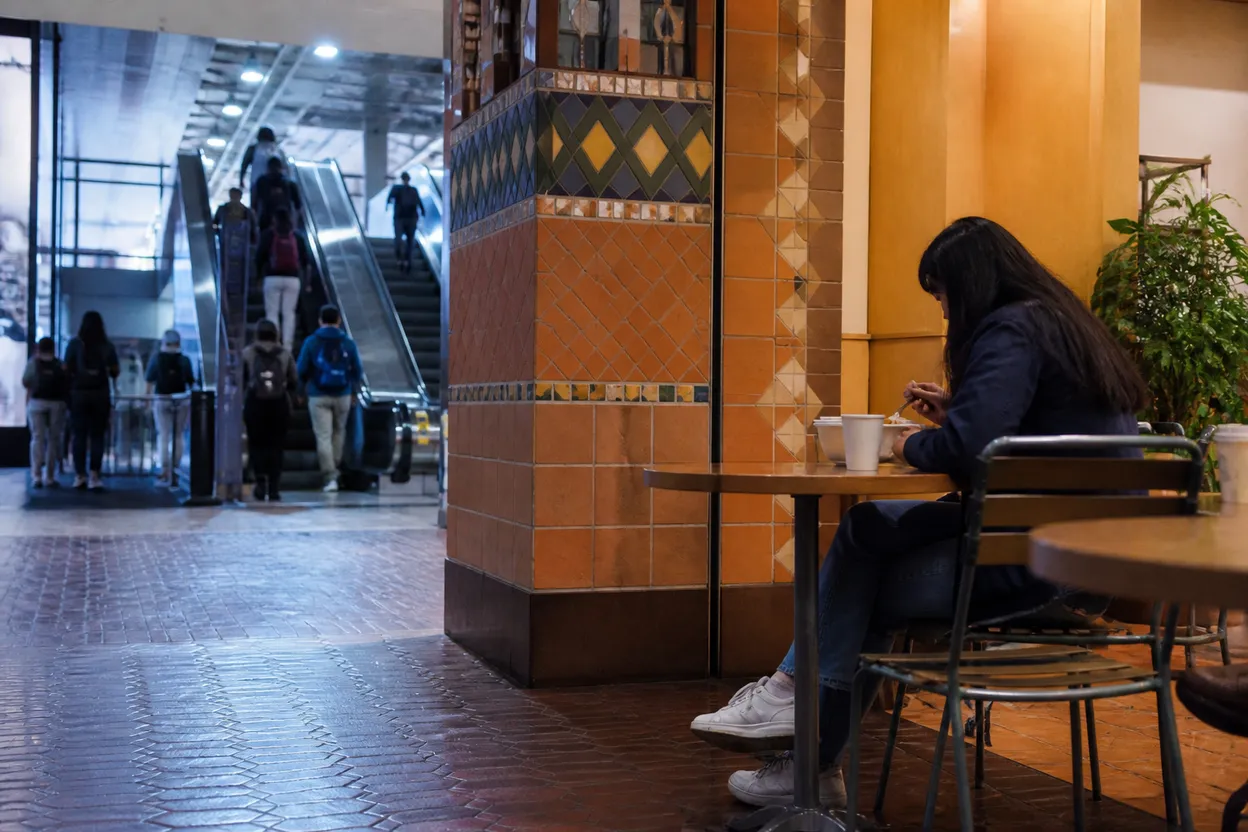
Odd finds are often hiding in the details that most quick visitors skip: production stills, exhibition labels, neighborhood maps, storefront typography, murals, costume references, design objects, or the way a museum frames its own collection. Discover Los Angeles points readers toward arts and culture, Museum Row, film-location planning, vintage LA, and mural-centered stories. Use those official categories as a checklist for what to notice.
Before leaving, open the official page for your intended stop and look for the boring but decisive information: current hours, admission method, accessibility notes, bag rules, photography guidance, temporary closures, and whether any hands-on activity is actually offered that day. Do not assume a workshop, archive room, screening, docent tour, or special exhibit is available unless the official source says so. A hidden gem that cannot be accessed is just a longer errand.
Build your route in layers. Layer one is the confirmed public stop. Layer two is the surrounding public culture: murals, exterior architecture, nearby points of interest, or a neighborhood corridor. Layer three is the exit plan. Metro’s official tools are useful here because the agency promotes real-time arrivals, step-by-step directions, and service alerts through its app.
Pair the odd stop with a calmer second option
Los Angeles plans fail when they depend on one door opening at one exact moment. Pair your first-choice odd stop with a calmer second option that is public, official, and not too far from your route. Discover Los Angeles lists Exposition Park, Leimert Park, San Pedro, Studio City, Sherman Oaks, North Valley, Hermosa Beach, LAX, and other areas as part of its city geography. Pick the backup by transit logic, not wishful thinking.
If your main focus is Museum Row or Mid-Wilshire, a reasonable backup style is another arts-and-culture stop, a film-location walk from an official itinerary, or a vintage LA angle from Discover Los Angeles. If you want a heritage-focused pivot, check official pages connected to LA heritage and public neighborhood information before you go. The backup should not require an unverified ticket, private access, or a last-minute celebrity rumor to feel worthwhile.
Crowd risk is highest when your plan overlaps with major events, weekend museum traffic, restaurant weeks, or concert corridors. Discover Los Angeles maintains event listings, including dated public events, and Metro posts alerts and arrival information. Use both before departure. If the official event calendar suggests a busy window near your intended area, go earlier, shorten the stop, or move to your backup.
Respect access photography and privacy rules
Hidden culture is not a license to overstep. Museums, cultural spaces, restaurants, shops, transit stations, and neighborhood streets may have different rules for photography, recording, bags, food, accessibility, and group behavior. The official extracts here do not establish any universal policy, so the safest instruction is simple: check the specific venue page and follow posted rules on site.
Be especially careful with people. Los Angeles is a working city, not a backdrop that exists for visitors’ feeds. Murals, storefronts, station art, and public architecture can be compelling, but residents, workers, students, artists, and other visitors still have privacy interests. Do not film staff interactions as content unless the setting clearly allows it and the people involved consent. Do not imply that a public cultural stop has any connection to chris hansen unless an official source says so.
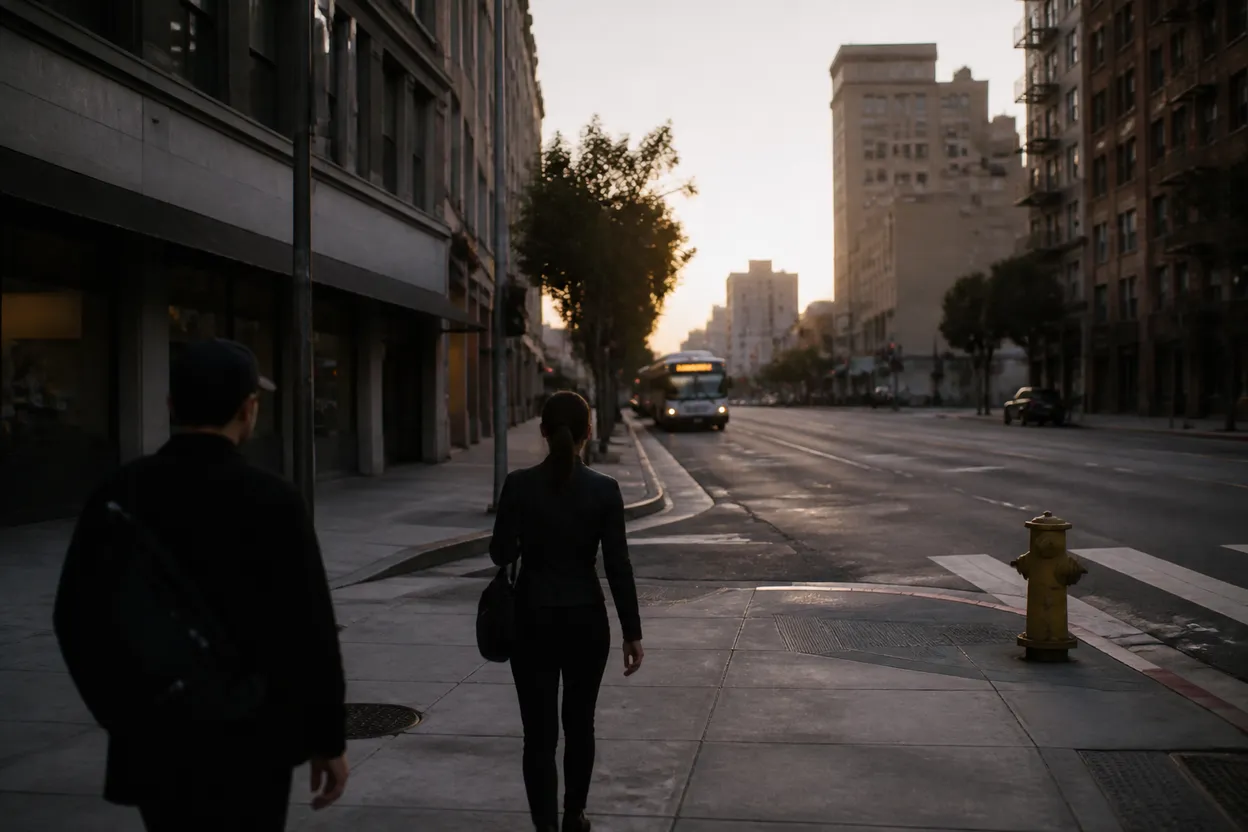
Metro also deserves practical respect. Use the official LA Metro app for real-time arrivals, step-by-step directions, and service alerts, and verify payment information on Metro’s own site before riding. Metro states that riders can pay fare with a credit or debit card in plastic or digital form by tapping on bus or at train stations, but travelers should still check current fare and program details before relying on them.
Verify current entry details
Your final pre-departure check should take five minutes and prevent most disappointments. Confirm the official page for your main stop, the official page for your backup, and Metro’s live information. Look for changes to hours, closures, timed entry, accessibility, photography rules, service alerts, station information, and event impacts. If any part is unclear, choose the plan with fewer assumptions.
For a clean public city plan, use this sequence: choose Mid-Wilshire or Museum Row as the cultural anchor; check the official venue details; open Metro for arrivals, step-by-step routing, and alerts; identify La Brea, Fairfax, or La Cienega if the D Line Extension fits your trip; scan Discover Los Angeles for nearby arts, culture, film-location, vintage, or event context; then name a backup before you leave.
The point is not to make Los Angeles smaller or safer than it is. The point is to make the oddness executable. A verified detour can still feel strange, cinematic, and specific; it just will not depend on a false promise. That is the difference between chasing a headline and actually seeing the city.
Tags: #AskKarpo #BeforeYouGo #LosAngeles #HiddenGems #OddFinds #MuseumRow #MidWilshire #LAMetro #DLineExtension #ArtsAndCulture #FilmLocations #VintageLA #LAItinerary #CityDetour
Sources consulted: discoverlosangeles.com · metro.net · laparks.org
All trademarks are the property of their respective owners.
Ask Karpo first
Ask Karpo first if you want this turned into a same-day Los Angeles route. Share your starting neighborhood, transit preference, time limit, mobility needs, and whether you want museums, murals, film locations, vintage stops, or a quieter backup.