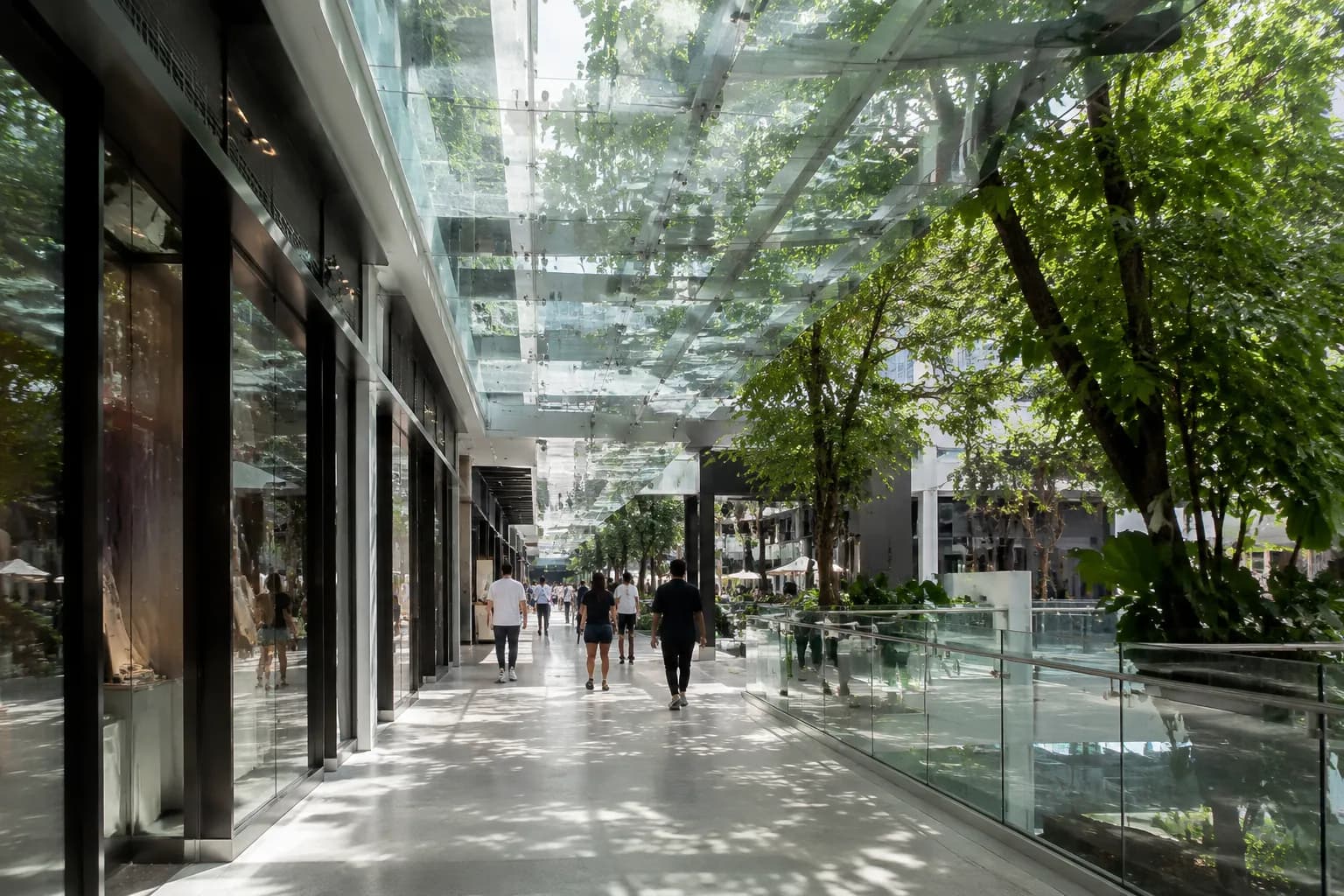
The search for chris bosh tributes across Miami reveals a scattered geography of championship memory—one that extends far beyond American Airlines Arena's official displays into neighborhood courts, side-street murals, and independent memorabilia shops. For sports history enthusiasts planning a weekend morning route, the challenge lies in verifying which locations still maintain visible tributes and determining whether Little Havana's evolving street art, Coconut Grove's training facility markers, or Overtown's community basketball courts offer more substantive photo opportunities than predictable tourist zones. This intermediate-level exploration requires cross-referencing public art databases, checking business hours for private collectors, and understanding Miami's free Metromover system that connects downtown, Omni, and Brickell areas where Heat history intersects with urban development. The tradeoff between chasing faded murals versus visiting curated collections shapes whether your solo documentation prioritizes spontaneous discovery or guaranteed access to preserved artifacts.
Text Karpo your starting point, timing, group size, and priorities for a Miami plan tailored to this exact situation, with one realistic backup before you leave.

Metromover Access to Kaseya Center and Surrounding Tribute Zones
The Metromover's free elevated system operates 5:30 a.m. to 10 p.m. daily and serves the Kaseya Center (home of the Miami HEAT) as a major destination, making it the logical starting point for weekend morning routes. The system subdivides into Omni, Inner, and Brickell loops with cars arriving every 90 seconds during rush hours and every 3 minutes off-peak, allowing you to test multiple neighborhoods without parking complications. However, Saturday service currently begins at 2 p.m. as of August 2026 due to system upgrades, eliminating morning transit access and forcing a decision: drive directly to specific tribute sites or postpone exploration until afternoon when natural lighting shifts and weekend crowds increase around the arena district.
The tradeoff centers on whether you prioritize the convenience of looping between Financial District, Omni, and School Board stations versus the superior morning light for photographing outdoor murals. If you choose morning visits, verify current Metromover schedules through the county's elevator and escalator status page before departure, as modified Inner Loop operations may affect your ability to efficiently connect tribute locations. Solo travelers benefit from the system's frequent service and priority seating options, but must account for the 30-minute backup accessible service window if elevators malfunction at stations—a consideration when planning tight photography schedules across multiple neighborhoods.
Little Havana Mural Verification and Street Art Turnover Rates
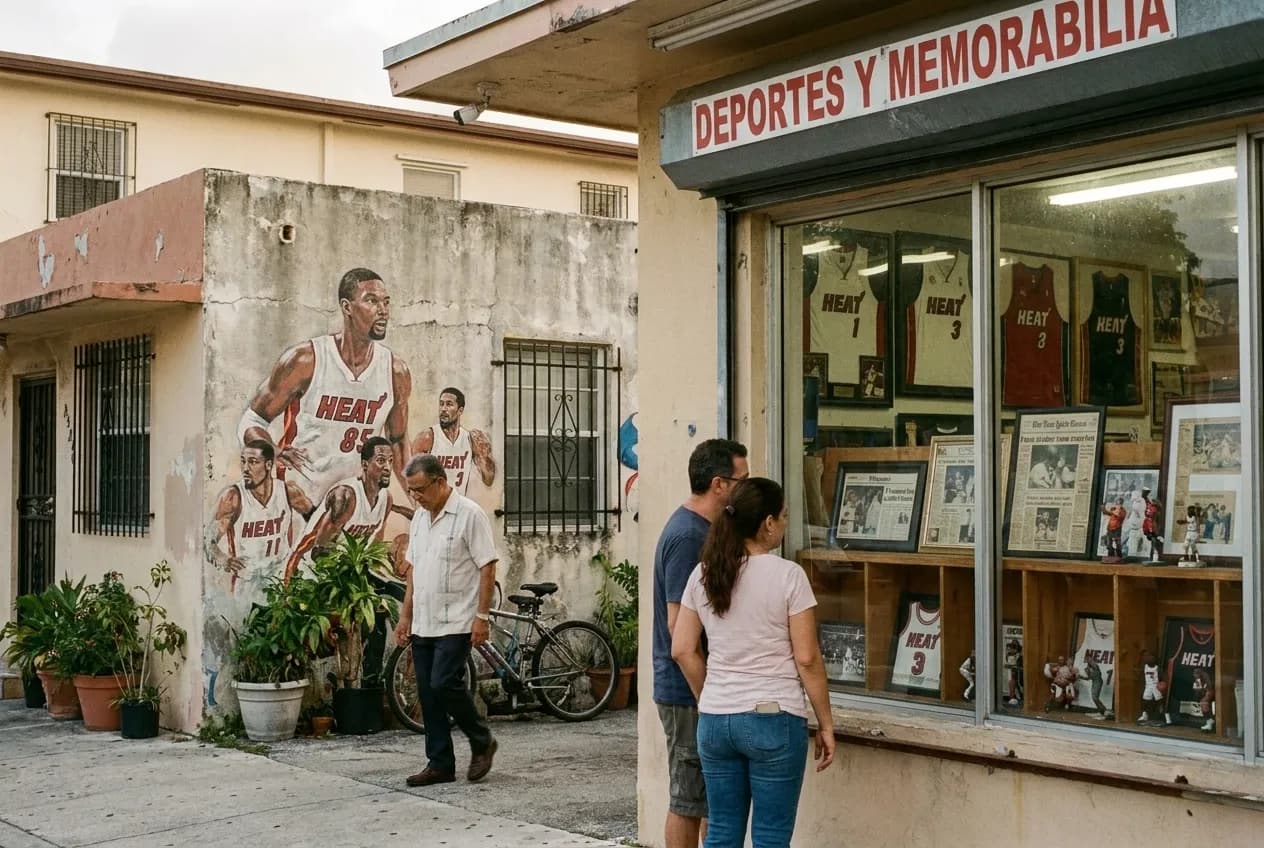
Little Havana's reputation for vibrant street art creates expectations of permanent Heat championship tributes, but the neighborhood's murals undergo constant replacement as property owners commission new works or building facades receive maintenance. Before routing through Calle Ocho, recognize that no official county parks database catalogs sports-specific murals, meaning your verification process depends on recent social media geotagging, local business inquiries, or walking surveys that may reveal tribute walls have been painted over. The decision point: invest morning hours searching for potentially vanished artwork, or accept that Little Havana offers cultural atmosphere rather than guaranteed Bosh-specific imagery.
The intermediate difficulty emerges when comparing Little Havana's uncertain mural inventory against Wynwood's documented art district, which lies outside traditional Heat territory but maintains higher artwork turnover transparency. For reverent sports history documentation, the risk of arriving at blank walls or unrelated murals tests whether your route prioritizes the journey through authentic Cuban-American neighborhoods where championship celebrations historically occurred, versus the efficiency of pre-confirmed tribute locations. Weekend mornings in Little Havana do offer quieter streets for photography before lunch crowds, but without address-specific mural registries, you're essentially conducting field research rather than executing a guaranteed photo checklist.
Coconut Grove Training Facility Markers and Public Access Limits
Coconut Grove's association with Heat training facilities prompts searches for commemorative markers, but verifying public access to any historical training sites requires distinguishing between active private facilities and decommissioned locations that may have since been redeveloped. Miami-Dade County's Parks, Recreation and Open Spaces Department maintains over 200 public parks with fitness zones and sports courts, yet their official materials do not reference Heat-specific training history markers. The planning challenge: determine whether Coconut Grove offers accessible outdoor plaques or signage versus private property where photography requires permission or remains prohibited entirely.
This uncertainty shapes the solo traveler's risk calculation—Coconut Grove's tree-canopy streets and waterfront parks provide appealing backdrops for a sports history route, but without confirmed marker locations, you may spend weekend morning hours exploring general recreational spaces rather than documenting specific Bosh-era tributes. The alternative involves contacting Coconut Grove business improvement districts or historical societies in advance to verify whether any public-facing commemorations exist, trading spontaneous exploration for confirmed destinations. For intermediate route planners, this represents the core tradeoff: accept the possibility of discovering unmarked history through neighborhood immersion, or narrow your scope to locations with verified, accessible tributes even if they concentrate in more commercial zones.

Overtown Community Courts and Championship Legacy Intersections
Overtown's community basketball courts carry potential significance as neighborhood spaces where championship celebrations and youth basketball culture intersect with Heat history, yet identifying which specific courts feature tributes or historical markers requires on-the-ground verification. The Miami-Dade Parks system lists courts across its 200+ parks with fitness zones and sports facilities, but does not catalog individual court dedications or mural installations in its public database. Weekend morning visits to Overtown courts offer the advantage of observing active basketball culture and potentially encountering longtime residents who can share oral histories about championship-era celebrations, but this approach yields unpredictable results for travelers seeking guaranteed photo documentation.
The decision framework contrasts Overtown's authentic community connection to Heat history against the uncertainty of finding visible, permanent tributes. Overtown Transit Village North at 701 NW 1st Court serves as the Transportation and Public Works headquarters, indicating the neighborhood's transit connectivity, but this administrative presence doesn't confirm sports memorial locations. For sports history buffs prioritizing reverent documentation over tourist-zone predictability, Overtown courts represent the highest-risk, highest-authenticity option—you may discover neighborhood murals or court dedications unknown to commercial tour routes, or you may find standard recreational facilities without championship-specific markers. The intermediate difficulty lies in managing expectations: treat Overtown as cultural context exploration rather than guaranteed tribute collection.
Private Memorabilia Shops Versus Public Mural Accessibility
Independent memorabilia shops offer climate-controlled, curated Bosh collections with guaranteed viewing access, but operate on private business hours that may not align with weekend morning exploration windows. Unlike public murals available for photography during any daylight hours, shops require verifying current operating schedules, and their inventory focus may emphasize sellable merchandise over historical context or championship-specific displays. The tradeoff: private shops provide concentrated Heat artifacts and potential owner expertise about championship history, while public murals offer free, always-accessible backdrops that integrate sports history into neighborhood landscapes—though with no guarantee of preservation or historical accuracy.
For solo travelers planning reverent documentation, this choice determines whether your route centers on transactional memorabilia viewing or organic urban discovery. Private shops eliminate the uncertainty of mural hunting but compress the experience into retail environments where photography policies vary and the emphasis shifts toward commercial exchange. Public spaces across Miami-Dade's park system and transit-accessible neighborhoods allow extended contemplation and multiple angle photography without time pressure, but demand more research to locate and verify tribute existence. The intermediate route planner ultimately decides whether authentic photo opportunities mean capturing Heat history embedded in community spaces—even if faded or informal—or accessing preserved artifacts in controlled settings where the context shifts from public memory to private collection.
Tags: #ChrisBosh #MiamiHeathistory #sportsmuralsMiami #LittleHavanastreetart #Overtownbasketballcourts #CoconutGroveMiami #Metromoverroutes #sportsmemorabiliashops #Miamichampionshiptributes #HeatBigThreelegacy #Miamineighborhoodexploration #publicartverification
Sources consulted: Source 1: miamidade.gov · Source 2: miamidade.gov · Source 3: mdpls.org · Source 4: miamibeachfl.gov
All trademarks are the property of their respective owners.
Ask Karpo first
Ask Karpo to turn this Miami idea into a current plan for your date, budget, companion, transit preference, and energy level. Karpo can narrow the route and flag what to verify before you go.