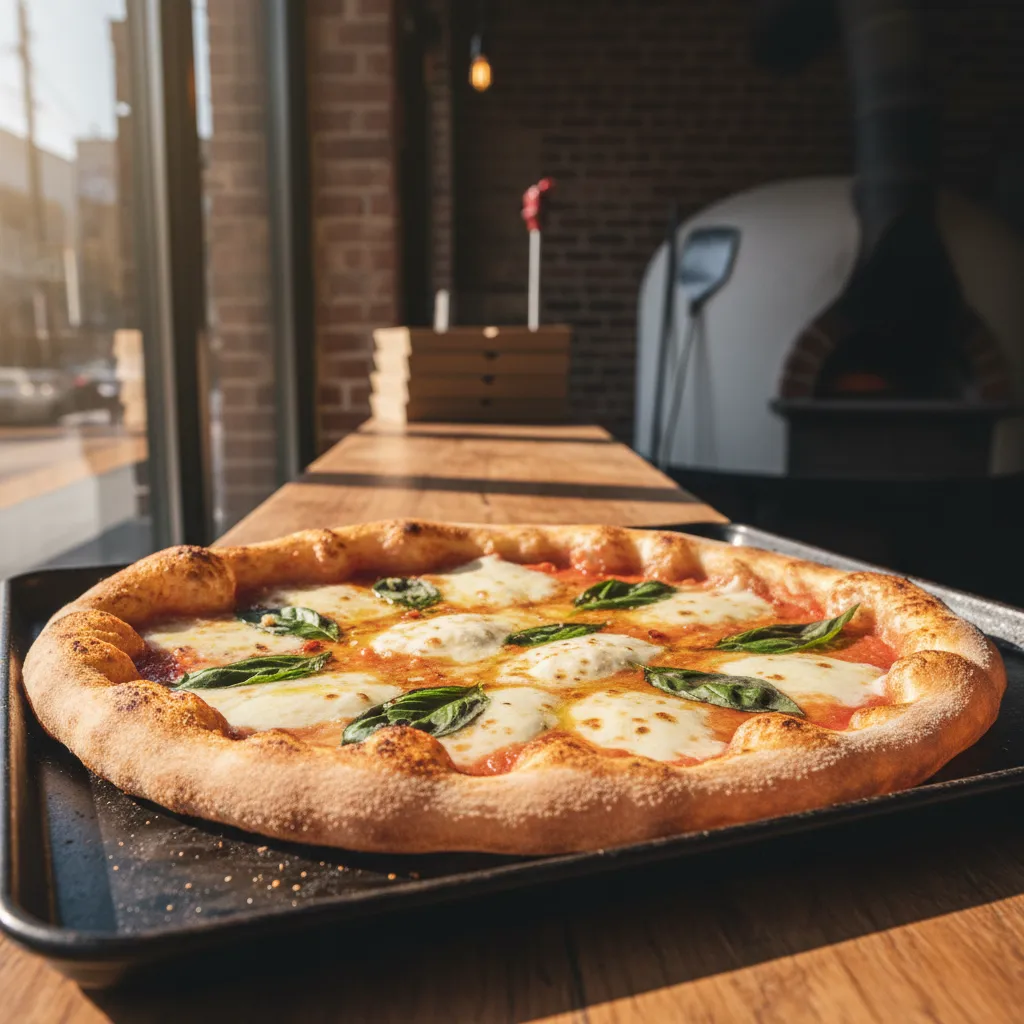
 L'Industrie vs Lucali: Brooklyn's Best Pizza Compared
Restaurants
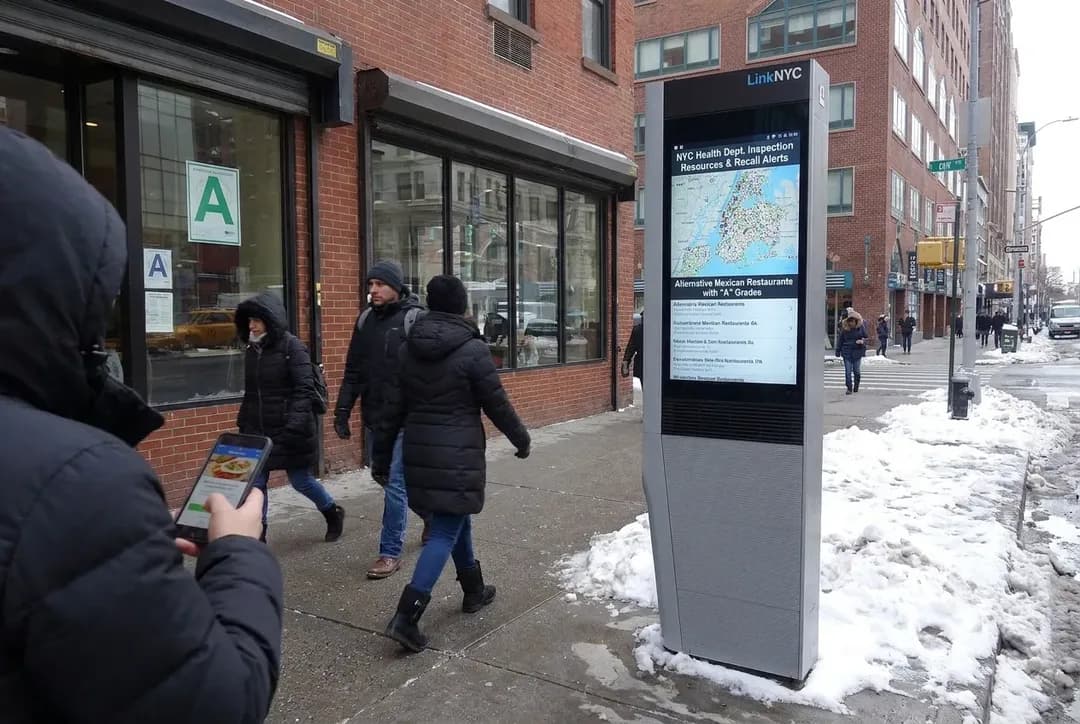
chipotle jalapeno salmonella outbreak: NYC Food-Safety Verification and Alternative Burrito
Navigate NYC Health Department inspection tools and identify safer fast-casual alternatives when foodborne illness concerns disrupt your dining routine. Research verification steps and symptom awareness empower informed meal decisions.
The chipotle jalapeno salmonella outbreak has left frequent fast-casual diners in New York City weighing immediate meal-planning decisions against food-safety concerns. Whether you typically grab a burrito solo during lunch breaks or coordinate family dinners around convenient counter-service restaurants, news of potential contamination shifts the calculus from speed and taste to verification and risk assessment. This guide walks through NYC Health Department inspection resources, explains how to check real-time restaurant grades, outlines salmonella symptom recognition and reporting channels, and maps the tradeoffs inherent in choosing alternative Mexican fast-casual spots with documented safety records. The goal is not to declare any single location safe or dangerous—without official confirmation of affected sites, that remains impossible—but to equip you with the research steps that turn worry into actionable decision-making.
Text Karpo your usual Chipotle location, any food allergies, whether you want similar fast-casual or sit-down alternatives, and your borough—we'll send the latest outbreak info, map three restaurants with A-grade inspections, and explain how to check safety records yourself as a backup.
Using the NYC ABCEats Restaurant Inspection Database
New York City maintains the ABCEats-Restaurants portal at a816-health.nyc.gov/ABCEatsRestaurants, a searchable directory that displays current letter grades, violation histories, and inspection dates for every permitted food-service establishment. The interface allows searches by restaurant name, cuisine type, street address, or zip code, returning results that include the most recent inspection score, critical violation flags—such as improper cold-holding temperatures or pest evidence—and the date of the next scheduled inspection. For anyone concerned about a specific Chipotle location or any fast-casual chain, entering the brand name yields a borough-wide list, letting you compare grades across Manhattan, Brooklyn, Queens, the Bronx, and Staten Island branches before committing to a visit.
The database does not, however, broadcast real-time recall alerts or link individual restaurants to active outbreak investigations unless the Health Department posts a formal closure order. That means an 'A' grade reflects conditions observed during the last routine inspection—often weeks or months prior—rather than today's ingredient sourcing or supply-chain developments. If you want to cross-reference a restaurant's inspection history with recent foodborne-illness news, you will need to check the Health Department's press-release archive separately and then return to ABCEats to see whether any named location has been re-inspected or temporarily closed. This two-step verification process adds time but reduces the chance of dining at a spot already flagged by investigators.
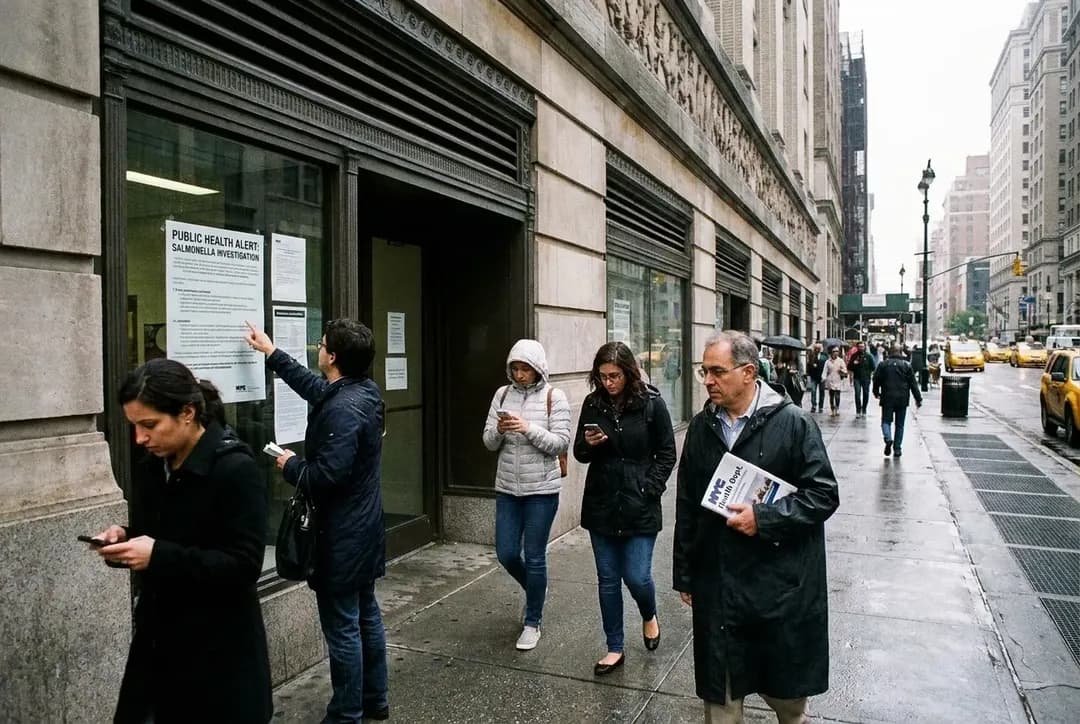
Recognizing Salmonella Symptoms and When to Report
Salmonella infection typically surfaces six to seventy-two hours after consuming contaminated food, presenting as diarrhea, fever, abdominal cramps, nausea, and sometimes vomiting. Most healthy adults recover within four to seven days without antibiotics, but infants, older adults, and individuals with weakened immune systems face higher risks of severe dehydration or bloodstream infection. If you or a family member develops these symptoms after eating at any restaurant—fast-casual burrito chains included—documenting the meal date, menu items, and receipt helps public-health investigators trace potential clusters.
New York City residents should call 311 to file a foodborne-illness complaint, which routes the report to the Health Department's Food Safety and Community Sanitation bureau. The complaint triggers a follow-up inspection if multiple reports cluster around the same establishment or if the symptoms align with a known outbreak pattern. Keeping the restaurant receipt, photographing leftover food if available, and noting the names of companions who shared the meal all strengthen the investigative trail. Reporting does not guarantee immediate closure, but it feeds the data stream that regulators use to identify problem suppliers, contaminated ingredient lots, or lapses in kitchen hygiene—information that protects future diners even if it arrives too late to prevent your own illness.
Comparing Food-Safety Grades at Alternative Fast-Casual Mexican Restaurants
If you decide to skip Chipotle until outbreak details clarify, New York City offers dozens of fast-casual Mexican competitors whose inspection grades appear in the same ABCEats database. Search by neighborhood and filter for 'A' grades to generate a shortlist, then click each result to review violation details: zero critical flags suggest consistent temperature control and pest management, while a string of non-critical violations—mislabeled containers, minor plumbing leaks—may indicate operational stress that could escalate. Pay attention to inspection frequency as well; restaurants inspected every six months under the standard cycle demonstrate stable compliance, whereas re-inspections scheduled weeks apart often follow a failed initial visit.
The tradeoff here is familiarity versus assurance. Chipotle's standardized menu and transparent calorie counts make ordering predictable, especially for families managing dietary restrictions or picky eaters. A lesser-known taqueria with an 'A' grade may offer equally safe food but require more time to decode handwritten menus, ask about ingredient sourcing, or navigate language barriers. Solo diners prioritizing speed might accept that uncertainty; parents coordinating a quick dinner with young children might prefer the devil they know, even if that means waiting a few extra days for official clearance. Neither choice is wrong—the decision hinges on whether your immediate meal-planning need outweighs the cognitive load of exploring unfamiliar spots.
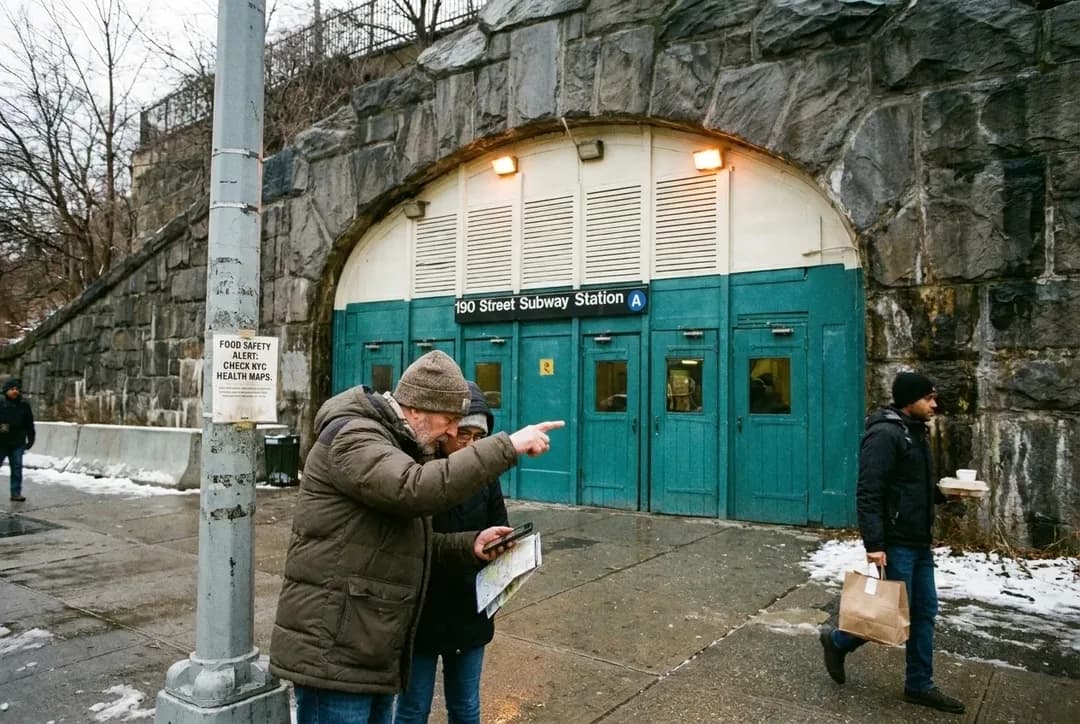
Navigating Public Transit to Reach Verified Alternatives
Once you identify a candidate restaurant through the ABCEats portal, the MTA system—accessible at mta.info—provides real-time service alerts, trip planners, and accessibility status for subway and bus routes. Enter your starting address and the restaurant's cross streets into the trip planner to generate options that balance travel time against the number of transfers. Check the 'Elevator & Escalator Status' link if you or a companion uses a wheelchair or stroller; unannounced outages can turn a fifteen-minute subway ride into a forty-minute ordeal involving alternate stations and additional walking. Signing up for service alerts by line ensures you receive notifications about planned work or unexpected delays before you leave home.
Weekend and evening service changes—common on lines like the 1, 2, 3, and G—can extend travel windows significantly, so building a ten-to-fifteen-minute buffer into your meal schedule reduces the stress of arriving hungry and impatient. If the alternative restaurant sits near a major transit hub—Union Square, Atlantic Terminal, Times Square—you gain flexibility to pivot to a backup option if the first choice has an unexpectedly long wait or a sudden closure. That redundancy matters most when dining solo or with young children, where hunger and fatigue compress decision-making time and amplify the cost of a wasted trip.
Weighing Transparency, Convenience, and Risk Tolerance
Food-safety verification is never binary. Even an 'A'-graded restaurant can experience a supply-chain contamination event beyond its control, and even a chain embroiled in an outbreak may operate individual locations that never received tainted ingredients. The research steps outlined above—checking ABCEats grades, reviewing inspection histories, filing 311 complaints when symptoms arise, and mapping transit routes to vetted alternatives—shift the odds in your favor without eliminating uncertainty. For frequent fast-casual diners, that incremental risk reduction may justify the extra fifteen minutes spent cross-referencing databases and planning routes.
Your emotional baseline and companion context shape how much verification feels sufficient. A solo diner grabbing lunch might accept a 'B' grade at a convenient spot, reasoning that one meal carries low cumulative risk. A parent planning dinner for young children might insist on an 'A' grade and a recent inspection date, because the consequences of a sick child—missed work, medical visits, sleepless nights—dwarf the inconvenience of traveling an extra subway stop. Neither standard is objectively correct; the right threshold is the one that lets you enjoy your meal without lingering worry, turning food-safety research from an anxious chore into a confidence-building routine.
Tags: #foodsafety #restaurantinspections #fastcasualdining #salmonellaawareness #NYCHealthDepartment #burritoalternatives #ABCEatsdatabase #foodborneillnessreporting #MTAtransitplanning #familydiningdecisions
Sources consulted: Source 1: nycgovparks.org · Source 2: new.mta.info · Source 3: nypl.org · Source 4: a816-health.nyc.gov
All trademarks are the property of their respective owners.
Ask Karpo first
Ask Karpo to turn this NYC idea into a current plan for your date, budget, companion, transit preference, and energy level. Karpo can narrow the route and flag what to verify before you go.
Ask Karpo for more information.
Keep reading
- L'Industrie vs Lucali: Brooklyn's Best Pizza Compared
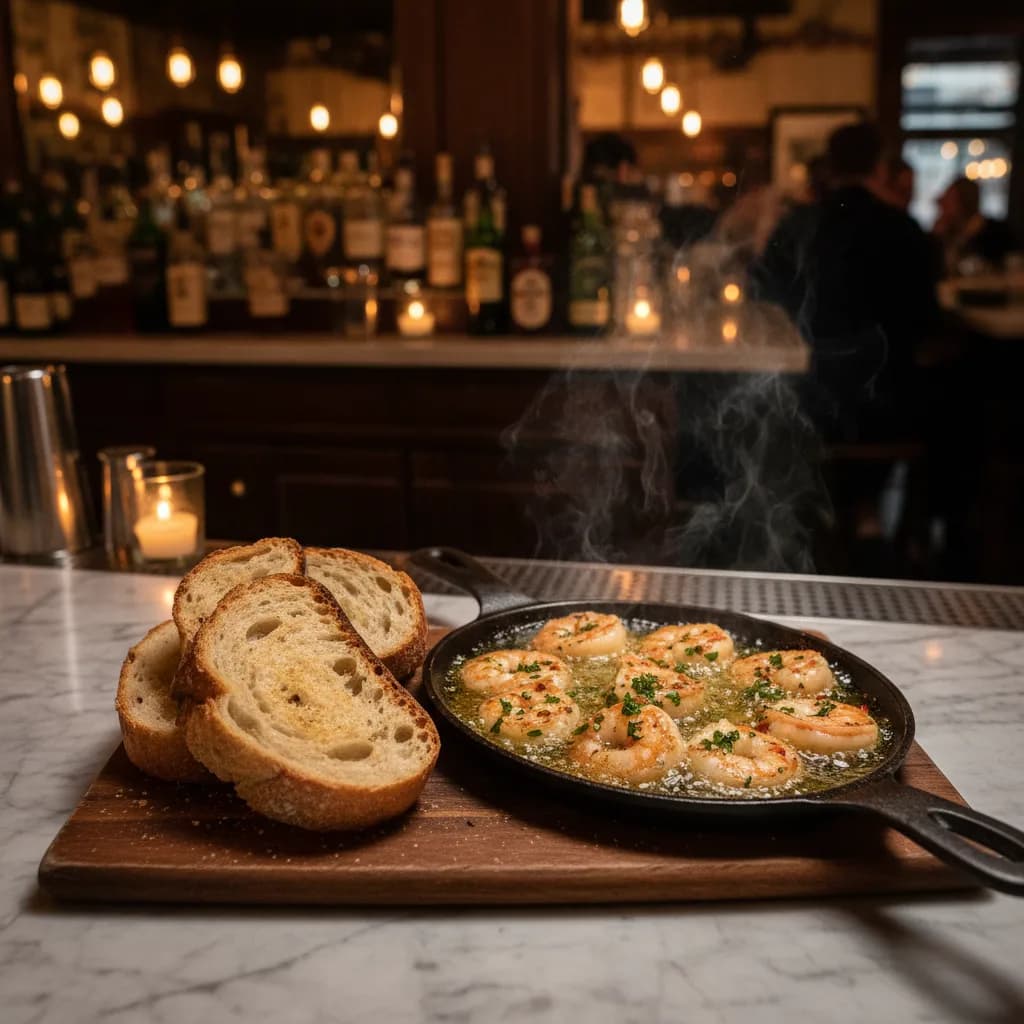 Cervo's on Division Street: Portuguese Seafood Without Reservations
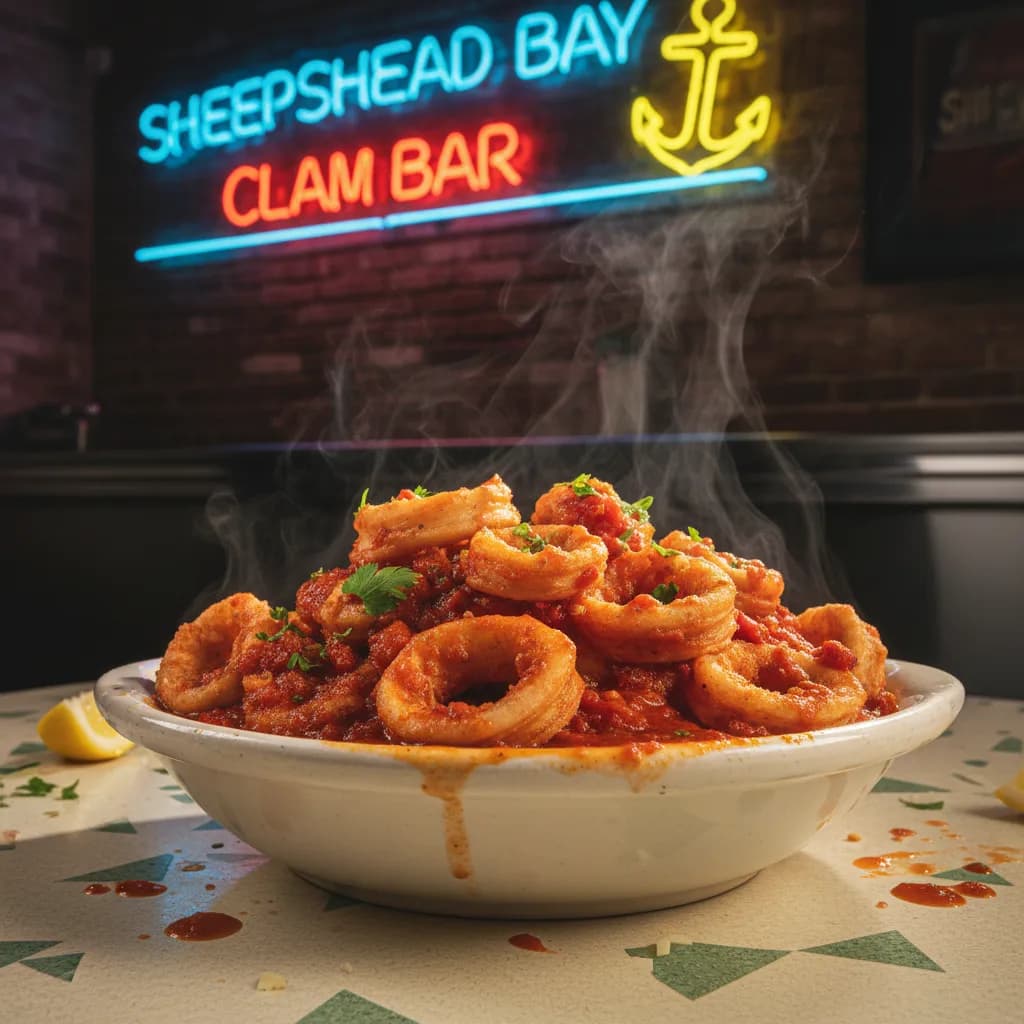 Randazzo's Clam Bar in Sheepshead Bay: Red Sauce Since 1932