Why timing matters in Wrigleyville
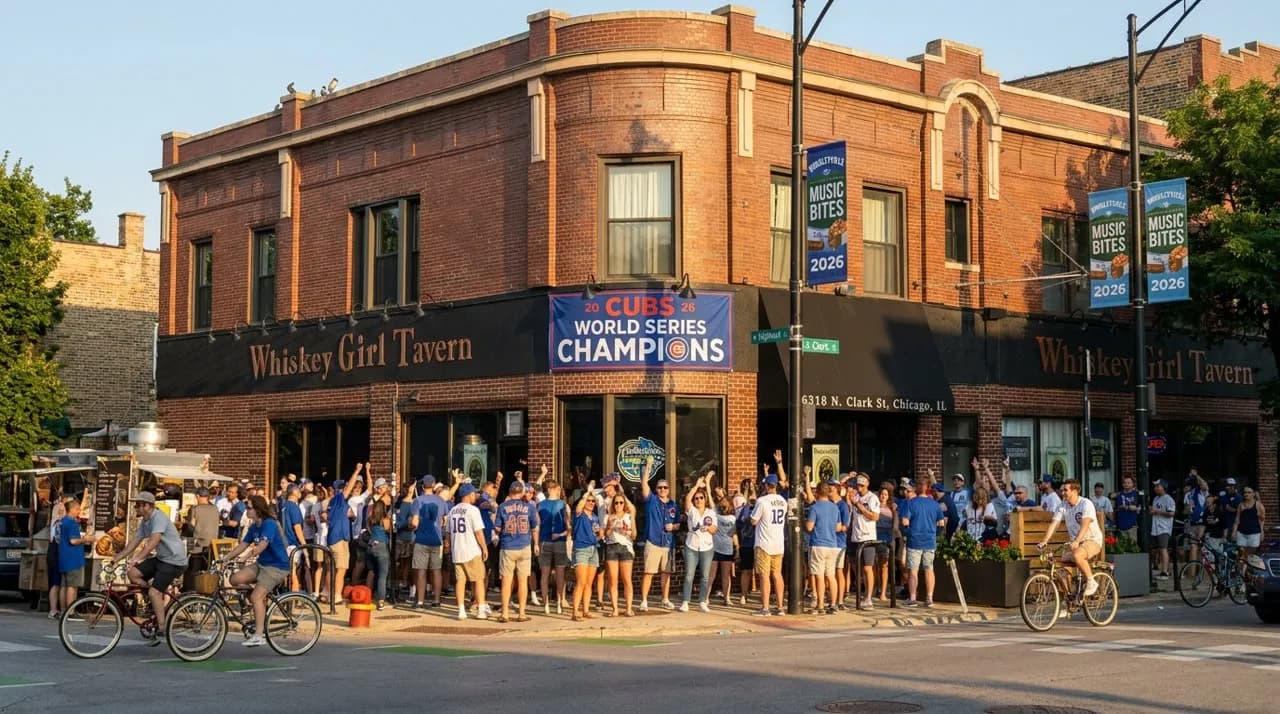
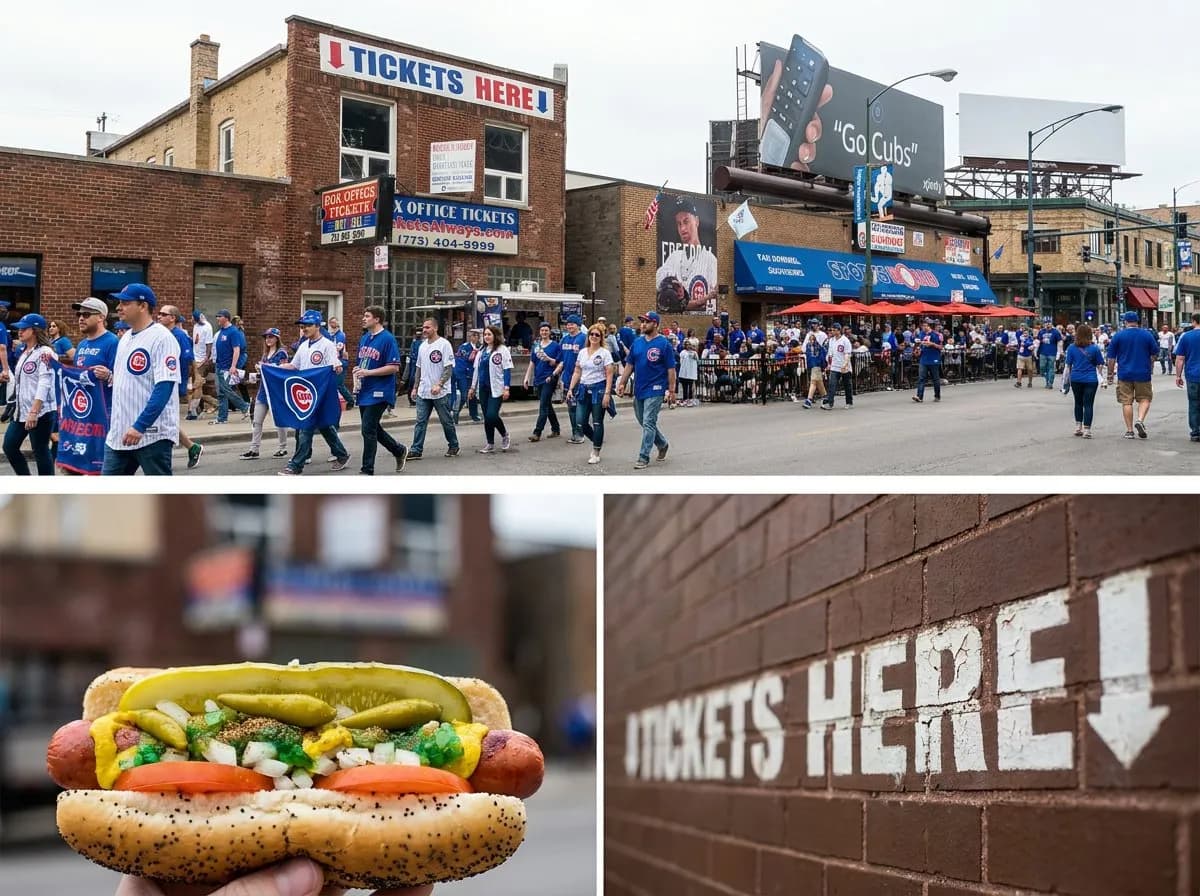
Wrigleyville operates on its own circadian rhythm, one dictated by the Cubs' home schedule and the neighborhood's deep-rooted tradition of pre- and post-game gatherings. When the team is away, Clark Street feels like any other urban corridor—busy, yes, but lacking that particular voltage. When the Cubs are home, especially during weekend series in late spring through early fall, the blocks surrounding Wrigley Field become a spontaneous street fair, where strangers in matching jerseys toast each other, where rooftop bleachers fill hours before first pitch, and where every bar and restaurant synchronizes its operations to the game clock. Understanding this rhythm—and planning around it—is the difference between a good Chicago visit and an unforgettable one.
Securing your seat at the Friendly Confines
Wrigley Field, located at 1060 West Addison Street, remains one of baseball's most intimate venues, a fact that makes tickets both precious and occasionally elusive. For 2026 games—particularly weekend matchups against division rivals like the Cardinals, Brewers, or White Sox—purchasing through the official Cubs website or verified resale platforms weeks in advance is prudent. Bleacher seats offer the most boisterous atmosphere and the most democratic pricing, while the terrace reserved sections provide sightlines that balance proximity with comfort. Day games, a Wrigley tradition thanks to the ballpark's historically limited light installations, typically start at 1:20 p.m., while evening games begin around 7:05 p.m. Check the official schedule closer to your travel dates, as game times can shift for television broadcasts. If tickets prove scarce or cost-prohibitive, several rooftop venues along Sheffield and Waveland Avenues—including long-standing operations that have formalized their relationship with the Cubs organization—offer all-inclusive experiences with sightlines directly into the ballpark, though these require advance booking and come at premium prices.
The pre-game crawl: bars that perfected the warm-up
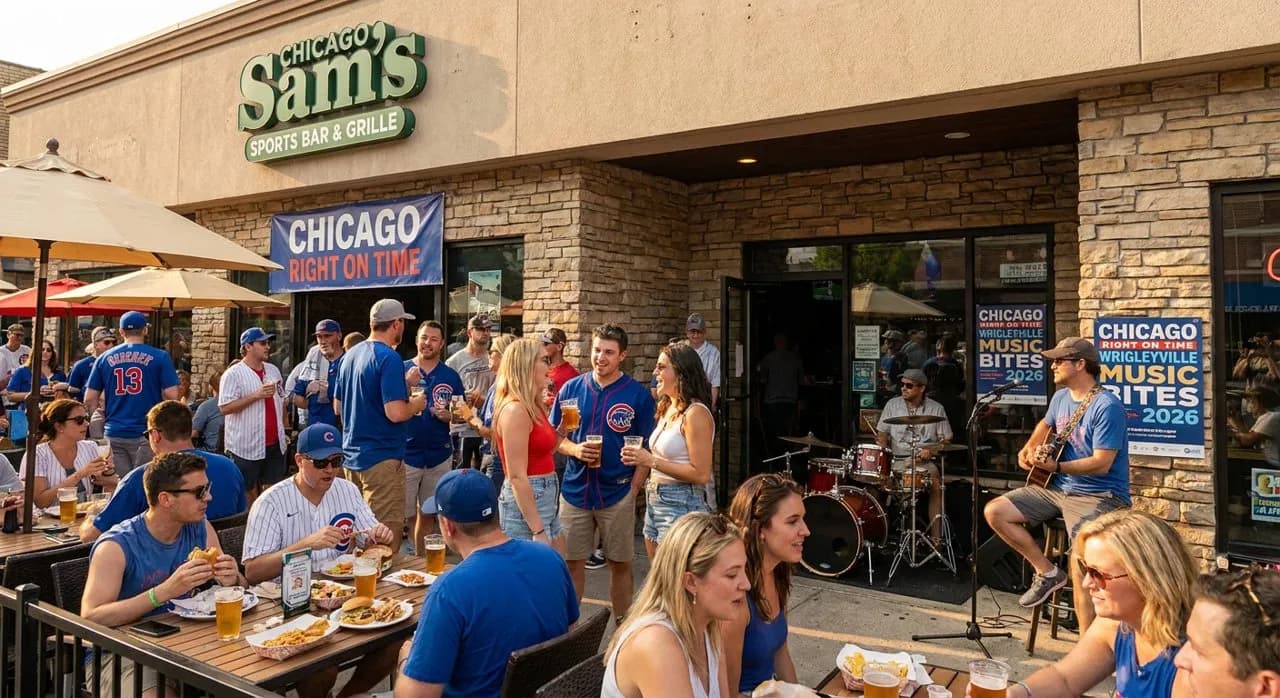
The pre-game ritual in Wrigleyville is practically liturgical. Longtime establishments like The Cubby Bear, directly across from Wrigley at 1059 West Addison Street, have been hosting fans since 1953, offering multiple levels of revelry, live music on non-game nights, and the kind of worn-in atmosphere that can't be manufactured. Murphy's Bleachers, at 3655 North Sheffield Avenue, sits even closer to the bleacher entrance and fills early with a cross-section of ticket holders and neighborhood regulars. Both venues serve straightforward bar food—burgers, wings, nachos—and local beers alongside domestic standbys. For a slightly quieter approach, Stretch Bar & Grill at 3485 North Clark Street offers a sports-bar experience with better sightlines to televisions and a menu that skews toward elevated pub fare. The key is arriving two to three hours before first pitch on weekends, when the energy builds gradually and you can actually claim a spot without shouldering through fifteen-deep crowds. Most establishments in the immediate vicinity operate on extended hours during home stands, often opening by 11 a.m. on game days, though confirming current schedules on venue websites closer to your visit is wise.
Beyond ballpark dogs: where to eat with intention
Wrigleyville's dining landscape has matured considerably over the past decade, offering options that transcend game-day expediency. For breakfast or brunch before an afternoon game, Dimo's Pizza at 3463 North Clark Street serves Detroit-style pies with inventive topping combinations starting late morning, while also offering breakfast pizzas on weekends that locals swear by. If you're seeking something more substantial and less beer-soaked, venture slightly south to Lakeview proper, where places like Chilam Balam at 3023 North Broadway offers Mexican-inspired small plates in a intimate setting—ideal for a pre-game dinner before an evening matchup. Post-game, when the crowds thin and hunger returns, Crisp at 3540 North Clark Street specializes in Korean-style fried chicken with serious attention to texture and spice levels, operating until late on game nights. For a classic Chicago experience that locals still respect, consider making the short trip to Pequod's Pizza at 2207 North Clybourn Avenue in nearby Lincoln Park, where the caramelized cheese crust justifies the inevitable wait. These spots generally accept reservations or call-ahead seating, which can be crucial when thousands of fans empty onto the streets simultaneously.
Live music in a neighborhood built on night energy
Music and baseball have always shared Wrigleyville real estate, though the relationship intensifies during home stands when venues extend their programming to capture post-game crowds. The aforementioned Cubby Bear doubles as one of Chicago's reliable rock venues, booking both touring acts and strong regional bands, with shows typically starting between 8 and 10 p.m.—timed perfectly for fans emerging from night games. Metro, the legendary club at 3730 North Clark Street, sits just blocks north and has hosted everyone from Nirvana to local indie darlings across its four-decade history; checking their calendar during your visit may reveal a show worth planning an entire evening around. Smart Bar, located beneath Metro, offers late-night electronic and dance music for those whose energy outlasts the ninth inning. For a more intimate acoustic or Americana experience, venues like Schubas Tavern at 3159 North Southport Avenue in neighboring Lakeview provide a listening-room atmosphere that feels worlds away from the game-day roar. Most clubs post their calendars several weeks in advance, though last-minute additions and pop-up performances are common, especially during summer weekends. Ticket availability and show schedules should be verified on venue websites or ticketing platforms closer to your dates.
The neighborhood beyond the obvious
If you have daylight hours before a night game—or you're building a longer Chicago stay around a weekend series—Wrigleyville and its surrounding neighborhoods reward wandering. The Southport Corridor, running north-south just west of Wrigley, features independent bookshops, vintage clothing stores, and cafes that cater to residents rather than tourists. The Lakefront Trail, accessible via a walk east down Addison or Belmont, offers miles of paved paths along Lake Michigan where runners, cyclists, and contemplative strollers move at their own pace, with the skyline hovering to the south. Graceland Cemetery, at 4001 North Clark Street, may seem an unconventional suggestion, but this historic garden cemetery holds the remains of Chicago luminaries including architects Louis Sullivan and Daniel Burnham, and its Victorian-era landscaping provides unexpected tranquility. For coffee that takes itself seriously, stop by Dark Matter Coffee at 4126 North Lincoln Avenue, where the roasting happens on-site and the baristas can discuss bean provenance with genuine enthusiasm. These interludes prevent Wrigleyville from feeling one-dimensional and remind you that this is, first and foremost, a living neighborhood that happens to host one of baseball's most famous addresses.
Practical notes
Getting there: The CTA Red Line stops at Addison, depositing you literally at Wrigley's doorstep; this remains the most efficient and authentic arrival method. Street parking is permit-only on game days within several blocks of the ballpark, and lot prices surge to $40-60 for weekend games. If driving, park in nearby Lakeview or Lincoln Park neighborhoods and walk or rideshare the final distance. Timing your visit: Weekend series in May, June, July, and September offer the most reliable weather and the most charged atmosphere. Day games are quintessentially Wrigley but require sunscreen and hats; night games under the lights installed in 1988 carry their own romance. Avoid scheduling tight connections immediately after games, as crowds disperse slowly. What to wear: Cubs gear is optional but certainly welcomed; layers are essential given Chicago's mercurial weather, even in summer. Comfortable walking shoes matter more than you'd think—you'll cover miles without noticing. Budget considerations: Game tickets range from $20 for upper-deck seats to several hundred for premium locations; food and drink inside the ballpark skew expensive, so consider eating beforehand. Most Wrigleyville bars enforce cover charges on game days, typically $10-20. Booking windows: For 2026 visits, monitor the Cubs' schedule release in late summer 2025 and book accommodations shortly thereafter, as nearby hotels fill quickly for popular series. Music venue calendars typically post 4-8 weeks out. Alternatives if tickets vanish: Watching a game from a crowded Wrigleyville bar with windows facing the ballpark offers its own communal thrill and costs the price of a few beers. The neighborhood's energy persists whether you're inside the gates or not.
Tags: #Chicago #Wrigleyville #WrigleyField #ChicagoCubs #BaseballTravel #LiveMusicChicago #ChicagoEats #SportsTourism #MLBTravel #ChicagoNeighborhoods #CubbyCubby #WrigleyvilleBars #LakefrontTrail #ChicagoWeekend #MidwestTravel
Sources consulted: Wrigley Field — Wikipedia · Chicago Cubs — MLB Official · CTA Public Transit · Wrigleyville neighborhood — Wikipedia · Eater Chicago — Dining Guide · Time Out Chicago
All trademarks are the property of their respective owners.