The Randolph Row Counter Renaissance
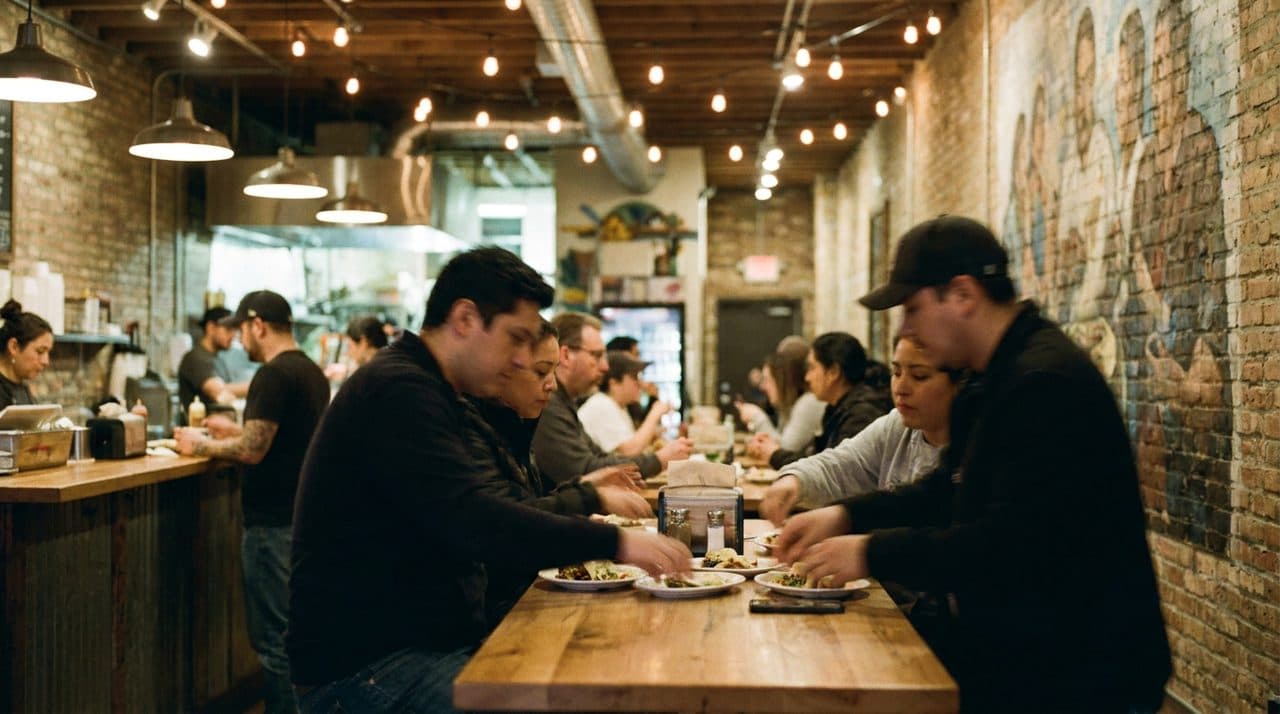
Randolph Street between Halsted and Green has long been synonymous with Chicago dining ambition, but the 2025-2026 season brought a quieter shift. While Alinea still anchors the corridor's reputation, a cluster of smaller chef-counter concepts now occupies the blocks between Morgan and Peoria, each seating twelve or fewer guests around open kitchens. These aren't pop-ups or temporary residences—they're permanent operations banking on the intimacy and theater that only a counter seat delivers.
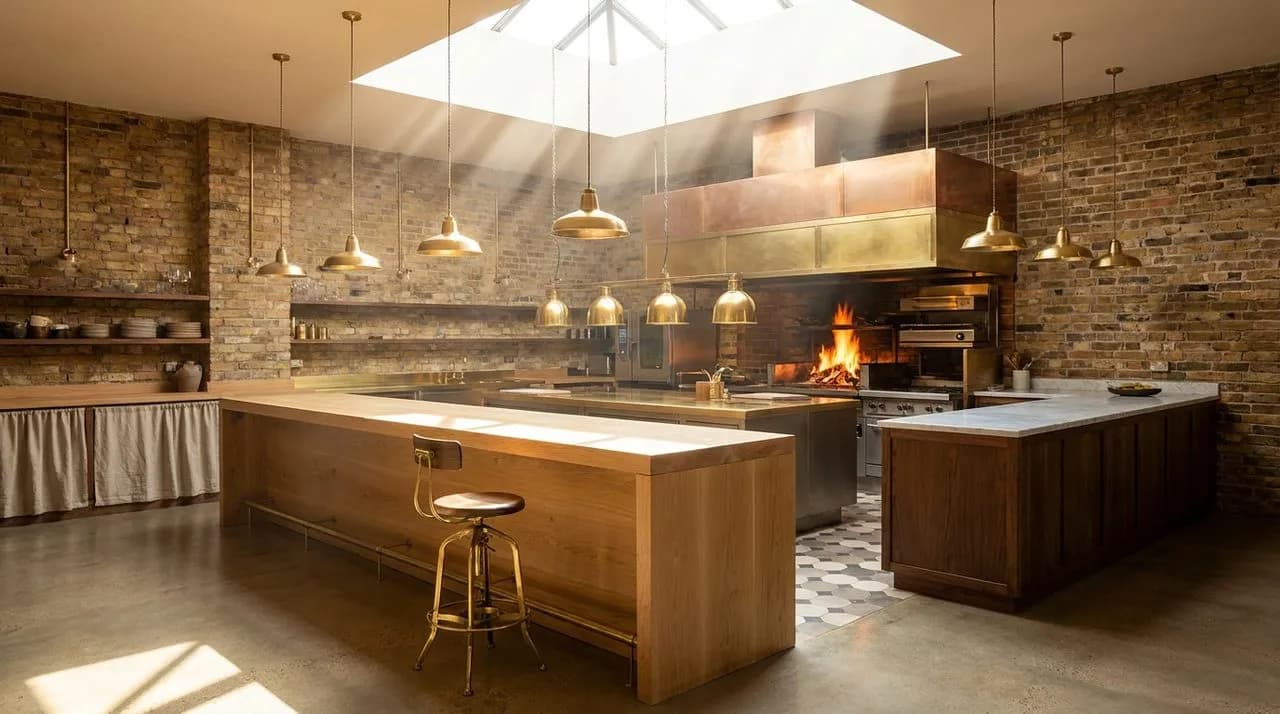
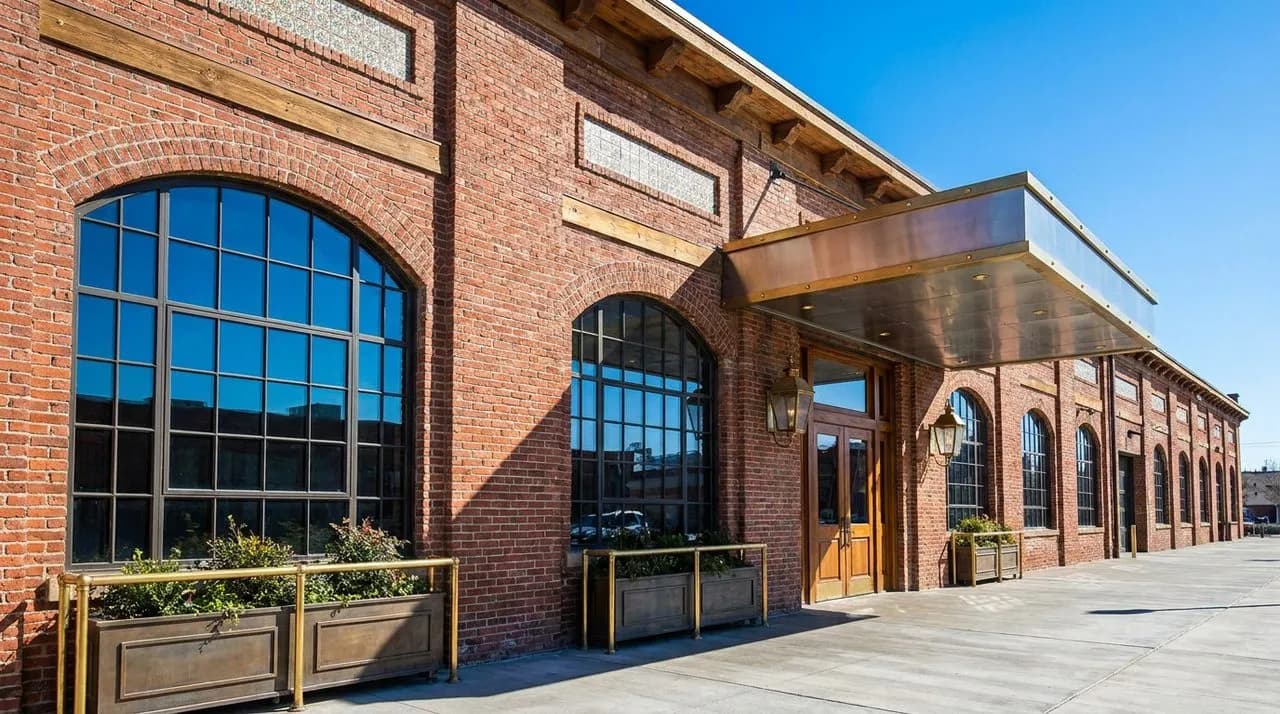
The West Loop's infrastructure makes this possible. Former meatpacking warehouses offer high ceilings and narrow footprints ideal for galley kitchens backed by a single row of stools. Chefs who spent years as sous or pastry leads at larger operations now helm their own seven- to twelve-course menus, often without a traditional dining room. The model keeps overhead manageable and tables—or rather, seats—perpetually full.
The Geography: Three Blocks, Four Counters
Start at the Randolph-Morgan intersection and walk west. Between Morgan and Carpenter, two counters operate within fifty yards of each other: a ten-seat Japanese kaiseki concept occupies a former coffee roastery, while a Nordic-leaning tasting room sits above a natural wine shop. Both opened in late 2025 and share a pastry chef who splits her week between kitchens. Reservations here release thirty days out on Resy, typically filling within ninety minutes for Friday and Saturday slots.
Continue west past Carpenter toward Aberdeen and you'll find a third counter inside a shared commissary space. This one skews more experimental—fermentation-forward, with a rotating cast of guest chefs on Mondays. The fourth anchor sits closer to Peoria, a twelve-seat Italian operation that sources live-fire techniques from the chef's time in Puglia. Walk-ins are theoretically possible here Tuesday through Thursday after nine p.m., though the host stand keeps a waitlist that often closes by eight-thirty.
What Makes a Counter Seat Worth It
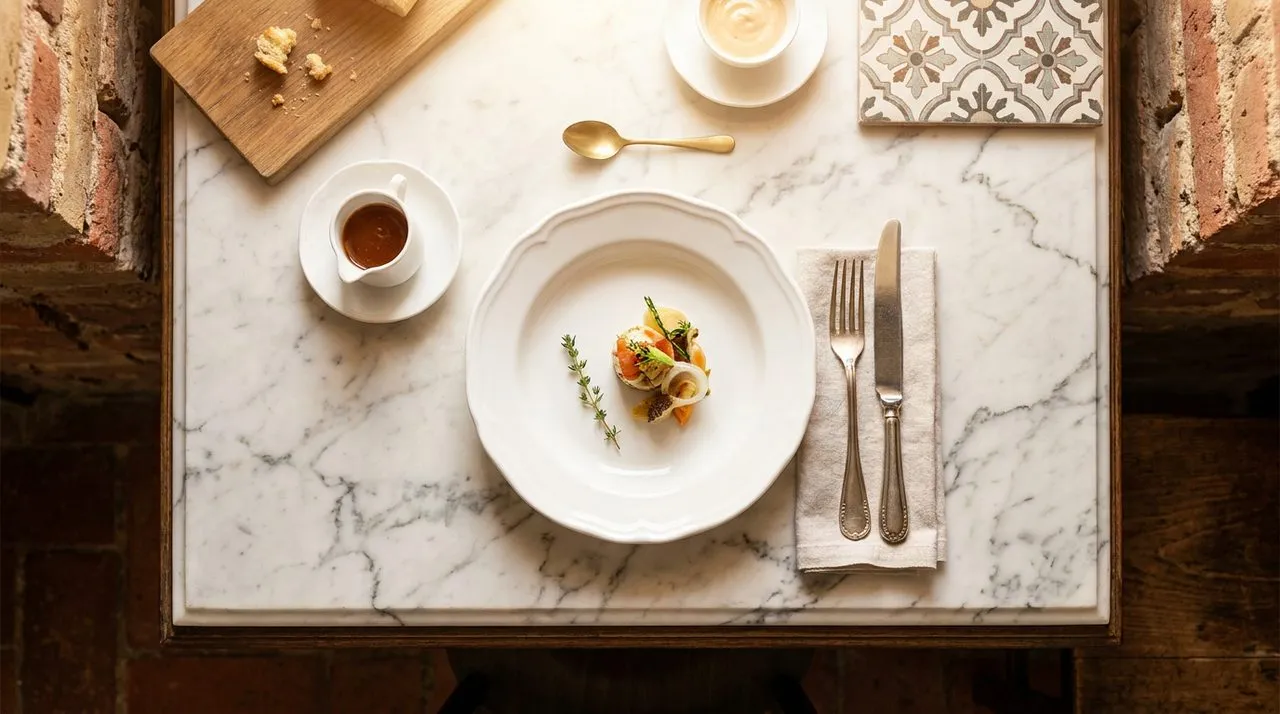
Counter dining collapses the distance between question and answer. When a chef plates smoked trout roe over buttermilk panna cotta two feet in front of you, you can ask about the cure or the source farm without summoning a server. The format rewards curiosity, and the best West Loop counters design their menus to provoke it—unusual cuts, underutilized vegetables, techniques that look simple until explained.
The trade-off is control. You sit where you're assigned, eat what's plated, and move at the kitchen's tempo. Courses arrive when they're ready, not when you signal. For some diners, that loss of agency is uncomfortable. For others, it's precisely the appeal—a structured two-hour experience where the only decision is whether to add the wine pairing. Randolph Row counters lean into this compact, choreographed format, and summer 2026 bookings suggest the market agrees.
Reservation Tactics: Thirty Days vs. Day-Of
The kaiseki and Nordic counters operate on strict thirty-day rolling windows. Set a calendar alert for six a.m. Central, thirty days before your target date, and refresh Resy or Tock at six-oh-one. Parties of two have better odds than solo diners or groups of four, though the kaiseki counter occasionally releases single seats forty-eight hours out when a pair cancels. Weeknights in June still show sporadic availability as of mid-May, but July is nearly solid.
The commissary counter and Italian spot favor a hybrid model. Half their seats go online fourteen days ahead; the other half stay reserved for walk-ins or same-day phone calls. If you're already in the West Loop, call between three and four p.m. to check on nine or nine-thirty availability. The Italian kitchen holds two counter seats for industry workers who finish service elsewhere, released after ten p.m.—arrive in chef whites or with a paystub from another restaurant and you might talk your way in.
Summer Hours and the Seasonal Menu Shift
Most Randolph Row counters close Sundays and Mondays year-round, but summer brings extended Thursday-through-Saturday windows. The Nordic counter adds a six p.m. seating in June and July, capitalizing on longer daylight and the post-work crowd willing to commit to a two-hour meal before nine p.m. The kaiseki spot experiments with a late-summer omakase brunch on Sundays in August, though that's still unconfirmed as of May.
Menus pivot hard in June. Expect ramps and morels to vanish, replaced by summer squash, green coriander, and stone fruit. The Italian counter shifts from braises to crudo and chilled seafood courses, while the commissary leans into live-fire grilling as temperatures climb. If you're booking now for late June or July, ask when you reserve whether the kitchen has transitioned to its summer lineup—some counters straddle both menus for a week or two, and you might prefer one direction over the other.
Practical Notes for First-Timers
Counter seats demand punctuality. Kitchens time their prep around a synchronized start, and a late arrival disrupts the rhythm for everyone. Plan to arrive ten minutes early, especially if you're unfamiliar with the block—Randolph Street building numbers skip erratically, and several counters occupy second-floor or courtyard entrances invisible from the sidewalk. Rideshare drop-off works better than street parking, which is metered until ten p.m. and scarce after eight.
A few other considerations to smooth the experience:
- Dress code is smart casual; no one wears suits, but athletic wear looks out of place at the kaiseki and Nordic counters.
- Wine pairings add sixty to ninety dollars per person; most counters also offer a non-alcoholic pairing for forty to fifty dollars.
- Dietary restrictions need advance notice—at least seventy-two hours for the kaiseki counter, forty-eight for the others. Vegan adaptations are difficult at the Italian spot.
- Tipping norms are evolving; some counters include service in the prix fixe, others present a check with a suggested twenty percent. Clarify when you book.
- Counter seats are stationary—no moving between courses. If you need to stretch, step outside between the fourth and fifth courses when the kitchen resets.
Why Right Now Matters
Late May 2026 sits in a brief booking sweet spot. July reservations are competitive but not yet impossible, and the summer menu transition gives you a preview of what these kitchens can do with peak-season produce. The West Loop's counter scene is still young enough that word hasn't fully spread—local food writers know the spots, but national press hasn't descended en masse. That insulation won't last past Labor Day, when fall reservations open and the Chicago dining conversation shifts back to awards and year-end lists.
The other advantage is operational maturity. These counters have now survived a full winter service, worked out their pacing issues, and trained their teams through the chaos of early months. Summer 2026 represents their stride—confident enough to take risks, experienced enough to execute cleanly. If you're going to sit at a Randolph Row counter, this is the season to do it, before the next wave of national attention makes thirty-day booking windows feel quaint.
Sources consulted: Chicago Department of Cultural Affairs · Choose Chicago – Official Tourism Site · West Loop Community Organization · Explore Chicago Neighborhoods · OpenTable Reservations
All trademarks are the property of their respective owners.