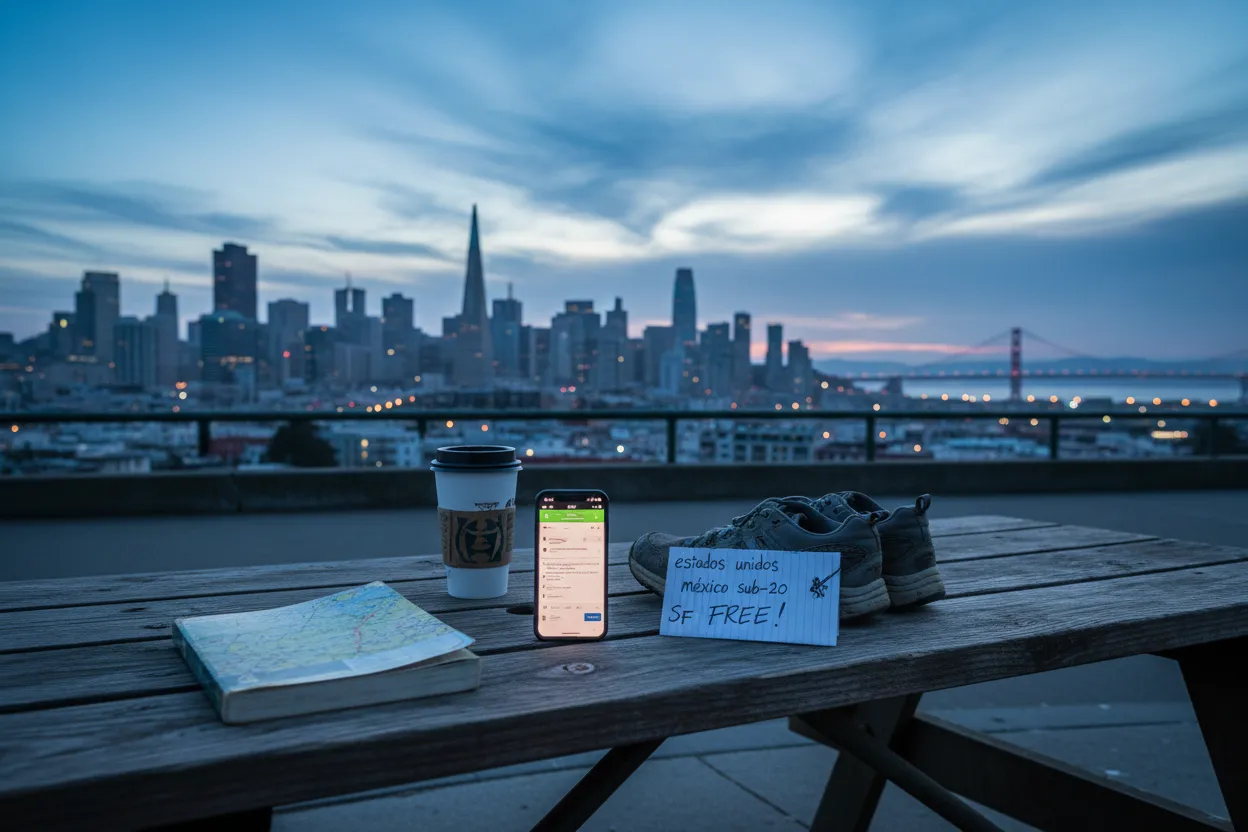
The phrase chicago fire - santos may be why you opened this guide, but it should not decide your day in San Francisco. There is no need to chase a rumor, assume a local appearance, or build plans around something that official sources do not confirm. A better move is to use the current interest as a prompt for a free, public city outing that can survive real San Francisco conditions: transit reroutes, fog, crowd spillover, elevator outages, and last-minute access changes. This guide keeps the plan practical. You will choose one public anchor, verify access through official city pages, use SFMTA tools before leaving, and keep a backup nearby so the day still works if the first idea gets crowded or inconvenient.
Want a quick sanity check before you leave? Text Karpo with your starting point, preferred neighborhood, and mobility needs, and ask for a free San Francisco route with an official-source access check.

Turn current interest into a genuinely free outing
Treat chicago fire - santos as a search hook, not an itinerary. The safe assumption is simple: unless an official venue, city agency, team, league, or event organizer confirms a San Francisco appearance or public program, do not plan around one. That does not make the search useless. It gives you a reason to get outside, compare official access information, and build a low-cost day that does not depend on private access or celebrity proximity.
For a free-things-to-do plan, define “free” narrowly. The core activity should not require a paid ticket. You may still need to account for transportation, food, or optional purchases, but the outing itself should stand on public access. In San Francisco, that means starting with official city resources and transit information rather than social posts, reposted flyers, or outdated travel summaries.
The practical goal for today is a short public route: one main anchor, one walkable add-on, one transit plan, and one backup. Keep the outing compact enough that a reroute, fog bank, or crowded block does not ruin it. If any official page says details can change, act as if they will.
Start with public access rather than a promoted event
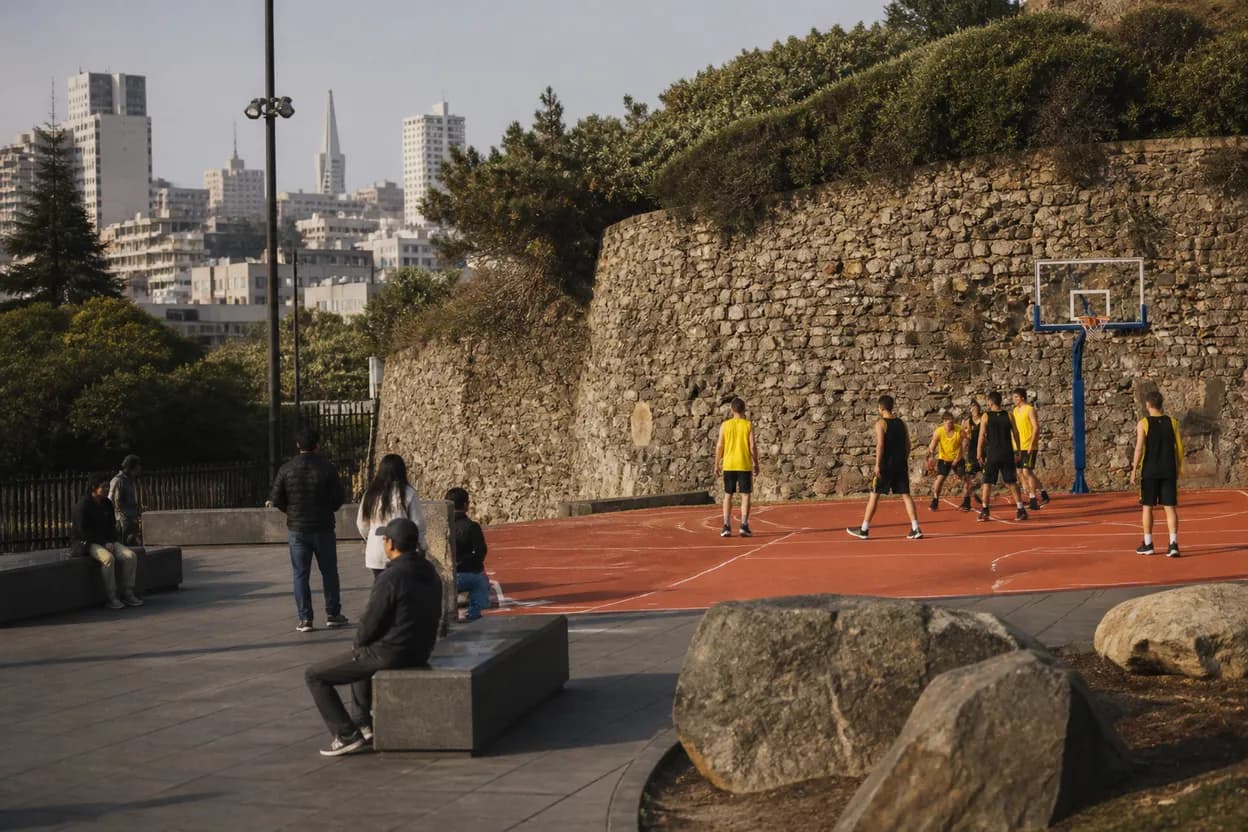
Begin by separating public access from promotion. A promoted event may be free, but it can still require registration, have capacity limits, change entry procedures, or be canceled. A public park, plaza, waterfront walk, civic building exterior, neighborhood stroll, or transit-accessible viewpoint is usually a stronger anchor because the plan does not depend on a single program happening exactly as advertised.
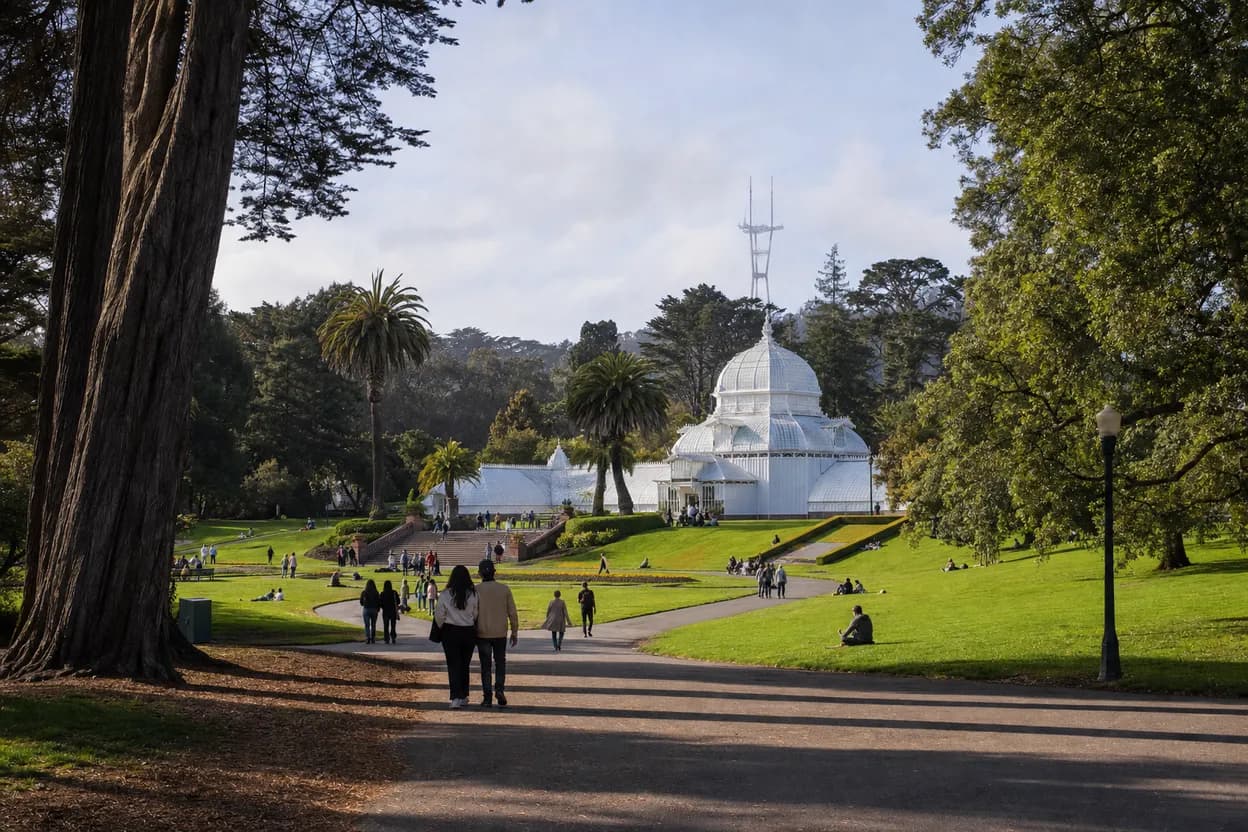
Because the official San Francisco Recreation and Park site should be used for changing details, check it directly before choosing a park or open-space anchor. The available source extract does not confirm specific park hours, amenity status, closures, or reservations, so those details should not be assumed. Look for the official page for the place you want, then verify access, rules, restrooms, trail or field conditions, and any notice that could affect your visit.
Use SFMTA as your second official checkpoint. Its site provides a trip planner with options for Muni, walking, biking, driving, and parking, plus route and stop information, visitor guidance, accessibility information, travel and transit updates, and elevator status. That combination is more useful than a static itinerary because it lets you adapt to the city as it is operating today.

Build a short route around one strong anchor
Choose the anchor first, then build the rest of the day around it. Do not string together five “free” stops across the city and hope transit timing cooperates. A stronger San Francisco plan is one verified public place, a 30- to 60-minute nearby walk or sit-down break, and a clearly identified exit route. If you are traveling with children, older adults, or anyone with limited mobility, make the anchor the easiest part of the trip, not the reward at the end of a long transfer chain.
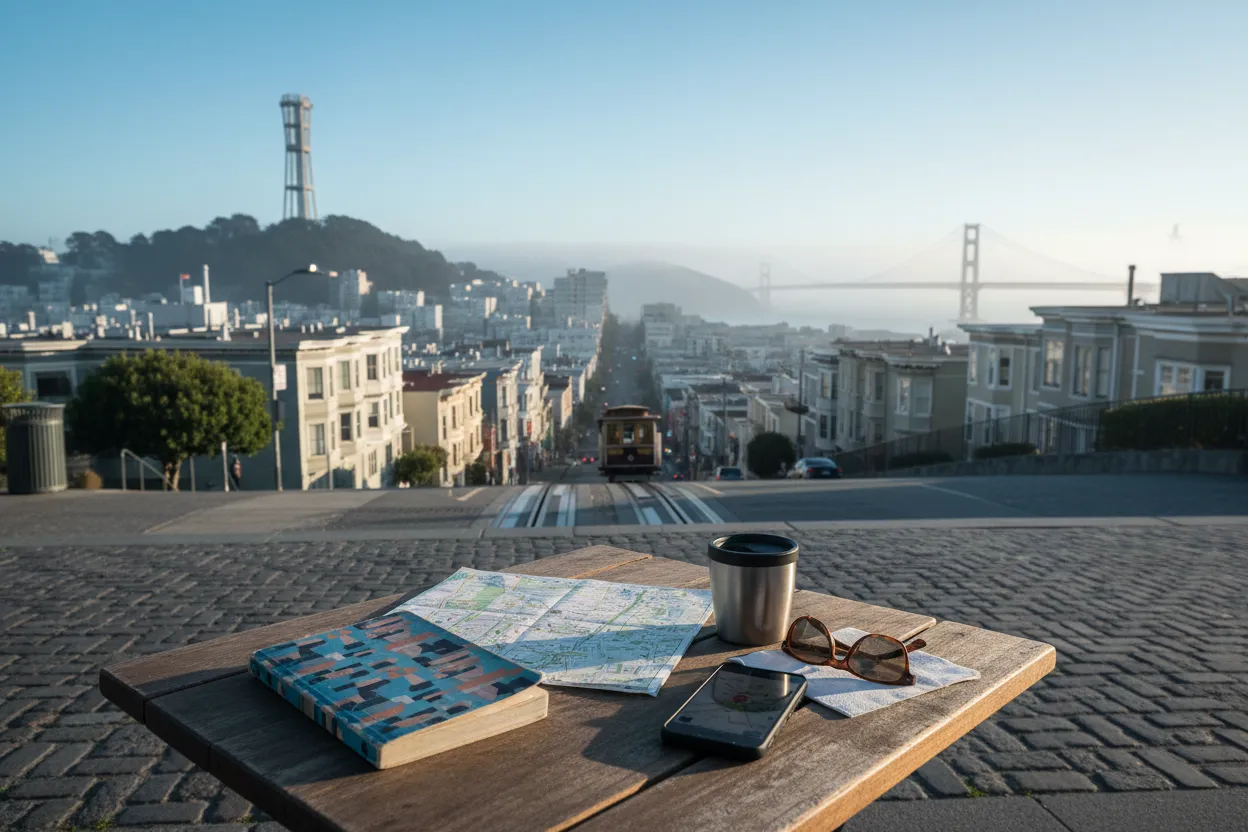
Open the SFMTA trip planner and enter your actual starting location and ending location. Compare Muni with walking, biking, driving, and parking only if those modes make sense for your group. Then check routes and stops, not just the first suggested itinerary. San Francisco blocks can look short on a map while still involving steep grades, exposed wind, or a transfer that is unpleasant when service changes occur.
Keep the add-on flexible. If your anchor is calm, extend the outing with a nearby walk. If it is crowded, shorten the visit and move to the backup. The point is not to complete a checklist; it is to protect a free day from becoming a paid day because you had to escape into a restaurant, rideshare, or ticketed attraction after the original plan failed.
Use weather and crowd pressure as decision points
San Francisco is a city where a free outing can turn on micro-decisions. A windy overlook, a fog-heavy open space, or a packed transit corridor can change the value of a plan quickly. Since the official extracts here do not provide a weather feed, verify current conditions through your preferred weather source before leaving, then use SFMTA for transit reality. If weather looks marginal, pick an anchor with a shorter walk from transit and an easier exit.
Crowd pressure also deserves a check. SFMTA’s homepage highlights travel and transit updates and calendar items, and the extract includes examples such as Outside Lands listed for August 7-9 and Muni service changes starting August 29. Do not rely on those examples as your complete calendar. Use them as a reminder to review the current SFMTA calendar and travel updates for anything that could affect routes, stops, transfers, or neighborhood congestion.
A good rule: if your first route depends on one busy line, one elevator, one narrow entrance, or one event-adjacent corridor, downgrade it from primary plan to optional plan. Free time is still valuable time. The best no-ticket itinerary is the one with enough slack that you can leave, pause, or reroute without feeling trapped.
Know when free still requires registration
Free does not always mean walk-up. Some public programs, museum days, guided activities, neighborhood events, or city-run offerings may require advance registration, have capacity controls, or list special entry instructions. The official-source extracts provided here do not confirm any specific free program for today, so do not assume that a reposted event listing is valid. Go to the official organizer page and look for the current date, access language, and any registration button or notice.
If registration is required, complete it only through the official source or a clearly linked official registration system. Screenshot or save the confirmation if one is issued, and recheck the page before traveling. If the page does not clearly show today’s status, treat the activity as uncertain and keep your public-space backup ready.
This is especially important when a trending phrase is involved. Searches can pull people toward stale pages, speculative posts, or unrelated names. A verification-first plan keeps chicago fire - santos from becoming a reason to waste a day. You are not looking for secret access; you are choosing a public San Francisco outing that holds up under scrutiny.
Recheck access on the day
Do the final check close to departure. Start with the official page for your anchor, especially if it is managed by San Francisco Recreation and Park or another public agency. Confirm any posted closure, rule, registration, restroom, facility, or access notice that matters to your group. If the page is unavailable or slow to load, do not fill the gap with guesses. Pick the backup or choose a simpler public walk with better current information.
Next, check SFMTA for alerts, routes, stops, accessibility, and elevator status. The source extract shows why this matters: it included an alert that the inbound and outbound 14 continued to reroute around Mission and 26th due to SFFD activity. That is not a citywide warning or a permanent condition; it is an example of the kind of live operational issue that can make a perfect-looking plan awkward if you never recheck it.
Your backup should be close enough to reach without starting over. Use the same transit corridor if possible, but avoid relying on the same exact stop or entrance that could be affected by a disruption. If the main anchor is busy, closed, or uncomfortable, switch without debate. A successful free San Francisco day is not the one that follows the original plan at all costs; it is the one that stays public, flexible, and verifiable.
Tags: #SanFrancisco #FreeThingsToDo #SFGuide #SFMTA #PublicAccess #TransitTips #CityPlanning #BudgetTravel #WeekendPlan #CrowdCheck #AccessCheck #AskKarpo #BeforeYouGo #KarpoGuide
Sources consulted: sftravel.com · sfmta.com · sfrecpark.org
All trademarks are the property of their respective owners.
Ask Karpo first
Ask Karpo first if your plan depends on a route, access rule, registration page, or backup choice you have not verified. Send your start point, time window, and must-have needs, and ask for a public San Francisco plan that checks official sources before you go.