The list price on a ticket in this city is close to meaningless. The same seat for the same event can differ by several hundred per cent depending on when you buy it and where, and the people paying the most are almost always the ones who bought first and bought carefully. Understanding how major events and tickets in San Francisco are actually priced is worth more than any promo code.
Prices move by the hour and the cheap seats are rarely the ones the site shows first. Ask Karpo what is on this week and where the value actually is.
The cheapest variable is which night you go
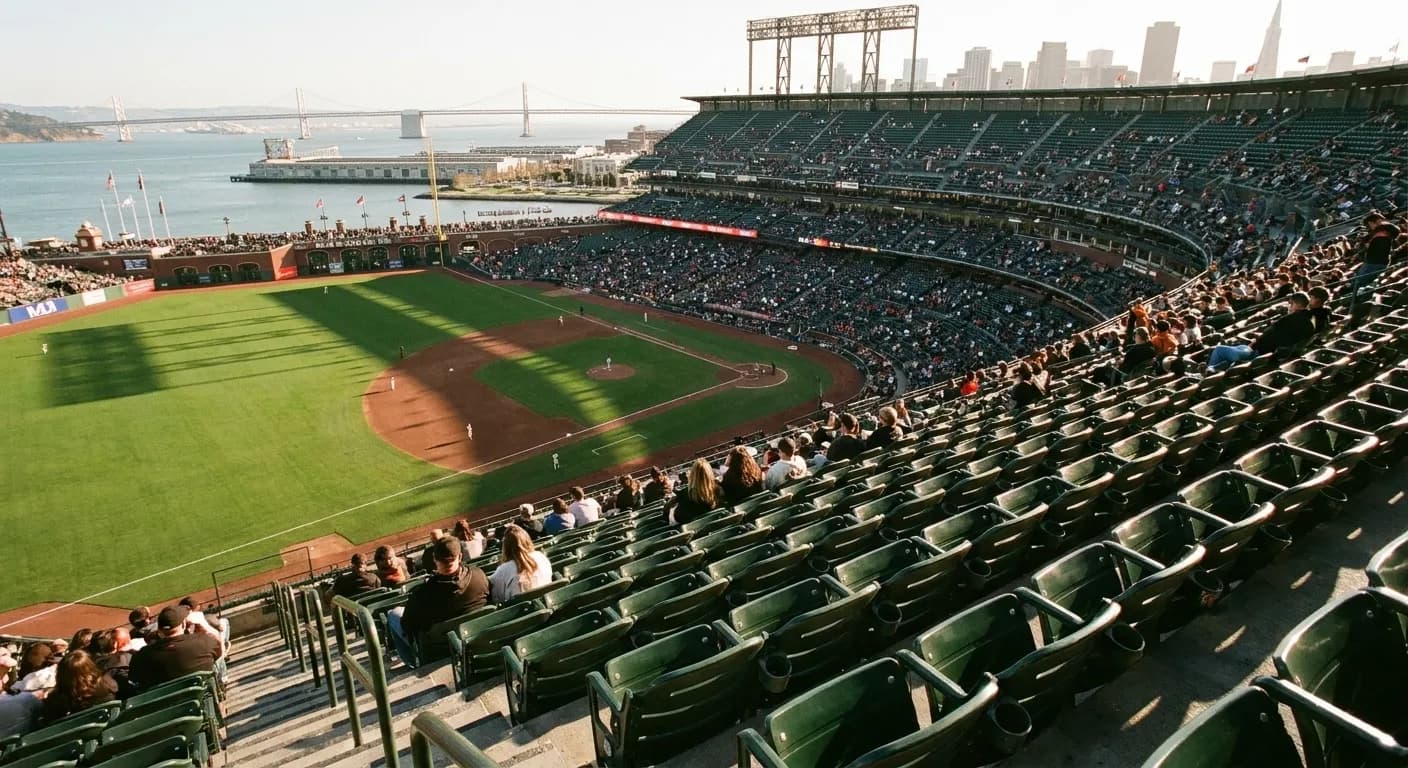
For sport, the day of the week does more work than anything else. A Tuesday home game is reliably the cheapest baseball you will buy at Oracle Park, and early-season games in cold months are cheaper again — the weather that makes a night game at Oracle genuinely unpleasant is precisely what makes the ticket affordable. Bring more layers than you think and you have converted a discomfort into a discount. The equivalent logic holds at Chase Center, where a midweek game against an unglamorous opponent is a completely different market from a weekend marquee fixture.
Golden State Valkyries games at Chase Center are the clearest current example of a genuinely cheap ticket in a major San Francisco venue — upper-bowl seats routinely list at single-digit prices, which for a professional game in a modern arena is close to unmatched in the city.
Know which section is actually the cheap one
Every venue has one section that is systematically underpriced relative to how good it actually is. At Oracle Park the view-level infield sections are the value play: you are a long way up, but you are behind the plate rather than out in the corners, so you can actually read the game, and you get the bay view that people in the expensive seats paid for and cannot see. The general rule at any venue is that height is cheap and angle is expensive, and height costs you far less enjoyment than a bad angle does.
When to buy, which depends on what it is
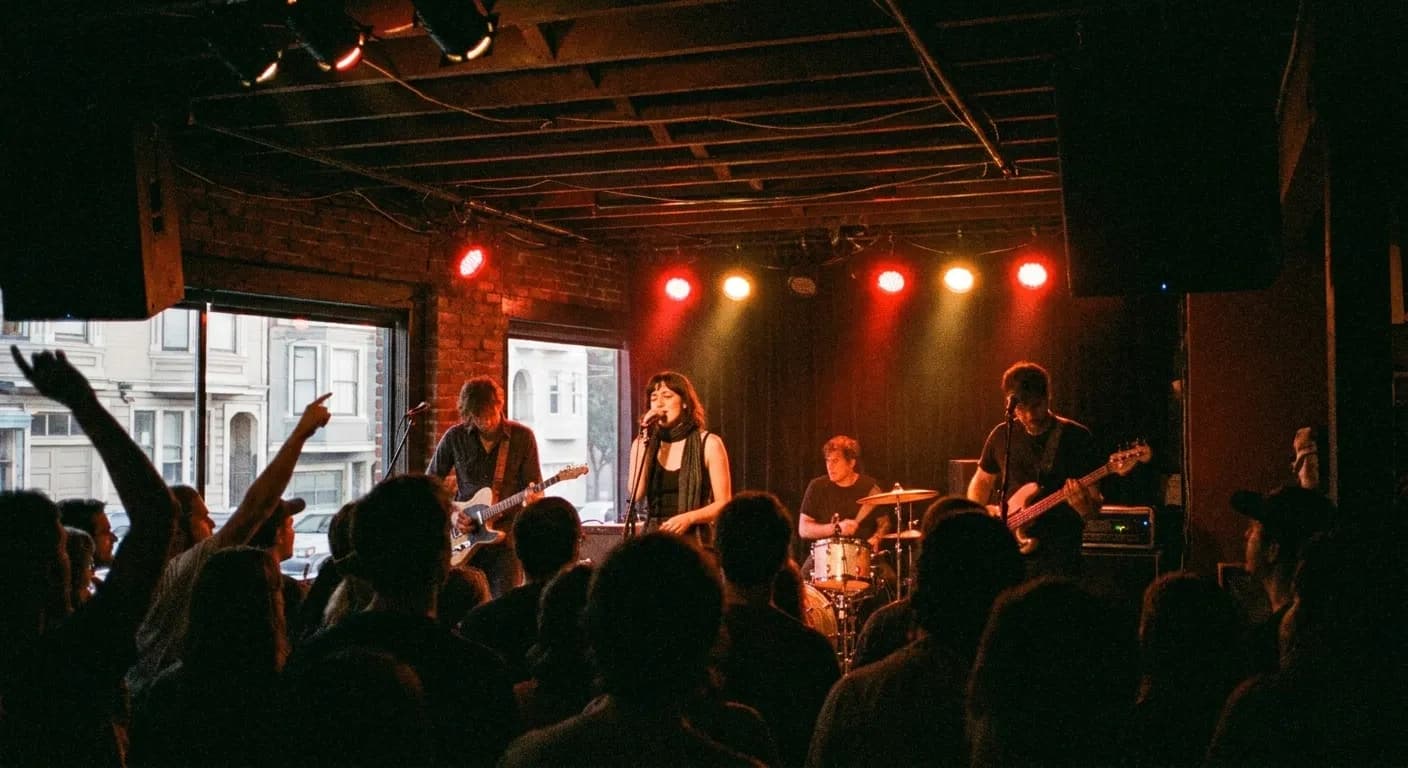
These are two opposite strategies and people constantly apply the wrong one. For a sell-out — a major touring act, a playoff game — buy early, because supply only shrinks and resale prices rise into the event. For everything else, which is most events, wait. Resale inventory for a non-sell-out gets marked down steadily in the last forty-eight hours and can collapse in the final two, because a listed ticket that goes unsold is worth exactly nothing to the seller. The uncomfortable version of this strategy is buying while already standing outside the venue, and it works more often than it should.
The fees, which are most of the difference
Compare final checkout prices rather than listed prices, always. Service fees vary enormously between platforms for the identical seat, and the platform that shows the lowest number on the search page is frequently not the cheapest at checkout — some show all-in pricing and some add thirty per cent at the last step. Buying directly from the venue box office, where one exists, avoids a layer of this entirely, and small venues in particular often sell at the door with no fee at all.
Where the genuine discounts live
A few structural discounts are worth knowing because they are large and permanent rather than promotional. Student and under-thirty schemes exist at most of the city's major performing arts institutions and typically cut the price by half or more; they are advertised badly and used lightly. Day-of rush tickets are standard practice at theatres and orchestras, released a couple of hours before curtain at a fraction of face value, and the seats are frequently excellent because they are unsold premium inventory rather than the worst in the house.
For sport, the equivalent is the multi-game or partial season pack, which sounds like a commitment and often works out cheaper per seat than two individual tickets. And standing-room, where it exists, is the most reliably underpriced product in any venue — you are in the building, usually with a better sightline than the cheapest seats, for considerably less.
The alternative nobody costs out
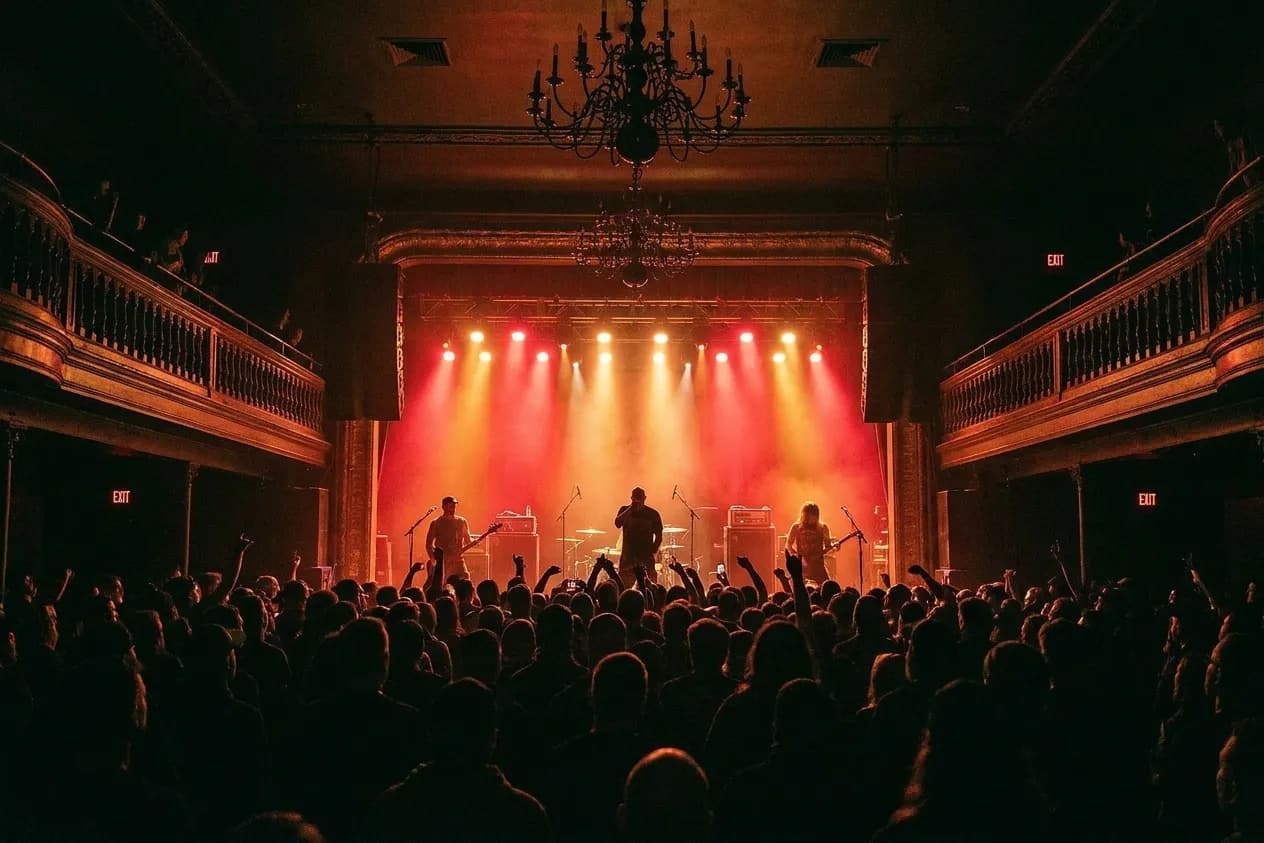
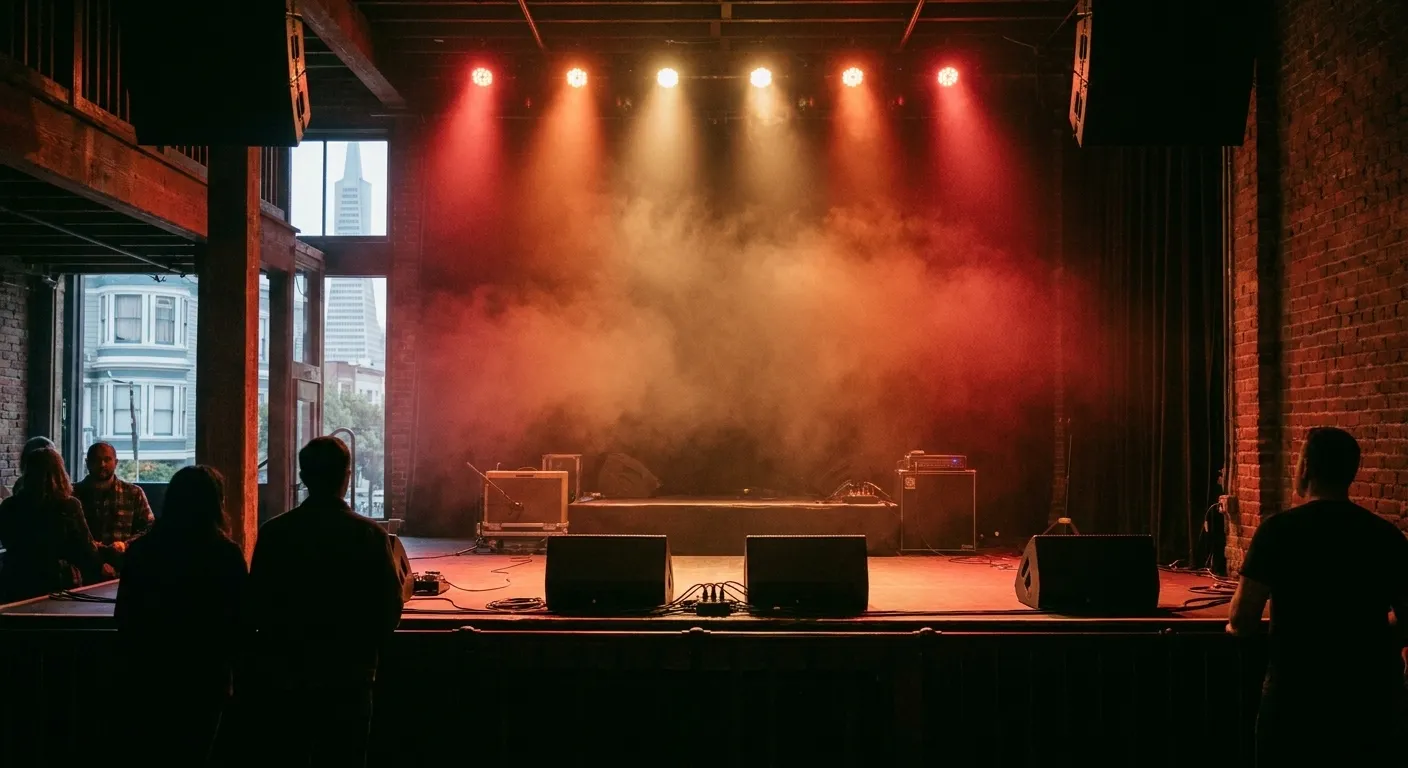
The highest-value move in San Francisco is frequently not to buy a cheap ticket to a big event but a full-price ticket to a small one. A show at a two-hundred-capacity room costs less than the fees on an arena ticket, and you are fifteen feet from the stage rather than two hundred. The city also runs a genuinely large free programme — the Golden Gate Park bandshell alone hosts a long season of free concerts — which competes directly with the paid market and which most people never check before buying. Look at what is free that week before you look at what is discounted; the answer changes surprisingly often.
A final note on resale in the other direction. If you end up with a ticket you cannot use, list it early rather than late — the same dynamic that gets you a bargain in the last two hours works against you as a seller. And be careful buying transferable mobile tickets from individuals outside a proper platform, particularly for high-demand shows, where duplicated screenshots are a recurring problem. The saving is rarely worth the risk of standing outside a sold-out venue holding a barcode that has already been scanned by somebody else.
Tags: #SanFrancisco #SFEvents #CheapTickets #OraclePark #ChaseCenter #SFGiants #Valkyries #LiveMusic #SFConcerts #BayArea #BudgetSF #SportsSF #TicketTips #ThingsToDoSF #SFGuide
All trademarks are the property of their respective owners.
Ask Karpo first
Ask Karpo what is on in San Francisco this week, which seats are genuinely the value at each venue, and whether there is a free or small-venue alternative on the same night.