Cheap salad in New York is a phrase that hides an enormous range. Twelve dollars at a chopped-salad chain buys a base and two toppings and leaves you hungry by three. Twelve dollars at a Greek diner buys a platter with feta, olives, bread and enough oil to make it a meal. Twelve dollars at a deli salad bar buys whatever the scale says it buys, which is the part that catches everybody out. The category is genuinely good value if you understand which format you are in, and it is one of the few areas of New York eating where the cheapest option is frequently the most satisfying one.
Karpo can find filling salads under twelve dollars near you, flag which are priced by weight, and tell you what the plate actually contains.
The by-the-pound trap
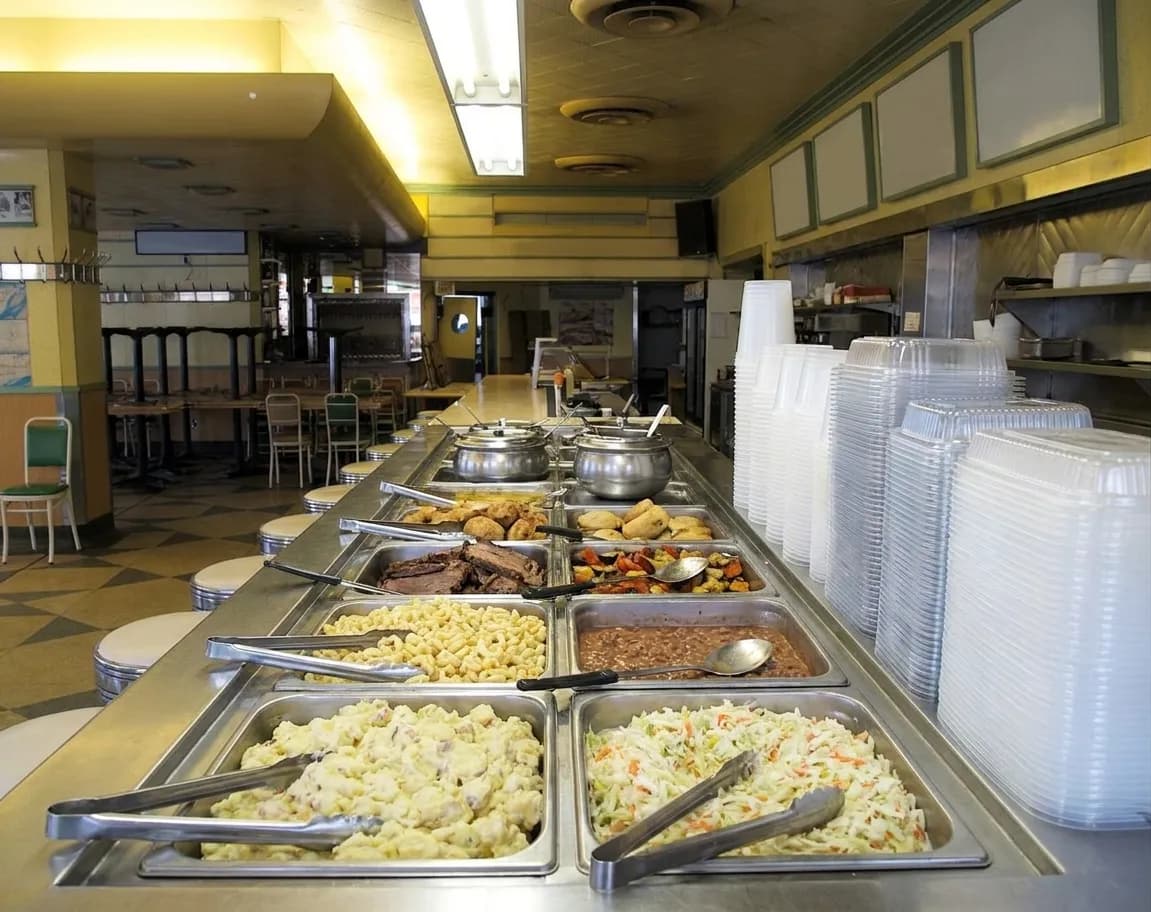
Deli salad bars price by weight, and the weight includes the container and everything in it. That is why a bowl that looks like a modest lunch rings up at eighteen dollars: the heaviest things on any salad bar are the ones people load up on — pasta salads, roasted vegetables, anything in a dressing, and above all the wet items sitting in liquid.
The technique is straightforward once you know it. Load greens first, add dense protein in a measured amount, and take dressed or oily items sparingly. Drain anything wet against the side of the bin before it goes in the container. Done deliberately, a deli salad bar produces a genuinely large lunch for under twelve dollars; done carelessly it produces a small one for twenty.
Greek diners and the platter format
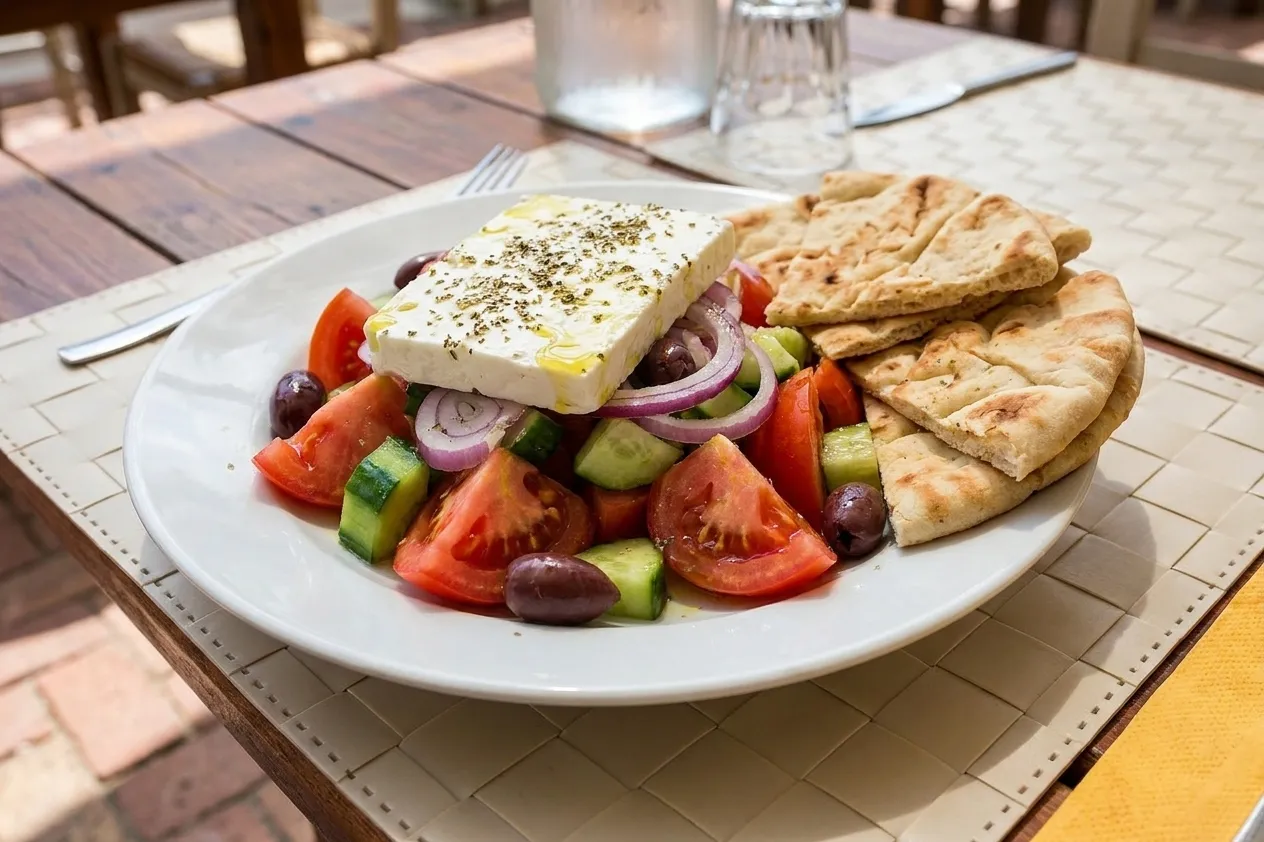
The best-value salad in New York is arguably the Greek salad at a diner or coffee shop: tomato, cucumber, onion, peppers, olives and a substantial slab of feta, dressed in oil and oregano, served with bread or pita. It is a complete meal, it is usually in the ten-to-fifteen range, and it has not changed in decades.
The reason it works where a leaf-based salad does not is fat and salt. Feta and olive oil make it filling in a way that a chicken breast on greens is not, and the bread turns it into lunch rather than a side. Order it with a side of pita, which most places will give you for a dollar or two if it does not already come.
Halal carts and Middle Eastern platters
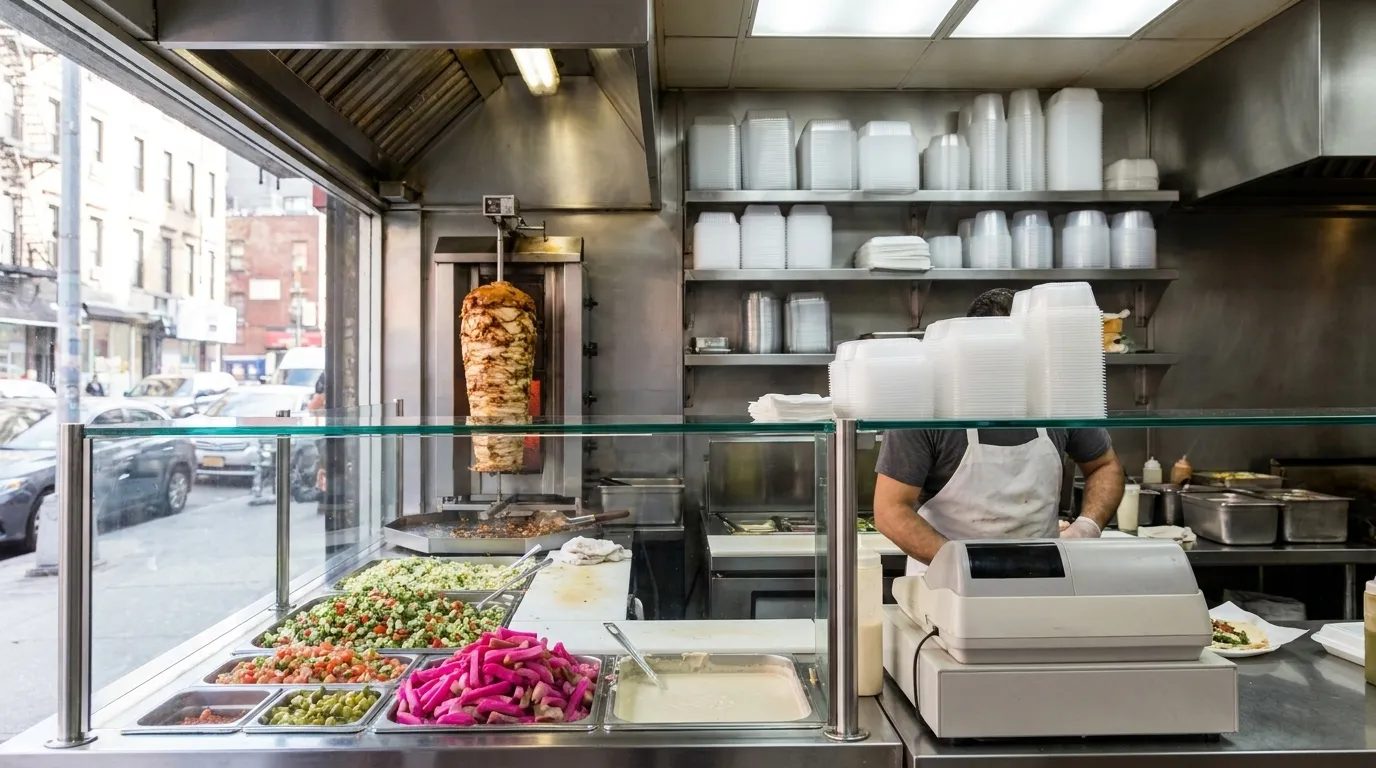
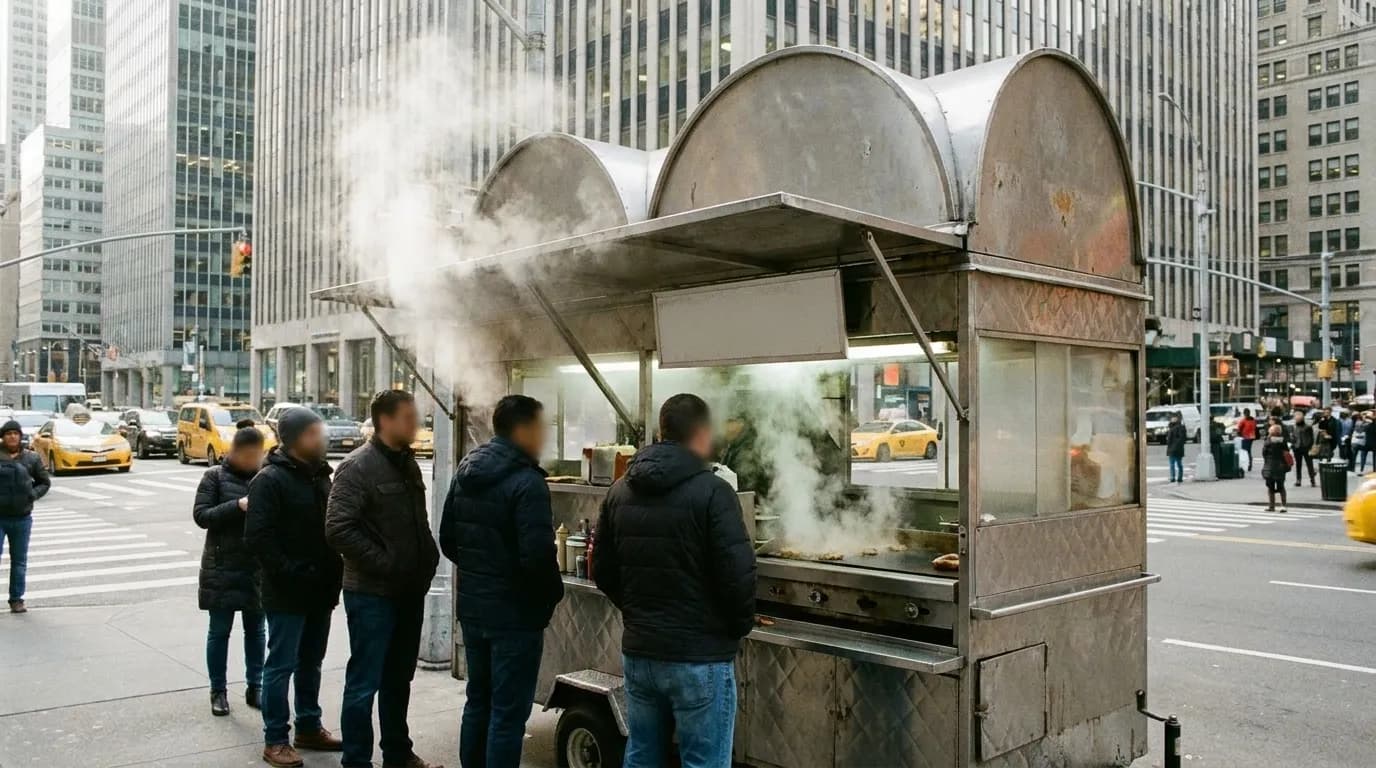
The salad section of a halal cart platter is usually an afterthought, but the wider category — Middle Eastern and Levantine takeaway across the city — produces some of the best-value vegetable-heavy meals available. Fattoush, tabbouleh, a mezze plate with hummus and salad, or a platter with salad, rice and grilled meat all land at or below the price of a chain chopped salad.
Bay Ridge, Astoria, Jackson Heights and the Middle Eastern counters scattered through Manhattan all do this well and cheaply. The portions are built for people who intend to be full afterwards, which is a different design brief from the office salad counter.
Timing at a deli salad bar matters as much as technique. The bins are filled in the morning and topped up around the lunch rush, so the eleven-o'clock and one-o'clock windows have the freshest stock. By four in the afternoon the trays have been picked over and sitting under lights for hours, and the same money buys a noticeably worse lunch.
Chinatown, Koreatown and the cold-plate tradition
The cheapest genuinely vegetable-forward lunches in Manhattan are frequently in Chinatown and Koreatown, in formats that nobody files under salad. Cold sesame vegetable plates, smashed cucumber, seaweed salads, and the banchan that arrives free with a Korean lunch are all inexpensive, generous and made fresh.
The Korean prepared-food counters are particularly good value: a container of assorted banchan bought by weight is one of the best-value vegetable purchases in the city and keeps for several days. It is not a salad in the office sense. It is what the question was actually asking for.
What makes a cheap salad filling
Three components, and cheap salads usually lack at least two of them. A real protein portion, meaning something you would recognise as a serving rather than a garnish. A fat source — cheese, oil, nuts, avocado, tahini. And a starch, whether bread, a grain, beans or potato.
A leaf-and-vegetable salad with a light vinaigrette is a side dish at any price. When comparing two cheap options, count those three components rather than looking at the size of the container, and the choice usually becomes obvious. This is also why the diner platter and the mezze plate beat a fifteen-dollar chain bowl on both value and satisfaction.
Where to look, practically
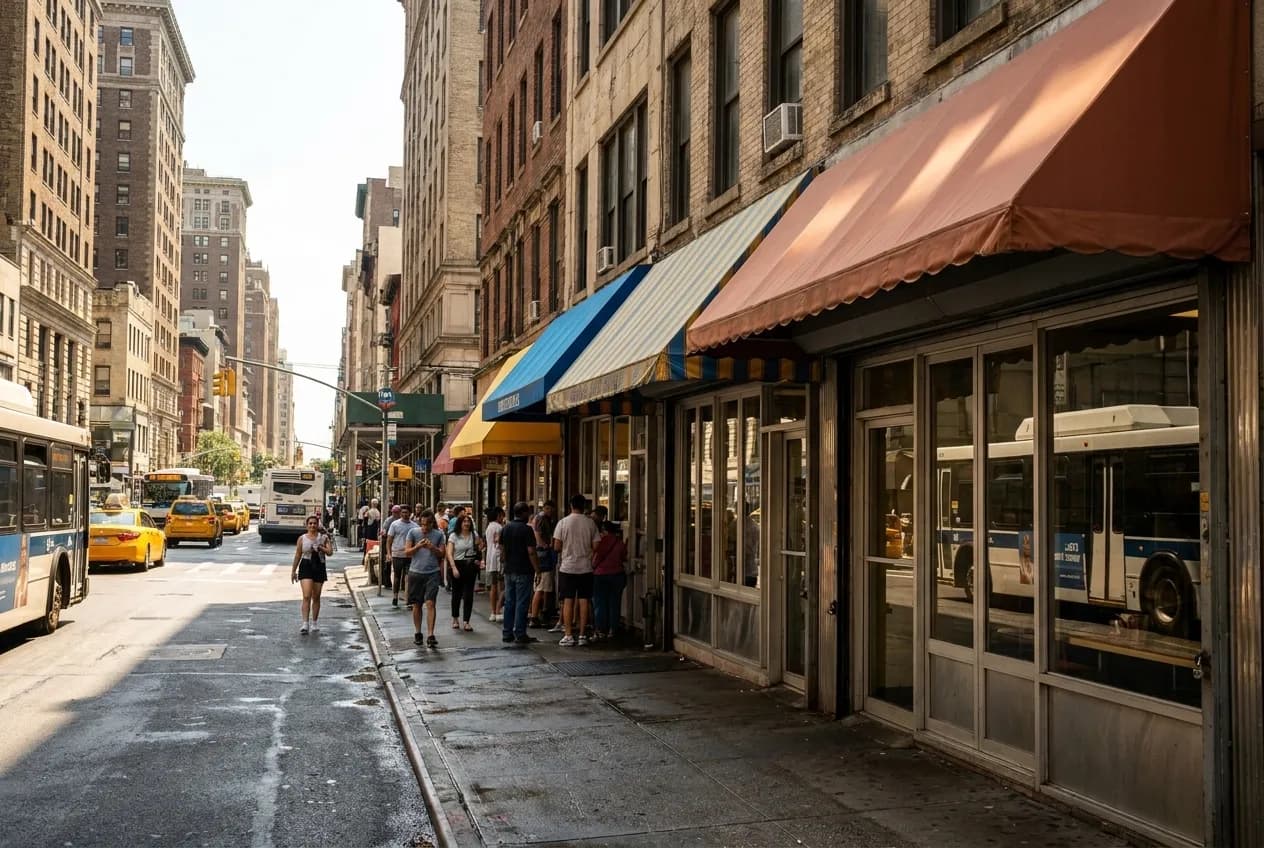
Away from the office districts. Salad pricing in Midtown and the Financial District is set by a captive lunchtime market, and the same lunch is meaningfully cheaper a few subway stops out. If you are already in one of those districts, the delis and diners are better value than the salad chains directly.
And look for places where the salad is a normal menu item rather than the entire concept. A restaurant that sells a large, generous salad as one of thirty dishes has no incentive to make it small; a business built entirely on salads has every incentive to price the components separately. That asymmetry is the whole reason the diner Greek salad has outlasted a decade of salad concepts.
The last thing worth saying is that the cheapest good salads in this city are almost never marketed as salads. They are the vegetable dishes of cuisines where vegetables have always been central — Levantine, Chinese, Korean, Greek, Indian — and they are cheaper, more interesting and more filling than the format that carries the name. Searching for the dish rather than the category is the whole trick.
Tags: #CheapEatsNYC #SaladNearMe #NYCLunch #GreekSalad #DeliSaladBar #NewYorkFood #BudgetNYC #Chinatown #BayRidge #Astoria #NYCEats #HiddenGems #FoodGuide #LunchBreak
Please drink responsibly. Must be of legal drinking age.
All trademarks are the property of their respective owners.
Ask Karpo first
Want to know which cheap salads near you are actually a meal, which are priced by weight, and what the plate includes? Ask Karpo before you fill a container.