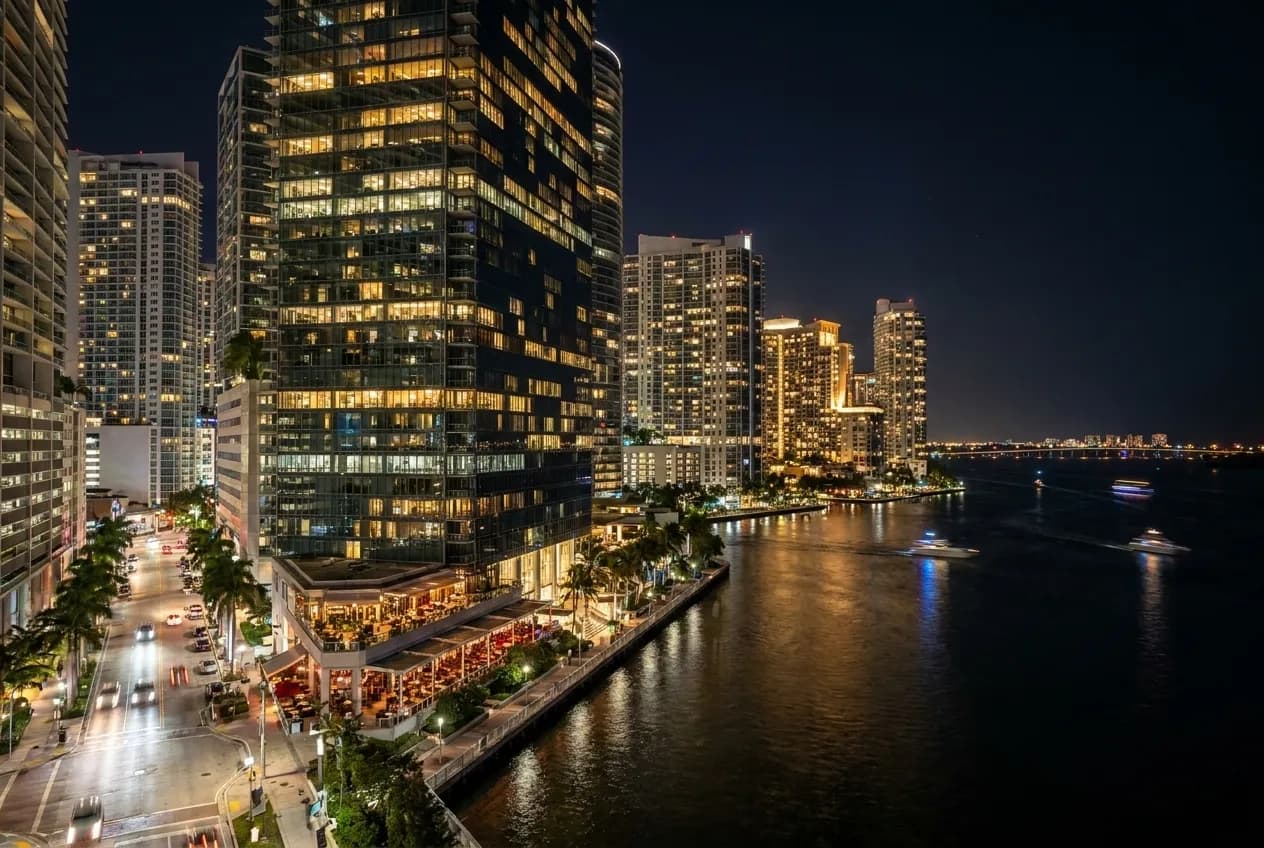
Miami's best-known pizza is expensive — small wood-fired pies in neighbourhoods with valet parking, priced accordingly. That is a real scene and it is genuinely good, but it is not where most of the city eats pizza. The cheap layer sits in strip malls, in takeaway windows next to laundromats, and along the suburban boulevards west of the airport, and it is almost entirely invisible to anyone searching from a hotel on the Beach.
The cheapest good pizza in this city is in the neighbourhoods nobody photographs. Ask Karpo which counter near you is worth the drive.
The format to look for
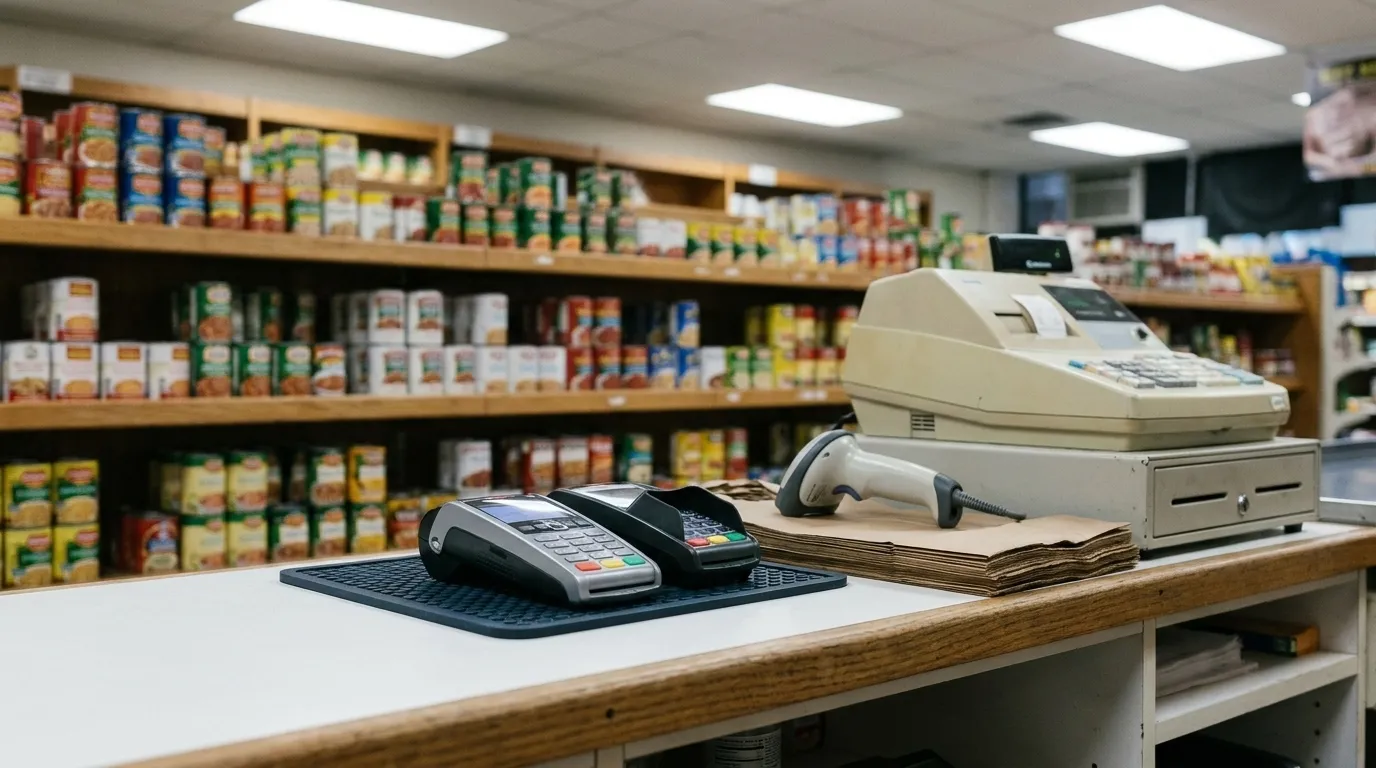
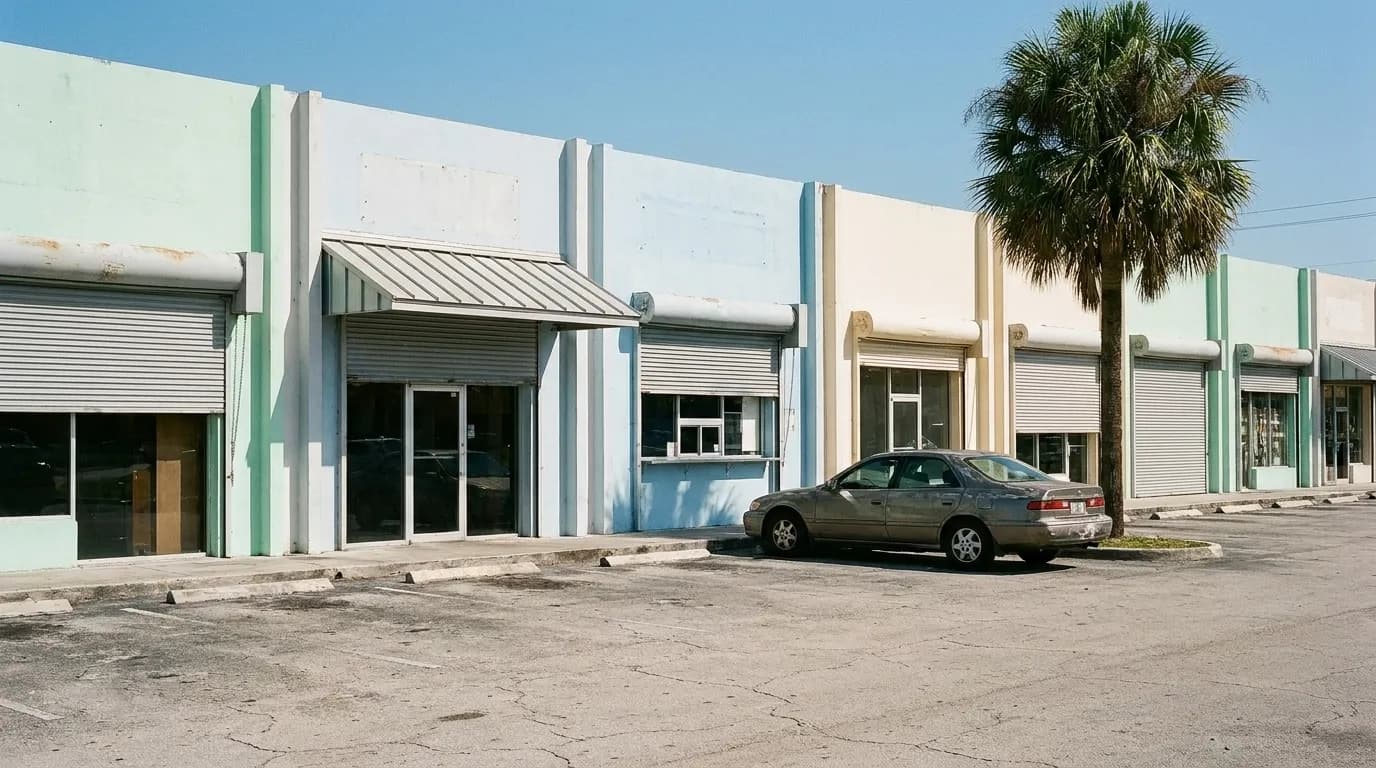
Cheap pizza in Miami is a takeaway business with a few tables rather than a restaurant. The signals are consistent: a counter with a warming display, a gas deck oven visible behind it, a menu board with pizza alongside subs and wings, and a parking lot rather than a pavement. Frequently there is a walk-up window. Almost always it is in a single-storey strip of units shared with a barbershop and a pharmacy.
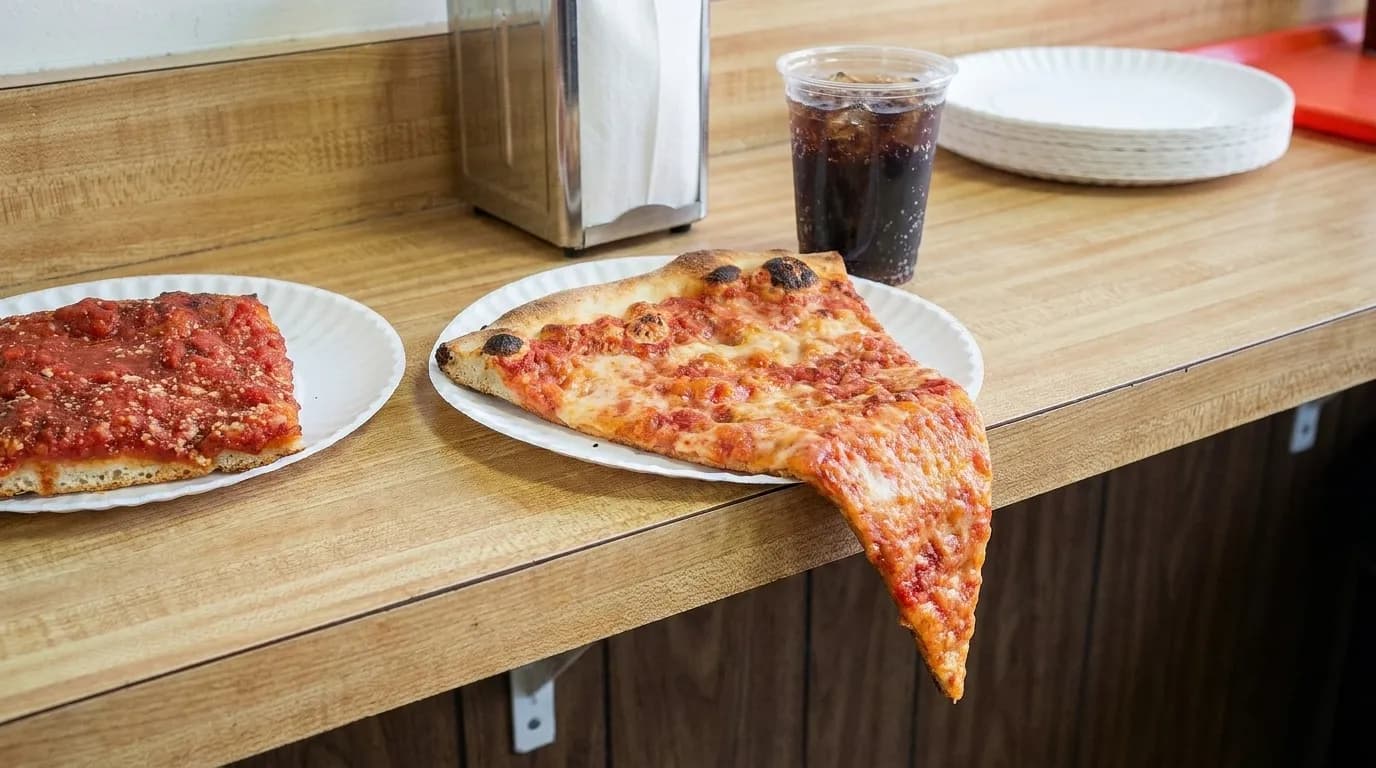
This is a New York-derived format rather than a Neapolitan one — wide, foldable slices from a deck oven, sold by the slice and by the pie, built for reheating. That lineage is not an accident. Miami's cheap pizza was largely established by people who moved south from the north-east, and the style came with them, which is why a slice in Hialeah tastes more like a slice in Queens than like anything in Naples.
Where the value is
Hialeah, Westchester, Kendall and the stretch of Southwest Eighth Street running west from Little Havana have the highest concentration of cheap, competent pizza in the county. These are dense residential areas with families buying dinner on a Tuesday, which is the customer base that keeps a price honest. North Miami, Little Haiti and the corridors along Biscayne Boulevard north of the Design District have the same economics.
The Beach is the opposite. Ocean Drive and the blocks immediately around it carry the highest pizza prices in the county for the lowest median quality, because the customer is a tourist who will not be back. Walking three or four streets inland or north into the residential forties changes both numbers substantially.
Judging it in ten seconds
At a counter with a display case, look at how many slices are left and how many people are in front of you. A shop selling steadily is baking pies through the evening and the slice you get was made recently; a full case at seven-thirty means nothing has moved. Ask for your slice reheated — every shop expects the request and it takes ninety seconds — and ask for it well done if you like a firmer base.
Then look at the underside. Even browning with some dark spotting means a properly heated deck. Pale and floppy means the oven is running cool or the pie was pulled early to sell faster. Cheese should be browned in patches rather than a uniform orange sheet, and a small pool of oil is normal while a slick is not.
The whole-pie economics
The cheapest way to eat pizza in Miami by a wide margin is to buy a whole pie rather than slices, and the gap is larger here than in cities with a stronger slice culture because the slice is priced as a convenience item. For two or more people, a large pie plus a soda is routinely less than half what the equivalent number of slices would cost, and it arrives fresh from the oven rather than reheated.
Most cheap counters also run a weekday special — two pies, or a pie with wings and a drink — that is not advertised anywhere online. Asking at the counter is the entire technique. These offers are how the shops fill their quiet evenings and they are almost never on a delivery platform, which is the other reason to collect rather than order in.
One more habit worth adopting: order ahead by phone and collect. The cheap counters are takeaway businesses first and they will have a pie boxed and waiting fifteen minutes after you call, which removes the entire wait. It also gets you the shop's real menu rather than the platform's, which is usually shorter and always more expensive. In a county where almost everyone is driving anyway, this is the difference between a twenty-minute errand and an hour of waiting at home.
Delivery, and why it is the wrong choice here
Miami is a driving city with long distances between neighbourhoods, which makes it a bad delivery city for pizza specifically. A pie that spends twenty-five minutes in a hot bag in a humid climate arrives soft, and the fees and menu mark-ups on the platforms erase the price advantage that made cheap pizza worth buying in the first place. Collection is faster than the delivery estimate almost everywhere in the county.
If you are ordering in, order from the closest competent shop rather than the best one, and order thicker rather than thinner — a Sicilian or a pan pie survives the journey considerably better than a thin round.
Practical notes
Many cheap counters close between lunch and dinner, roughly three to five, and several are closed Monday. Cash is still useful; card minimums are common at the smallest windows. Ask about the unadvertised weekday specials, which are usually printed on a card at the register rather than anywhere online. Parking is free almost everywhere these shops exist, which is part of the point. And if you are eating on the Beach and want cheap pizza, the honest answer is to drive over a causeway — the price difference for the same product is large enough to be worth twenty minutes.
Tags: #Miami #MiamiFood #CheapEats #Pizza #PizzaNearMe #Hialeah #Kendall #Westchester #LittleHavana #NorthMiami #BudgetMiami #MiamiEats #FoodNearMe #SliceShop
All trademarks are the property of their respective owners.
Ask Karpo first
Want to know which cheap counters near you are open, which have a weekday special running, and whether it is faster to collect than to wait for delivery? Ask Karpo before you order.