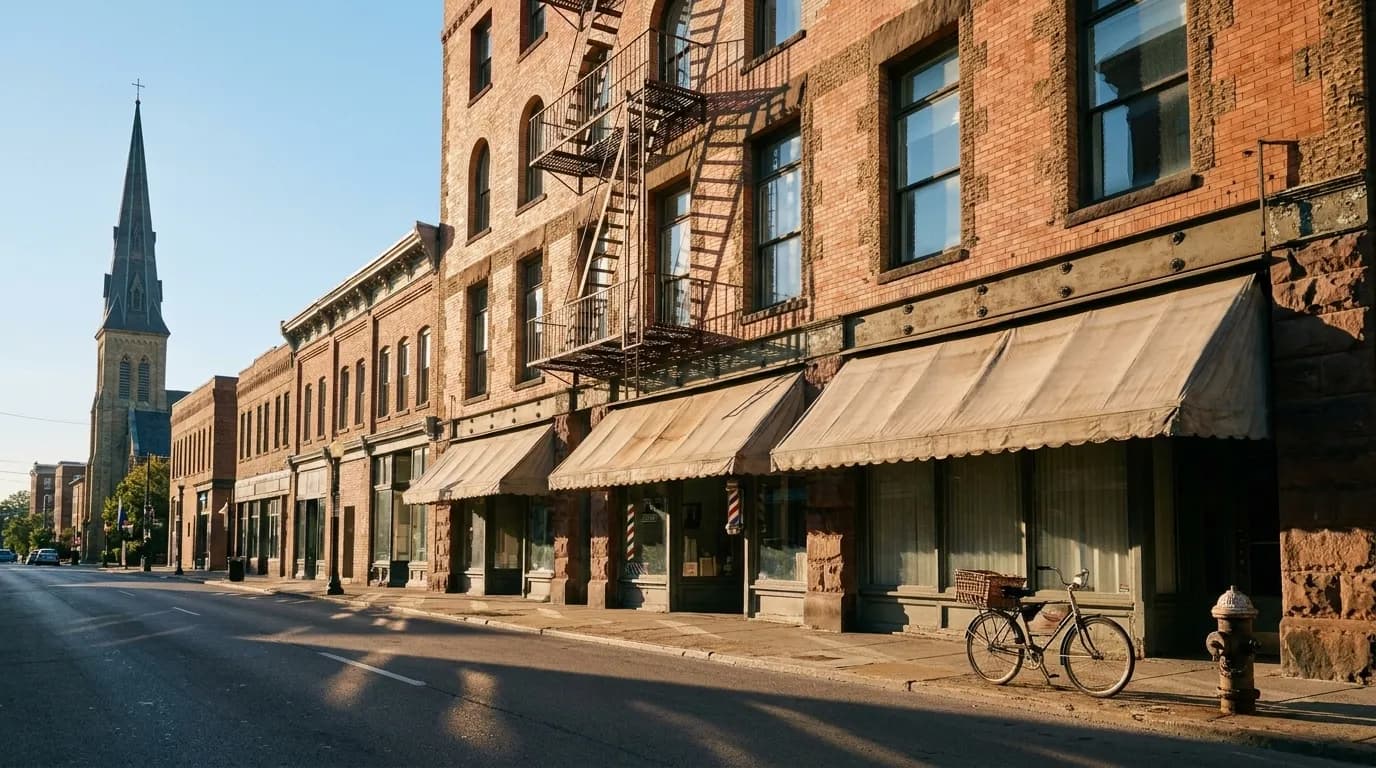
New York's reputation for eating at any hour is only half earned. The city genuinely does not sleep, but the parts of it that stay awake and cheap have shifted a lot over the past decade, and if your mental map was drawn before that shift you will spend a lot of late evenings walking past shuttered gates. The good news is that the pattern is learnable and largely geographic. Certain neighbourhoods feed people all night because the people who live and work in them are up all night, and in those places eight or ten dollars still buys a real meal at eleven thirty.
Late-night hours are the least reliable thing on the internet. Tell Karpo in iMessage which station you are near and how much you want to spend, and it will find something still serving.
Follow the Shift Workers
The single most useful rule is that cheap late food follows employment, not nightlife. Areas around hospitals, transit depots, wholesale markets and airports keep kitchens running because there is a steady population coming off shift at eleven and again at three, and those customers are not paying nightlife prices. Nightlife districts, by contrast, are full of places open late that cost twice as much for worse food, because their customers have been drinking and are not comparing. If you have a choice, walk ten minutes away from the bars rather than towards them. The food gets better and the bill roughly halves.
The Neighbourhoods That Deliver After Ten
A few areas do this consistently. Koreatown in Midtown is the most reliable stretch in Manhattan — a dense block of kitchens genuinely serving past midnight, with stews and rice dishes that land well under twenty dollars. Chinatown and the streets running east keep noodle shops and rice-roll counters going late, and prices there have moved less than anywhere else in the borough. In Queens, the stretch of Roosevelt Avenue through Jackson Heights and Elmhurst is arguably the best late-night eating in the city at any price, with taquerias, Tibetan momo counters, Colombian bakeries and Thai kitchens operating on a schedule set by the 7 train. Sunset Park in Brooklyn does the same for Chinese and Mexican food. And scattered across every borough are the halal carts, which are the true backbone of eating cheaply at night in this city.
What Cheap Actually Costs Now
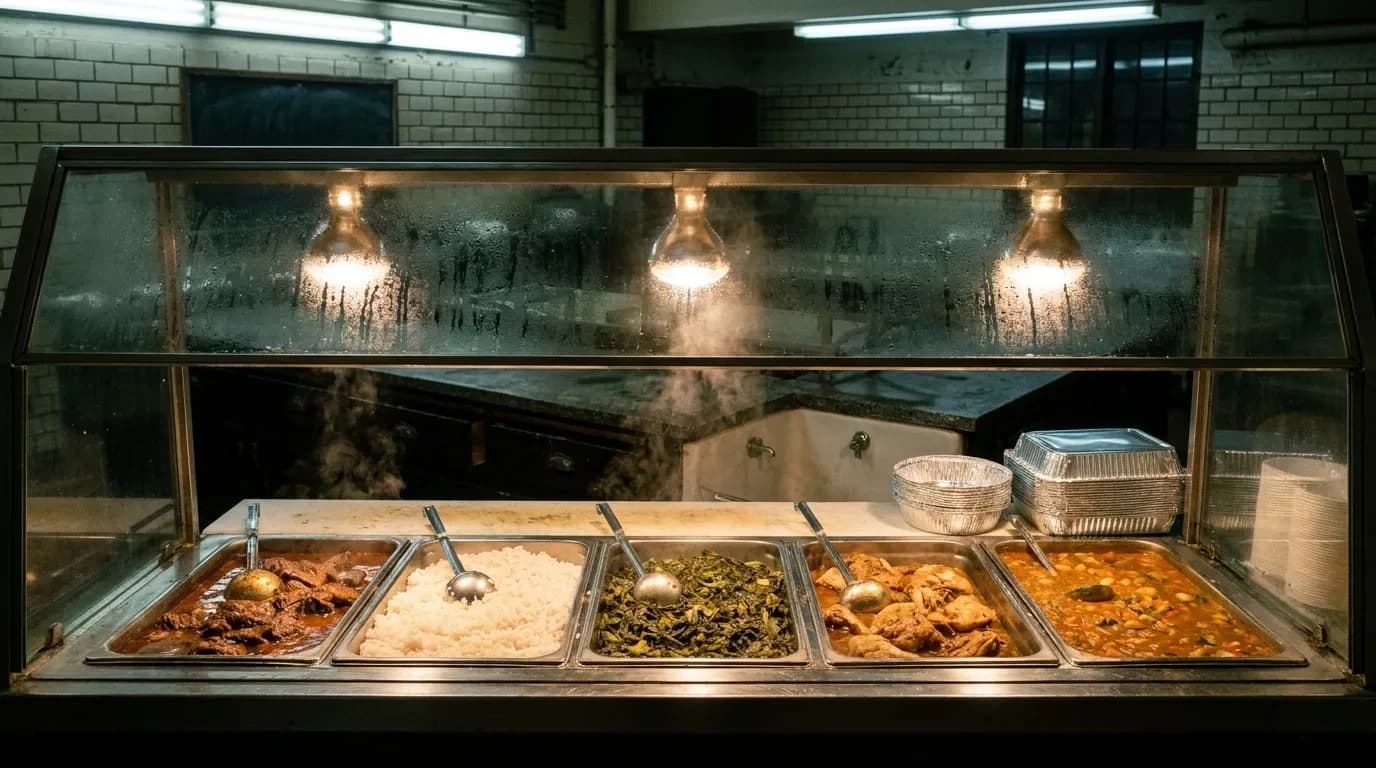
It is worth being honest about numbers, because the phrase cheap eats has been stretched past usefulness. Under ten dollars still gets you a full plate at a halal cart, two or three tacos, a rice roll and a soy milk, a slice and a drink, or a bowl of noodles at certain counters. Between ten and fifteen you can eat properly almost anywhere on the Roosevelt Avenue corridor or in Sunset Park. Between fifteen and twenty gets you into the Koreatown stews and most late-night Thai. Above twenty-five, at eleven at night, you are usually paying a premium for the hour rather than the food. Knowing those tiers means you can decide what you want before you start walking, which is the difference between eating well and eating whatever was open.
The Formats That Stay Open and Stay Cheap
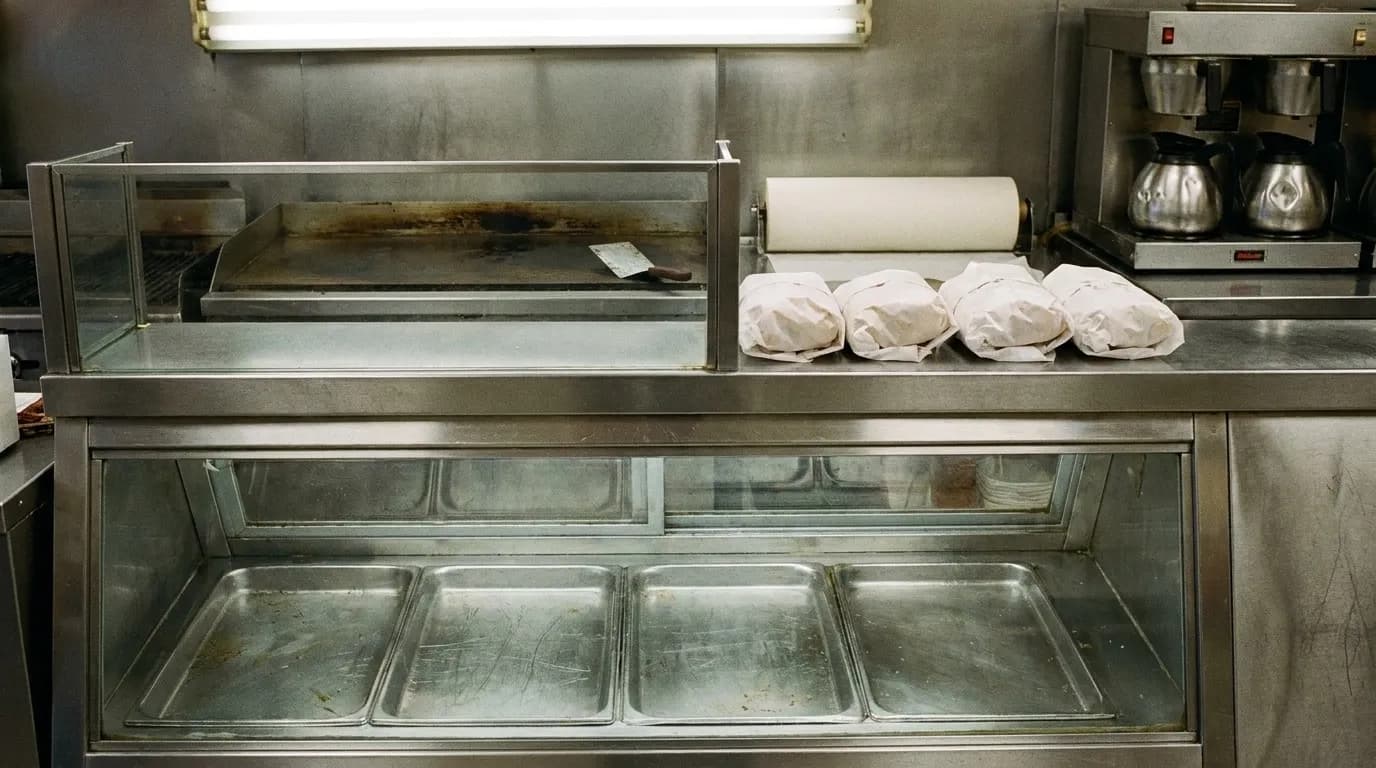
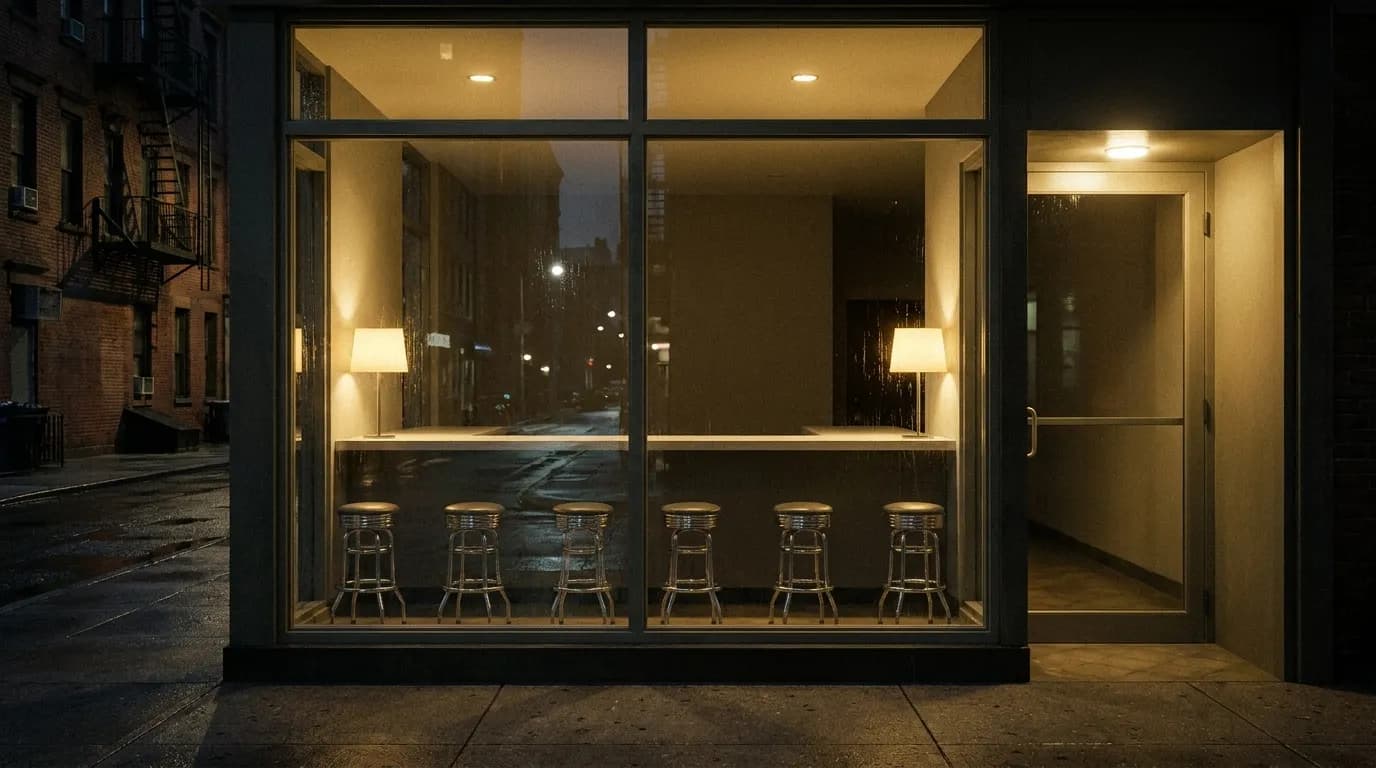
Beyond geography there is a shape to the businesses that survive at this hour. Counters with no table service have almost no labour cost after ten, which is why the rice-roll windows, the dumpling counters and the taquerias with three stools can keep the lights on for a handful of customers an hour. Carts have the same economics and better mobility, which is why they cluster near hospital entrances and the exits of late-closing office buildings. Bakeries running an overnight shift will often sell you what they are baking, and a hot pastry and a coffee at one in the morning from a place that has been up since eleven is one of the more reliable pleasures available in this city. The formats to be sceptical of are full-service dining rooms advertising a late kitchen; they are paying servers to stand around and they will price accordingly, or quietly stop taking orders long before the posted time.
Checking Hours Without Getting Burned
Posted hours online are wrong often enough at this time of night that they should be treated as a hint. Three checks are worth more. First, look at whether the listing distinguishes kitchen hours from closing time — many places stop cooking an hour before they lock the door. Second, prefer businesses whose whole model is late: a place that opens at eleven in the morning and closes at four is running an all-day operation and will be there; a place that opens at five and closes at midnight is a dinner restaurant that may cut its night short on a quiet Tuesday. Third, call. In these neighbourhoods somebody answers, and the answer is definitive. If you are relying on a map app after midnight without calling, expect to be wrong about one place in three.
Getting Home Is Part of the Plan
The thing people forget is that late-night subway service changes what a good decision looks like. Trains run all night but headways stretch, some lines run local, and planned overnight work can reroute a line entirely without much warning. A meal that is a twelve minute ride away at nine can be a fifty minute journey at one. Check your line before you commit to crossing a borough for a specific bowl of noodles, and when in doubt eat near a station on a line you know is running. The best late meal in the city is not worth an hour on a platform, and there is almost always something excellent within a few blocks of wherever you already are.
Tags: #NYC #FoodOpenNearMe #LateNightNYC #CheapEats #NewYorkCity #Manhattan #Queens #Brooklyn #Chinatown #KoreatownNYC #JacksonHeights #SunsetPark #NYCFood
Sources consulted: nycgo.com · mta.info · nyc.gov · ny.eater.com
All trademarks are the property of their respective owners.
Ask Karpo first
What is still cooking at eleven changes by the night and by the block. Ask Karpo in iMessage where you are and what you feel like, and it will find something open and cheap nearby.