The story of the last few years is that live music got expensive, and for arena shows that is straightforwardly true. What did not change is the layer underneath: a few hundred small rooms across Brooklyn, Manhattan and Queens where a ticket costs less than dinner, plus an entire classical and jazz economy built on rush seats, open rehearsals and free programming. On any given weeknight in New York there are dozens of shows under thirty dollars, and a decent number under ten. The difficulty is not price, it is knowing where to look, because the venues that do this well spend nothing on marketing.
Small-room line-ups are announced late and sell out unevenly, so the useful question is always what is on tonight near you. Ask Karpo in iMessage and it will come back with the shows that fit your budget and your subway line.
The Twenty-Dollar Tier
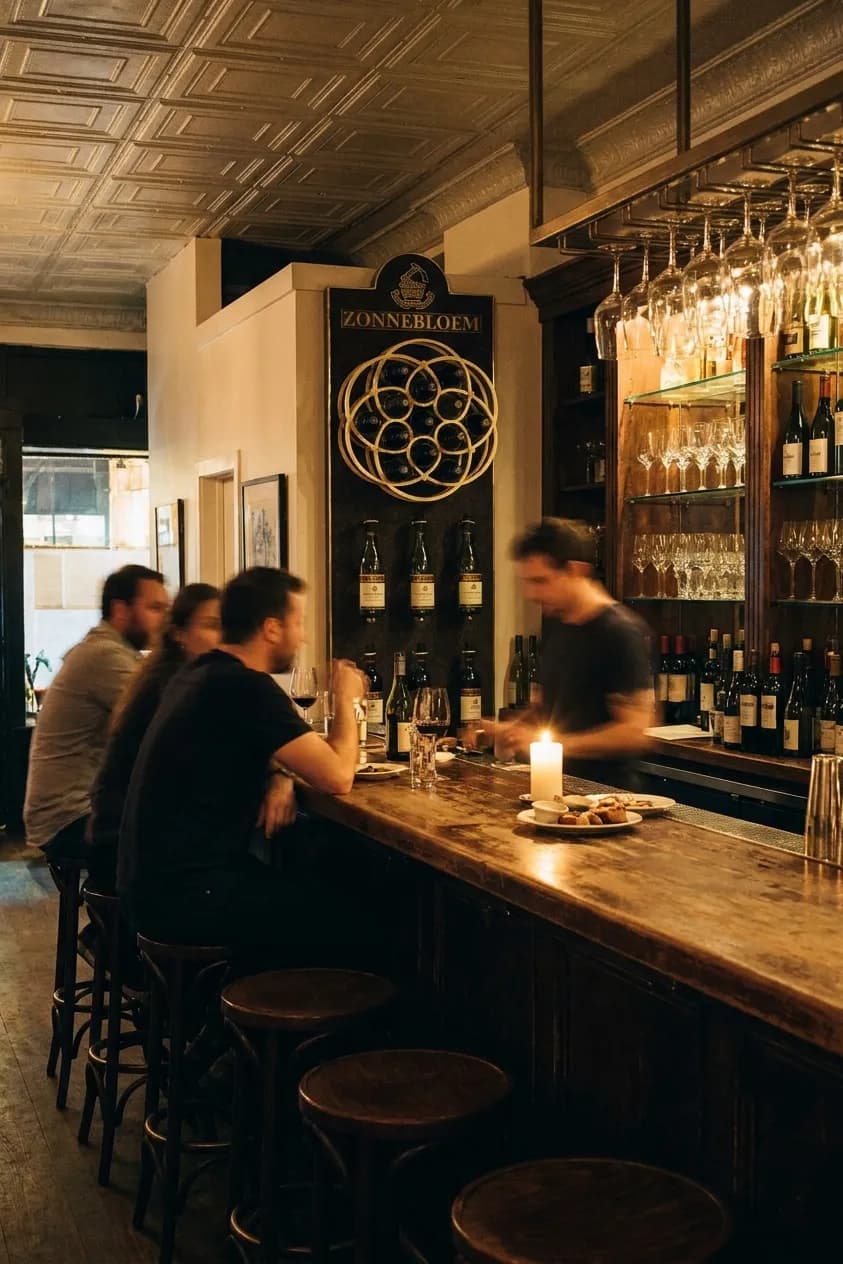
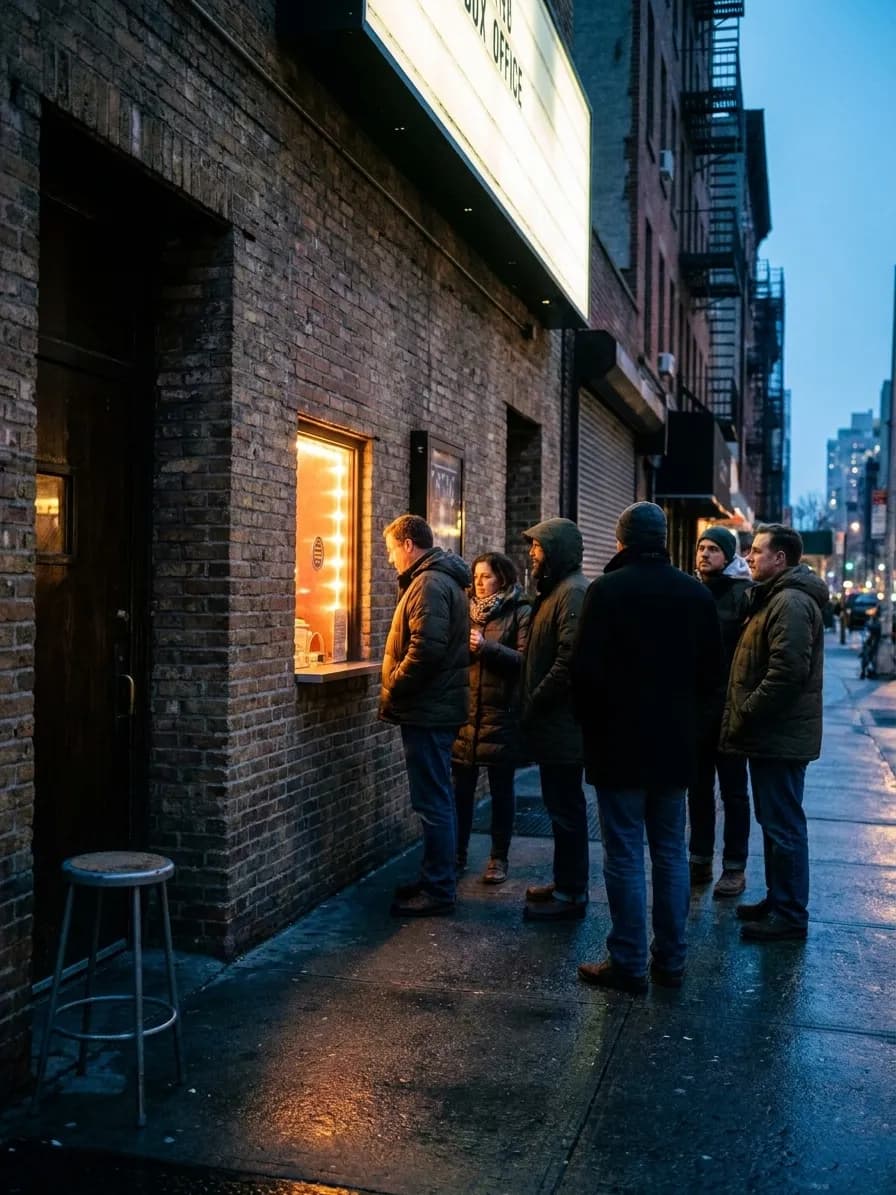
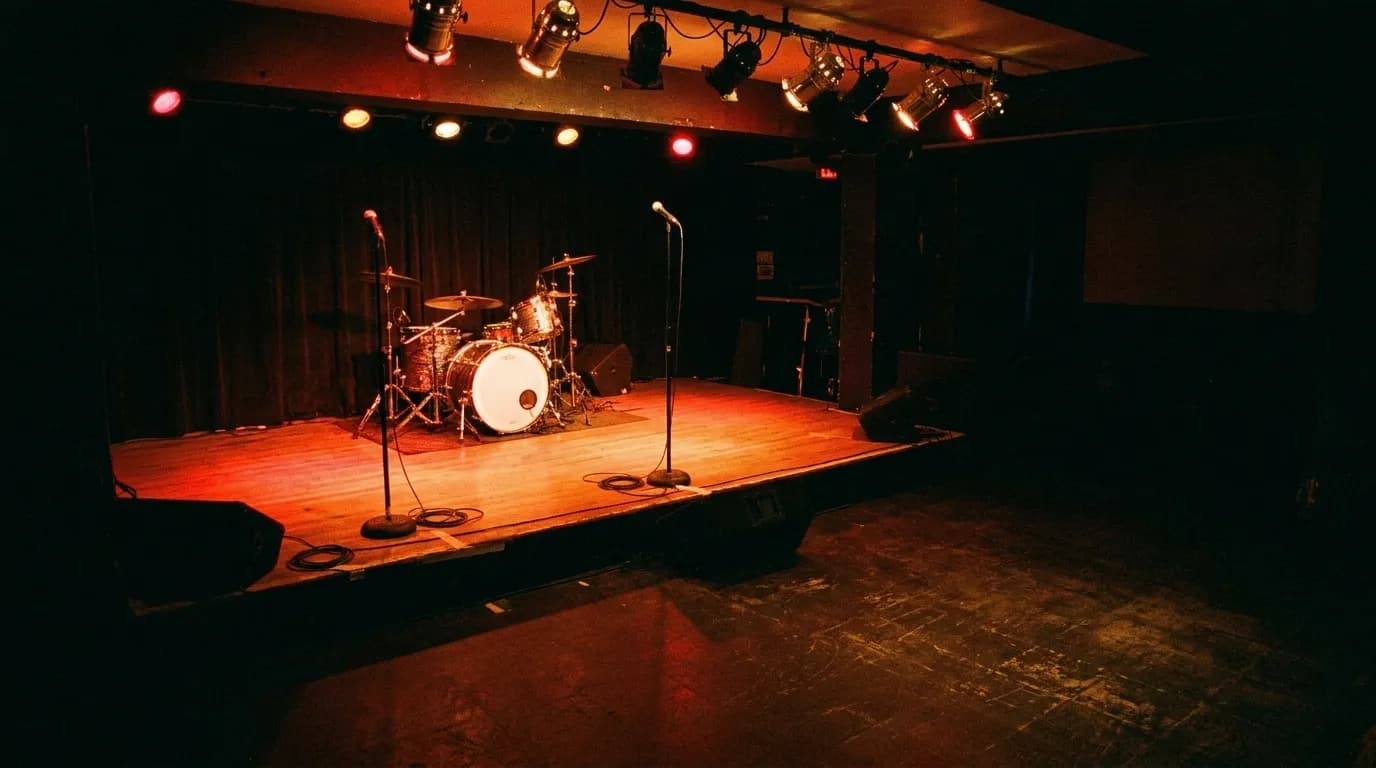
This is the heart of it. Rooms with a capacity in the low hundreds book three or four acts a night and charge somewhere between fifteen and twenty-five dollars at the door. Baby's All Right in Williamsburg is the model — an early show and a late show most nights, a booking policy that catches bands eighteen months before they play a theatre, and a room small enough that there is no bad spot. Mercury Lounge on the Lower East Side has been doing the same job for decades. Elsewhere in Bushwick runs several stages at once, with the smallest room usually the cheapest ticket in the building. Trans-Pecos and TV Eye out towards Ridgewood are where the experimental end lives, and often cost less again. The trick with this tier is to buy in advance when you can — the fee is small, the door price is often higher, and the good ones do sell out.
Free, With a Tip Jar
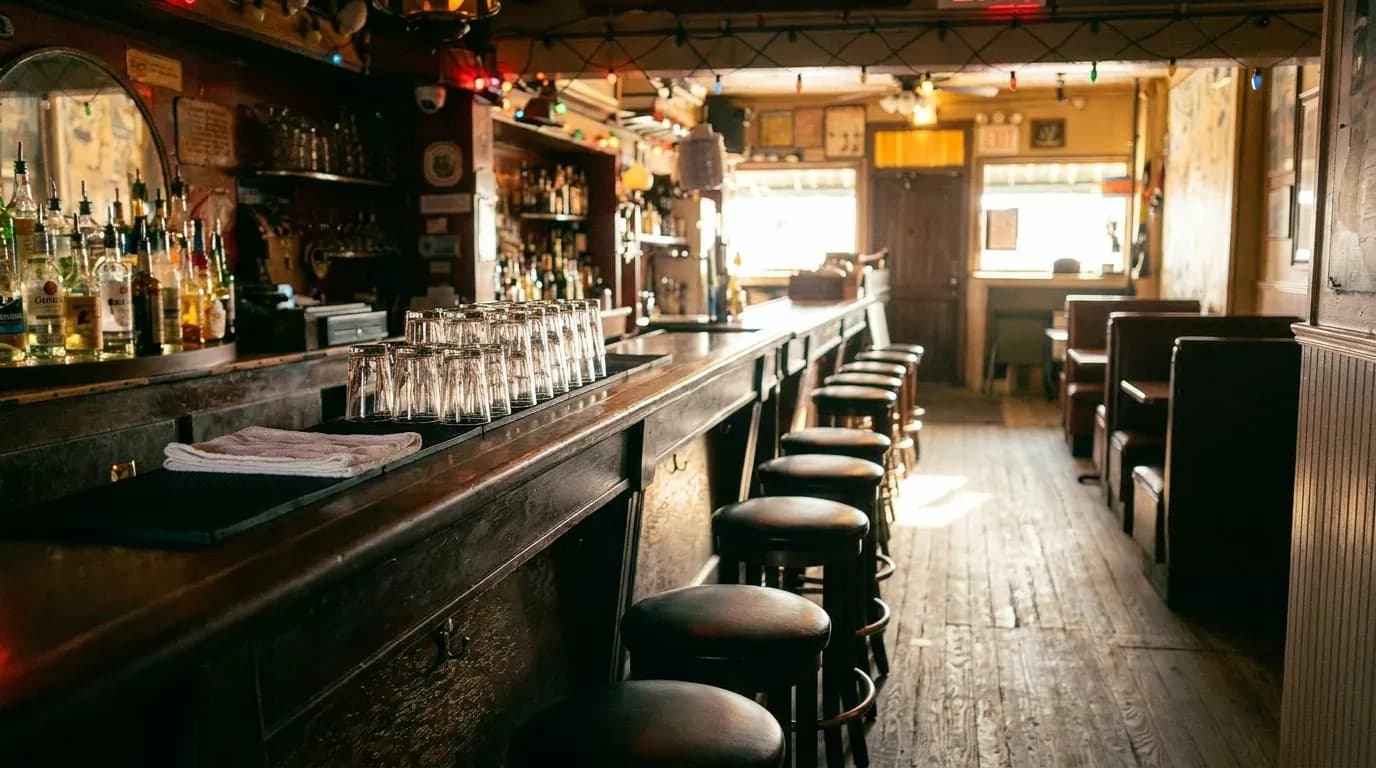
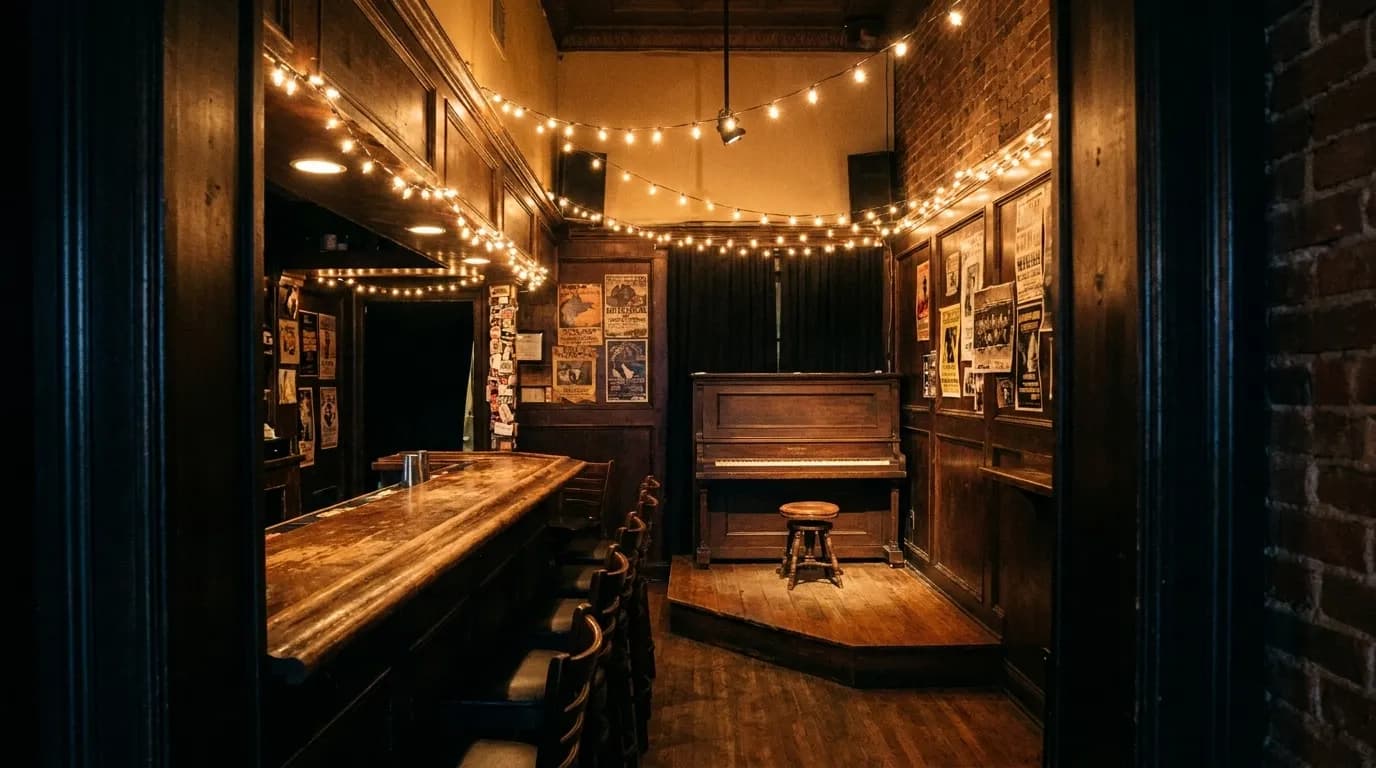
A whole tier of New York music runs on no cover and a bucket passed around, and it is not a lesser experience — some of the best players in the city work these rooms because the audiences listen. Barbès in Park Slope programmes Balkan brass, Brazilian choro, jazz and everything adjacent, seven nights a week, on a suggested donation. Pete's Candy Store in Williamsburg runs a tiny back room shaped like a railway carriage with free shows most nights. Bars in Bed-Stuy, Crown Heights and Bushwick run weekly jazz residencies with no cover, and church and library programmes across the city put on free classical concerts that are genuinely good. The etiquette matters here: the room is free because you are expected to buy something and to actually pay attention. Put money in the bucket. It is the entire economics of the thing.
Classical and Opera for the Price of a Sandwich
The most surprising cheap tickets in New York are at the top end of the classical world. The Metropolitan Opera releases a limited number of low-priced rush tickets for most performances, and the philharmonic and the major concert halls run their own discount and student schemes. The conservatories — Juilliard, Manhattan School of Music, Mannes — put on a constant stream of free student and faculty concerts at a standard that would cost real money anywhere else. Open rehearsals, when they are offered, are the connoisseur's version: you hear the same orchestra in the same hall in the morning for a fraction of the evening price. All of these require a small amount of planning — rush windows open on a schedule and the free tickets go — but none of them require money.
Summer, When the City Gives It Away
From roughly June to September the calculation changes entirely, because the free outdoor programme is enormous. Parks across all five boroughs host concert series; the waterfront venues in Brooklyn and Queens run free or nearly-free nights; the big cultural campuses put on outdoor stages with dancing; and neighbourhood street festivals book real acts. The catch is that free outdoor shows now often require a same-day reservation or an early arrival for the good spots, so the planning shifts from money to timing. If you only do one thing with this in a summer, pick a waterfront show at sunset — the combination of a free ticket, the skyline and a band you have not heard of is the single best-value evening the city offers.
How to Find the Shows Before They Sell Out
The listings problem is real: the big ticketing platforms surface expensive shows first, and the cheap ones are scattered across venue calendars, mailing lists and a handful of stubbornly old-fashioned listing sites that local promoters still use. Three habits fix most of it. Follow six or seven venues directly rather than trying to follow bands, because a good booker is a better filter than your own taste. Check the day-of listings in the late afternoon, when returns and guest-list spillover put tickets back. And treat the opener as the reason to go — the twenty-dollar ticket you buy for the headliner is frequently justified by the band that plays first, which is how everyone who goes to a lot of shows in this city ends up finding anything.
The Real Cost of a Cheap Night
One honest caveat: the ticket is rarely the expensive part. Fees add a few dollars, drinks inside cost what they cost, coat check is a surprise in winter, and a late train home from Ridgewood or Red Hook can add a rideshare to the bill. A twenty-dollar show can quietly become a seventy-dollar night. The fix is to decide the shape of the evening before you leave: eat first, pick one drink, and choose a venue on a line that runs late. Do that and live music in New York remains what it has always been — one of the few genuinely cheap pleasures left in an expensive city, available almost every night of the week, usually within a short ride of wherever you happen to be.
Tags: #NYC #Concerts #LiveMusicNYC #CheapTickets #SmallVenues #Brooklyn #LowerEastSide #Ridgewood #Jazz #IndieShows #NightOut #NYCNightlife #UnderThirty
Sources consulted: babysallright.com · petescandystore.com · barbesbrooklyn.com · elsewherebrooklyn.com · metopera.org
Please drink responsibly. Must be of legal drinking age.
All trademarks are the property of their respective owners.
Ask Karpo first
Line-ups, door prices and rush windows sit on a dozen different calendars. Tell Karpo in iMessage where you are and what you want to spend tonight, and it will find the show worth leaving the house for.