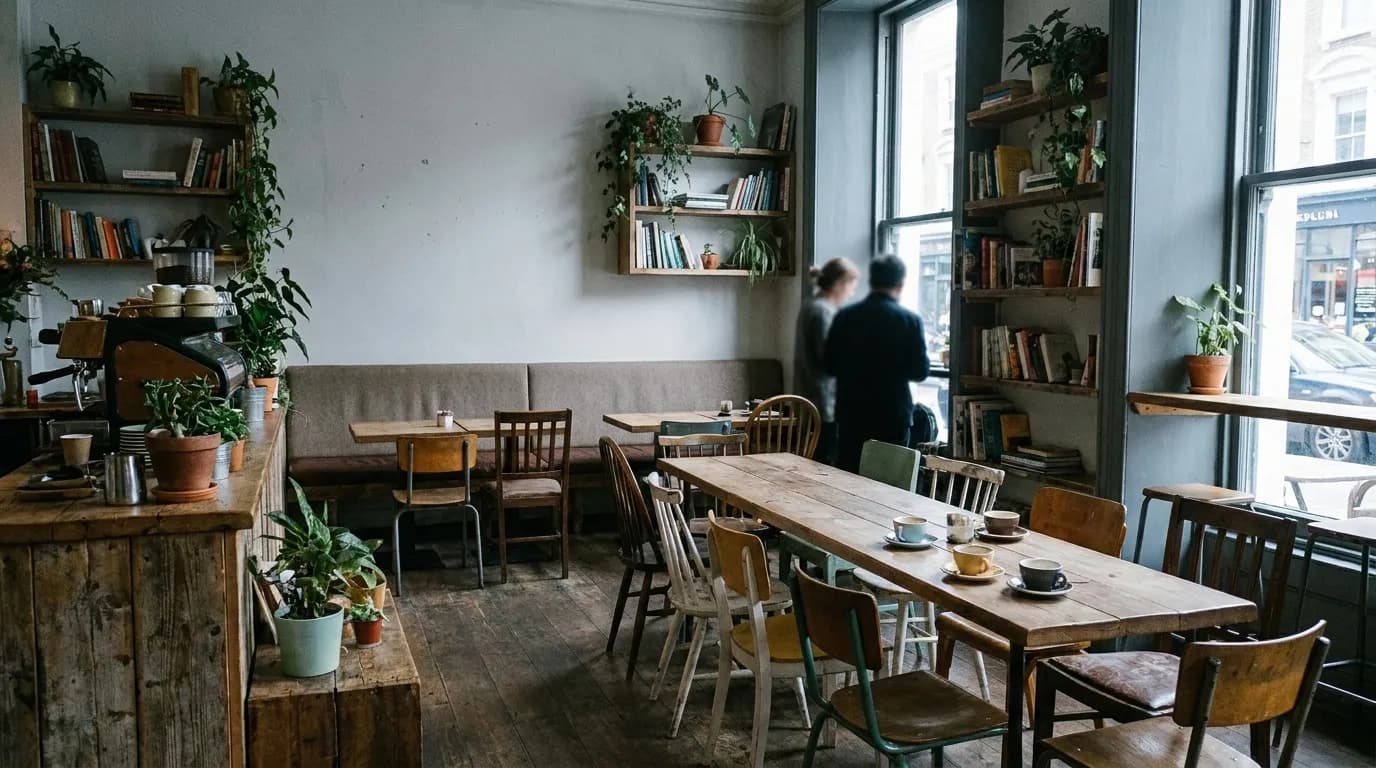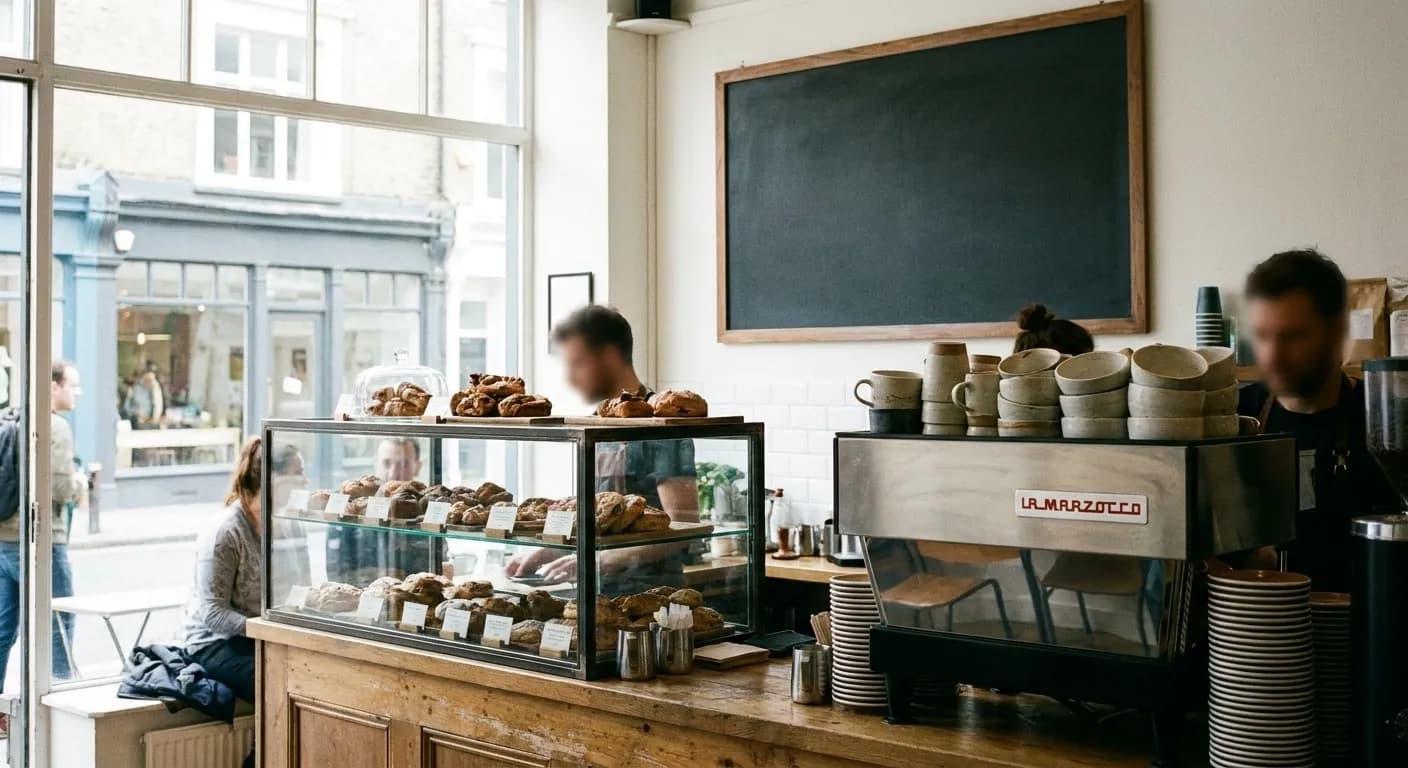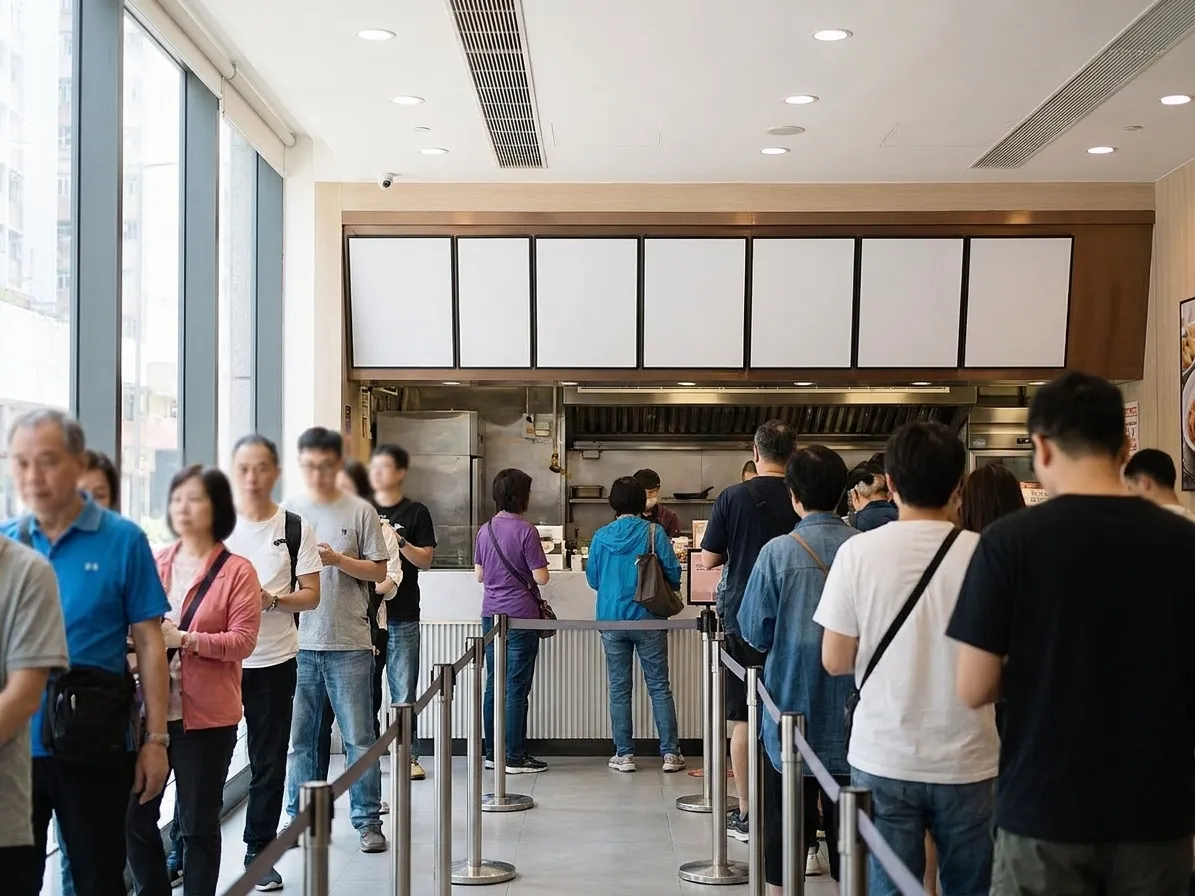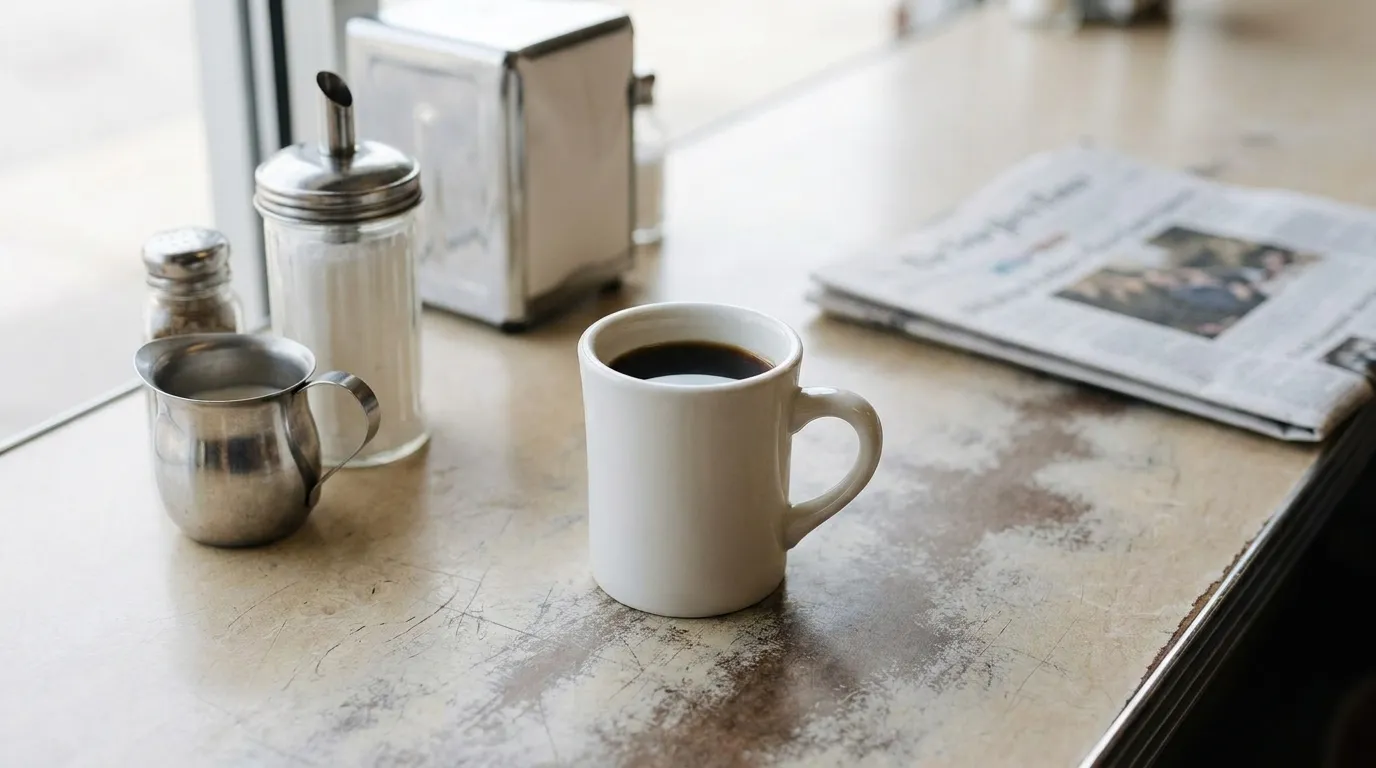
San Francisco did more than almost any city to make coffee expensive. Several of the roasters that defined the modern specialty movement started here or built their reputation here, and a single-origin pour-over in the Mission can cost more than lunch in most of the country. The city also has hundreds of counters selling a genuinely good cup for under four dollars, and they are mostly in the neighbourhoods that do not appear in coffee conversations at all.
The cheapest good cup near you is usually two blocks from the expensive one. Ask Karpo where it is.
Order size is most of the price
The single biggest lever on cost is the drink you order, not the shop. An espresso, a macchiato or a cortado at a serious cafe frequently costs less than a large latte at a chain, and it contains more coffee and less milk. A small drip or filter coffee is cheaper still. The price of a cup in San Francisco is driven mostly by volume of milk and size of cup, which means the cheapest options in a good room are also the ones that show off the coffee best.
The corollary is that ordering a twelve-ounce latte with an extra shot and an alternative milk at a specialty cafe is close to the most expensive way to consume coffee available, and it will taste less of coffee than a two-dollar cortado. If price is the constraint, going smaller is a better move than going cheaper.
The neighbourhoods where cheap is normal
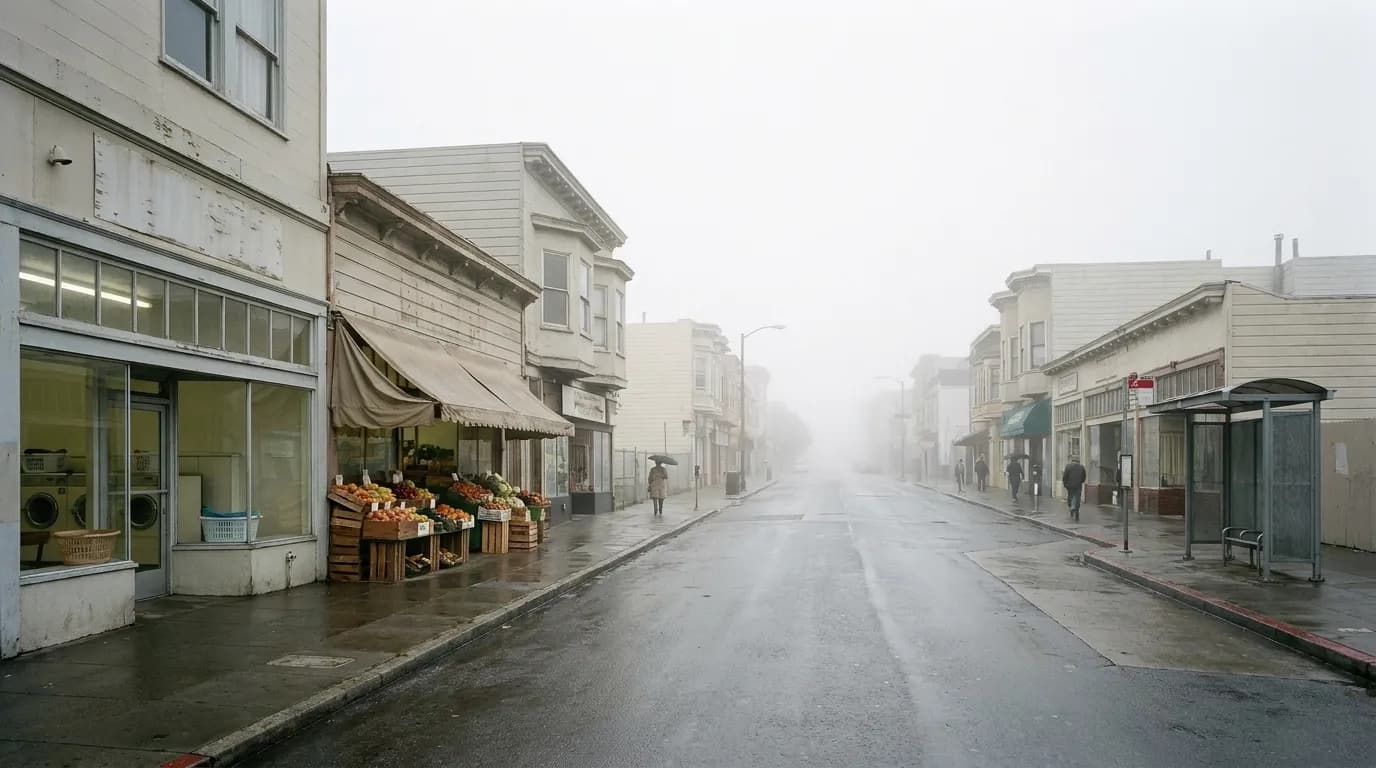
Chinatown, the Richmond along Clement and Geary, the Sunset along Irving, Noriega and Taraval, the Excelsior along Mission Street south of the freeway, and the Tenderloin all have coffee well under four dollars as the default rather than the exception. These are neighbourhoods with resident populations buying coffee daily, which is the only thing that reliably holds a price down.
Within them, the formats are different from the specialty model. Chinese bakeries sell coffee alongside egg tarts and pineapple buns for a couple of dollars. Vietnamese cafes sell ca phe sua da — iced coffee with condensed milk, strong and sweet — for less than a latte. Mexican and Salvadoran panaderías sell café de olla and drip coffee cheaply. Russian and Georgian bakeries out along Geary do the same.
The subscription and loyalty maths
Several San Francisco cafes run a punch card or a loyalty scheme, and a few of the larger local roasters run a coffee subscription for their own cafes. If you buy a cup most days, these change the effective price meaningfully and almost nobody asks about them. The card is usually behind the counter rather than displayed.
Bringing your own cup is the other reliable discount. Many cafes here take twenty-five or fifty cents off, some more, and it is worth asking because it is rarely advertised. Over a working year that is a real number, and it is one of the few discounts that costs the business almost nothing to give.
Brewing versus buying
The honest comparison worth making occasionally: a bag of good beans from a local roaster brews somewhere around thirty to forty cups, which puts the cost per cup well under a dollar even with excellent coffee. The equipment required is a grinder and something to brew into, both of which pay for themselves quickly if you drink coffee daily.
This is not an argument against cafes, which are selling a place to be as much as a drink. It is an argument for being deliberate: brewing at home on working mornings and buying when the room is the point produces both better coffee and a smaller bill than buying a mediocre cup twice a day out of habit.
The office and institution loophole
One category of cheap coffee that almost nobody thinks about: San Francisco's museums, hospitals, university buildings and public libraries mostly have cafes, most of them are open to anyone, and almost all of them price below the neighbourhood around them. A cup at a hospital cafe in the Mission or on Parnassus, or at one of the university campus counters, is a couple of dollars and perfectly drinkable. They exist to serve staff rather than to make money, which is exactly why the price is what it is.
What to avoid
Two things reliably push a cheap cup into an expensive one. Alternative milks, which carry a surcharge at most cafes in the city and which do not improve a filter coffee. And any drink with syrup, which is priced as a dessert and usually is one. Neither is wrong to want, but if the goal is a good cup under four dollars, both are the wrong direction.
The other thing to avoid is the tourist corridor. Coffee around Fisherman's Wharf, Union Square and the Embarcadero visitor stretch costs meaningfully more than identical coffee three blocks inland, and the quality is generally worse. This is the same rule that applies to food in the city and it applies just as reliably.
Practical notes
Check the menu footer for a service or health surcharge, which several San Francisco cafes now add. Ask about a loyalty card and about a discount for bringing your own cup; both exist widely and neither is advertised. A cortado or a small drip is the value order at almost any room. Chinatown, the Richmond, the Sunset and the Excelsior are where the price level is lowest. And note that the outer neighbourhood cafes open earlier and close earlier than the central ones — an eight o'clock coffee is easy, a six o'clock evening one much less so.
Tags: #SanFrancisco #SFFood #Coffee #CoffeeNearMe #CheapEats #BudgetSF #Chinatown #RichmondDistrict #SunsetDistrict #Excelsior #Tenderloin #SFCoffee #ValueCup #SFEats
All trademarks are the property of their respective owners.
Ask Karpo first
Want to know which counters near you sell a good cup for under four dollars, which run a loyalty card, and which give a discount for your own cup? Ask Karpo before you queue.