 Powerspeed Taekwondo Dojo in North Riverdale, the Bronx
Sports Social
Chasing the Viral Starbucks Across NYC This Week
When a limited-edition drink or collab drops, every location becomes a target. Here's how to hit multiple stores without burning a day.
You wake up, check your feed, and a new Starbucks collab is everywhere. Limited cups. Special merch. A drink that's only around for seventy-two hours. The first question isn't whether you want it—it's whether the store you're heading to still has it when you arrive.
Text Karpo before you leave. It'll pull current wait reports from multiple Starbucks locations, map the fastest subway route between them, and flag which stores just restocked or ran out.
What Everyone's Actually Searching Right Now
The search spike is real. Over a million people a month type "starbucks near me" into their phones, and during a drop week that number doubles in cities like New York. The problem isn't finding a Starbucks. It's finding one that still has stock after the morning rush, and then figuring out if it's worth crossing town to try a second or third location before everything's gone.
This isn't about coffee tourism. It's about efficiency. You have a narrow window, you're competing with every other person who saw the same TikTok, and you need a route that respects subway timing and real-world crowds. Most people pick one store, strike out, and give up. The ones who succeed treat it like a game-day route: multiple targets, ranked by likelihood, with a plan for each transfer.
Chinatown and Lower Manhattan Make the Best Circuit
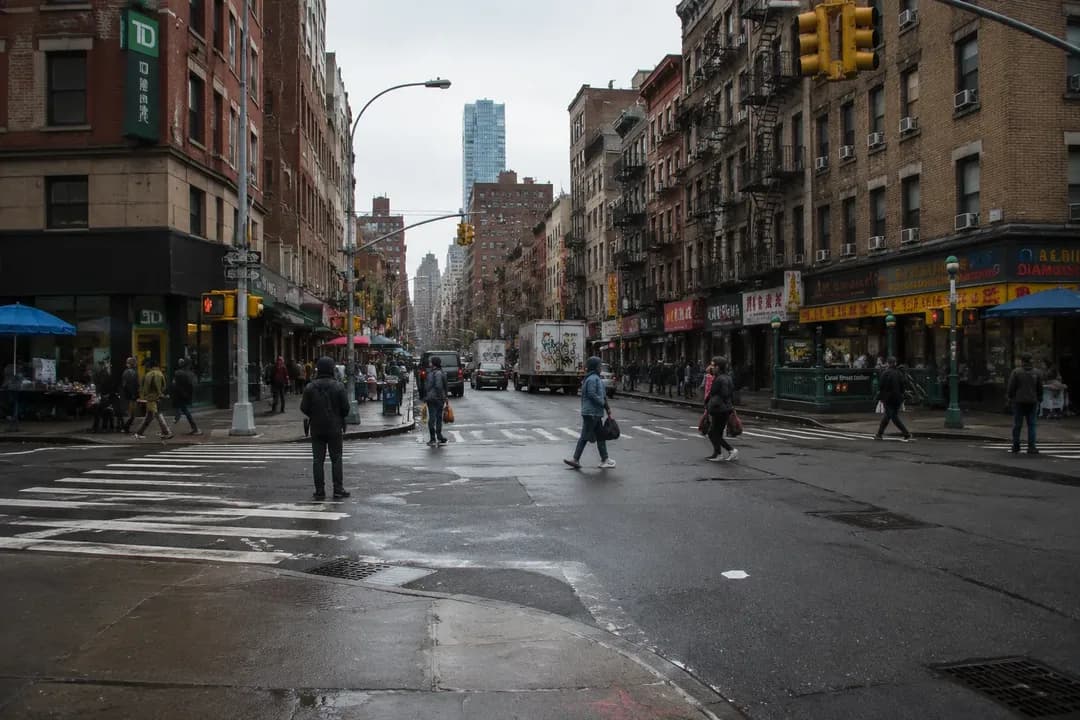
Start in Chinatown. The Starbucks on Canal near Lafayette opens early and sits at the intersection of the 6, J, Z, N, Q, R, and W trains. It gets foot traffic, but it's not a commuter crush point like Midtown. If they're out of the viral item, you're already positioned to move.
From there, walk east to the location on East Broadway near the Manhattan Bridge. It's smaller, quieter, and often overlooked because tourists stick to the main Canal corridor. If the first store was cleaned out by the time you get there, this one might still have some left. The walk is eight minutes and you pass through Sara D. Roosevelt Park, which gives you a place to regroup if you need to check inventory reports online.
If both are dry, take the F train from East Broadway down to York Street in DUMBO. The Brooklyn store there serves the tech office crowd, but it's also a restock priority because of the neighborhood's spending power. You're now fifteen minutes from Manhattan and you've covered three stores with minimal backtracking. That's the circuit that works when supply is uneven and timing matters more than proximity.
Keep the route flexible once you start moving. If one stop is dead, don't wait around hoping a fresh box appears while the line grows behind you. Check the next location while you're still in transit, use the subway ride to confirm hours and crowd comments, and be ready to abandon a stop that looks bad from the sidewalk. The win here is not persistence for its own sake. It's leaving a bad line quickly enough to catch the next one before it fills up.
Go Early or Go Late, Never at Noon
Doors open at 6 or 6:30 a.m. depending on the location. If the drop is announced in advance, the serious collectors are there at opening. You're competing with people who have alarms set and routes mapped the night before. If you can match that energy, do it. The first hour is when stock is usually strongest and the line tends to move fastest because no one's lingering.
If you can't do dawn, flip to late afternoon. Between 4 and 6 p.m., most Midtown stores are slammed with office workers, but Lower Manhattan and outer-borough locations see a lull. Inventory might be picked over, but you're also not waiting twenty minutes just to order. Some stores restock mid-afternoon if a truck comes through, so a location that was empty at 11 a.m. might have product again by 5.
Never go at noon. That's when every store in Manhattan is three-deep at the counter, mobile orders are backed up, and staff are too slammed to answer questions about what's left in the back. You'll burn thirty minutes per location and learn nothing. Lunch hour is when the chase dies.
Build a backup order of operations before you leave home. If a stop is showing temporary closure or shortened hours, drop it from the route immediately instead of hoping the situation changes by the time you arrive. Keep your next two locations ready, with the transit leg already in mind, so one bad report doesn't send you back to the beginning. The less time you spend improvising on the sidewalk, the more likely you are to get to a store before the crowd fully settles in.
Try the Reserve Roastery When the Circuit Fails
The Starbucks Reserve Roastery in Chelsea, on Ninth Avenue at 15th Street, is a different animal. It's huge, it's a destination, and it often gets exclusive allocations of limited items that smaller stores don't carry. If you've struck out at three regular locations, this is your fallback.
The trade-off is crowds. The Roastery is an experience store, which means tourists, photo-takers, and people camping at tables for hours. The line snakes, the noise level is high, and you're not in and out in five minutes. But the inventory is deeper and the staff actually know what's in stock because they field the same question two hundred times a day.
Get there before 10 a.m. or after 7 p.m. if you want any breathing room. The A, C, E, and L trains all stop within three blocks. If the viral item is gone here too, it's gone everywhere, and you can stop chasing. At least you'll know you tried the one place in the city that gets priority shipments.
Treat this as the reset point, not a place to wander in unprepared. If you are coming from another part of the city, check the train connection before you move so you do not lose the advantage of switching to a deeper stock location. Once you're on the block, look for the shortest line, ask only the inventory question you actually need answered, and move on if the answer is no. The point is to convert one last trip into certainty, not to sit in a crowd while the window closes somewhere else.
Check Inventory Online Before You Move
Starbucks doesn't publish live inventory on its app, but the app does show which locations are temporarily closed or have limited hours. Cross-reference that with Google Maps reviews from the past six hours—people post updates when a store runs out of a viral item, and those comments are time-stamped.
Reddit and Twitter are faster than official channels. Search the item name plus "NYC" and sort by recent. You'll see real-time reports from people who just left a store, often with the exact time they were there and what was left. It's not perfect, but it's better than guessing.
Don't call the store. The staff are overwhelmed and the phone usually isn't answered during a rush. If you're already on the train, commit to the stop and have a backup location queued. If you're still at home and the reports are universally negative, save the trip. Some drops are over in two hours. That's not a planning failure on your part—that's just how limited "limited edition" really means.
Use the online check to answer one question: should you move now, or should you wait for the next wave of updates. A location with recent comments saying the item is gone is not a place to anchor your route around, even if it looks convenient on the map. A location with vague silence is not confirmation either. Treat silence as unknown, not good news, and only commit when the reports line up with the hours and your transit time.
Practical notes
- Subway timing: Canal to East Broadway is one stop on the F; East Broadway to York Street is four stops. Budget 25 minutes total if you're moving between all three.
- The Reserve Roastery is large and has seating, but it's loud and not a place to sit and work if you're hoping for calm.
- Check MTA service alerts before you go—weekend and late-night F train service often runs local or skips stops.
- If you're grabbing multiple drinks or items to share, bring a tote bag. Starbucks paper bags tear easily on the subway.
- Most viral drops are gone by mid-morning; if you're planning this as an afternoon route, lower your expectations.
- This route involves a lot of walking and subway transfers—wear comfortable shoes and stay hydrated.
Tags: #karpo #newyorkcity #nyc #starbucks #chinatown #lowermanhattan #starbucksreserve #chelsea #dumbo #subwayroute #limitededition #coffeehunt #nycmorning #mtatips #cityroute
Sources consulted: MTA Subway Map & Service Updates · Starbucks Store Locator
Please drink responsibly. Must be of legal drinking age.
All trademarks are the property of their respective owners.
Ask Karpo first
Text Karpo before you head out and ask which Starbucks locations in Lower Manhattan currently have the shortest wait times, and whether any recent reviews mention the specific item you're after. It'll also map the fastest train route between your top two or three targets and flag any service changes that would slow you down.
Ask Karpo for more information.
Keep reading
- Powerspeed Taekwondo Dojo in North Riverdale, the Bronx
 T. Kang Taekwondo Dojo on Avenue U: Marine Park Since 1992
 KTKD Flushing Taekwondo Dojo: Olympic Sparring in Queens